What does Deuteronomy 24:1 mean?
“When a man hath taken a wife, and married her, and it come to pass that she find no favour in his eyes, because he hath found some uncleanness in her: then let him write her a bill of divorcement, and give it in her hand, and send her out of his house.” — Deuteronomy 24:1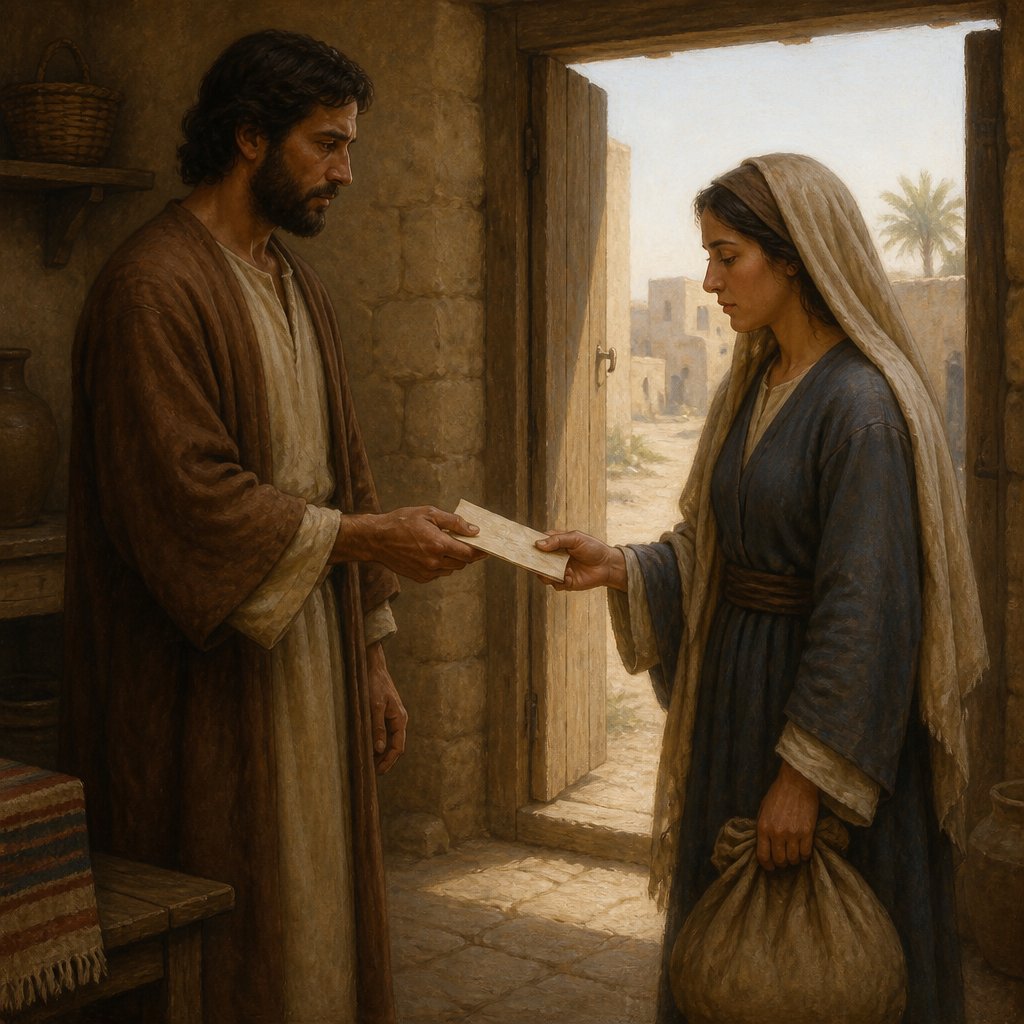
Deuteronomy 24:1 in the King James Version of the Bible reads, "When a man hath taken a wife, and married her, and it come to pass that she find no favour in his eyes, because he hath found some uncleanness in her: then let him write her a bill of divorcement, and give it in her hand, and send her out of his house."
This verse from the book of Deuteronomy has been the subject of much debate and discussion, particularly in the context of marriage, divorce, and the treatment of women in ancient biblical times. It is important to note that the Bible, including this verse, is a product of its time and reflects the social and cultural norms of the ancient Near East. As such, it is essential to approach the verse with an understanding of its historical and cultural context in order to derive a comprehensive meaning and commentary.
The book of Deuteronomy is part of the Torah, the first five books of the Hebrew Bible, and is attributed to Moses. It contains a collection of laws and regulations for the Israelites, and Deuteronomy 24:1 specifically addresses the issue of divorce. The verse outlines a scenario in which a man marries a woman, but then decides to divorce her because he finds "some uncleanness" in her. The term "uncleanness" has been the subject of much speculation, and it is often interpreted as referring to some kind of moral or sexual impurity or wrongdoing on the part of the woman.
The verse stipulates that in such a situation, the man is to write a bill of divorcement, give it to the woman, and send her out of his house. This practice of giving a written document to formalize divorce was a significant legal and social process in ancient Israelite society. It provided a means of officially ending the marriage and allowed the woman to remarry, as she would have proof of her legal separation from her former husband.
In examining the themes and symbolism present in this verse, it is important to consider the broader context of marriage, relationships, and justice in the biblical narrative. The verse raises important questions about the nature of marriage, the treatment of women, and the ethical considerations surrounding divorce. It reflects the patriarchal structure of ancient Israelite society, where men held authority over women and possessed the power to initiate divorce.
At the same time, the verse also highlights the importance of legal and ethical procedures in matters of marriage and divorce. By prescribing the writing of a bill of divorcement, the verse emphasizes the need for clear and formal documentation of the divorce process to ensure fairness and justice for all parties involved. Additionally, the verse suggests the possibility of reconciliation and the potential for a woman to find favor in the eyes of her husband, as the decision to divorce is not irreversible.
Interpreting this verse in a contemporary context requires careful consideration of how it aligns with modern perspectives on marriage and divorce. While the verse reflects the cultural norms of its time, it also prompts reflection on the principles of compassion, forgiveness, and ethical conduct within relationships. It serves as a reminder of the complexities and challenges inherent in navigating interpersonal relationships and the importance of upholding justice and integrity in matters of marriage and divorce.
In conclusion, Deuteronomy 24:1 encompasses a range of significant themes and implications related to marriage, divorce, and the treatment of women within the context of ancient Israelite society. By exploring the verse within its historical and cultural framework, and considering its broader implications for ethical and interpersonal relationships, we can glean valuable insights into the complexities of human interactions and the enduring significance of justice and compassion in all aspects of life.
Get our apps


Artwork for Deuteronomy 24:1

Deuteronomy 24:1 - "When a man hath taken a wife, and married her, and it come to pass that she find no favour in his eyes, because he hath found some uncleanness in her: then let him write her a bill of divorcement, and give it in her hand, and send her out of his house."
"When a man hath taken a wife, and married her, and it come to pass that she find no favour in his eyes, because he hath found some uncleanness in her: then let him write her a bill of divorcement, and give it in her hand, and send her out of his house." - Deuteronomy 24:1

Deuteronomy 1:24 - "And they turned and went up into the mountain, and came unto the valley of Eshcol, and searched it out."

"And they turned and went up into the mountain, and came unto the valley of Eshcol, and searched it out." - Deuteronomy 1:24

Deuteronomy 24:12 - "And if the man be poor, thou shalt not sleep with his pledge:"

Deuteronomy 4:24 - "For the LORD thy God is a consuming fire, even a jealous God."

Deuteronomy 12:24 - "Thou shalt not eat it; thou shalt pour it upon the earth as water."

Deuteronomy 9:24 - "Ye have been rebellious against the LORD from the day that I knew you."

Deuteronomy 27:24 - "Cursed be he that smiteth his neighbour secretly. And all the people shall say, Amen."
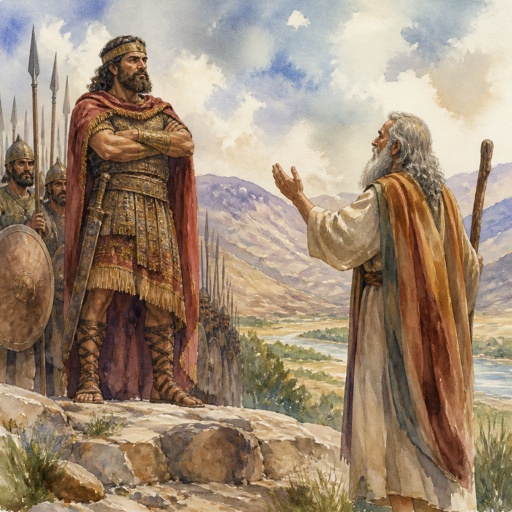
Sihon king of heshbon and Moses in Deuteronomy 2:24-37

Deuteronomy 24:17 - "¶ Thou shalt not pervert the judgment of the stranger, nor of the fatherless; nor take a widow's raiment to pledge:"

Deuteronomy 24:6 - "¶ No man shall take the nether or the upper millstone to pledge: for he taketh a man's life to pledge."

Deuteronomy 24:2 - "And when she is departed out of his house, she may go and be another man's wife."

Deuteronomy 24:21 - "When thou gatherest the grapes of thy vineyard, thou shalt not glean it afterward: it shall be for the stranger, for the fatherless, and for the widow."

Deuteronomy 24:22 - "And thou shalt remember that thou wast a bondman in the land of Egypt: therefore I command thee to do this thing."

Deuteronomy 31:24 - "¶ And it came to pass, when Moses had made an end of writing the words of this law in a book, until they were finished,"

Deuteronomy 24:9 - "Remember what the LORD thy God did unto Miriam by the way, after that ye were come forth out of Egypt."

Deuteronomy 24:10 - "¶ When thou dost lend thy brother any thing, thou shalt not go into his house to fetch his pledge."

Deuteronomy 24:20 - "When thou beatest thine olive tree, thou shalt not go over the boughs again: it shall be for the stranger, for the fatherless, and for the widow."

Deuteronomy 24:11 - "Thou shalt stand abroad, and the man to whom thou dost lend shall bring out the pledge abroad unto thee."

"And if the man be poor, thou shalt not sleep with his pledge:" - Deuteronomy 24:12

Deuteronomy 29:24 - "Even all nations shall say, Wherefore hath the LORD done thus unto this land? what meaneth the heat of this great anger?"

Deuteronomy 33:24 - "¶ And of Asher he said, Let Asher be blessed with children; let him be acceptable to his brethren, and let him dip his foot in oil."

Deuteronomy 24:14 - "¶ Thou shalt not oppress an hired servant that is poor and needy, whether he be of thy brethren, or of thy strangers that are in thy land within thy gates:"

Deuteronomy 28:24 - "The LORD shall make the rain of thy land powder and dust: from heaven shall it come down upon thee, until thou be destroyed."

"For the LORD thy God is a consuming fire, even a jealous God." - Deuteronomy 4:24

Deuteronomy 6:24 - "And the LORD commanded us to do all these statutes, to fear the LORD our God, for our good always, that he might preserve us alive, as it is at this day."

Deuteronomy 24:16 - "The fathers shall not be put to death for the children, neither shall the children be put to death for the fathers: every man shall be put to death for his own sin."

Deuteronomy 24:18 - "But thou shalt remember that thou wast a bondman in Egypt, and the LORD thy God redeemed thee thence: therefore I command thee to do this thing."

"Thou shalt not eat it; thou shalt pour it upon the earth as water." - Deuteronomy 12:24