What does Deuteronomy 24:14 mean?
“Thou shalt not oppress an hired servant that is poor and needy, whether he be of thy brethren, or of thy strangers that are in thy land within thy gates:” — Deuteronomy 24:14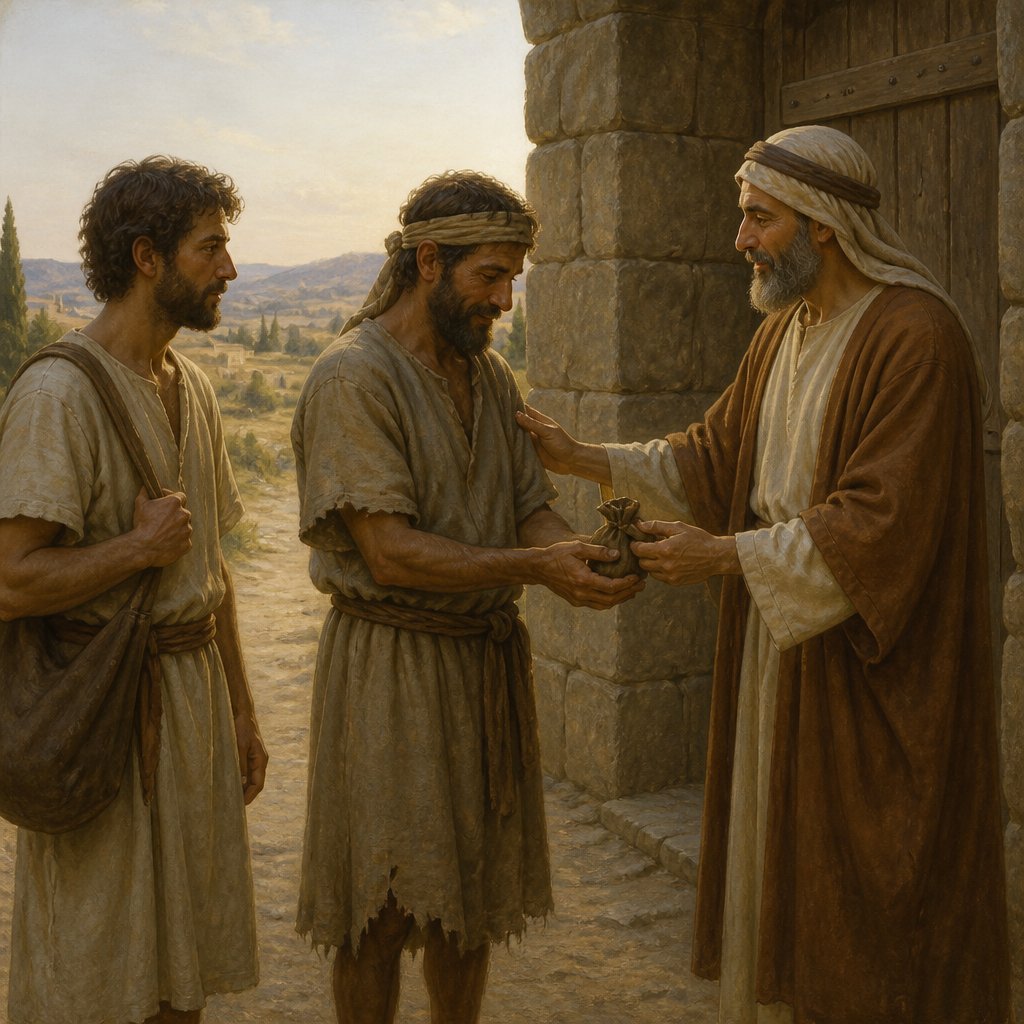
Deuteronomy 24:14 in the King James Version reads: "Thou shalt not oppress an hired servant that is poor and needy, whether he be of thy brethren, or of thy strangers that are in thy land within thy gates."
This verse is part of the Mosaic Law, which was given to the Israelites by God through Moses. The Mosaic Law contains guidelines for living in a just and righteous manner, and it covers a wide range of topics including morality, justice, and social responsibility. In Deuteronomy 24:14, the focus is on the treatment of hired servants, specifically those who are poor and needy.
The verse begins with the command: "Thou shalt not oppress." This is a clear directive to the Israelites to refrain from mistreating or taking advantage of those who are in a vulnerable position. The term "hired servant" refers to someone who works for wages, often in a subordinate position. In ancient Israel, hired servants were often from the lower socioeconomic classes and were dependent on their employers for their livelihood.
The verse specifies that the prohibition against oppression applies to all hired servants who are poor and needy, regardless of whether they are of Israelite descent or foreigners living in the land of Israel. This emphasizes the universal nature of God's concern for human welfare and dignity, regardless of social status or nationality.
The theme of social justice and compassion for the marginalized is central to this verse. It reflects God's heart for the downtrodden and his desire for his people to reflect his compassion in their treatment of others. This theme is consistent throughout the Bible, with numerous passages emphasizing the need for justice and mercy, especially for the poor and vulnerable.
The context of Deuteronomy 24:14 is important for understanding its significance. The verse is part of a larger passage that deals with various social and ethical issues, such as divorce, lending practices, and the treatment of the vulnerable in society. In the preceding verses, there are instructions regarding the treatment of a divorced woman and the guarantee of her rights. Following verse 14, there are regulations concerning the fair treatment of the poor in business transactions.
In the historical and cultural context of ancient Israel, the treatment of hired servants was a matter of great importance. The economy was primarily agricultural, and many individuals worked as hired servants on farms and in households. Therefore, this verse was directly relevant to the daily lives of the Israelites, as it addressed their interactions with those who worked for them.
Furthermore, the verse also has a broader moral and spiritual application. It speaks to the fundamental principle of treating others with fairness and compassion, regardless of their social standing. This principle reflects the character of God, who is just and merciful, and it is a timeless truth that applies to all people in all cultures and societies.
In terms of symbolism, the verse symbolizes the overarching moral framework of the Mosaic Law, which emphasizes the importance of upholding justice and righteousness in all areas of life. It serves as a reminder that God cares deeply about how we treat others, particularly those who are in need. The hired servant represents all individuals who are vulnerable and dependent on others for their well-being, and the command not to oppress them serves as a powerful symbol of God's concern for the oppressed and marginalized.
In conclusion, Deuteronomy 24:14 is a powerful and timeless expression of God's heart for social justice and compassion. It calls for the fair and compassionate treatment of hired servants who are poor and needy, emphasizing the universal nature of God's concern for the vulnerable in society. This verse continues to serve as a crucial reminder of the moral principles that underpin God's kingdom and the call for his people to reflect his compassion and justice in their interactions with others.
Get our apps


Artwork for Deuteronomy 24:14

Deuteronomy 24:14 - "¶ Thou shalt not oppress an hired servant that is poor and needy, whether he be of thy brethren, or of thy strangers that are in thy land within thy gates:"

Deuteronomy 24:14-15 - "You shall not oppress a hired servant who is poor and needy, whether he is one of your countrymen or one of your aliens who is in your land in your towns. You shall give him his wages on his day before the sun sets, for he is poor and sets his heart on it; so that he will not cry against you to the Lord and it becomes sin in you."
"¶ Thou shalt not oppress an hired servant that is poor and needy, whether he be of thy brethren, or of thy strangers that are in thy land within thy gates:" - Deuteronomy 24:14
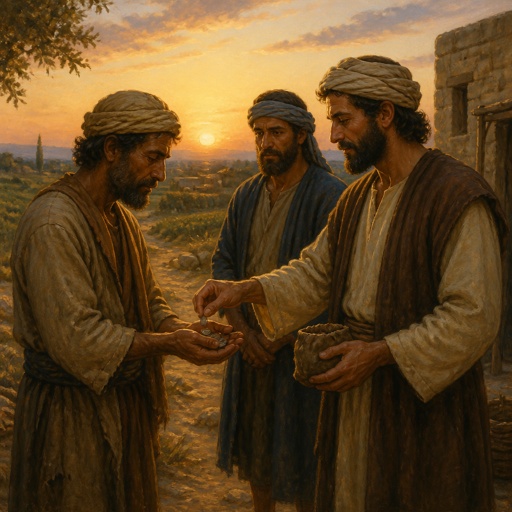
"You shall not oppress a hired servant who is poor and needy, whether he is one of your countrymen or one of your aliens who is in your land in your towns. You shall give him his wages on his day before the sun sets, for he is poor and sets his heart on it; so that he will not cry against you to the Lord and it becomes sin in you." - Deuteronomy 24:14-15

Deuteronomy 14:24 - "And if the way be too long for thee, so that thou art not able to carry it; or if the place be too far from thee, which the LORD thy God shall choose to set his name there, when the LORD thy God hath blessed thee:"

Deuteronomy 14:14 - "And every raven after his kind,"

Deuteronomy 24:12 - "And if the man be poor, thou shalt not sleep with his pledge:"

Deuteronomy 4:24 - "For the LORD thy God is a consuming fire, even a jealous God."

Deuteronomy 14:17 - "And the pelican, and the gier eagle, and the cormorant,"

"And every raven after his kind," - Deuteronomy 14:14

Deuteronomy 12:24 - "Thou shalt not eat it; thou shalt pour it upon the earth as water."

Deuteronomy 14:16 - "The little owl, and the great owl, and the swan,"

Deuteronomy 1:24 - "And they turned and went up into the mountain, and came unto the valley of Eshcol, and searched it out."

Genesis 24-14

Deuteronomy 14:3 - "¶ Thou shalt not eat any abominable thing."

Deuteronomy 9:24 - "Ye have been rebellious against the LORD from the day that I knew you."

Deuteronomy 27:24 - "Cursed be he that smiteth his neighbour secretly. And all the people shall say, Amen."

Deuteronomy 14:11 - "¶ Of all clean birds ye shall eat."

Deuteronomy 14:20 - "But of all clean fowls ye may eat."

Deuteronomy 14:13 - "And the glede, and the kite, and the vulture after his kind,"
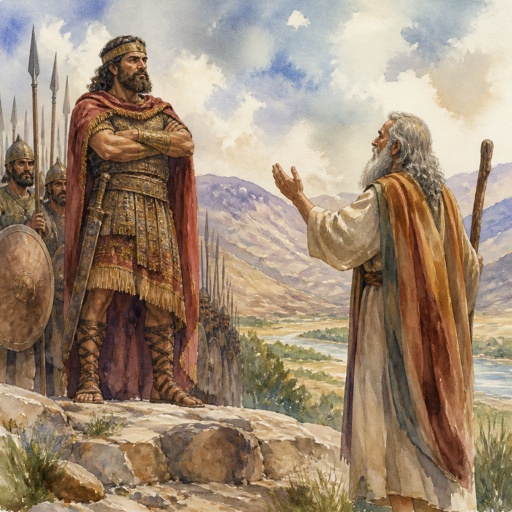
Sihon king of heshbon and Moses in Deuteronomy 2:24-37

Deuteronomy 24:17 - "¶ Thou shalt not pervert the judgment of the stranger, nor of the fatherless; nor take a widow's raiment to pledge:"

Deuteronomy 24:6 - "¶ No man shall take the nether or the upper millstone to pledge: for he taketh a man's life to pledge."

Deuteronomy 24:2 - "And when she is departed out of his house, she may go and be another man's wife."

Deuteronomy 14:18 - "And the stork, and the heron after her kind, and the lapwing, and the bat."

Deuteronomy 14:12 - "But these are they of which ye shall not eat: the eagle, and the ossifrage, and the ospray,"

Deuteronomy 14:15 - "And the owl, and the night hawk, and the cuckow, and the hawk after his kind,"

Deuteronomy 29:14 - "Neither with you only do I make this covenant and this oath;"

Exodus 7:14-24

Deuteronomy 14:4 - "These are the beasts which ye shall eat: the ox, the sheep, and the goat,"