What does Deuteronomy 24:17-18 mean?
“Thou shalt not pervert the judgment of the stranger, nor of the fatherless; nor take a widow’s raiment to pledge: But thou shalt remember that thou wast a bondman in Egypt, and the LORD thy God redeemed thee thence: therefore I command thee to do this thing.” — Deuteronomy 24:17-18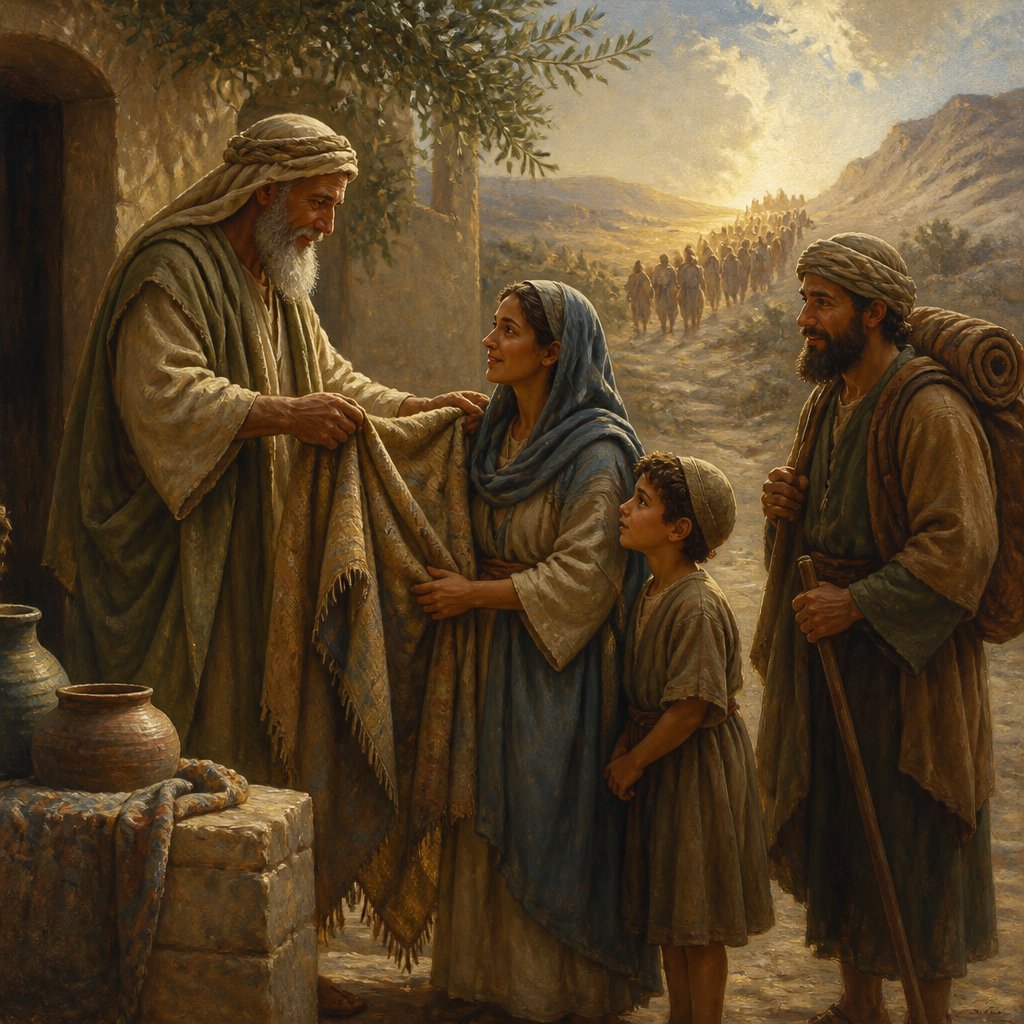
Deuteronomy 24:17-18 from the King James Version of the Bible reads: "Thou shalt not pervert the judgment of the stranger, nor of the fatherless; nor take a widow's raiment to pledge: But thou shalt remember that thou wast a bondman in Egypt, and the Lord thy God redeemed thee thence: therefore I command thee to do this thing."
This passage is rich in meaning and insight and touches on several important themes, including justice, compassion, and empathy. In this commentary, we will explore the context of this verse, its symbolism, and its relevance for contemporary society.
The book of Deuteronomy is part of the Torah, the first five books of the Old Testament, and is attributed to Moses. It is essentially a series of speeches given by Moses to the Israelites prior to their entry into the Promised Land. In these speeches, Moses reiterates the laws and commands given to the Israelites by God. Deuteronomy 24 contains various social laws and regulations that were intended to govern the Israelite community and ensure justice and fairness for all individuals, particularly those who were vulnerable and marginalized.
In verses 17-18, the focus is on the importance of upholding justice and showing compassion to three specific groups: strangers (or foreigners), fatherless children, and widows. The verse begins with a prohibition against perverting the judgment of these individuals. The idea of perverting judgment here refers to the corruption or distortion of justice, whether through bias, prejudice, or unfair treatment. This reflects a broader theme of justice and righteousness that is prevalent throughout the Bible, particularly in the Old Testament.
The inclusion of strangers, fatherless, and widows as the focus of this passage is significant. In ancient Israelite society, these groups were often the most vulnerable and marginalized. Strangers were outsiders, foreigners who did not have the same rights and protections as native-born Israelites. Fatherless children were particularly vulnerable in a society where lineage and inheritance were of great importance. Widows, too, were often marginalized and left without means of support. By highlighting these specific groups, the passage underscores the importance of justice and compassion for those who are most in need of it.
The command not to take a widow's raiment to pledge is also significant. In ancient Near Eastern societies, taking a widow's garment as collateral was a common practice, often leaving the widow vulnerable and without protection. The command to refrain from doing so reflects God's concern for the most vulnerable members of society and his desire for his people to act with compassion and empathy.
The closing statement in verse 18 provides a powerful rationale for these commands: "But thou shalt remember that thou wast a bondman in Egypt, and the Lord thy God redeemed thee thence: therefore I command thee to do this thing." Here, the Israelites are reminded of their own history of oppression and slavery in Egypt, and of God's redemption and deliverance. This serves as a powerful motivation for them to act justly and compassionately towards others, particularly those who are vulnerable and in need. The Israelites are called to remember their own experience of suffering and oppression and to allow that memory to shape their actions and attitudes towards others.
This verse is instructive for contemporary society as well. The themes of justice, compassion, and empathy that are present in this passage are timeless and universal. The command to care for the stranger, the fatherless, and the widow is a call to action for individuals and communities to ensure that the most vulnerable and marginalized members of society are treated with fairness and compassion. It also serves as a reminder of the importance of empathy and understanding, as well as the need to be mindful of our own experiences of suffering and oppression.
In conclusion, Deuteronomy 24:17-18 from the King James Version of the Bible contains important teachings on justice and compassion, as well as a powerful reminder of the importance of empathy and understanding. Its relevance extends beyond the ancient Israelite society to contemporary society, where the principles of justice and compassion remain essential. This passage serves as a timeless reminder of God's concern for the vulnerable and marginalized and challenges us to reflect on our own actions and attitudes towards those in need.
Get our apps


Artwork for Deuteronomy 24:17-18

Deuteronomy 24:17-18 - "Do not deprive the foreigner or the fatherless of justice, or take the cloak of the widow as a pledge. Remember that you were slaves in Egypt and the Lord your God redeemed you from there. That is why I command you to do this."
"Do not deprive the foreigner or the fatherless of justice, or take the cloak of the widow as a pledge. Remember that you were slaves in Egypt and the Lord your God redeemed you from there. That is why I command you to do this." - Deuteronomy 24:17-18

Deuteronomy 18:17 - "And the LORD said unto me, They have well spoken that which they have spoken."

Deuteronomy 24:17 - "¶ Thou shalt not pervert the judgment of the stranger, nor of the fatherless; nor take a widow's raiment to pledge:"

Deuteronomy 24:18 - "But thou shalt remember that thou wast a bondman in Egypt, and the LORD thy God redeemed thee thence: therefore I command thee to do this thing."

Deuteronomy 17:18 - "And it shall be, when he sitteth upon the throne of his kingdom, that he shall write him a copy of this law in a book out of that which is before the priests the Levites:"

"And the LORD said unto me, They have well spoken that which they have spoken." - Deuteronomy 18:17
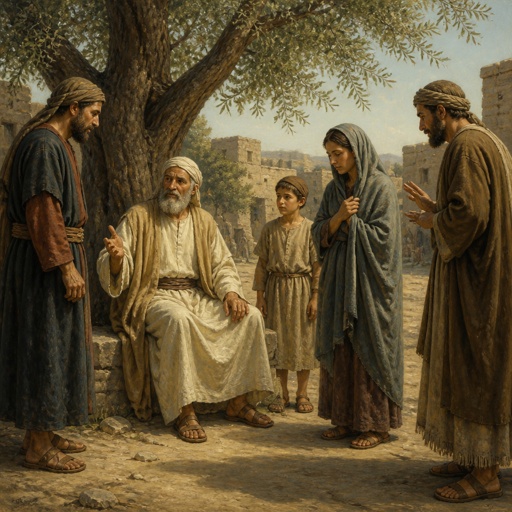
"¶ Thou shalt not pervert the judgment of the stranger, nor of the fatherless; nor take a widow's raiment to pledge:" - Deuteronomy 24:17

Deuteronomy 5:17 - "Thou shalt not kill."

Matthew 17:17-18

Deuteronomy 14:17 - "And the pelican, and the gier eagle, and the cormorant,"

Matthew 17:17-18

Deuteronomy 24:12 - "And if the man be poor, thou shalt not sleep with his pledge:"

Genesis 24-17

Joshua 24:17

Deuteronomy 2:17 - "That the LORD spake unto me, saying,"

Deuteronomy 4:24 - "For the LORD thy God is a consuming fire, even a jealous God."

Genesis 24-18

Deuteronomy 5:18 - "Neither shalt thou commit adultery."

Genesis 18-24

Joshua 24:17

Joshua 24:17

Genesis 17-24

luke 24:17

Exodus 24:17

Deuteronomy 28:17 - "Cursed shall be thy basket and thy store."

Deuteronomy 12:24 - "Thou shalt not eat it; thou shalt pour it upon the earth as water."
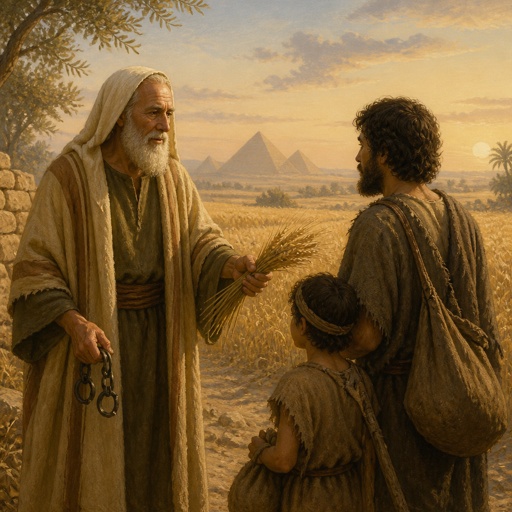
"But thou shalt remember that thou wast a bondman in Egypt, and the LORD thy God redeemed thee thence: therefore I command thee to do this thing." - Deuteronomy 24:18

Deuteronomy 18:11 - "Or a charmer, or a consulter with familiar spirits, or a wizard, or a necromancer."

Deuteronomy 18:13 - "Thou shalt be perfect with the LORD thy God."