What does Deuteronomy 26:1 mean?
“And it shall be, when thou art come in unto the land which the LORD thy God giveth thee for an inheritance, and possessest it, and dwellest therein;” — Deuteronomy 26:1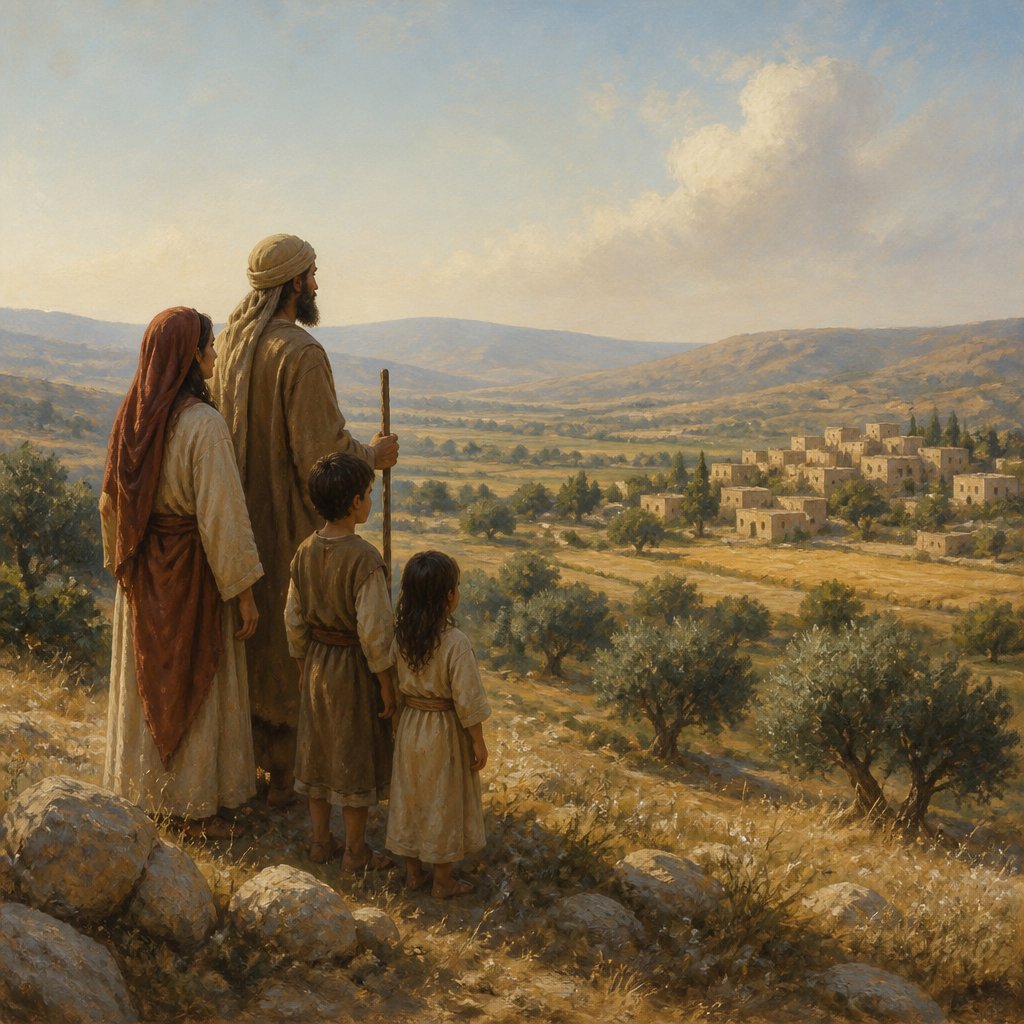
Deuteronomy 26:1 in the King James Version of the Bible says, "And it shall be, when thou art come in unto the land which the Lord thy God giveth thee for an inheritance, and possessest it, and dwellest therein." This verse comes from the book of Deuteronomy, which is the fifth book of the Old Testament and is attributed to Moses. It is a part of Moses' farewell speeches to the Israelites before they enter the Promised Land.
The verse emphasizes the idea of entering and possessing the land that God has given as an inheritance. It is a reminder to the Israelites of God's faithfulness and the fulfillment of his promises to them. The verse serves as a call to action for the Israelites to acknowledge and appreciate the blessings that they are about to receive.
This verse is significant in its themes and context. One of the major themes in Deuteronomy is the idea of covenant and obedience. Throughout the book, Moses repeatedly emphasizes the importance of obeying God's commandments and remaining faithful to the covenant between the Israelites and God. In this verse, the Israelites are being reminded of their part in the covenant as they prepare to enter the Promised Land. It serves as a call to remember their relationship with God and the responsibilities that come with it.
The context of this verse is also important to consider. The Israelites had been wandering in the desert for 40 years, and they were on the brink of entering the land that God had promised to their ancestors. This moment was a culmination of their journey and a fulfillment of God's promise. Moses wanted to prepare the Israelites for this significant transition and remind them of the importance of remaining faithful to God as they enter the new land.
Symbolism plays a significant role in understanding the deeper meaning of Deuteronomy 26:1. The land that God has given the Israelites represents not only a physical inheritance but also a spiritual one. It symbolizes God's faithfulness, provision, and the fulfillment of his promises. The act of possessing and dwelling in the land signifies the Israelites' commitment to God and their willingness to obey his commands.
Furthermore, the verse can also be seen as a foreshadowing of the future blessings and challenges that the Israelites will face in the Promised Land. It serves as a reminder that their possession of the land is contingent upon their faithfulness and obedience to God. The verse also foreshadows the importance of gratitude and acknowledgment of God's blessings, as the following verses in Deuteronomy 26 detail the instructions for presenting the firstfruits of the land as an offering to God.
In conclusion, Deuteronomy 26:1 is a verse that carries deep spiritual and symbolic significance. It reminds the Israelites of their covenant with God, the fulfillment of his promises, and the importance of remaining faithful and obedient as they prepare to enter the Promised Land. The verse serves as a call to action to acknowledge and appreciate the blessings received from God and to fulfill their part of the covenant. It is a powerful reminder of God's faithfulness and his desire for his people to remain faithful to him.
Get our apps


Artwork for Deuteronomy 26:1

Deuteronomy 26:1 - "And it shall be, when thou art come in unto the land which the LORD thy God giveth thee for an inheritance, and possessest it, and dwellest therein;"
"And it shall be, when thou art come in unto the land which the LORD thy God giveth thee for an inheritance, and possessest it, and dwellest therein;" - Deuteronomy 26:1

Deuteronomy 1:26 - "Notwithstanding ye would not go up, but rebelled against the commandment of the LORD your God:"

Deuteronomy 26:4-10

Deuteronomy 26:4-10
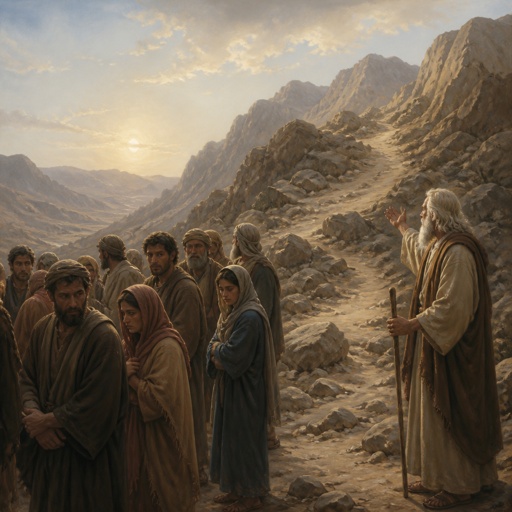
"Notwithstanding ye would not go up, but rebelled against the commandment of the LORD your God:" - Deuteronomy 1:26

Deuteronomy 11:26 - "¶ Behold, I set before you this day a blessing and a curse;"

Deuteronomy 26:6 - "And the Egyptians evil entreated us, and afflicted us, and laid upon us hard bondage:"

Deuteronomy 27:26 - "Cursed be he that confirmeth not all the words of this law to do them. And all the people shall say, Amen."

Deuteronomy 2:26 - "¶ And I sent messengers out of the wilderness of Kedemoth unto Sihon king of Heshbon with words of peace, saying,"

Deuteronomy 26:9 - "And he hath brought us into this place, and hath given us this land, even a land that floweth with milk and honey."

Deuteronomy 26:8 - "And the LORD brought us forth out of Egypt with a mighty hand, and with an outstretched arm, and with great terribleness, and with signs, and with wonders:"

Deuteronomy 26:4 - "And the priest shall take the basket out of thine hand, and set it down before the altar of the LORD thy God."

Deuteronomy 31:26 - "Take this book of the law, and put it in the side of the ark of the covenant of the LORD your God, that it may be there for a witness against thee."

Deuteronomy 33:26 - "¶ There is none like unto the God of Jeshurun, who rideth upon the heaven in thy help, and in his excellency on the sky."

Deuteronomy 5:26 - "For who is there of all flesh, that hath heard the voice of the living God speaking out of the midst of the fire, as we have, and lived?"

Deuteronomy 29:26 - "For they went and served other gods, and worshipped them, gods whom they knew not, and whom he had not given unto them:"

Deuteronomy 28:26 - "And thy carcase shall be meat unto all fowls of the air, and unto the beasts of the earth, and no man shall fray them away."

Deuteronomy 32:26 - "I said, I would scatter them into corners, I would make the remembrance of them to cease from among men:"

Deuteronomy 26:18 - "And the LORD hath avouched thee this day to be his peculiar people, as he hath promised thee, and that thou shouldest keep all his commandments;"
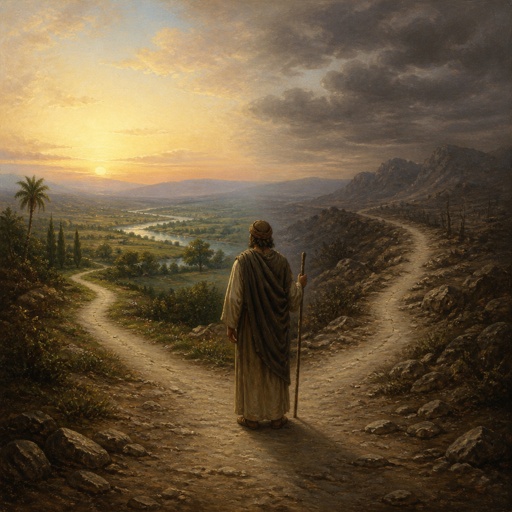
"¶ Behold, I set before you this day a blessing and a curse;" - Deuteronomy 11:26

Deuteronomy 26:7 - "And when we cried unto the LORD God of our fathers, the LORD heard our voice, and looked on our affliction, and our labour, and our oppression:"

Deuteronomy 12:26 - "Only thy holy things which thou hast, and thy vows, thou shalt take, and go unto the place which the LORD shall choose:"

Deuteronomy 3:26 - "But the LORD was wroth with me for your sakes, and would not hear me: and the LORD said unto me, Let it suffice thee; speak no more unto me of this matter."

Deuteronomy 22:26 - "But unto the damsel thou shalt do nothing; there is in the damsel no sin worthy of death: for as when a man riseth against his neighbour, and slayeth him, even so is this matter:"

Deuteronomy 26:17 - "Thou hast avouched the LORD this day to be thy God, and to walk in his ways, and to keep his statutes, and his commandments, and his judgments, and to hearken unto his voice:"

Deuteronomy 26:11 - "And thou shalt rejoice in every good thing which the LORD thy God hath given unto thee, and unto thine house, thou, and the Levite, and the stranger that is among you."

Deuteronomy 26:16 - "¶ This day the LORD thy God hath commanded thee to do these statutes and judgments: thou shalt therefore keep and do them with all thine heart, and with all thy soul."

Deuteronomy 7:26 - "Neither shalt thou bring an abomination into thine house, lest thou be a cursed thing like it: but thou shalt utterly detest it, and thou shalt utterly abhor it; for it is a cursed thing."

Pro 1:26