What does Deuteronomy 26:7 mean?
“And when we cried unto the LORD God of our fathers, the LORD heard our voice, and looked on our affliction, and our labour, and our oppression:” — Deuteronomy 26:7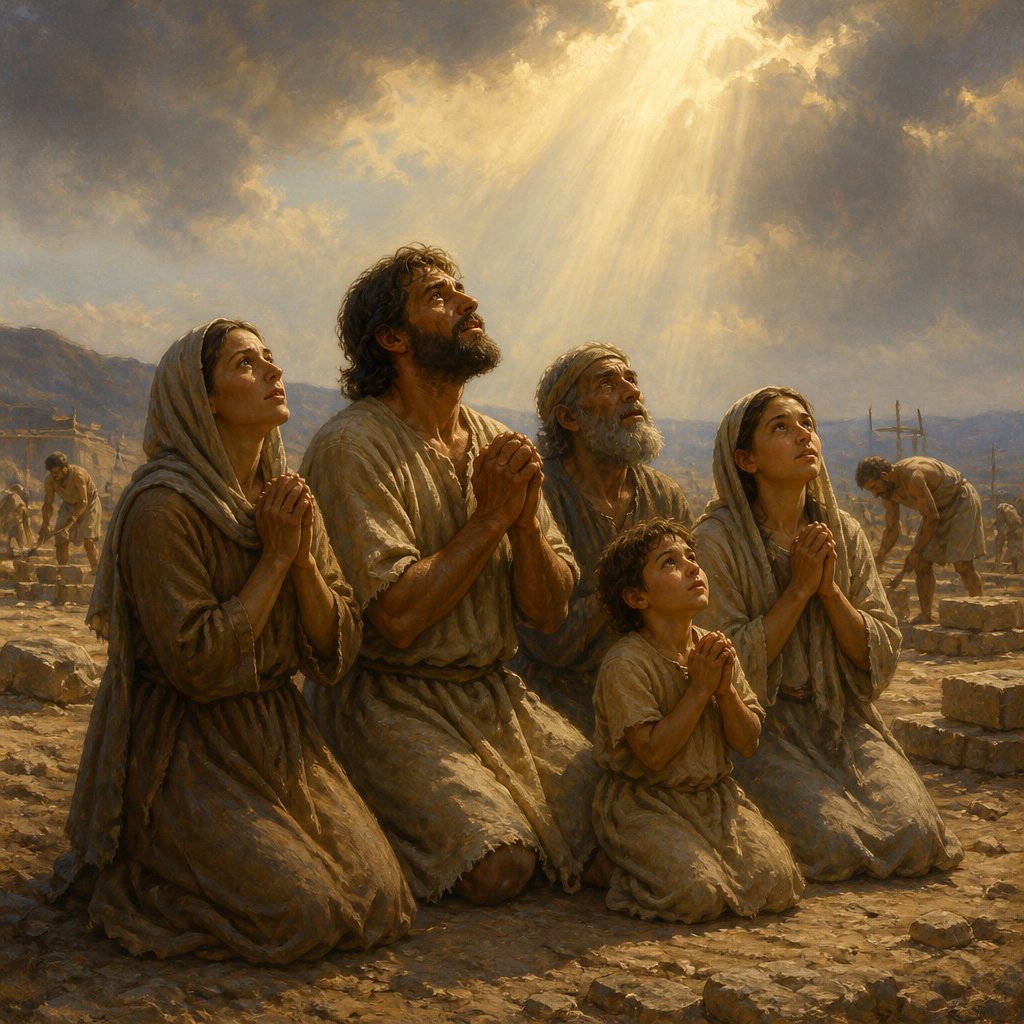
Deuteronomy 26:7 (KJV) states, "And when we cried unto the Lord God of our fathers, the Lord heard our voice, and looked on our affliction, and our labour, and our oppression."
This verse comes from the book of Deuteronomy, which is the fifth book of the Old Testament and part of the Torah, the first five books of the Bible. It is a book that contains the words of Moses, who spoke to the Israelites just before they entered the Promised Land. In this particular verse, the Israelites are being reminded to give thanks to God for delivering them from the oppression they experienced in Egypt.
The theme of this verse is gratitude and remembrance of God's faithfulness. The Israelites are being instructed to recall their history and acknowledge God's intervention in their lives. They are called to remember the time when they were oppressed and cried out to the Lord, and He heard their cries and saw their affliction. This verse serves as a reminder to the Israelites of God's compassion and mercy towards them, and their responsibility to acknowledge and give thanks for His deliverance.
Contextually, this verse is part of a larger passage in which Moses instructs the Israelites on the offering of firstfruits and tithes. He reminds them that the land they are about to inherit is a gift from God, and therefore they should show their gratitude by offering the firstfruits of their produce as a token of thanksgiving. The verse is included in a portion of the text that emphasizes the importance of remembering God's faithfulness in the past and expressing gratitude in the present through acts of worship and obedience.
The symbolism in this verse lies in the imagery of God hearing the cries of His people and seeing their affliction, labor, and oppression. It symbolizes God's attentiveness to the suffering of His people and His willingness to intervene on their behalf. The Israelites' cries represent the universal human experience of suffering and the longing for deliverance, while God's response reflects His compassion and justice.
Furthermore, the verse can be seen as a foreshadowing of the larger narrative of redemption and deliverance found throughout the Bible. The Israelites' deliverance from Egypt is a precursor to the ultimate liberation offered through Jesus Christ. Just as God heard the cries of the Israelites and delivered them from bondage, so too does He hear the cries of humanity and offers redemption through His Son.
In conclusion, Deuteronomy 26:7 (KJV) is a powerful reminder of God's faithfulness and compassion towards His people. It calls for a posture of gratitude and remembrance for the ways in which God has intervened and delivered us from oppression. It also serves as a foreshadowing of the ultimate deliverance offered through Jesus Christ. This verse challenges believers to reflect on God's intervention in their lives and to offer thanks and praise for His faithfulness.
Get our apps


Artwork for Deuteronomy 26:7

Deuteronomy 26:7 - "And when we cried unto the LORD God of our fathers, the LORD heard our voice, and looked on our affliction, and our labour, and our oppression:"
"And when we cried unto the LORD God of our fathers, the LORD heard our voice, and looked on our affliction, and our labour, and our oppression:" - Deuteronomy 26:7

Deuteronomy 7:26 - "Neither shalt thou bring an abomination into thine house, lest thou be a cursed thing like it: but thou shalt utterly detest it, and thou shalt utterly abhor it; for it is a cursed thing."

Deuteronomy 26:4-10

Deuteronomy 26:4-10

Deuteronomy 11:26 - "¶ Behold, I set before you this day a blessing and a curse;"

Deuteronomy 26:6 - "And the Egyptians evil entreated us, and afflicted us, and laid upon us hard bondage:"

Deuteronomy 1:26 - "Notwithstanding ye would not go up, but rebelled against the commandment of the LORD your God:"

Proverbs 7:26

Deuteronomy 27:26 - "Cursed be he that confirmeth not all the words of this law to do them. And all the people shall say, Amen."

Deuteronomy 2:26 - "¶ And I sent messengers out of the wilderness of Kedemoth unto Sihon king of Heshbon with words of peace, saying,"

Deuteronomy 26:9 - "And he hath brought us into this place, and hath given us this land, even a land that floweth with milk and honey."

Deuteronomy 26:8 - "And the LORD brought us forth out of Egypt with a mighty hand, and with an outstretched arm, and with great terribleness, and with signs, and with wonders:"

Deuteronomy 26:4 - "And the priest shall take the basket out of thine hand, and set it down before the altar of the LORD thy God."

Deuteronomy 31:26 - "Take this book of the law, and put it in the side of the ark of the covenant of the LORD your God, that it may be there for a witness against thee."

Deuteronomy 33:26 - "¶ There is none like unto the God of Jeshurun, who rideth upon the heaven in thy help, and in his excellency on the sky."

Deuteronomy 5:26 - "For who is there of all flesh, that hath heard the voice of the living God speaking out of the midst of the fire, as we have, and lived?"

Deuteronomy 29:26 - "For they went and served other gods, and worshipped them, gods whom they knew not, and whom he had not given unto them:"

Proverbs 7:26-27

Deuteronomy 28:26 - "And thy carcase shall be meat unto all fowls of the air, and unto the beasts of the earth, and no man shall fray them away."

Deuteronomy 32:26 - "I said, I would scatter them into corners, I would make the remembrance of them to cease from among men:"

Deuteronomy 26:1 - "And it shall be, when thou art come in unto the land which the LORD thy God giveth thee for an inheritance, and possessest it, and dwellest therein;"
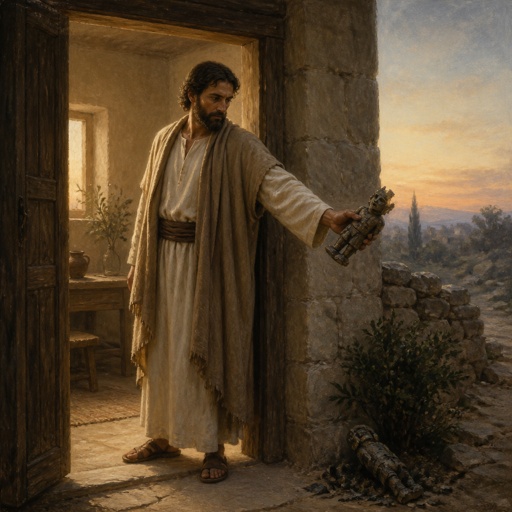
"Neither shalt thou bring an abomination into thine house, lest thou be a cursed thing like it: but thou shalt utterly detest it, and thou shalt utterly abhor it; for it is a cursed thing." - Deuteronomy 7:26

Deuteronomy 3:7 - "But all the cattle, and the spoil of the cities, we took for a prey to ourselves."

Deuteronomy 5:7 - "Thou shalt have none other gods before me."

Deuteronomy 26:18 - "And the LORD hath avouched thee this day to be his peculiar people, as he hath promised thee, and that thou shouldest keep all his commandments;"
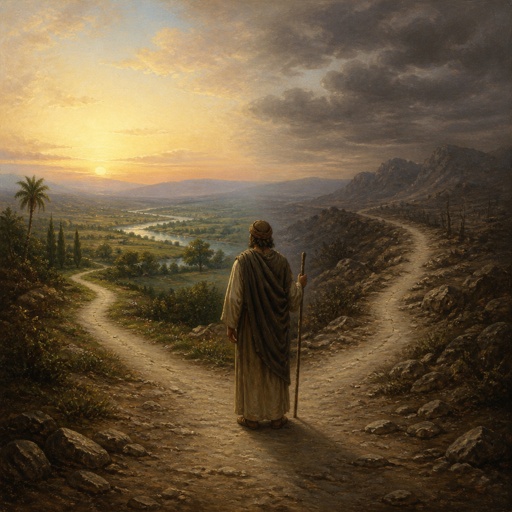
"¶ Behold, I set before you this day a blessing and a curse;" - Deuteronomy 11:26

Deuteronomy 12:26 - "Only thy holy things which thou hast, and thy vows, thou shalt take, and go unto the place which the LORD shall choose:"

Nehemiah 7:26 - "The men of Beth-lehem and Netophah, an hundred fourscore and eight."

Numbers 7:26 - "One golden spoon of ten shekels, full of incense:"