What does Deuteronomy 28:40 mean?
“Thou shalt have olive trees throughout all thy coasts, but thou shalt not anoint thyself with the oil; for thine olive shall cast his fruit.” — Deuteronomy 28:40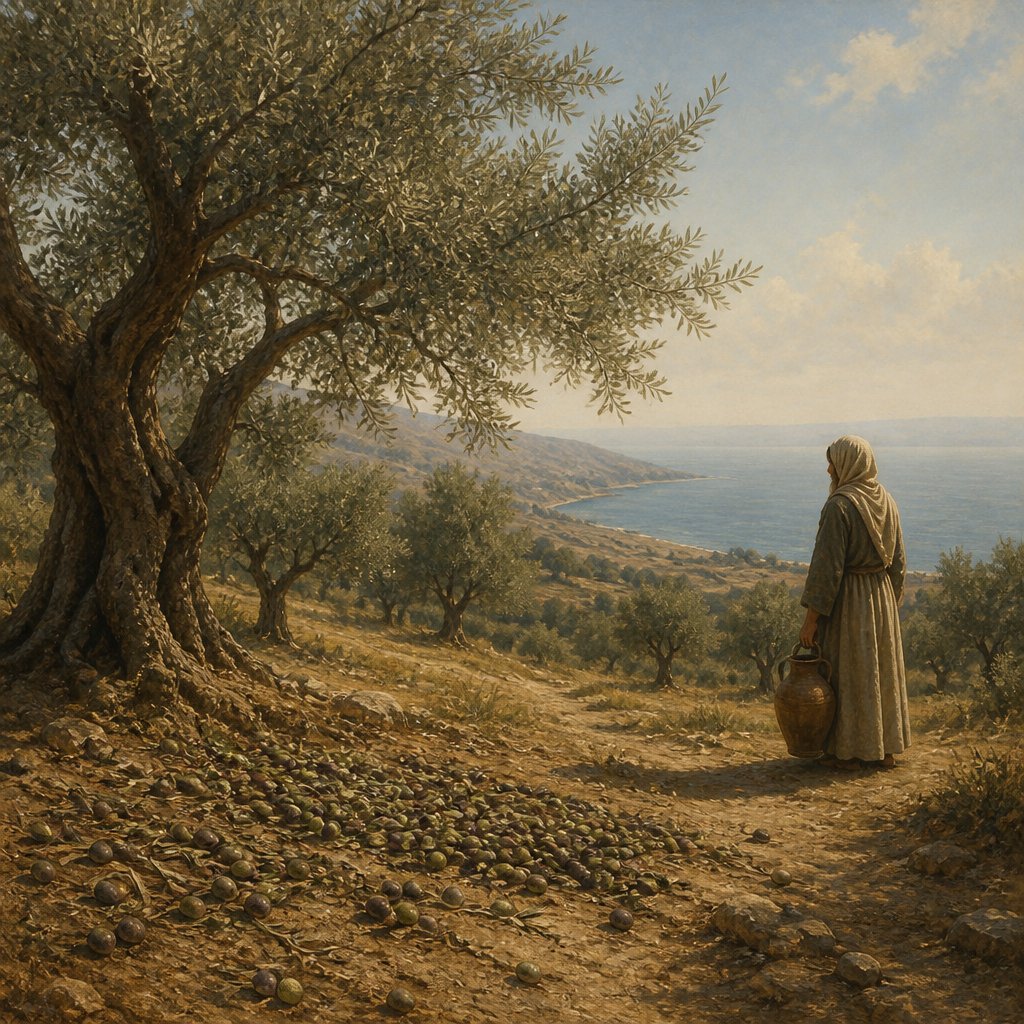
Deuteronomy 28:40 (KJV) states: "Thou shalt have olive trees throughout all thy coasts, but thou shalt not anoint thyself with the oil; for thine olive shall cast his fruit."
This verse is found in the Old Testament and is part of a larger passage known as the Blessings for Obedience and the Curses for Disobedience. In this passage, Moses delivers a message from God to the Israelites, detailing the blessings they will receive if they obey the commandments of the Lord and the curses that will befall them if they turn away from God's laws.
In the context of Deuteronomy 28:40, the verse speaks to the consequences of disobedience and the forfeiture of blessings. The imagery of having olive trees throughout one's coasts conveys prosperity and abundance, as olive trees were highly valued in ancient Israel for their oil, which was used for cooking, lighting lamps, anointing the sick, and as a symbol of healing and consecration. The presence of olive trees throughout the land signifies a bountiful harvest and the potential for wealth and prosperity. However, the verse goes on to convey a stark contrast to the expected blessings, stating that despite the abundance of olive trees, the people will not be able to benefit from the oil produced by their harvest. This is a powerful depiction of the consequences of disobedience, as the people will be denied the enjoyment of the fruits of their labor and the blessings that should have accompanied their abundance.
The theme of obedience and disobedience is central to the message of this verse. Throughout the passage in Deuteronomy 28, God emphasizes the importance of adhering to His commandments and the dire consequences of turning away from His laws. The juxtaposition of the promise of abundance with the denial of its benefits serves as a cautionary tale, warning the Israelites of the severity of the curses that will befall them if they forsake God's decrees. This theme of obedience and consequence is a recurring motif throughout the Bible, reflecting the belief in divine justice and the accountability of human actions.
Furthermore, the symbolism of the olive tree and its oil carries significant spiritual and cultural significance. In the Bible, the olive tree is often associated with peace, prosperity, and the presence of God. In the Christian tradition, the olive branch symbolizes reconciliation and the Holy Spirit, while the oil represents consecration and the anointing of individuals for divine service. Therefore, the denial of the benefits of the olive harvest represents not only material loss but also a spiritual separation from God's blessings and favor.
The historical and cultural context of this verse is also important to consider. At the time of its writing, olive trees were a vital part of the agricultural economy in ancient Israel, and the production of olive oil was essential for daily life. Thus, the imagery of abundant olive trees would have held great significance for the Israelites, representing the promise of prosperity and security in their land. The denial of the benefits of the olive harvest would have been a deeply troubling prospect, underscoring the severity of the consequences of disobedience.
In conclusion, Deuteronomy 28:40 serves as a sobering reminder of the consequences of disobedience and the forfeiture of blessings. The verse conveys a powerful message about the importance of obedience to God's commandments and the gravity of the curses that can result from turning away from His laws. The imagery of the olive trees and the denial of their benefits serves as a cautionary tale, warning the Israelites of the severe consequences of disobedience and the loss of divine favor. This verse is a poignant reflection of the theological themes of obedience, consequence, and divine justice, and its symbolic imagery holds profound spiritual and cultural significance.
Get our apps


Artwork for Deuteronomy 28:40

Deuteronomy 28:40 - "Thou shalt have olive trees throughout all thy coasts, but thou shalt not anoint thyself with the oil; for thine olive shall cast his fruit."
"Thou shalt have olive trees throughout all thy coasts, but thou shalt not anoint thyself with the oil; for thine olive shall cast his fruit." - Deuteronomy 28:40

Exodus 40:28 - "¶ And he set up the hanging at the door of the tabernacle."

Deuteronomy 28:28 - "The LORD shall smite thee with madness, and blindness, and astonishment of heart:"

Deuteronomy 32:40 - "For I lift up my hand to heaven, and say, I live for ever."

Deuteronomy 1:40 - "But as for you, turn you, and take your journey into the wilderness by the way of the Red sea."

Ezekiel 40:28 - "And he brought me to the inner court by the south gate: and he measured the south gate according to these measures;"

Deuteronomy 28:5 - "Blessed shall be thy basket and thy store."
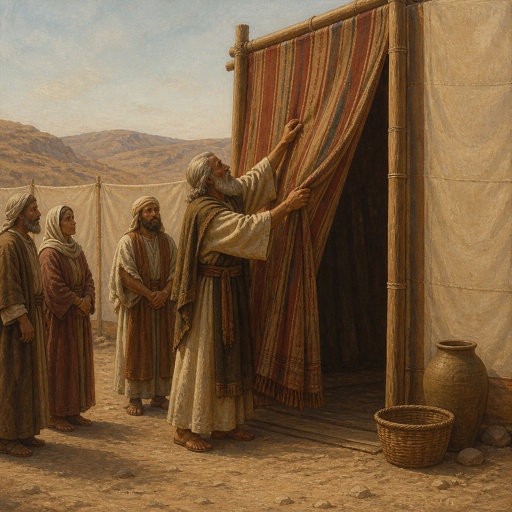
"¶ And he set up the hanging at the door of the tabernacle." - Exodus 40:28

Deuteronomy 28:17 - "Cursed shall be thy basket and thy store."

Deuteronomy 32:28 - "For they are a nation void of counsel, neither is there any understanding in them."

"The LORD shall smite thee with madness, and blindness, and astonishment of heart:" - Deuteronomy 28:28

Deuteronomy 28:16 - "Cursed shalt thou be in the city, and cursed shalt thou be in the field."

Deuteronomy 28:3 - "Blessed shalt thou be in the city, and blessed shalt thou be in the field."

Isaiah 40:28 - "¶ Hast thou not known? hast thou not heard, that the everlasting God, the LORD, the Creator of the ends of the earth, fainteth not, neither is weary? there is no searching of his understanding."

Deuteronomy 28:42 - "All thy trees and fruit of thy land shall the locust consume."

Deuteronomy 28:46 - "And they shall be upon thee for a sign and for a wonder, and upon thy seed for ever."

Exodus 28:40 - "¶ And for Aaron's sons thou shalt make coats, and thou shalt make for them girdles, and bonnets shalt thou make for them, for glory and for beauty."

Deuteronomy 28:34 - "So that thou shalt be mad for the sight of thine eyes which thou shalt see."
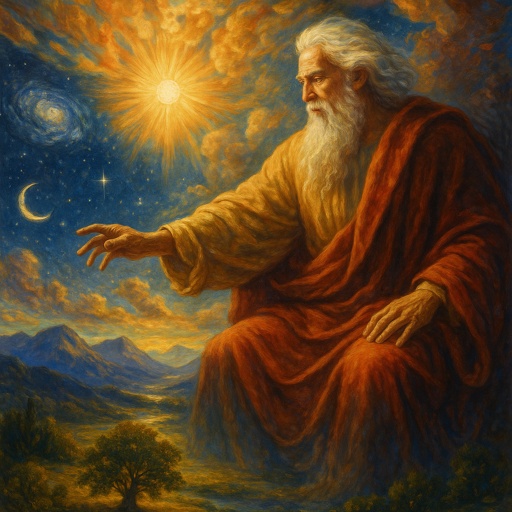
"¶ Hast thou not known? hast thou not heard, that the everlasting God, the LORD, the Creator of the ends of the earth, fainteth not, neither is weary? there is no searching of his understanding." - Isaiah 40:28

Deuteronomy 22:28 - "¶ If a man find a damsel that is a virgin, which is not betrothed, and lay hold on her, and lie with her, and they be found;"

Deuteronomy 28:27 - "The LORD will smite thee with the botch of Egypt, and with the emerods, and with the scab, and with the itch, whereof thou canst not be healed."

Deuteronomy 28:23 - "And thy heaven that is over thy head shall be brass, and the earth that is under thee shall be iron."

Deuteronomy 28:41 - "Thou shalt beget sons and daughters, but thou shalt not enjoy them; for they shall go into captivity."

Deuteronomy 28:47 - "Because thou servedst not the LORD thy God with joyfulness, and with gladness of heart, for the abundance of all things;"

Deuteronomy 28:50 - "A nation of fierce countenance, which shall not regard the person of the old, nor shew favour to the young:"

Deuteronomy 28:19 - "Cursed shalt thou be when thou comest in, and cursed shalt thou be when thou goest out."

"For I lift up my hand to heaven, and say, I live for ever." - Deuteronomy 32:40
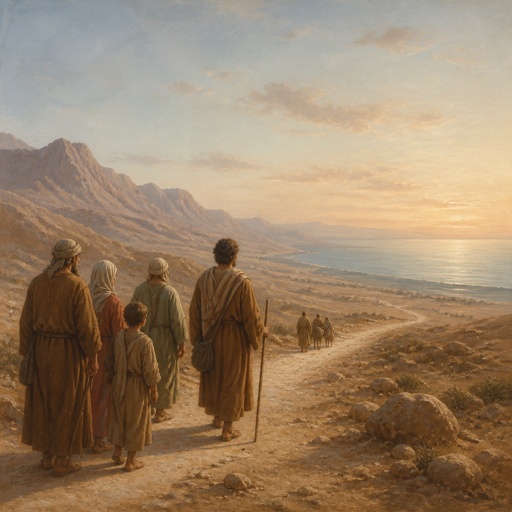
"But as for you, turn you, and take your journey into the wilderness by the way of the Red sea." - Deuteronomy 1:40

Deuteronomy 28:10 - "And all people of the earth shall see that thou art called by the name of the LORD; and they shall be afraid of thee."