What does Deuteronomy 2:13 mean?
“Now rise up, said I, and get you over the brook Zered. And we went over the brook Zered.” — Deuteronomy 2:13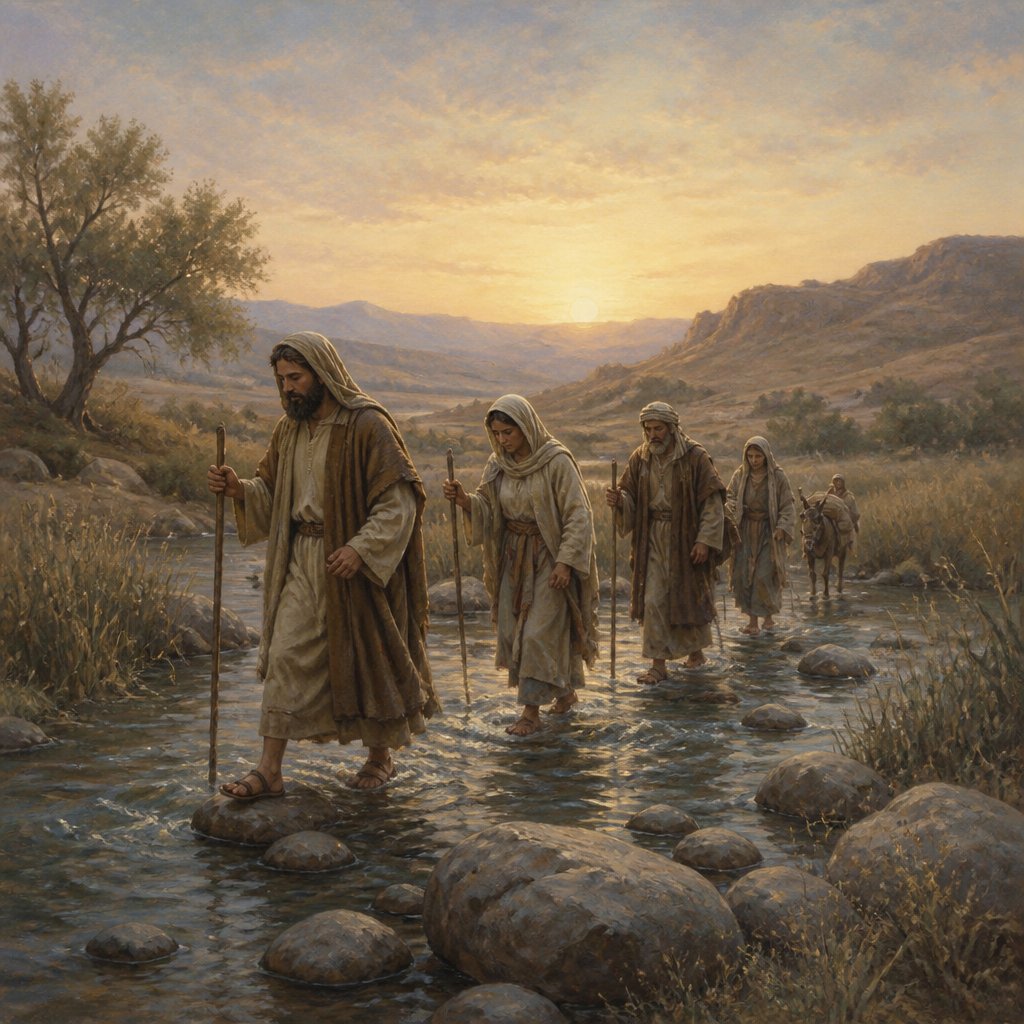
Deuteronomy 2:13 in the King James Version reads: "Now rise up, said I, and get you over the brook Zered. And we went over the brook Zered." At first glance, this verse may seem simple and straightforward, but upon deeper examination, it reveals profound themes of obedience, trust, and guidance from God.
The book of Deuteronomy is a crucial part of the Hebrew Bible, as it contains the farewell addresses of Moses to the Israelites before they enter the Promised Land. Throughout the book, Moses reminds the Israelites of their journey from slavery in Egypt to the threshold of the land flowing with milk and honey. In Deuteronomy 2:13, Moses recounts a specific moment in their journey when they were instructed to "rise up" and cross the brook Zered.
The context of this verse is essential for understanding its significance. The Israelites had been wandering in the wilderness for 40 years, waiting for a generation of disobedient and faithless Israelites to pass away before they could enter the Promised Land. During this time, God provided for their every need, guiding them with a pillar of cloud by day and a pillar of fire by night. However, their journey was not without challenges and trials. They faced hunger, thirst, enemies, and their own rebelliousness. In the midst of these hardships, God remained faithful and continued to lead them towards their ultimate destination.
In the verse, the command to "rise up" encapsulates the idea of moving forward, of taking action in obedience to God's direction. This directive is not merely a physical movement across a geographical feature, but a metaphor for the Israelites to step into the next phase of their journey, both physically and spiritually. It signifies a call to leave behind their comfort zones, doubts, and fears, and to trust in the guidance and provision of God. It is an invitation for the Israelites to actively participate in their own deliverance and fulfillment of God's promises.
The brook Zered, mentioned in the verse, symbolizes a boundary or a threshold that the Israelites needed to cross. Crossing it is a tangible act of faith and obedience, as it marks the transition from one stage of their journey to the next. It represents a turning point in their relationship with God, as they continue to follow His leading and trust in His faithfulness.
Indeed, the brook Zered can serve as a powerful symbol for the challenges and obstacles we face in our own lives. Just as the Israelites had to cross the brook Zered to move forward, we too must confront the barriers that stand in the way of our spiritual growth and personal development. These obstacles may come in various forms, such as doubts, fears, sins, or external adversities. However, by heeding the command to "rise up" and crossing our own brook Zered, we demonstrate our willingness to trust in God's guidance and to move forward in obedience to His will.
The verse also reflects the enduring nature of God's promises and His faithfulness to fulfill them. Despite the Israelites' failures and shortcomings, God remained steadfast in His commitment to lead them to the Promised Land. Similarly, in our own lives, we can take comfort in the assurance that God will never abandon us and that He will guide us through every trial and tribulation we face.
In conclusion, Deuteronomy 2:13 carries profound significance and timeless truths for believers. It challenges us to rise up in obedience and faith, to confront the obstacles in our path, and to trust in God's unfailing guidance and provision. The verse serves as a reminder of God's faithfulness, His enduring promises, and His invitation for us to actively participate in the fulfillment of His plans for our lives. As we heed the call to "rise up" and cross our brook Zered, may we find the strength and courage to move forward in our journey of faith, knowing that God is always with us and will lead us towards our ultimate destination.
Get our apps


Artwork for Deuteronomy 2:13

Deuteronomy 2:13 - "Now rise up, said I, and get you over the brook Zered. And we went over the brook Zered."
"Now rise up, said I, and get you over the brook Zered. And we went over the brook Zered." - Deuteronomy 2:13
Deuteronomy 13:2 - "And the sign or the wonder come to pass, whereof he spake unto thee, saying, Let us go after other gods, which thou hast not known, and let us serve them;"

Deuteronomy 14:13 - "And the glede, and the kite, and the vulture after his kind,"

Deuteronomy 18:13 - "Thou shalt be perfect with the LORD thy God."

Deuteronomy 17:13 - "And all the people shall hear, and fear, and do no more presumptuously."

Deuteronomy 25:13 - "¶ Thou shalt not have in thy bag divers weights, a great and a small."

Deuteronomy 5:13 - "Six days thou shalt labour, and do all thy work:"

Deuteronomy 22:13 - "¶ If any man take a wife, and go in unto her, and hate her,"

Deuteronomy 13:1 - "If there arise among you a prophet, or a dreamer of dreams, and giveth thee a sign or a wonder,"

Deuteronomy 2:2 - "And the LORD spake unto me, saying,"

Deuteronomy 6:13 - "Thou shalt fear the LORD thy God, and serve him, and shalt swear by his name."

Deuteronomy 13:11 - "And all Israel shall hear, and fear, and shall do no more any such wickedness as this is among you."

Deuteronomy 27:13 - "And these shall stand upon mount Ebal to curse; Reuben, Gad, and Asher, and Zebulun, Dan, and Naphtali."

Deuteronomy 12:13 - "Take heed to thyself that thou offer not thy burnt offerings in every place that thou seest:"

Deuteronomy 10:13 - "To keep the commandments of the LORD, and his statutes, which I command thee this day for thy good?"

Deuteronomy 13:13 - "Certain men, the children of Belial, are gone out from among you, and have withdrawn the inhabitants of their city, saying, Let us go and serve other gods, which ye have not known;"
Deuteronomy 9:13 - "Furthermore the LORD spake unto me, saying, I have seen this people, and, behold, it is a stiffnecked people:"

Deuteronomy 33:13 - "¶ And of Joseph he said, Blessed of the LORD be his land, for the precious things of heaven, for the dew, and for the deep that coucheth beneath,"
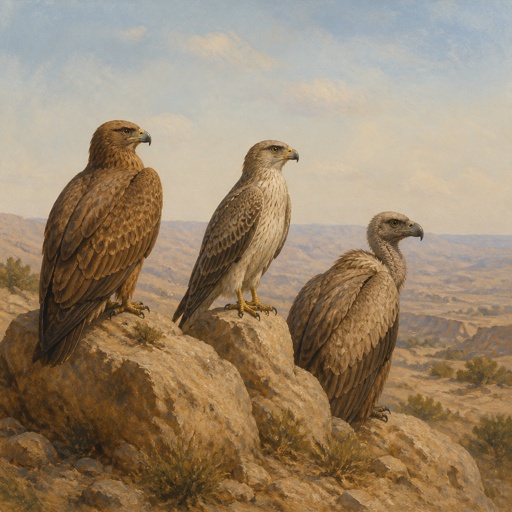
"And the glede, and the kite, and the vulture after his kind," - Deuteronomy 14:13

"Thou shalt be perfect with the LORD thy God." - Deuteronomy 18:13

Deuteronomy 1:13 - "Take you wise men, and understanding, and known among your tribes, and I will make them rulers over you."

Deuteronomy 13:14 - "Then shalt thou enquire, and make search, and ask diligently; and, behold, if it be truth, and the thing certain, that such abomination is wrought among you;"

Deuteronomy 8:13 - "And when thy herds and thy flocks multiply, and thy silver and thy gold is multiplied, and all that thou hast is multiplied;"

Deuteronomy 16:13 - "¶ Thou shalt observe the feast of tabernacles seven days, after that thou hast gathered in thy corn and thy wine:"

Deuteronomy 15:13 - "And when thou sendest him out free from thee, thou shalt not let him go away empty:"

Deuteronomy 2:17 - "That the LORD spake unto me, saying,"

Deuteronomy 13:12 - "¶ If thou shalt hear say in one of thy cities, which the LORD thy God hath given thee to dwell there, saying,"

Deuteronomy 19:13 - "Thine eye shall not pity him, but thou shalt put away the guilt of innocent blood from Israel, that it may go well with thee."
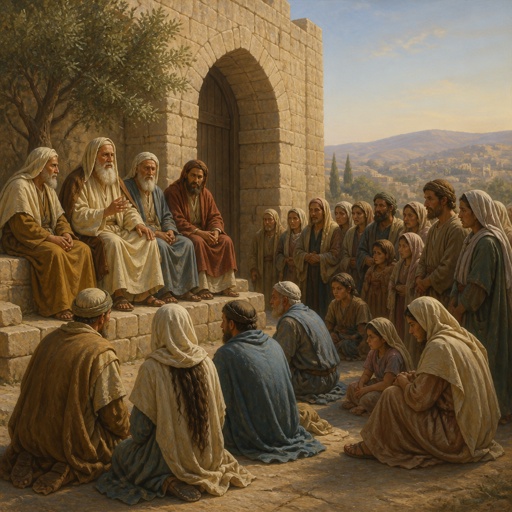
"And all the people shall hear, and fear, and do no more presumptuously." - Deuteronomy 17:13