What does Deuteronomy 3:11 mean?
“For only Og king of Bashan remained of the remnant of giants; behold, his bedstead was a bedstead of iron; is it not in Rabbath of the children of Ammon? nine cubits was the length thereof, and four cubits the breadth of it, after the cubit of a man.” — Deuteronomy 3:11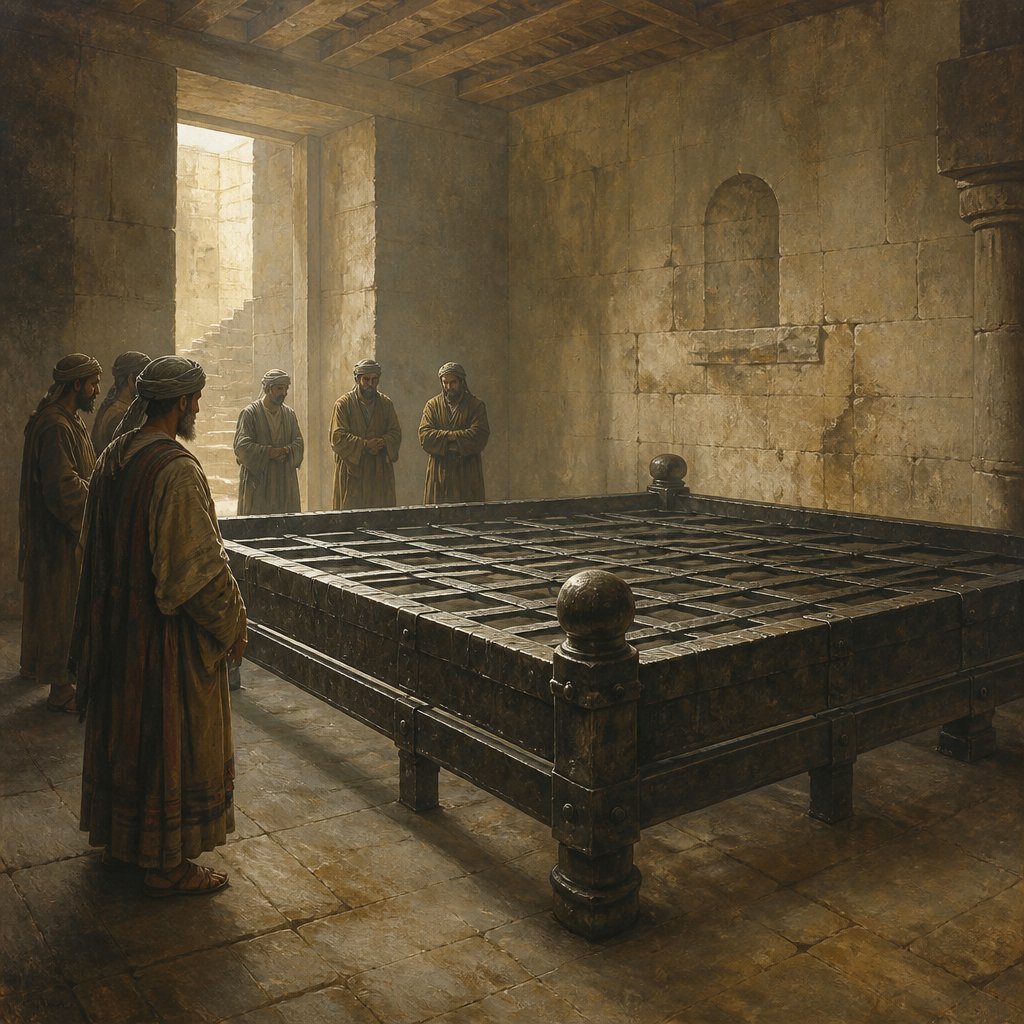
Deuteronomy 3:11 in the King James Version reads, "For only Og king of Bashan remained of the remnant of giants; behold, his bedstead was a bedstead of iron; is it not in Rabbath of the children of Ammon? Nine cubits was the length thereof, and four cubits the breadth of it, after the cubit of a man."
This verse is part of the historical account given in the book of Deuteronomy, where Moses delivers his final speech to the Israelites before they enter the Promised Land. In this particular verse, Moses reflects on the conquest of the lands of Sihon and Og, two powerful kings of the Amorites.
First, let's look at the specific details mentioned in the verse. It describes the large bedstead of Og, the king of Bashan, who was a remnant of the giants. The dimensions of the bed are given as nine cubits in length and four cubits in breadth, using the cubit of a man as the unit of measure. This description serves to emphasize the extraordinary size of Og, who was believed to be a giant. The mention of the bedstead being made of iron further emphasizes the strength and power associated with Og.
The larger context of this verse is to show the Israelites the might and power of the enemies they had defeated with God's help. The conquest of the lands of Sihon and Og was a significant achievement for the Israelites, and it demonstrated God's faithfulness in fulfilling his promises to them. The verse serves as a reminder to the Israelites of how God had delivered their enemies into their hands, even when they seemed formidable and unbeatable.
One of the themes present in this verse is the idea of God's sovereignty and his ability to overcome seemingly insurmountable obstacles. The mention of Og being a remnant of the giants highlights the prevailing belief in giant-like creatures in ancient times, and it underscores the power of God in enabling the Israelites to triumph over such formidable opponents. It serves as a testament to the Israelites that with God on their side, no enemy was too strong for them to conquer.
Furthermore, the symbolism of Og's bedstead also conveys a message of God's triumph over the powers of this world. The mention of the bed being made of iron suggests strength and durability, but even this symbol of power was no match for the God of Israel. It is a reminder to the Israelites, and to readers of the text, that no earthly power can stand against the sovereignty of God.
The historical context of this verse is also important to consider. The book of Deuteronomy was delivered to the Israelites as they prepared to enter the Promised Land, and it served as a reminder of their journey and the faithfulness of God throughout their history. The conquest of the lands of Sihon and Og was a significant part of their history, and this verse serves to memorialize that event and the power of God in enabling their victory.
In conclusion, Deuteronomy 3:11 serves as a powerful reminder of God's sovereignty, his faithfulness to his people, and his ability to overcome even the most formidable enemies. The symbolism and historical context of this verse further reinforce its significance in conveying a message of hope, strength, and trust in God's power.
Get our apps


Artwork for Deuteronomy 3:11
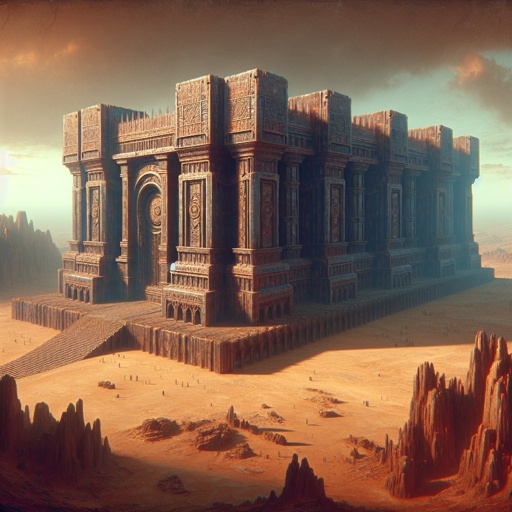
Deuteronomy 3:11 - "For only Og king of Bashan remained of the remnant of giants; behold, his bedstead was a bedstead of iron; is it not in Rabbath of the children of Ammon? nine cubits was the length thereof, and four cubits the breadth of it, after the cubit of a man."
"For only Og king of Bashan remained of the remnant of giants; behold, his bedstead was a bedstead of iron; is it not in Rabbath of the children of Ammon? nine cubits was the length thereof, and four cubits the breadth of it, after the cubit of a man." - Deuteronomy 3:11
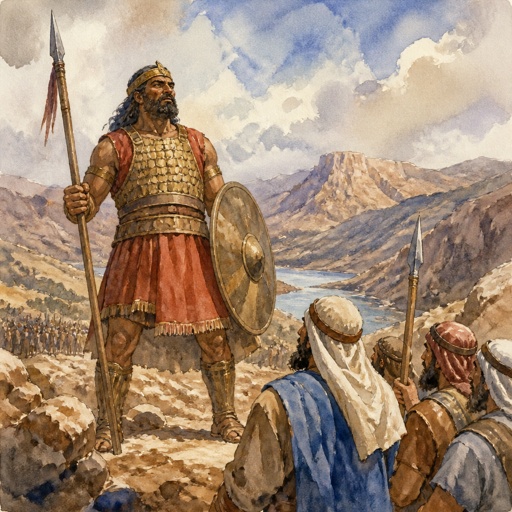
King Og Deuteronomy 3:1-11

Deuteronomy 11:3 - "And his miracles, and his acts, which he did in the midst of Egypt unto Pharaoh the king of Egypt, and unto all his land;"

Deuteronomy 11:23

Deuteronomy 11:11 - "But the land, whither ye go to possess it, is a land of hills and valleys, and drinketh water of the rain of heaven:"

Create a picture of Deuteronomy 11:20

Deuteronomy 14:11 - "¶ Of all clean birds ye shall eat."

Deuteronomy 18:11 - "Or a charmer, or a consulter with familiar spirits, or a wizard, or a necromancer."

Deuteronomy 27:11 - "¶ And Moses charged the people the same day, saying,"
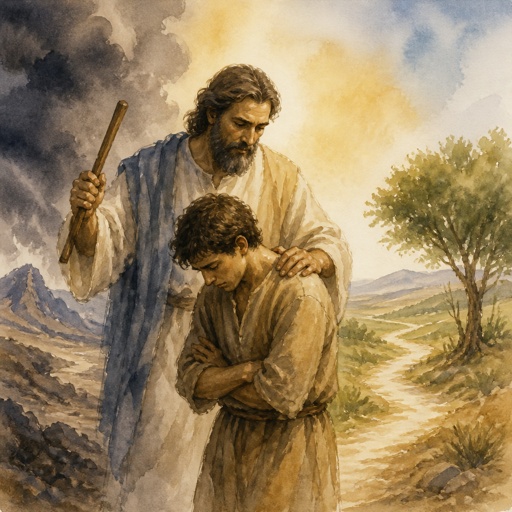
Create a graphic for Deuteronomy 11. God disciplines.
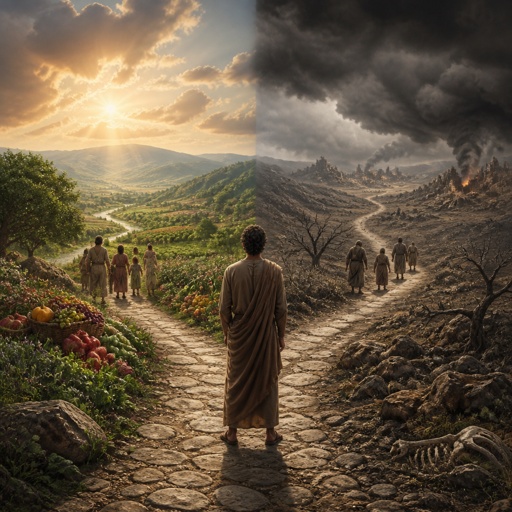
Create a graphic for Deuteronomy 11. Blessing and curse
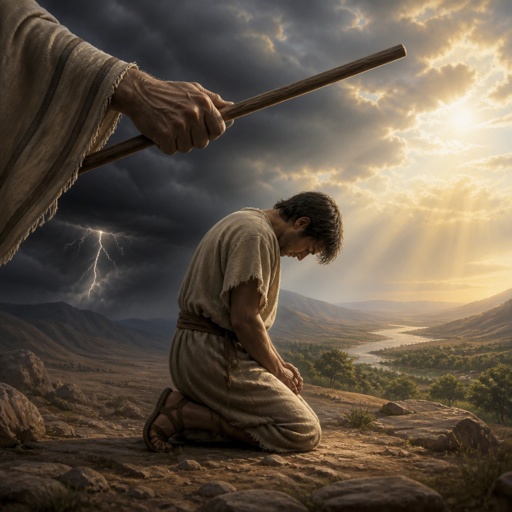
Create a graphic for Deuteronomy 11. God disciplines.
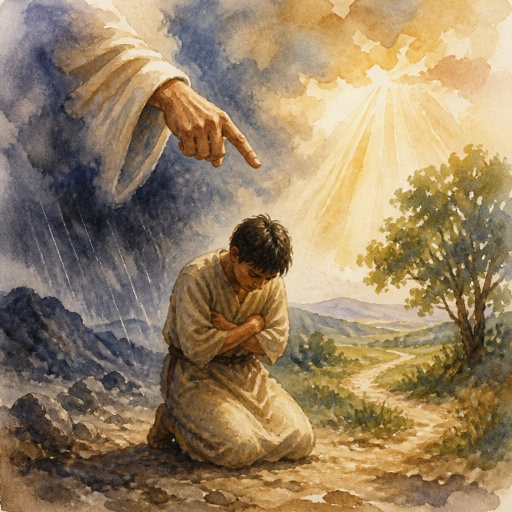
Create a graphic for Deuteronomy 11. God disciplines.

Deuteronomy 11:26 - "¶ Behold, I set before you this day a blessing and a curse;"

Deuteronomy 3:15 - "And I gave Gilead unto Machir."
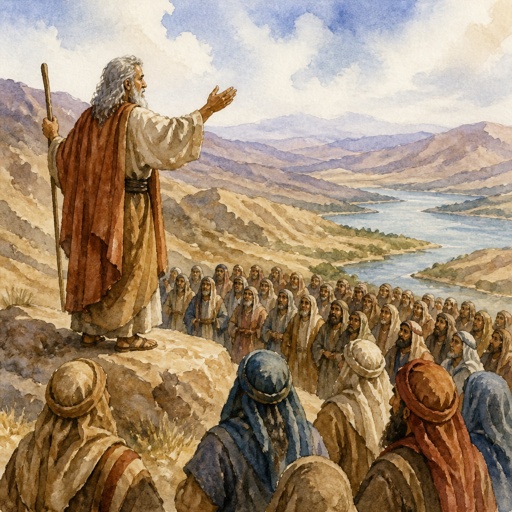
Moses addressing the people in Deuteronomy 3

Deuteronomy 3:23 - "And I besought the LORD at that time, saying,"
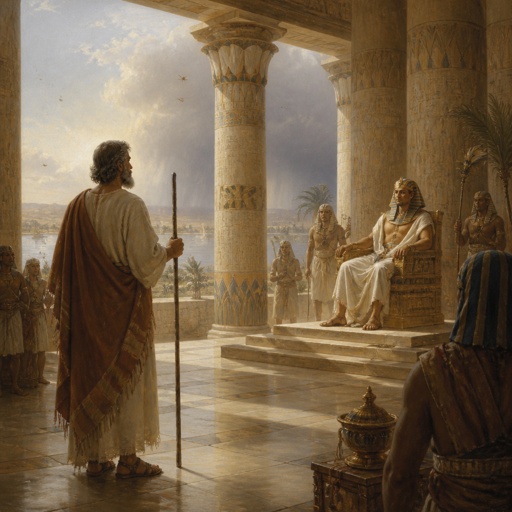
"And his miracles, and his acts, which he did in the midst of Egypt unto Pharaoh the king of Egypt, and unto all his land;" - Deuteronomy 11:3

Deuteronomy 22:11 - "¶ Thou shalt not wear a garment of divers sorts, as of woollen and linen together."

Deuteronomy 14:3 - "¶ Thou shalt not eat any abominable thing."

Deuteronomy 2:11 - "Which also were accounted giants, as the Anakims; but the Moabites call them Emims."

Deuteronomy 11:5 - "And what he did unto you in the wilderness, until ye came into this place;"

Deuteronomy 11:15 - "And I will send grass in thy fields for thy cattle, that thou mayest eat and be full."

Deuteronomy 11:7 - "But your eyes have seen all the great acts of the LORD which he did."

Deuteronomy 3:29 - "So we abode in the valley over against Beth-peor."

Deuteronomy 3:7 - "But all the cattle, and the spoil of the cities, we took for a prey to ourselves."

Deuteronomy 28:3 - "Blessed shalt thou be in the city, and blessed shalt thou be in the field."

Deuteronomy 30:11 - "¶ For this commandment which I command thee this day, it is not hidden from thee, neither is it far off."

Deuteronomy 3:9 - "(Which Hermon the Sidonians call Sirion; and the Amorites call it Shenir;)"