What does Deuteronomy 32:18 mean?
“Of the Rock that begat thee thou art unmindful, and hast forgotten God that formed thee.” — Deuteronomy 32:18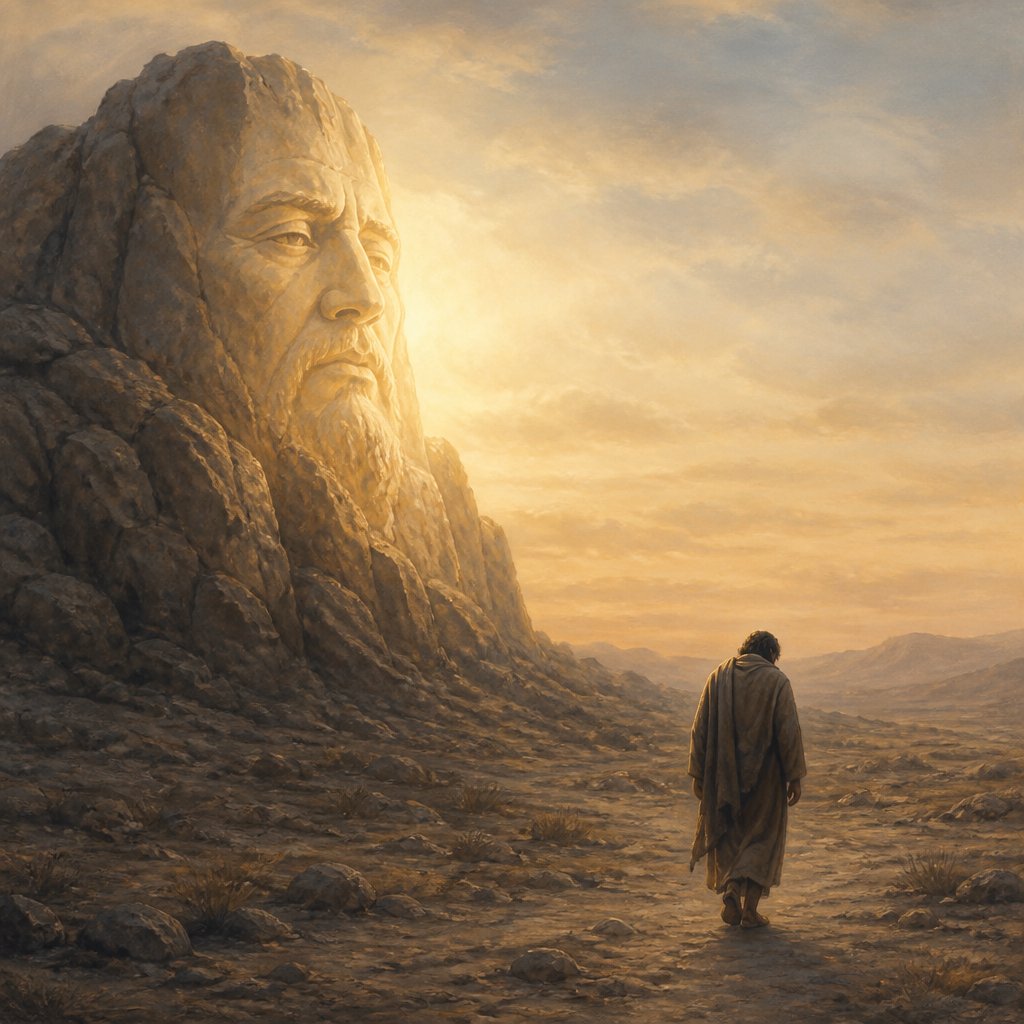
Deuteronomy 32:18 in the King James Version of the Bible reads, "Of the Rock that begat thee thou art unmindful, and hast forgotten God that formed thee."
This verse is part of a larger song or poem found in Deuteronomy 32, often referred to as the Song of Moses. The entire chapter is a reflection on the faithfulness and unfaithfulness of the Israelites, and it serves as a warning and a call to repentance.
In Deuteronomy 32:18, the image of God as a rock is used to convey a sense of stability, strength, and dependability. The Hebrew word for "Rock" used in this verse is "sûr," which is often used to describe God as a solid and unchanging foundation. Here, God is being portrayed as the One who brought the Israelites into being, who created and shaped them as a people. However, in their unfaithfulness, the Israelites have forgotten the God who gave them life and sustains them.
The theme of forgetfulness is central to this verse. The Israelites have forgotten the source of their existence, the one who brought them into being and sustained them throughout their history. This forgetfulness is not simply a mental lapse, but a deliberate turning away from God, choosing to ignore Him and His commandments. It's a rejection of their identity as God's chosen people and a refusal to acknowledge His role in their lives.
This verse also carries a sense of betrayal. By forgetting the Rock that begat them, the Israelites have betrayed their relationship with God. They have turned to other gods and idols, seeking security and fulfillment in things that are not God. This betrayal is not just a breaking of a promise or covenant, but a rejection of the very essence of their being.
The context of Deuteronomy 32:18 is important in understanding its significance. The entire song of Moses is a call to remembrance and a warning against turning away from God. Throughout the song, Moses recounts the history of the Israelites, highlighting their repeated unfaithfulness and God's enduring faithfulness. The song serves as a reminder of God's goodness, provision, and love for His people, but also as a sobering reminder of the consequences of disobedience and forgetfulness.
In addition to the themes of forgetfulness and betrayal, there is also a theme of redemption and restoration. While the Israelites have forgotten the Rock that begat them, God has not forgotten them. Throughout the song, there is an underlying promise of God's faithfulness and His desire to bring His people back into relationship with Him. This verse serves as a poignant reminder of the need for repentance and a return to God.
The symbolism of God as a Rock in this verse is significant. In the Bible, the image of a rock is often used to describe God's strength, stability, and reliability. It conveys the idea of a firm foundation, a source of security and protection. By forgetting the Rock that begat them, the Israelites have turned away from the very source of their strength and security. This symbolism reinforces the seriousness of their forgetfulness and the implications of their unfaithfulness.
In conclusion, Deuteronomy 32:18 serves as a powerful reminder of the consequences of forgetfulness and betrayal in the context of God's faithfulness and love. It calls for a reevaluation of priorities and a recommitment to God as the Rock and foundation of our lives. The verse carries a message of warning, but also of hope, as it points to the possibility of redemption and restoration through repentance and a return to God.
Get our apps


Artwork for Deuteronomy 32:18

Deuteronomy 32:18 - "Of the Rock that begat thee thou art unmindful, and hast forgotten God that formed thee."
"Of the Rock that begat thee thou art unmindful, and hast forgotten God that formed thee." - Deuteronomy 32:18

Deuteronomy 32:42

Deuteronomy 32:41

Deuteronomy 32:43

Deuteronomy 32:43

Deuteronomy 32:32 - "For their vine is of the vine of Sodom, and of the fields of Gomorrah: their grapes are grapes of gall, their clusters are bitter:"

Deuteronomy 32:33 - "Their wine is the poison of dragons, and the cruel venom of asps."

Deuteronomy 32:48 - "And the LORD spake unto Moses that selfsame day, saying,"

Deuteronomy 32:28 - "For they are a nation void of counsel, neither is there any understanding in them."

Jeremiah 32:18

Genesis 18-32

Deuteronomy 32:9 - "For the LORD'S portion is his people; Jacob is the lot of his inheritance."

Deuteronomy 32:45 - "And Moses made an end of speaking all these words to all Israel:"

Deuteronomy 1:32 - "Yet in this thing ye did not believe the LORD your God,"

Deuteronomy 32:37 - "And he shall say, Where are their gods, their rock in whom they trusted,"

Deuteronomy 32:29 - "O that they were wise, that they understood this, that they would consider their latter end!"

Deuteronomy 32:31 - "For their rock is not as our Rock, even our enemies themselves being judges."

Deuteronomy 32:12 - "So the LORD alone did lead him, and there was no strange god with him."

Deuteronomy 32:34 - "Is not this laid up in store with me, and sealed up among my treasures?"

Deuteronomy 32:16 - "They provoked him to jealousy with strange gods, with abominations provoked they him to anger."
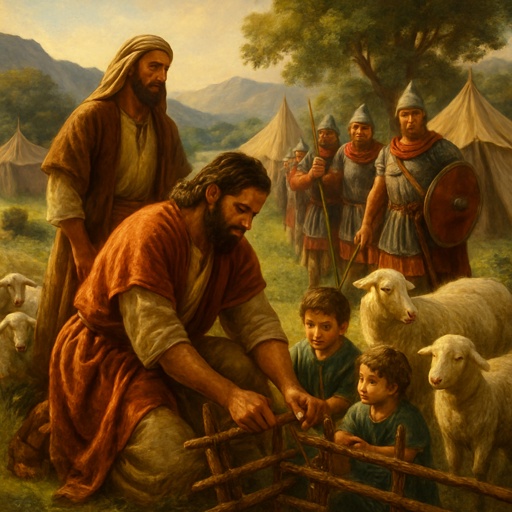
Numbers 32:16-18
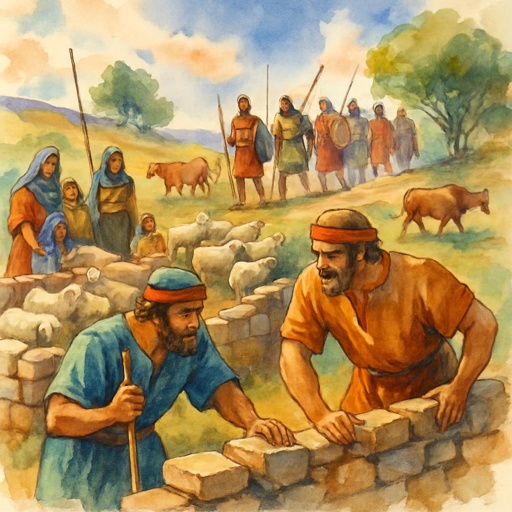
Numbers 32:16-18

Deuteronomy 32:5 - "They have corrupted themselves, their spot is not the spot of his children: they are a perverse and crooked generation."

Deuteronomy 32:40 - "For I lift up my hand to heaven, and say, I live for ever."

"For their vine is of the vine of Sodom, and of the fields of Gomorrah: their grapes are grapes of gall, their clusters are bitter:" - Deuteronomy 32:32

Deuteronomy 32:3 - "Because I will publish the name of the LORD: ascribe ye greatness unto our God."

Deuteronomy 32:23 - "I will heap mischiefs upon them; I will spend mine arrows upon them."

Deuteronomy 2:32 - "Then Sihon came out against us, he and all his people, to fight at Jahaz."

Deuteronomy 32:44 - "¶ And Moses came and spake all the words of this song in the ears of the people, he, and Hoshea the son of Nun."