What does Deuteronomy 34:8 mean?
“And the children of Israel wept for Moses in the plains of Moab thirty days: so the days of weeping and mourning for Moses were ended.” — Deuteronomy 34:8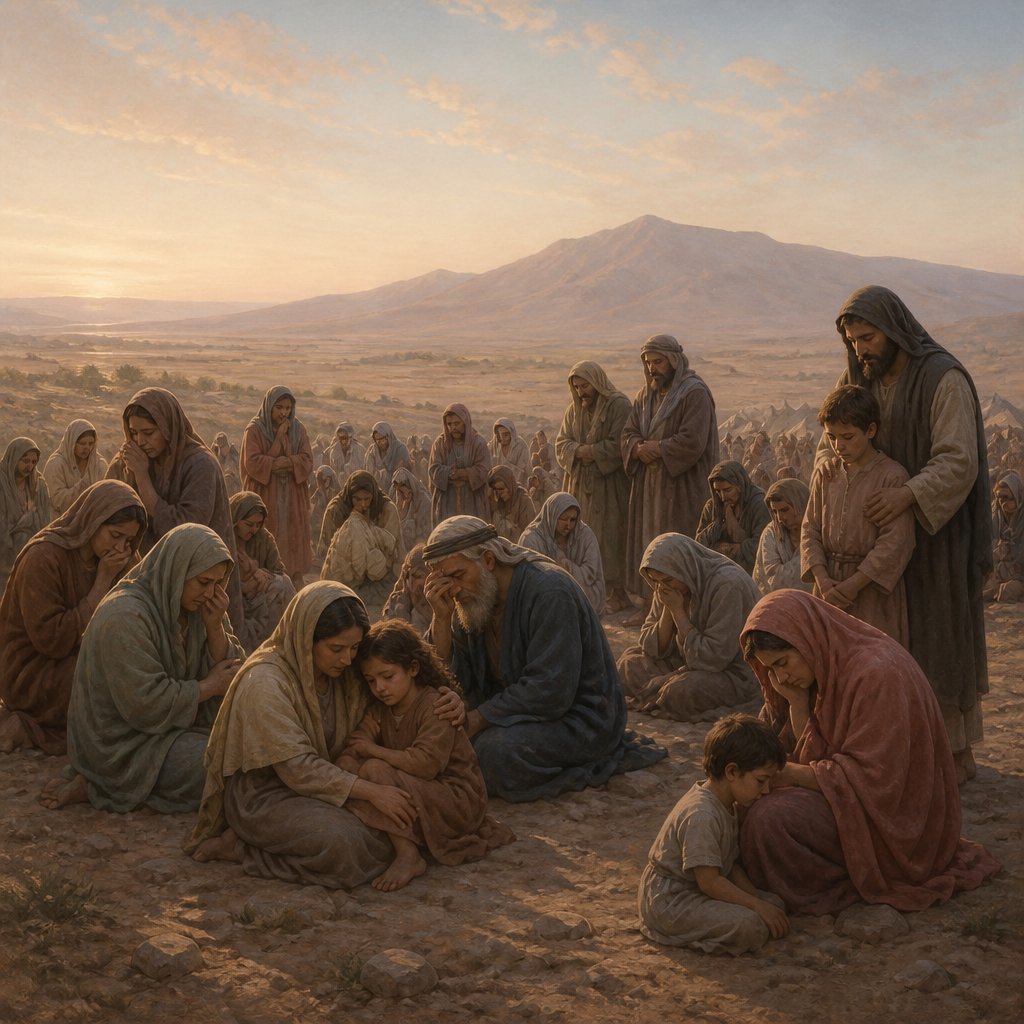
Deuteronomy 34:8 (KJV) states, "And the children of Israel wept for Moses in the plains of Moab thirty days: so the days of weeping and mourning for Moses were ended."
This verse comes at the end of the book of Deuteronomy, which is the fifth and final book of the Torah and the Pentateuch. It is a reflection on the life of Moses, the great leader and prophet of the Israelites, and his death. The verse captures the deep sorrow and mourning of the Israelites upon the passing of Moses.
The context of this verse is essential to understanding its meaning. Moses led the Israelites out of slavery in Egypt, received the Ten Commandments from God, and guided the Israelites through their wilderness wanderings. He was a central figure in the Old Testament, and his leadership was crucial in shaping the identity of the Israelite people. Moses' death marked the end of an era for the Israelites and left them in a state of mourning and uncertainty.
The theme of mourning and loss is evident in this verse. The Israelites wept for Moses for thirty days, signifying the depth of their grief and respect for their departed leader. The mourning period was a time for the Israelites to come to terms with their loss and to honor the legacy of Moses. It is a reminder that it is essential to recognize and process the emotions that come with loss, and the Israelites' mourning period serves as a model for expressing grief and paying homage to the departed.
Symbolism is also present in this verse. Moses is a symbol of leadership, guidance, and the relationship between God and His people. His passing represents the transition of leadership and the end of an era. The mourning period for Moses is a symbol of the respect and reverence that the Israelites had for their leader, as well as the significance of his legacy in shaping their identity and faith. It serves as a reminder of the impact that Moses had on the Israelites and the importance of honoring and remembering those who have influenced and shaped our lives.
In addition to the themes of mourning and loss, this verse also highlights the idea of transition and continuity. After the period of mourning, the Israelites had to move forward without Moses. It marked a new chapter in their history, and it was a time for them to reflect on their past experiences and prepare for their future. The verse serves as a reminder that even in times of grief and transition, life continues, and there is a need to move forward while honoring the past.
Deuteronomy 34:8 captures a pivotal moment in the history of the Israelites and the significance of Moses' legacy. It reflects the deep emotions of the Israelites as they mourned the loss of their leader and the end of an era. The verse also serves as a reminder of the importance of expressing grief and honoring those who have influenced and shaped our lives. Ultimately, it is a reflection on the human experience of loss, transition, and the need for continuity in the face of change.
Get our apps


Artwork for Deuteronomy 34:8

Deuteronomy 34:8 - "¶ And the children of Israel wept for Moses in the plains of Moab thirty days: so the days of weeping and mourning for Moses were ended."
"¶ And the children of Israel wept for Moses in the plains of Moab thirty days: so the days of weeping and mourning for Moses were ended." - Deuteronomy 34:8

Deuteronomy 34:5-6

Deuteronomy 34:1-4 – Moses views the Promised Land from Mount Nebo.

Deuteronomy 34:1-4 – Moses views the Promised Land from Mount Nebo.

Deuteronomy 34:1-4 – Moses views the Promised Land from Mount Nebo.

Deuteronomy 1:34 - "And the LORD heard the voice of your words, and was wroth, and sware, saying,"

Deuteronomy 34:1-4 – Moses views the Promised Land from Mount Nebo.

Deuteronomy 34:1-4 – Moses views the Promised Land from Mount Nebo.

Deuteronomy 34:3 - "And the south, and the plain of the valley of Jericho, the city of palm trees, unto Zoar."

Deuteronomy 34:1-4 – Moses views the Promised Land from Mount Nebo.

Deuteronomy 34:1-4 – Moses views the Promised Land from Mount Nebo.

Deuteronomy 32:34 - "Is not this laid up in store with me, and sealed up among my treasures?"

Deuteronomy 34:5 - "¶ So Moses the servant of the LORD died there in the land of Moab, according to the word of the LORD."

Deuteronomy 34:10 - "¶ And there arose not a prophet since in Israel like unto Moses, whom the LORD knew face to face,"

Deuteronomy 34:2 - "And all Naphtali, and the land of Ephraim, and Manasseh, and all the land of Judah, unto the utmost sea,"

Deuteronomy 28:34 - "So that thou shalt be mad for the sight of thine eyes which thou shalt see."

Deuteronomy 34:12 - "And in all that mighty hand, and in all the great terror which Moses shewed in the sight of all Israel."

Proverbs 8:34-36

Deuteronomy 34:7 - "¶ And Moses was an hundred and twenty years old when he died: his eye was not dim, nor his natural force abated."

deuteronomy 31 8

Deuteronomy 31:8

Deuteronomy 34:6 - "And he buried him in a valley in the land of Moab, over against Beth-peor: but no man knoweth of his sepulchre unto this day."

Isaiah 34:8 - "For it is the day of the LORD'S vengeance, and the year of recompences for the controversy of Zion."

Deuteronomy 34:11 - "In all the signs and the wonders, which the LORD sent him to do in the land of Egypt to Pharaoh, and to all his servants, and to all his land,"

Deuteronomy 2:34 - "And we took all his cities at that time, and utterly destroyed the men, and the women, and the little ones, of every city, we left none to remain:"

Deuteronomy 8:8 - "A land of wheat, and barley, and vines, and fig trees, and pomegranates; a land of oil olive, and honey;"
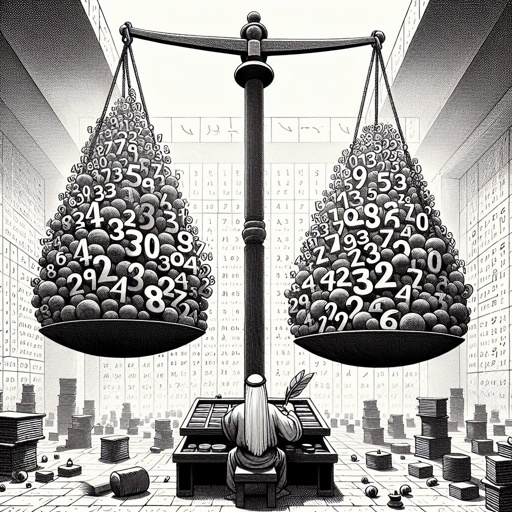
Ezra 8:34 - "By number and by weight of every one: and all the weight was written at that time."
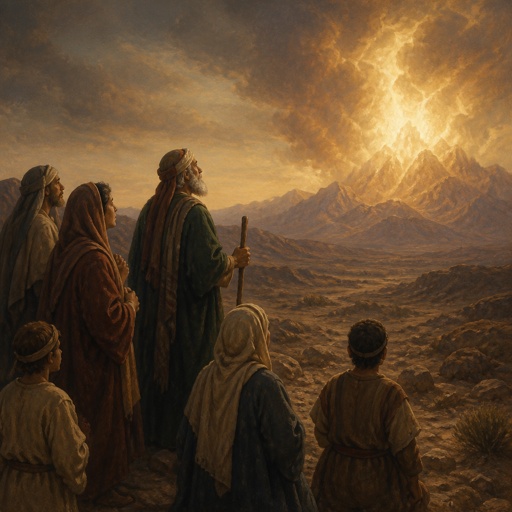
"And the LORD heard the voice of your words, and was wroth, and sware, saying," - Deuteronomy 1:34

Psalms 34:8 - "O taste and see that the LORD is good: blessed is the man that trusteth in him."