What does Deuteronomy 4:49 mean?
“And all the plain on this side Jordan eastward, even unto the sea of the plain, under the springs of Pisgah.” — Deuteronomy 4:49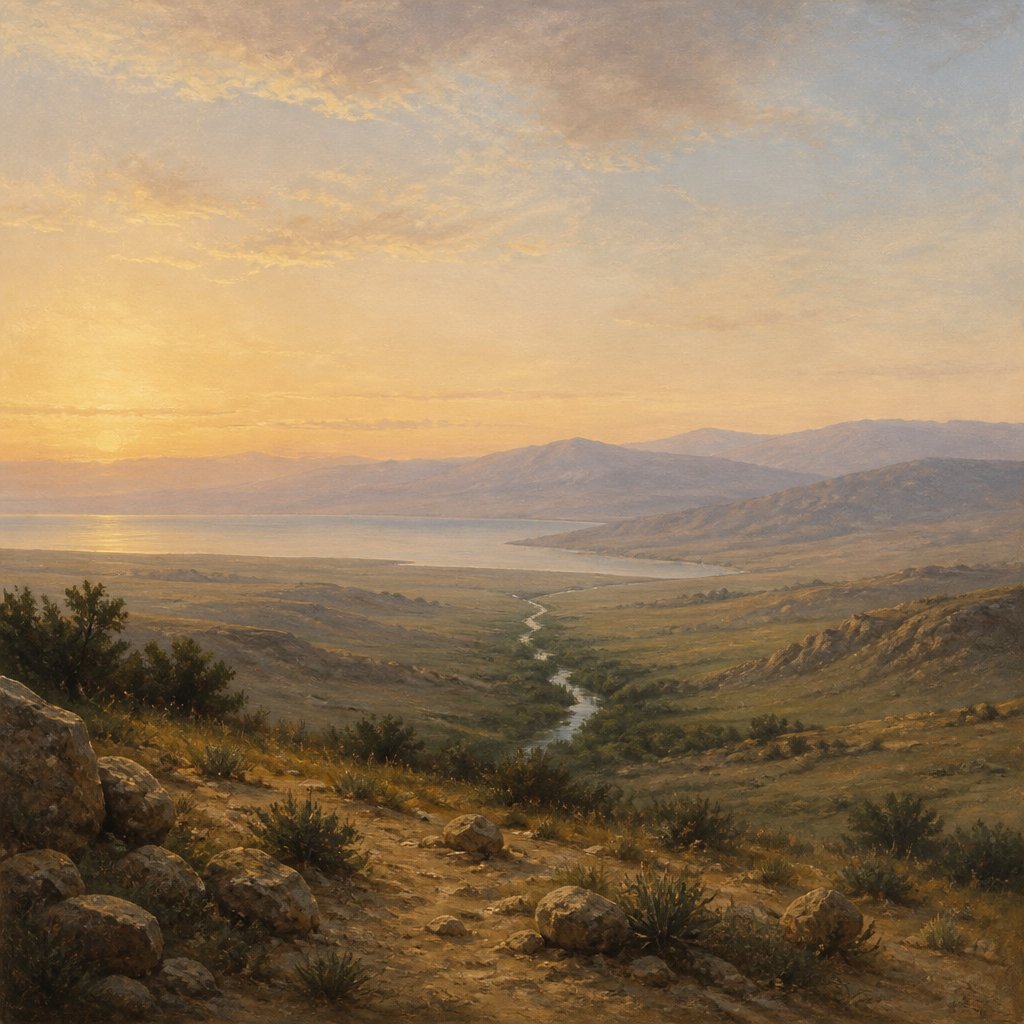
Deuteronomy 4:49 in the King James Version of the Bible reads, "And all the plain on this side Jordan eastward, even unto the sea of the plain, under the springs of Pisgah."
To fully understand the context and significance of Deuteronomy 4:49, it is important to understand the book of Deuteronomy as a whole. Deuteronomy is the fifth book of the Hebrew Bible and is part of the Pentateuch, or the first five books of the Old Testament, which are attributed to Moses. The book of Deuteronomy is essentially a series of speeches given by Moses to the Israelites as they prepare to enter the Promised Land.
In these speeches, Moses reiterates the laws and commandments given to the Israelites by God at Mount Sinai, and he also exhorts the people to remain faithful to God and to obey His commands once they enter the land. This book serves as both a historical record of the Israelites' journey and a spiritual guide for the people as they establish themselves in the land that God has promised them.
In the specific verse of Deuteronomy 4:49, the reference to the "plain on this side Jordan eastward, even unto the sea of the plain, under the springs of Pisgah" is a geographical description of the land east of the Jordan River. This location is significant because it is where Moses viewed the Promised Land before his death. Mount Pisgah is where Moses went to see the Promised Land that he was not allowed to enter due to his disobedience to God's command. This particular verse serves as a geographical marker for the land that the Israelites would soon possess, as well as a reminder of Moses' ultimate fate.
One of the key themes of Deuteronomy as a whole is the concept of obedience to God's commands and the consequences of disobedience. The verse in question serves as a reminder of Moses' own disobedience and the ultimate consequence of not being able to enter the Promised Land. It also serves as a warning to the Israelites to remain faithful and obedient to God's commands, lest they suffer similar consequences.
Another important theme in Deuteronomy is the importance of the land itself. The land of Canaan, which the Israelites are preparing to enter, is described as a land flowing with milk and honey, a bountiful and fertile land that God has promised to His people. The specific geographical details mentioned in Deuteronomy 4:49 serve to provide a sense of immediacy and tangibility to the Promised Land, driving home the significance of the territory that the Israelites are about to possess.
In addition to the geographical and historical significance, there is also symbolic importance to the verse in question. Mount Pisgah, from which Moses beheld the Promised Land, can be seen as a symbol of vision, perspective, and divine revelation. Moses, as the leader of the Israelites, serves as a guide and intermediary between the people and God. His view of the Promised Land from Mount Pisgah can be seen as a vision of hope and promise for the Israelites, as well as a reminder of the importance of faith and obedience.
In conclusion, Deuteronomy 4:49 is a verse rich in geographical, historical, and symbolic significance. It serves as a reminder of the consequences of disobedience, the importance of the Promised Land, and the visionary role of Moses as a leader and guide for the Israelites. It also underscores the overarching themes of obedience, faith, and the divine promises of God.
Get our apps


Artwork for Deuteronomy 4:49

Deuteronomy 4:49 - "And all the plain on this side Jordan eastward, even unto the sea of the plain, under the springs of Pisgah."
"And all the plain on this side Jordan eastward, even unto the sea of the plain, under the springs of Pisgah." - Deuteronomy 4:49
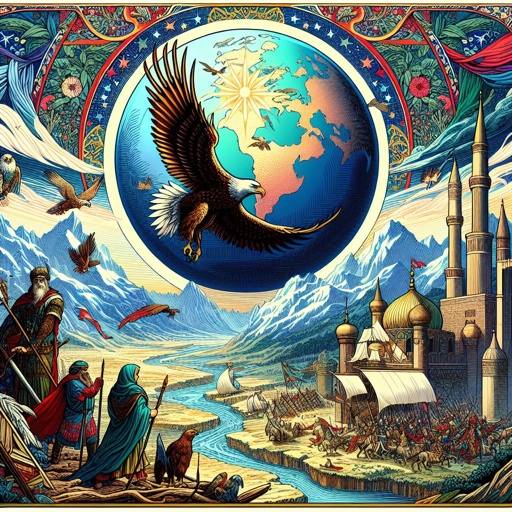
Deuteronomy 28:49 - "The LORD shall bring a nation against thee from far, from the end of the earth, as swift as the eagle flieth; a nation whose tongue thou shalt not understand;"
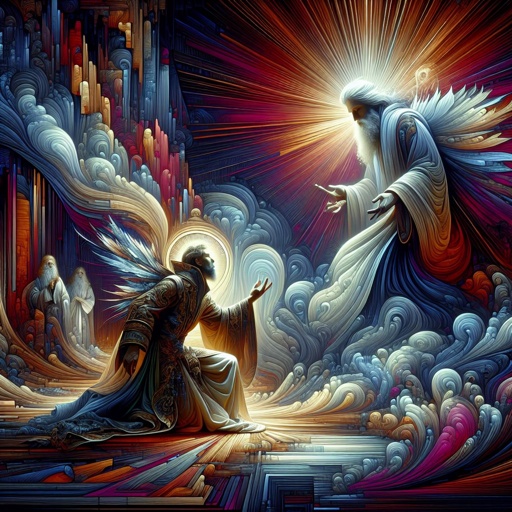
John 4:49 - "The nobleman saith unto him, Sir, come down ere my child die."

Deuteronomy 32:49 - "Get thee up into this mountain Abarim, unto mount Nebo, which is in the land of Moab, that is over against Jericho; and behold the land of Canaan, which I give unto the children of Israel for a possession:"

Psalms 49:4 - "I will incline mine ear to a parable: I will open my dark saying upon the harp."
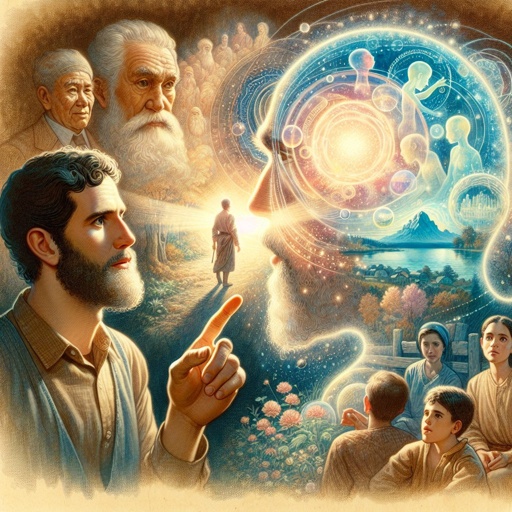
Deuteronomy 4:9 - "Only take heed to thyself, and keep thy soul diligently, lest thou forget the things which thine eyes have seen, and lest they depart from thy heart all the days of thy life: but teach them thy sons, and thy sons' sons;"

Jeremiah 49:4 - "Wherefore gloriest thou in the valleys, thy flowing valley, O backsliding daughter? that trusted in her treasures, saying, Who shall come unto me?"

Genesis 49:4 - "Unstable as water, thou shalt not excel; because thou wentest up to thy father's bed; then defiledst thou it: he went up to my couch."

Deuteronomy 26:4-10

Deuteronomy 26:4-10

Deuteronomy 4:4 - "But ye that did cleave unto the LORD your God are alive every one of you this day."
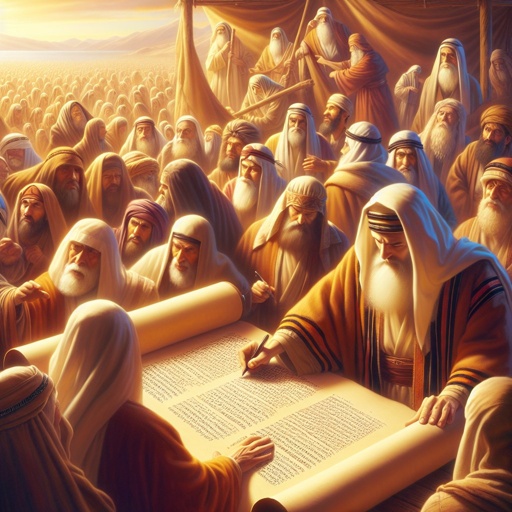
Numbers 4:49 - "According to the commandment of the LORD they were numbered by the hand of Moses, every one according to his service, and according to his burden: thus were they numbered of him, as the LORD commanded Moses."

Isaiah 49:4 - "Then I said, I have laboured in vain, I have spent my strength for nought, and in vain: yet surely my judgment is with the LORD, and my work with my God."

Deuteronomy 34:1-4 – Moses views the Promised Land from Mount Nebo.

Deuteronomy 34:1-4 – Moses views the Promised Land from Mount Nebo.

Deuteronomy 34:1-4 – Moses views the Promised Land from Mount Nebo.

Deuteronomy 4:44 - "¶ And this is the law which Moses set before the children of Israel:"
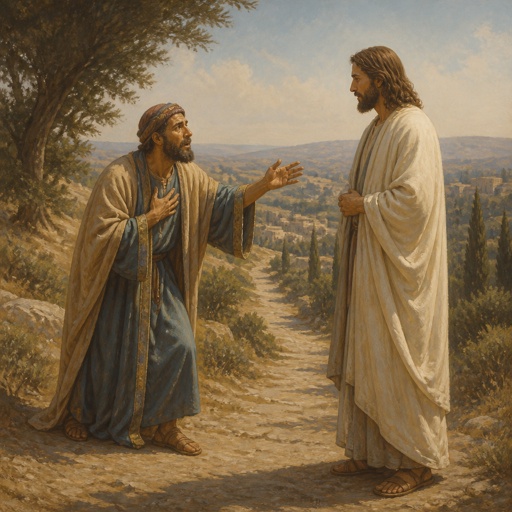
"The nobleman saith unto him, Sir, come down ere my child die." - John 4:49

Deuteronomy 12:4 - "Ye shall not do so unto the LORD your God."

Deuteronomy 33:4 - "Moses commanded us a law, even the inheritance of the congregation of Jacob."

Deuteronomy 34:1-4 – Moses views the Promised Land from Mount Nebo.

Deuteronomy 34:1-4 – Moses views the Promised Land from Mount Nebo.

Deuteronomy 6:4 - "Hear, O Israel: The LORD our God is one LORD:"

Deuteronomy 4:24 - "For the LORD thy God is a consuming fire, even a jealous God."

Deuteronomy 34:1-4 – Moses views the Promised Land from Mount Nebo.

Deuteronomy 34:1-4 – Moses views the Promised Land from Mount Nebo.

Deuteronomy 4:41 - "¶ Then Moses severed three cities on this side Jordan toward the sunrising;"

Deuteronomy 14:4 - "These are the beasts which ye shall eat: the ox, the sheep, and the goat,"

Deuteronomy 25:4 - "¶ Thou shalt not muzzle the ox when he treadeth out the corn."