What does Deuteronomy 5:1 mean?
“And Moses called all Israel, and said unto them, Hear, O Israel, the statutes and judgments which I speak in your ears this day, that ye may learn them, and keep, and do them.” — Deuteronomy 5:1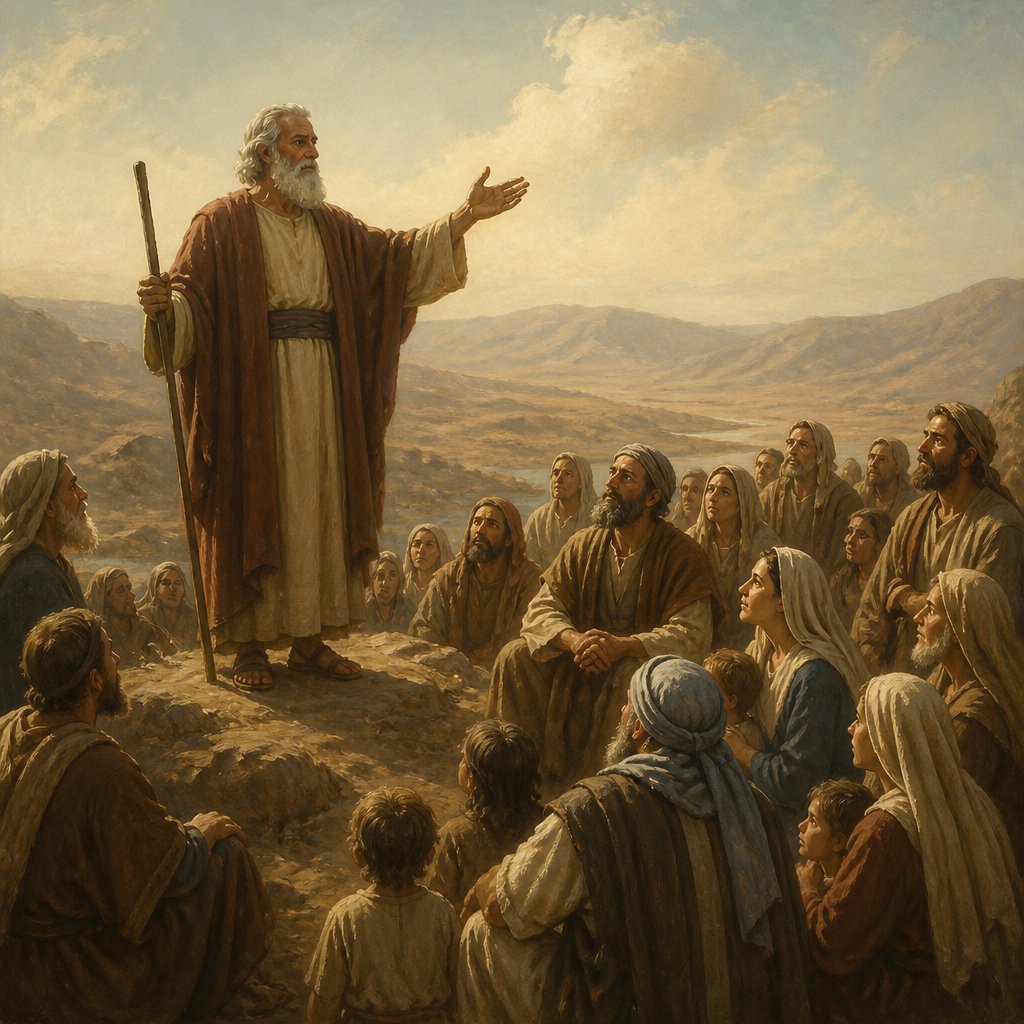
Deuteronomy 5:1 in the King James Version of the Bible reads: "And Moses called all Israel, and said unto them, Hear, O Israel, the statutes and judgments which I speak in your ears this day, that ye may learn them, and keep, and do them." This verse comes at a pivotal moment in the book of Deuteronomy, as Moses is preparing to renew the covenant between God and the Israelites before they enter the Promised Land.
The book of Deuteronomy is essentially a series of speeches that Moses delivers to the people of Israel, recapping their journey from Egypt and reminding them of the laws and commandments given to them by God. This verse captures the essence of Moses' message, as he calls upon the whole nation to listen and pay attention to the statutes and judgments that he is about to communicate to them.
The verse begins with Moses calling all of Israel, indicating that this is a universal message for the entire community. This underscores the importance of unity and collective responsibility in upholding the covenant with God. By addressing the entire nation, Moses is emphasizing the communal nature of their relationship with God and the need for everyone to be aware of and adhere to these statutes and judgments.
Moses then urges the people to "hear, O Israel," invoking the ancient Shema, the foundational declaration of faith for the Jewish people. The Shema begins with the words "Hear, O Israel: The Lord our God, the Lord is one," and emphasizes the importance of listening and obeying God's commands. By echoing this phrase, Moses is calling upon the Israelites to fully engage with the message he is about to deliver and to internalize the laws and judgments that will guide their lives.
The next part of the verse emphasizes the purpose of hearing and learning the statutes and judgments: "that ye may learn them, and keep, and do them." This highlights the interconnectedness of hearing, learning, and doing. It's not enough for the Israelites to simply hear the words of the law; they must also internalize and understand them in order to faithfully keep and observe them. This echoes the concept of "hearing with understanding" that appears throughout the Hebrew Bible, emphasizing the need for active engagement with God's commandments.
The larger context of this verse is crucial for understanding its significance. Deuteronomy is structured as a series of speeches given by Moses to the Israelites just before they are set to enter the Promised Land. The speeches serve as a reminder of the covenant that God had made with the people and the responsibilities that come with it. The people are being called to remember their past and their identity as God's chosen people, and to recommit themselves to living in accordance with God's laws.
This verse reflects the themes of obedience, covenant, and communal responsibility that run throughout the book of Deuteronomy. The call to "hear, O Israel" and the emphasis on learning, keeping, and doing the statutes and judgments underscore the importance of active engagement with the word of God. It also highlights the communal nature of the covenant, as the entire nation is called to participate in this recommitment to God's laws.
Lastly, there is symbolic significance in the act of Moses calling all of Israel to listen to the statutes and judgments. It symbolizes the role of a leader in guiding the community and reinforcing their collective identity and responsibilities. The image of the entire nation gathered to listen to Moses also serves as a powerful reminder of the communal nature of faith and the importance of unity in upholding the covenant with God.
In conclusion, Deuteronomy 5:1 captures the essence of Moses' message to the Israelites as they prepare to enter the Promised Land. It underscores the importance of active engagement with God's laws, the communal nature of the covenant, and the role of leadership in guiding the community. The verse serves as a powerful reminder of the responsibilities and commitments that come with being God's chosen people and sets the stage for the rest of the book of Deuteronomy, as Moses implores the Israelites to remain faithful to God's commandments.
Get our apps


Artwork for Deuteronomy 5:1

Deuteronomy 5:1 - "And Moses called all Israel, and said unto them, Hear, O Israel, the statutes and judgments which I speak in your ears this day, that ye may learn them, and keep, and do them."
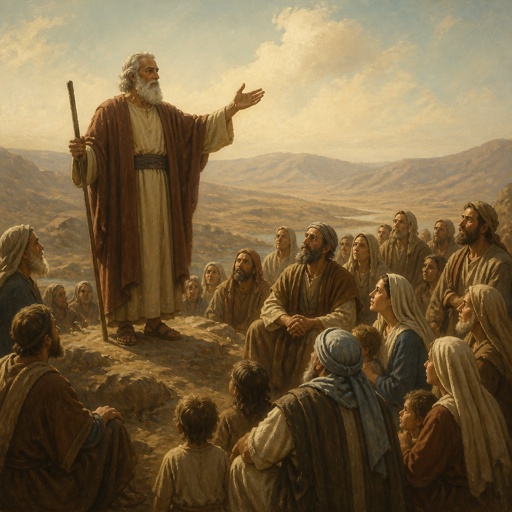
"And Moses called all Israel, and said unto them, Hear, O Israel, the statutes and judgments which I speak in your ears this day, that ye may learn them, and keep, and do them." - Deuteronomy 5:1

Deuteronomy 1:5 - "On this side Jordan, in the land of Moab, began Moses to declare this law, saying,"
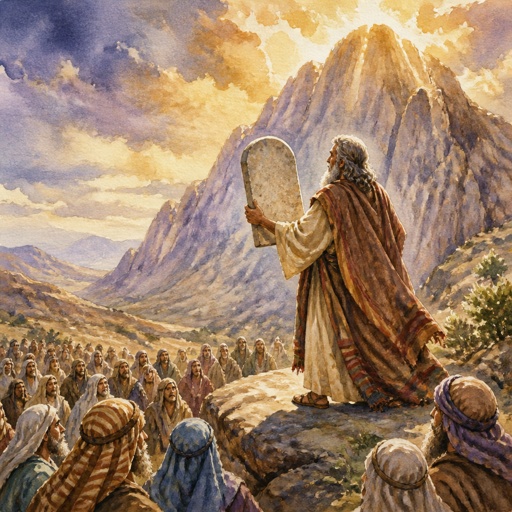
Deuteronomy 5 pictures
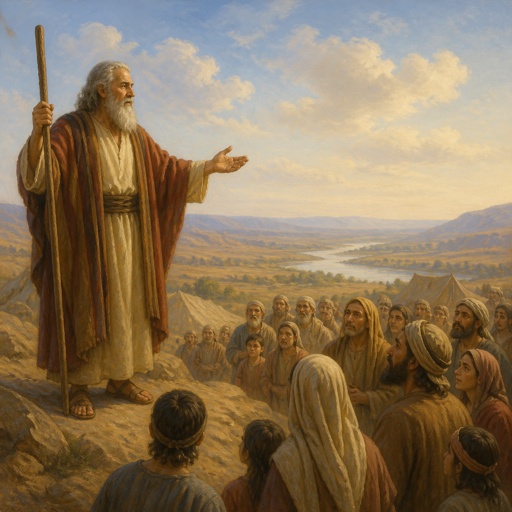
"On this side Jordan, in the land of Moab, began Moses to declare this law, saying," - Deuteronomy 1:5

Deuteronomy 5:17 - "Thou shalt not kill."

Deuteronomy 34:5-6

Deuteronomy 5:19 - "Neither shalt thou steal."

Deuteronomy 5:18 - "Neither shalt thou commit adultery."

Deuteronomy 28:5 - "Blessed shall be thy basket and thy store."

Deuteronomy 5:2 - "The LORD our God made a covenant with us in Horeb."

Deuteronomy 5:30 - "Go say to them, Get you into your tents again."

"Thou shalt not kill." - Deuteronomy 5:17

Deuteronomy 5:7 - "Thou shalt have none other gods before me."

Deuteronomy 5:13 - "Six days thou shalt labour, and do all thy work:"

Deuteronomy 5:5 - "(I stood between the LORD and you at that time, to shew you the word of the LORD: for ye were afraid by reason of the fire, and went not up into the mount;) saying,"

Deuteronomy 5:20 - "Neither shalt thou bear false witness against thy neighbour."

Deuteronomy 5:4 - "The LORD talked with you face to face in the mount out of the midst of the fire,"

Deuteronomy 32:5 - "They have corrupted themselves, their spot is not the spot of his children: they are a perverse and crooked generation."

Deuteronomy 14:5 - "The hart, and the roebuck, and the fallow deer, and the wild goat, and the pygarg, and the wild ox, and the chamois."

Deuteronomy 5:10 - "And shewing mercy unto thousands of them that love me and keep my commandments."

Deuteronomy 5:12 - "Keep the sabbath day to sanctify it, as the LORD thy God hath commanded thee."

Deuteronomy 11:5 - "And what he did unto you in the wilderness, until ye came into this place;"

Deuteronomy 34:5 - "¶ So Moses the servant of the LORD died there in the land of Moab, according to the word of the LORD."

"Neither shalt thou steal." - Deuteronomy 5:19

Deuteronomy 33:5 - "And he was king in Jeshurun, when the heads of the people and the tribes of Israel were gathered together."

"Neither shalt thou commit adultery." - Deuteronomy 5:18

Deuteronomy 3:5 - "All these cities were fenced with high walls, gates, and bars; beside unwalled towns a great many."

Deuteronomy 32:41

Deuteronomy 5:3 - "The LORD made not this covenant with our fathers, but with us, even us, who are all of us here alive this day."