What does Deuteronomy 5:11 mean?
“Thou shalt not take the name of the LORD thy God in vain: for the LORD will not hold him guiltless that taketh his name in vain.” — Deuteronomy 5:11
Deuteronomy 5:11 from the King James Version of the Bible states, "Thou shalt not take the name of the Lord thy God in vain: for the Lord will not hold him guiltless that taketh his name in vain." This commandment is one of the Ten Commandments given to Moses by God on Mount Sinai, and it carries significant weight in the Judeo-Christian tradition.
The meaning and significance of this commandment are profound and far-reaching. On the surface, it prohibits the misuse of God's name, but its implications go beyond mere words. The commandment to not take the Lord's name in vain is more about respecting and honoring the divine and the sacred. It is about recognizing the power and holiness of God and refraining from using His name frivolously or irreverently.
One of the central themes of this commandment is the concept of reverence and respect for the divine. In many cultures, the name of God is considered to be sacred and inviolable. By refraining from using it in vain, individuals demonstrate their acknowledgment of the divine's supreme authority and significance. This commandment serves as a reminder to hold God in the highest regard and to approach His name with reverence and awe.
The context in which this commandment was given is also crucial to its interpretation. At the time of its proclamation, the people of Israel had just been liberated from slavery in Egypt, and they were in the process of forging their identity as a nation. The commandment to not take the Lord's name in vain was a foundational principle meant to guide the people in establishing a covenant with God. It was a way of instilling in them a sense of responsibility and reverence towards the divine as they embarked on their journey as a chosen people.
Furthermore, the commandment to not take the Lord's name in vain has significant implications for personal and communal conduct. It extends beyond just the spoken word and encompasses the broader concept of living in alignment with the divine will. By honoring God's name, individuals are also called to embody His virtues and live in accordance with His teachings. This commandment serves as a moral compass, guiding believers to uphold the values of integrity, honesty, and humility in their actions and interactions with others.
Symbolically, this commandment represents the importance of words and the power they hold. It underscores the idea that language is not merely a tool for communication but also a reflection of one's innermost thoughts and beliefs. By refraining from using God's name in vain, individuals are called to uphold the sanctity of their speech and to be mindful of the impact their words may have on themselves and others.
In Christian theology, the commandment to not take the Lord's name in vain aligns with the broader concept of Christian stewardship. It calls believers to be faithful stewards of God's name and to use it in a way that glorifies Him. This commandment encourages a lifestyle of reverence, humility, and spiritual awareness, guiding individuals to live in a manner that reflects their devotion to the divine.
In conclusion, Deuteronomy 5:11 serves as a foundational principle in the Judeo-Christian tradition, emphasizing the importance of reverence, integrity, and moral conduct. Its message extends beyond the mere prohibition of using God's name in vain and encompasses a broader call to honor and respect the divine in all aspects of life. This commandment continues to hold profound relevance in shaping the ethical and spiritual lives of believers, guiding them to embody the virtues of faith, humility, and reverence towards the divine.
Get our apps


Artwork for Deuteronomy 5:11

Deuteronomy 5:11 - "Thou shalt not take the name of the LORD thy God in vain: for the LORD will not hold him guiltless that taketh his name in vain."

"Thou shalt not take the name of the LORD thy God in vain: for the LORD will not hold him guiltless that taketh his name in vain." - Deuteronomy 5:11

Deuteronomy 11:5 - "And what he did unto you in the wilderness, until ye came into this place;"

"And what he did unto you in the wilderness, until ye came into this place;" - Deuteronomy 11:5

Song of Solomon 5:11

Philippians 2:5-11

Deuteronomy 11:23

Deuteronomy 5 pictures

Deuteronomy 11:11 - "But the land, whither ye go to possess it, is a land of hills and valleys, and drinketh water of the rain of heaven:"

Deuteronomy 5:17 - "Thou shalt not kill."

Deuteronomy 34:5-6

Create a picture of Deuteronomy 11:20

Deuteronomy 5:19 - "Neither shalt thou steal."

Deuteronomy 14:11 - "¶ Of all clean birds ye shall eat."

Deuteronomy 18:11 - "Or a charmer, or a consulter with familiar spirits, or a wizard, or a necromancer."

Deuteronomy 27:11 - "¶ And Moses charged the people the same day, saying,"

Deuteronomy 5:18 - "Neither shalt thou commit adultery."

Deuteronomy 28:5 - "Blessed shall be thy basket and thy store."

Create a graphic for Deuteronomy 11. God disciplines.
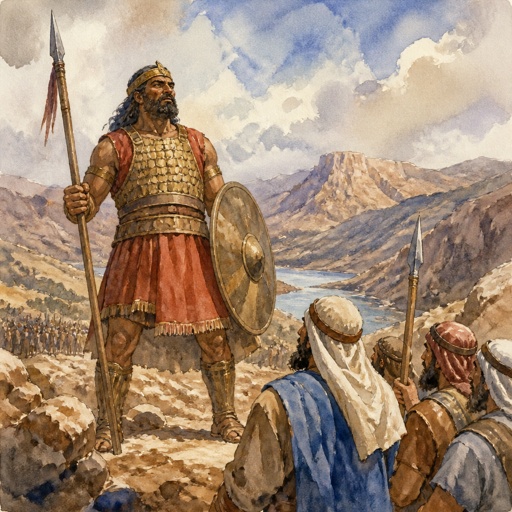
King Og Deuteronomy 3:1-11

Create a graphic for Deuteronomy 11. Blessing and curse

Create a graphic for Deuteronomy 11. God disciplines.

Create a graphic for Deuteronomy 11. God disciplines.

Deuteronomy 11:26 - "¶ Behold, I set before you this day a blessing and a curse;"

Deuteronomy 5:2 - "The LORD our God made a covenant with us in Horeb."

Deuteronomy 22:11 - "¶ Thou shalt not wear a garment of divers sorts, as of woollen and linen together."

Deuteronomy 5:30 - "Go say to them, Get you into your tents again."

"Thou shalt not kill." - Deuteronomy 5:17

Deuteronomy 5:7 - "Thou shalt have none other gods before me."

Deuteronomy 2:11 - "Which also were accounted giants, as the Anakims; but the Moabites call them Emims."