What does Deuteronomy 5:28 mean?
“And the LORD heard the voice of your words, when ye spake unto me; and the LORD said unto me, I have heard the voice of the words of this people, which they have spoken unto thee: they have well said all that they have spoken.” — Deuteronomy 5:28
Deuteronomy 5:28 (KJV) says, "And the Lord heard the voice of your words, when ye spake unto me; and the Lord said unto me, I have heard the voice of the words of this people, which they have spoken unto thee: they have well said all that they have spoken."
This verse is part of a passage in the book of Deuteronomy, which is the fifth book of the Hebrew Bible and the Christian Old Testament. This book is attributed to Moses and is essentially his farewell address to the Israelites before they enter the Promised Land. In this particular passage, Moses is recounting the events that occurred at Mount Sinai, where God gave the Ten Commandments to the Israelites.
The verse begins with the acknowledgement that the Lord heard the voice of the people when they spoke to Moses. This highlights the fact that God is attentive and responsive to the prayers and petitions of His people. It also emphasizes the importance of communication between God and His followers. The Israelites spoke to Moses, who in turn relayed their words to the Lord. This illustrates the role of intermediaries in the relationship between God and humanity.
The verse goes on to say that the Lord responded to the people’s words by affirming that He had indeed heard them and acknowledging the substance of their speech. This demonstrates God’s understanding and validation of the people’s concerns and desires. It highlights His compassion and willingness to engage with His followers on a personal level.
One of the key themes of this verse is the importance of dialogue and communication in the relationship between God and humanity. It emphasizes the idea that God is not distant or unapproachable, but rather attentive and responsive to the voices of His people. This encourages believers to be open and honest in their communication with God, knowing that He hears and understands them.
Another theme that can be derived from this verse is the concept of divine validation and affirmation. The fact that the Lord acknowledged the words of the people and declared that they had "well said all that they have spoken" signifies His approval and acceptance of their thoughts and desires. This serves as a reminder that God values the thoughts and feelings of His followers and that their words have significance in His eyes.
In terms of context, this verse is situated within the broader narrative of the Israelites’ journey through the wilderness and their encounters with God. The events at Mount Sinai, including the giving of the Ten Commandments, are crucial in shaping the identity and relationship of the Israelite nation with God. This passage serves as a reflection on the past and a reminder of the covenant between God and His people.
Symbolically, this verse can be seen as a representation of the two-way communication that exists between God and humanity. It symbolizes the idea of God as a listener and responder, as well as the notion of humans as active participants in a dialogue with the divine. Additionally, the affirmation of the people’s words can be seen as a symbol of God’s approval and endorsement of their thoughts and aspirations.
In conclusion, Deuteronomy 5:28 (KJV) conveys a powerful message about the nature of the relationship between God and His people. It emphasizes the importance of communication, validation, and affirmation in this relationship, as well as highlighting the compassionate and attentive nature of God. This verse serves as a source of encouragement for believers to engage in open and honest dialogue with God, knowing that their words are heard and valued.
Get our apps


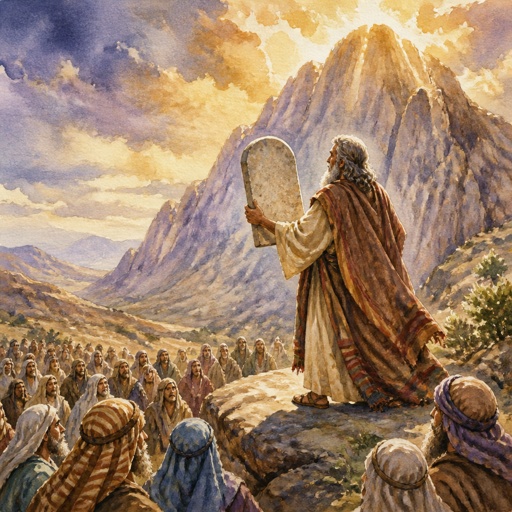
Artwork for Deuteronomy 5:28

Deuteronomy 5:28 - "And the LORD heard the voice of your words, when ye spake unto me; and the LORD said unto me, I have heard the voice of the words of this people, which they have spoken unto thee: they have well said all that they have spoken."

"And the LORD heard the voice of your words, when ye spake unto me; and the LORD said unto me, I have heard the voice of the words of this people, which they have spoken unto thee: they have well said all that they have spoken." - Deuteronomy 5:28

Deuteronomy 28:5 - "Blessed shall be thy basket and thy store."

"Blessed shall be thy basket and thy store." - Deuteronomy 28:5

Deuteronomy 28:28 - "The LORD shall smite thee with madness, and blindness, and astonishment of heart:"

Deuteronomy 28:17 - "Cursed shall be thy basket and thy store."

Deuteronomy 32:28 - "For they are a nation void of counsel, neither is there any understanding in them."

"The LORD shall smite thee with madness, and blindness, and astonishment of heart:" - Deuteronomy 28:28

Deuteronomy 28:16 - "Cursed shalt thou be in the city, and cursed shalt thou be in the field."

Deuteronomy 28:3 - "Blessed shalt thou be in the city, and blessed shalt thou be in the field."

Deuteronomy 28:42 - "All thy trees and fruit of thy land shall the locust consume."

Deuteronomy 28:46 - "And they shall be upon thee for a sign and for a wonder, and upon thy seed for ever."

Deuteronomy 28:34 - "So that thou shalt be mad for the sight of thine eyes which thou shalt see."

Deuteronomy 22:28 - "¶ If a man find a damsel that is a virgin, which is not betrothed, and lay hold on her, and lie with her, and they be found;"
Deuteronomy 5 pictures

Deuteronomy 28:27 - "The LORD will smite thee with the botch of Egypt, and with the emerods, and with the scab, and with the itch, whereof thou canst not be healed."

Deuteronomy 28:23 - "And thy heaven that is over thy head shall be brass, and the earth that is under thee shall be iron."

Deuteronomy 28:41 - "Thou shalt beget sons and daughters, but thou shalt not enjoy them; for they shall go into captivity."

Deuteronomy 28:47 - "Because thou servedst not the LORD thy God with joyfulness, and with gladness of heart, for the abundance of all things;"

Deuteronomy 28:50 - "A nation of fierce countenance, which shall not regard the person of the old, nor shew favour to the young:"

Deuteronomy 28:19 - "Cursed shalt thou be when thou comest in, and cursed shalt thou be when thou goest out."

John 5:28

John 5:28

John 5:28

Deuteronomy 28:10 - "And all people of the earth shall see that thou art called by the name of the LORD; and they shall be afraid of thee."

Deuteronomy 28:38 - "Thou shalt carry much seed out into the field, and shalt gather but little in; for the locust shall consume it."

Deuteronomy 28:6 - "Blessed shalt thou be when thou comest in, and blessed shalt thou be when thou goest out."

Deuteronomy 5:17 - "Thou shalt not kill."

Deuteronomy 28:18 - "Cursed shall be the fruit of thy body, and the fruit of thy land, the increase of thy kine, and the flocks of thy sheep."

Deuteronomy 29:28 - "And the LORD rooted them out of their land in anger, and in wrath, and in great indignation, and cast them into another land, as it is this day."