What does Deuteronomy 6:2 mean?
“That thou mightest fear the LORD thy God, to keep all his statutes and his commandments, which I command thee, thou, and thy son, and thy son’s son, all the days of thy life; and that thy days may be prolonged.” — Deuteronomy 6:2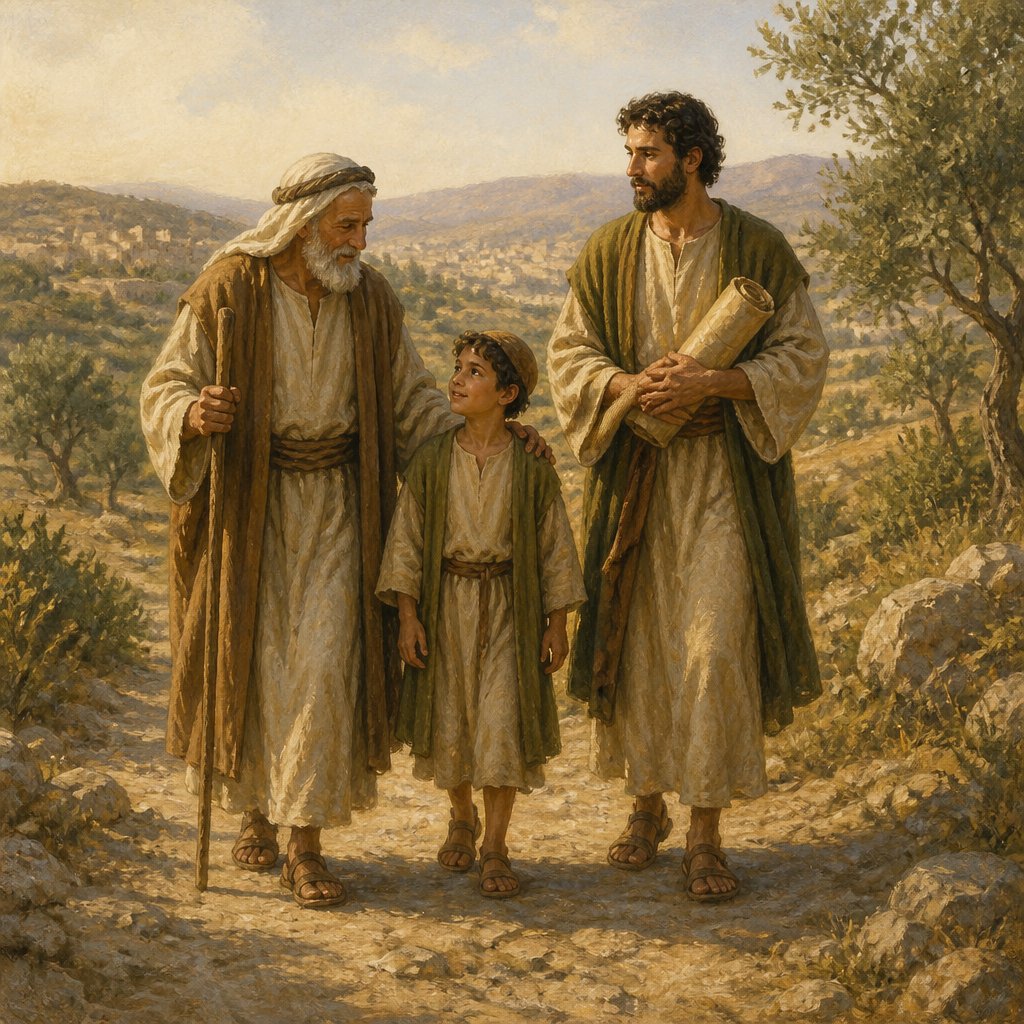
Deuteronomy 6:2 in the King James Version (KJV) of the Bible states, "That thou mightest fear the Lord thy God, to keep all his statutes and his commandments, which I command thee, thou, and thy son, and thy son's son, all the days of thy life; and that thy days may be prolonged."
This verse is part of the Book of Deuteronomy, which is the fifth book of the Torah and the Christian Old Testament. It is believed to have been written by Moses, and it consists of his final speeches to the Israelites as they prepare to enter the Promised Land. The verse is part of a larger passage in which Moses is instructing the Israelites on the importance of following the commandments of God.
The verse begins with the phrase "That thou mightest fear the Lord thy God." This sets the tone for the passage, emphasizing the importance of revering and honoring God. The fear of the Lord in this context does not refer to a paralyzing dread or terror, but rather a deep reverence and awe for the holiness and majesty of God. This fear is the foundation of keeping all of God's statutes and commandments. It is a recognition of God's authority and a willingness to obey Him out of love and respect.
The verse goes on to specify that these commandments are to be kept by the Israelites, as well as their descendants, for all the days of their lives. This highlights the enduring nature of God's commandments and the responsibility that the Israelites have to pass down their faith and obedience to future generations. The intention is for the fear of the Lord and the observance of His commandments to be a foundational aspect of the Israelites' identity and way of life. This is emphasized by the phrase "all the days of thy life," indicating that this commitment is not temporary, but rather a lifelong, ongoing dedication to God.
The verse concludes with a promise: "that thy days may be prolonged." This promises long life and prosperity as a reward for faithful obedience to God's commandments. Throughout the Old Testament, God frequently rewards those who obey Him with long life, health, and material blessings. However, it's important to note that this does not mean that all who fear the Lord and keep His commandments will be free from suffering or that those who suffer are being punished for disobedience. The promise of long life is conditional upon faithfulness but does not guarantee immunity from hardship or trials.
The themes present in this verse include the fear of the Lord, obedience to His commandments, passing down faith to future generations, and the connection between obedience and blessing. These themes are foundational to the entire Bible and are especially emphasized throughout the Old Testament. The fear of the Lord is depicted as the beginning of wisdom (Proverbs 9:10) and the foundation of obedience to Him. Obedience to God's commandments is a consistent expectation throughout the Bible, as it demonstrates faith, trust, and love for God.
The context of this verse is Moses' final address to the Israelites before they enter the Promised Land. He is reminding them of the importance of obedience to God's commandments in order to experience the blessings that God has promised them in the land. This passage serves as a reminder of the covenant relationship between God and the Israelites, in which obedience is met with blessing and disobedience with consequences.
Symbolism in this verse includes the idea of fear as a form of reverence and awe for God. It also symbolizes the importance of passing down faith and obedience to future generations, ensuring the continuity of the covenant relationship between God and the Israelites. Additionally, the promise of long life symbolizes the blessings that come with obedience to God's commandments.
In conclusion, Deuteronomy 6:2 emphasizes the fear of the Lord, obedience to His commandments, passing down faith to future generations, and the conditional promise of long life as a reward for faithful obedience. This verse holds significant meaning for the Israelites as they prepare to enter the Promised Land, but its timeless themes and promises continue to hold relevance for believers today.
Get our apps


Artwork for Deuteronomy 6:2

Deuteronomy 6:2 - "That thou mightest fear the LORD thy God, to keep all his statutes and his commandments, which I command thee, thou, and thy son, and thy son's son, all the days of thy life; and that thy days may be prolonged."
"That thou mightest fear the LORD thy God, to keep all his statutes and his commandments, which I command thee, thou, and thy son, and thy son's son, all the days of thy life; and that thy days may be prolonged." - Deuteronomy 6:2
Deuteronomy 2:6 - "Ye shall buy meat of them for money, that ye may eat; and ye shall also buy water of them for money, that ye may drink."

Deuteronomy 6:6 - "And these words, which I command thee this day, shall be in thine heart:"

Deuteronomy 34:5-6

Deuteronomy 6:4 - "Hear, O Israel: The LORD our God is one LORD:"

Deuteronomy 33:6 - "¶ Let Reuben live, and not die; and let not his men be few."

Deuteronomy 2:2 - "And the LORD spake unto me, saying,"

Deuteronomy 23:6 - "Thou shalt not seek their peace nor their prosperity all thy days for ever."

Deuteronomy 6:16 - "¶ Ye shall not tempt the LORD your God, as ye tempted him in Massah."

Deuteronomy 6:9 - "And thou shalt write them upon the posts of thy house, and on thy gates."

Deuteronomy 6:19 - "To cast out all thine enemies from before thee, as the LORD hath spoken."

Deuteronomy 26:6 - "And the Egyptians evil entreated us, and afflicted us, and laid upon us hard bondage:"

"And these words, which I command thee this day, shall be in thine heart:" - Deuteronomy 6:6

Deuteronomy 24:6 - "¶ No man shall take the nether or the upper millstone to pledge: for he taketh a man's life to pledge."

Deuteronomy 6:13 - "Thou shalt fear the LORD thy God, and serve him, and shalt swear by his name."

Deuteronomy 6:14 - "Ye shall not go after other gods, of the gods of the people which are round about you;"

Deuteronomy 8:6 - "Therefore thou shalt keep the commandments of the LORD thy God, to walk in his ways, and to fear him."

Deuteronomy 6:8 - "And thou shalt bind them for a sign upon thine hand, and they shall be as frontlets between thine eyes."

Deuteronomy 28:6 - "Blessed shalt thou be when thou comest in, and blessed shalt thou be when thou goest out."

Deuteronomy 1:6 - "The LORD our God spake unto us in Horeb, saying, Ye have dwelt long enough in this mount:"

Deuteronomy 21:6 - "And all the elders of that city, that are next unto the slain man, shall wash their hands over the heifer that is beheaded in the valley:"

Deuteronomy 2:17 - "That the LORD spake unto me, saying,"

Deuteronomy 5:6 - "¶ I am the LORD thy God, which brought thee out of the land of Egypt, from the house of bondage."

Deuteronomy 6:12 - "Then beware lest thou forget the LORD, which brought thee forth out of the land of Egypt, from the house of bondage."

Deuteronomy 14:6 - "And every beast that parteth the hoof, and cleaveth the cleft into two claws, and cheweth the cud among the beasts, that ye shall eat."

Deuteronomy 6:5 - "And thou shalt love the LORD thy God with all thine heart, and with all thy soul, and with all thy might."

"And the LORD spake unto me, saying," - Deuteronomy 2:2

Deuteronomy 5:2 - "The LORD our God made a covenant with us in Horeb."

Deuteronomy 9:6 - "Understand therefore, that the LORD thy God giveth thee not this good land to possess it for thy righteousness; for thou art a stiffnecked people."