What does Deuteronomy 7:7 mean?
“The LORD did not set his love upon you, nor choose you, because ye were more in number than any people; for ye were the fewest of all people:” — Deuteronomy 7:7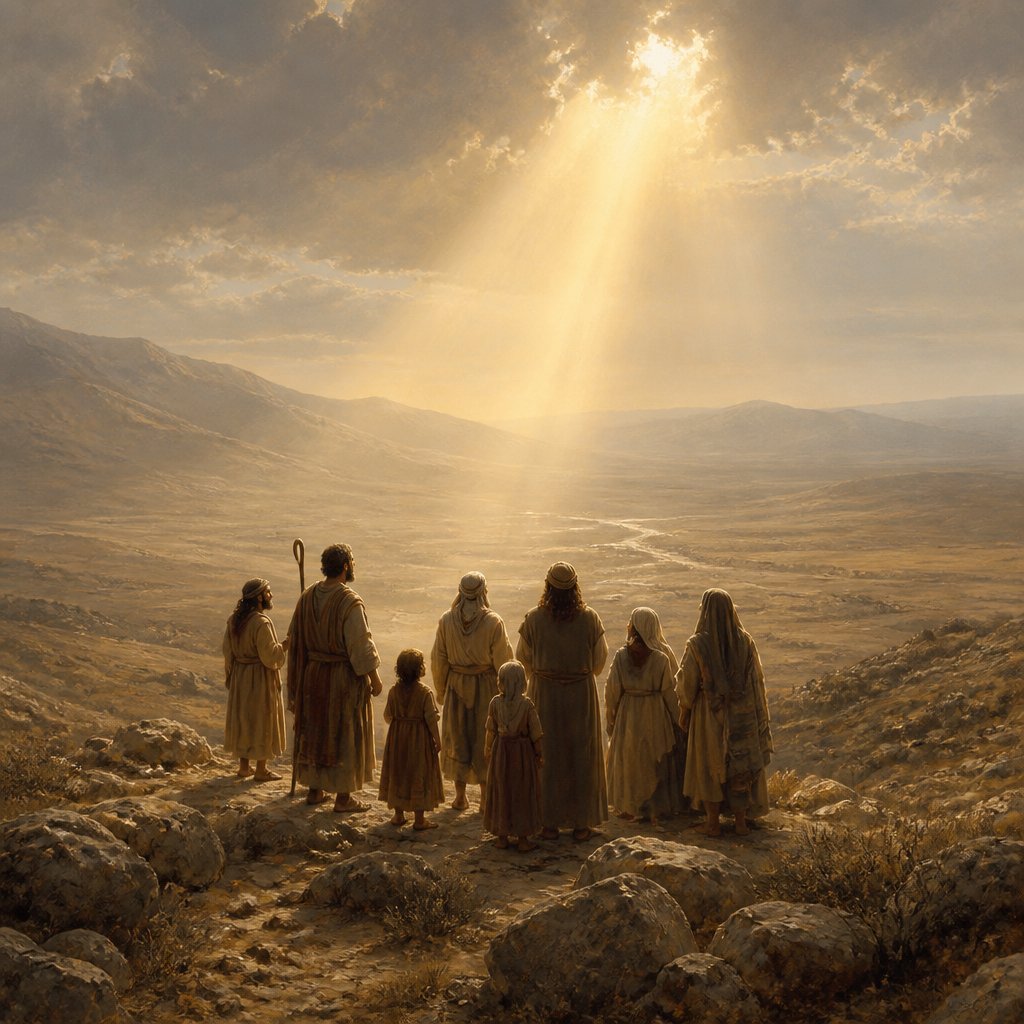
Deuteronomy 7:7 in the King James Version of the Bible states, "The Lord did not set his love upon you, nor choose you, because ye were more in number than any people; for ye were the fewest of all people." This verse is found within the context of Moses' address to the Israelites before they enter the Promised Land. In this particular verse, Moses is reminding the Israelites of God's unconditional love and choosing of them as His people.
The theme of God's unconditional love and choosing of His people is prevalent throughout the Bible, and this verse in Deuteronomy is a clear demonstration of this theme. The context of this verse is important to understand its full significance. The Israelites had been wandering in the wilderness for 40 years, and they were about to enter the land that God had promised to their ancestors. In this crucial moment, Moses is reminding them that God's love for them is not based on their own merits or numbers. Instead, God chose them because of His own love and faithfulness towards them.
The symbolism in this verse lies in the contrast between the Israelites being the "fewest of all people" and God's deliberate choice of them as His own. This illustrates the idea that God's love and favor are not dependent on human standards or achievements. Instead, God's love is unconditional and His choices are based on His own sovereignty and grace. This serves as a powerful reminder to the Israelites, and to all readers of the Bible, that God's love is not limited by human limitations.
The verse also carries a message of hope and encouragement. The Israelites may have been the "fewest of all people," but God's choice of them as His own demonstrates that He can work through the weak and insignificant to accomplish His purposes. This theme is echoed throughout the Bible, where God often chooses the unlikely and the lowly to fulfill His plans. This serves as a source of comfort and inspiration for believers, knowing that God's love and favor are not dependent on worldly standards or human achievements.
Furthermore, this verse emphasizes the importance of humility and reliance on God. The Israelites were being reminded that they were chosen not because of their own greatness, but because of God's love and faithfulness. This calls for a humble recognition of God's sovereignty and a reliance on His grace. This message is relevant for all believers, as it reminds us that our own strengths and achievements are not the basis for God's love and choosing of us.
In conclusion, Deuteronomy 7:7 conveys a powerful message of God's unconditional love and choosing of His people. It emphasizes the themes of God's sovereignty, grace, and the value of humility. The verse serves as a reminder that God's love is not limited by human standards, and that His choices are based on His own faithfulness and love. This message is relevant for believers of all time, as it provides assurance of God's unchanging love and favor, regardless of our own limitations.
Get our apps


Artwork for Deuteronomy 7:7

Deuteronomy 7:7 - "The LORD did not set his love upon you, nor choose you, because ye were more in number than any people; for ye were the fewest of all people:"
"The LORD did not set his love upon you, nor choose you, because ye were more in number than any people; for ye were the fewest of all people:" - Deuteronomy 7:7

Deuteronomy 3:7 - "But all the cattle, and the spoil of the cities, we took for a prey to ourselves."

Deuteronomy 5:7 - "Thou shalt have none other gods before me."

Deuteronomy 19:7 - "Wherefore I command thee, saying, Thou shalt separate three cities for thee."

Deuteronomy 10:7 - "From thence they journeyed unto Gudgodah; and from Gudgodah to Jotbath, a land of rivers of waters."

Deuteronomy 11:7 - "But your eyes have seen all the great acts of the LORD which he did."

Deuteronomy 27:7 - "And thou shalt offer peace offerings, and shalt eat there, and rejoice before the LORD thy God."

Deuteronomy 7:21 - "Thou shalt not be affrighted at them: for the LORD thy God is among you, a mighty God and terrible."

Deuteronomy 21:7 - "And they shall answer and say, Our hands have not shed this blood, neither have our eyes seen it."

Deuteronomy 7:17 - "If thou shalt say in thine heart, These nations are more than I; how can I dispossess them?"

Deuteronomy 7:11 - "Thou shalt therefore keep the commandments, and the statutes, and the judgments, which I command thee this day, to do them."

Deuteronomy 7:14 - "Thou shalt be blessed above all people: there shall not be male or female barren among you, or among your cattle."

Deuteronomy 30:7 - "And the LORD thy God will put all these curses upon thine enemies, and on them that hate thee, which persecuted thee."

Deuteronomy 7:20 - "Moreover the LORD thy God will send the hornet among them, until they that are left, and hide themselves from thee, be destroyed."

Deuteronomy 7:23 - "But the LORD thy God shall deliver them unto thee, and shall destroy them with a mighty destruction, until they be destroyed."

Deuteronomy 8:7 - "For the LORD thy God bringeth thee into a good land, a land of brooks of water, of fountains and depths that spring out of valleys and hills;"

Deuteronomy 34:7 - "¶ And Moses was an hundred and twenty years old when he died: his eye was not dim, nor his natural force abated."

Deuteronomy 18:7 - "Then he shall minister in the name of the LORD his God, as all his brethren the Levites do, which stand there before the LORD."

Deuteronomy 32:7 - "¶ Remember the days of old, consider the years of many generations: ask thy father, and he will shew thee; thy elders, and they will tell thee."

Deuteronomy 7:18 - "Thou shalt not be afraid of them: but shalt well remember what the LORD thy God did unto Pharaoh, and unto all Egypt;"

Deuteronomy 23:7 - "¶ Thou shalt not abhor an Edomite; for he is thy brother: thou shalt not abhor an Egyptian; because thou wast a stranger in his land."

Deuteronomy 7:10 - "And repayeth them that hate him to their face, to destroy them: he will not be slack to him that hateth him, he will repay him to his face."

Deuteronomy 22:7 - "But thou shalt in any wise let the dam go, and take the young to thee; that it may be well with thee, and that thou mayest prolong thy days."
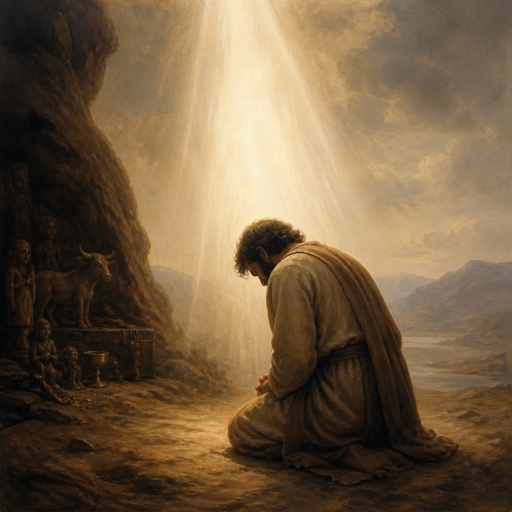
"Thou shalt have none other gods before me." - Deuteronomy 5:7

"But all the cattle, and the spoil of the cities, we took for a prey to ourselves." - Deuteronomy 3:7

Deuteronomy 26:7 - "And when we cried unto the LORD God of our fathers, the LORD heard our voice, and looked on our affliction, and our labour, and our oppression:"

Deuteronomy 7:5 - "But thus shall ye deal with them; ye shall destroy their altars, and break down their images, and cut down their groves, and burn their graven images with fire."

Deuteronomy 16:7 - "And thou shalt roast and eat it in the place which the LORD thy God shall choose: and thou shalt turn in the morning, and go unto thy tents."
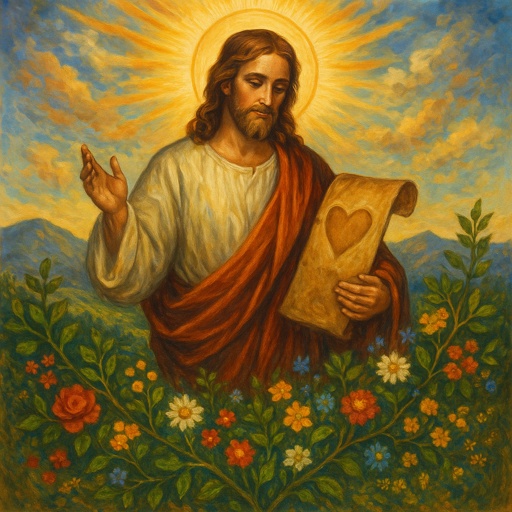
"Know therefore that the LORD thy God, he is God, the faithful God, which keepeth covenant and mercy with them that love him and keep his commandments to a thousand generations;" - Deuteronomy 7:9