What does Deuteronomy 8:3 mean?
“And he humbled thee, and suffered thee to hunger, and fed thee with manna, which thou knewest not, neither did thy fathers know; that he might make thee know that man doth not live by bread only, but by every word that proceedeth out of the mouth of the LORD doth man live.” — Deuteronomy 8:3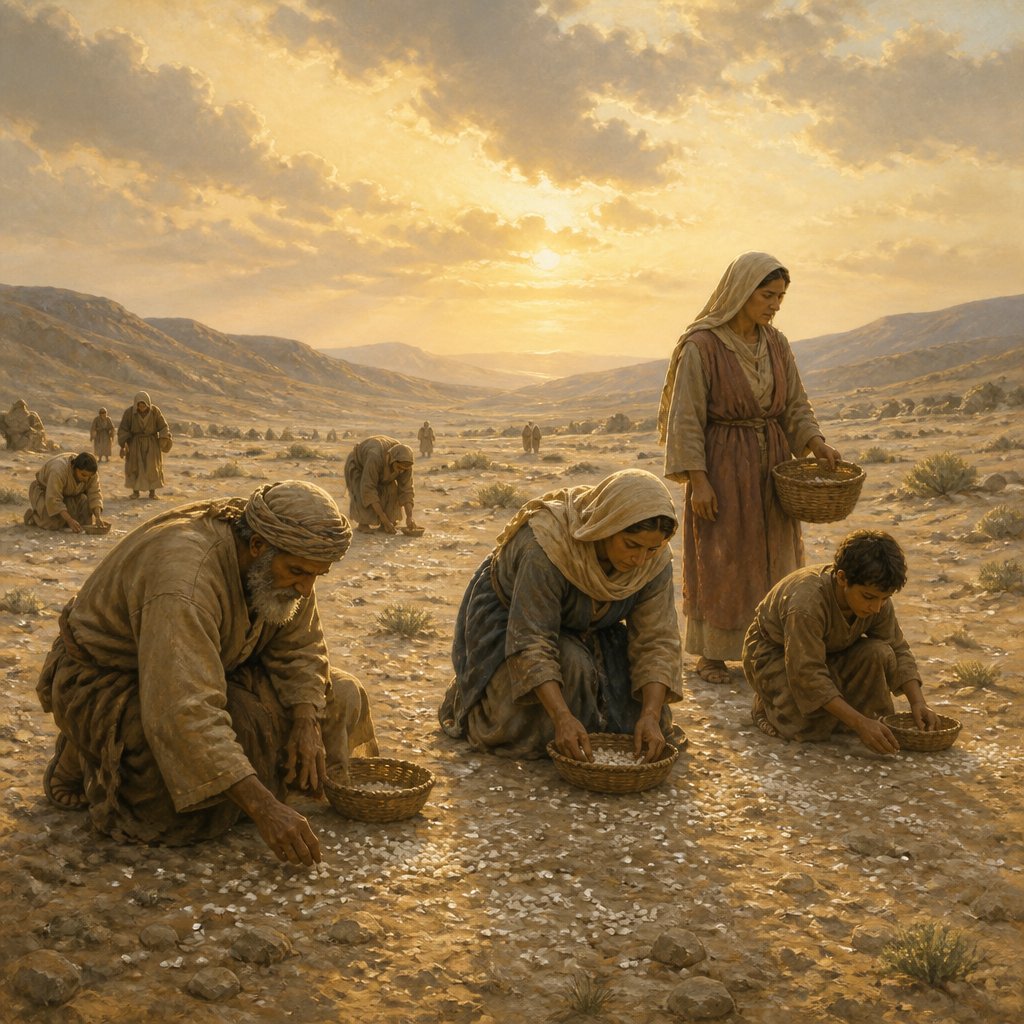
Deuteronomy 8:3 from the King James Version (KJV) of the Bible states, "And he humbled thee, and suffered thee to hunger, and fed thee with manna, which thou knewest not, neither did thy fathers know; that he might make thee know that man doth not live by bread only, but by every word that proceedeth out of the mouth of the Lord doth man live."
This verse is part of a speech given by Moses to the Israelites, reminding them of God's provision and faithfulness during their time in the wilderness. The context of this verse is important to its interpretation. The Israelites had been wandering in the wilderness for forty years, and Moses was preparing them to enter the Promised Land. During their time in the wilderness, God had provided for their physical needs in miraculous ways, such as providing manna for them to eat.
The theme of this verse is a dependence on God for sustenance, both physical and spiritual. The Israelites had experienced hunger and had been miraculously fed by God with manna, a supernatural food. This verse emphasizes the idea that true sustenance comes from God and not just from physical bread. It is a reminder to the Israelites that their survival and well-being were dependent on God's provision, not just on the food they could gather for themselves.
The symbolic significance of the manna in this verse is important. Manna was a mysterious substance that appeared on the ground each morning for the Israelites to gather and eat. It was a symbol of God's provision and care for his people. The manna also represented a test of the Israelites' obedience and trust in God, as they were instructed to gather only enough for each day and to trust that God would provide for their needs. The manna was a physical reminder of God's presence and provision, and it symbolized the spiritual sustenance that comes from a relationship with God.
The verse also emphasizes the importance of heeding and obeying God's word. It states that "man doth not live by bread only, but by every word that proceedeth out of the mouth of the Lord doth man live." This is a reminder that spiritual nourishment and sustenance are just as important, if not more so, than physical nourishment. The Israelites were being taught to rely on God's word and to understand that it was through their relationship with God and obedience to his commands that they would truly live and thrive.
This verse has a timeless application for Christians today. It serves as a reminder of the importance of trusting in God for sustenance, both physical and spiritual. It challenges us to consider where our true source of sustenance and life comes from and to prioritize our relationship with God and obedience to his word. It also serves as a reminder of God's faithfulness and provision, even in the midst of challenging circumstances.
Overall, Deuteronomy 8:3 is a powerful reminder of the importance of relying on God for sustenance and heeding his word for true life. It is a call to trust in God's provision and to seek spiritual sustenance as well as physical nourishment. It is a reminder of God's faithfulness and care for his people, both in ancient times and today.
Get our apps


Artwork for Deuteronomy 8:3

Deuteronomy 8:3 - "And he humbled thee, and suffered thee to hunger, and fed thee with manna, which thou knewest not, neither did thy fathers know; that he might make thee know that man doth not live by bread only, but by every word that proceedeth out of the mouth of the LORD doth man live."
"And he humbled thee, and suffered thee to hunger, and fed thee with manna, which thou knewest not, neither did thy fathers know; that he might make thee know that man doth not live by bread only, but by every word that proceedeth out of the mouth of the LORD doth man live." - Deuteronomy 8:3

Deuteronomy 3:8 - "And we took at that time out of the hand of the two kings of the Amorites the land that was on this side Jordan, from the river of Arnon unto mount Hermon;"

deuteronomy 31 8

Deuteronomy 31:8

Deuteronomy 8:8 - "A land of wheat, and barley, and vines, and fig trees, and pomegranates; a land of oil olive, and honey;"

Deuteronomy 3:15 - "And I gave Gilead unto Machir."

Deuteronomy 3:23 - "And I besought the LORD at that time, saying,"
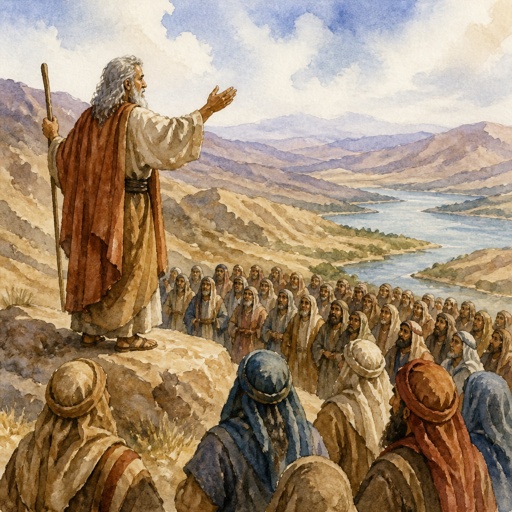
Moses addressing the people in Deuteronomy 3

Deuteronomy 14:3 - "¶ Thou shalt not eat any abominable thing."
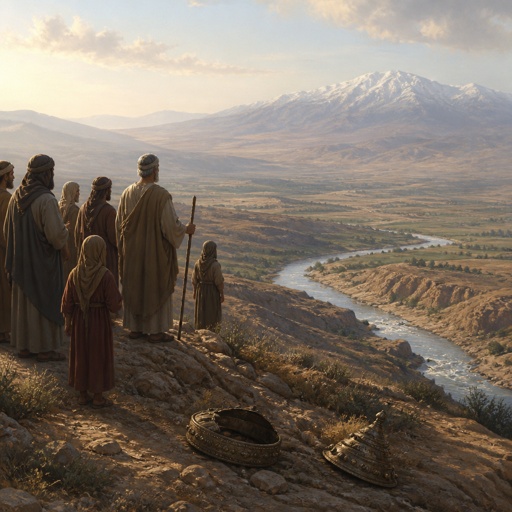
"And we took at that time out of the hand of the two kings of the Amorites the land that was on this side Jordan, from the river of Arnon unto mount Hermon;" - Deuteronomy 3:8

Deuteronomy 23:8 - "The children that are begotten of them shall enter into the congregation of the LORD in their third generation."
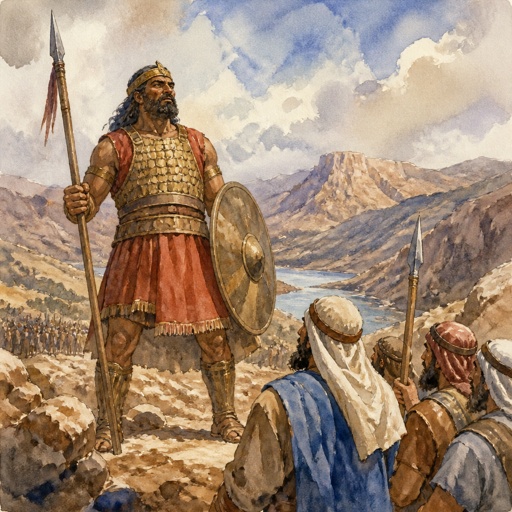
King Og Deuteronomy 3:1-11

Deuteronomy 27:8 - "And thou shalt write upon the stones all the words of this law very plainly."

Deuteronomy 3:29 - "So we abode in the valley over against Beth-peor."

Deuteronomy 3:7 - "But all the cattle, and the spoil of the cities, we took for a prey to ourselves."

Deuteronomy 28:3 - "Blessed shalt thou be in the city, and blessed shalt thou be in the field."

Deuteronomy 3:9 - "(Which Hermon the Sidonians call Sirion; and the Amorites call it Shenir;)"

Deuteronomy 18:8 - "They shall have like portions to eat, beside that which cometh of the sale of his patrimony."

Deuteronomy 29:8 - "And we took their land, and gave it for an inheritance unto the Reubenites, and to the Gadites, and to the half tribe of Manasseh."

Deuteronomy 34:3 - "And the south, and the plain of the valley of Jericho, the city of palm trees, unto Zoar."

Deuteronomy 2:3 - "Ye have compassed this mountain long enough: turn you northward."

John 3:3-8

Deuteronomy 8:12 - "Lest when thou hast eaten and art full, and hast built goodly houses, and dwelt therein;"

Deuteronomy 8:6 - "Therefore thou shalt keep the commandments of the LORD thy God, to walk in his ways, and to fear him."

Deuteronomy 8:4 - "Thy raiment waxed not old upon thee, neither did thy foot swell, these forty years."

Deuteronomy 9:8 - "Also in Horeb ye provoked the LORD to wrath, so that the LORD was angry with you to have destroyed you."

Deuteronomy 8:17 - "And thou say in thine heart, My power and the might of mine hand hath gotten me this wealth."

Deuteronomy 6:8 - "And thou shalt bind them for a sign upon thine hand, and they shall be as frontlets between thine eyes."

Deuteronomy 29:3 - "The great temptations which thine eyes have seen, the signs, and those great miracles:"