What does Deuteronomy 9:7 mean?
“Remember, and forget not, how thou provokedst the LORD thy God to wrath in the wilderness: from the day that thou didst depart out of the land of Egypt, until ye came unto this place, ye have been rebellious against the LORD.” — Deuteronomy 9:7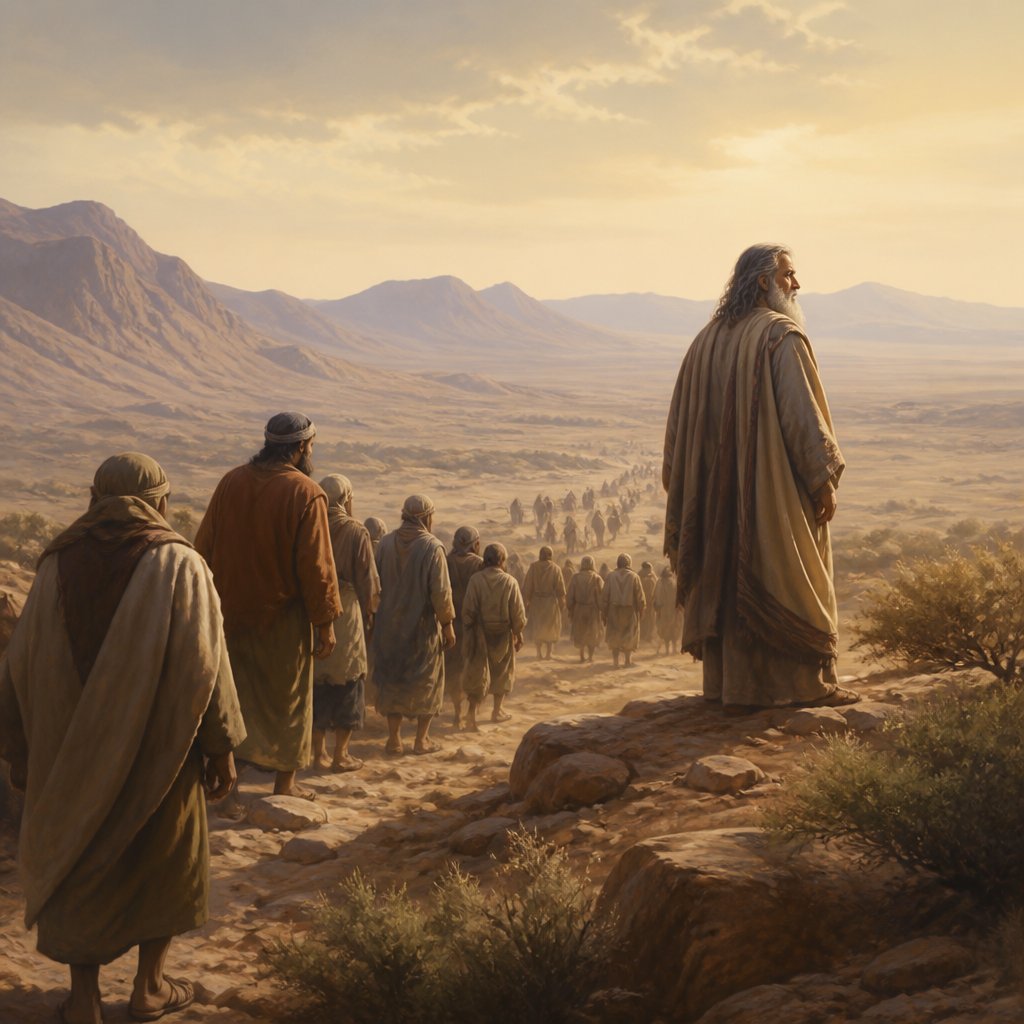
Deuteronomy 9:7 in the King James Version of the Bible states, "Remember, and forget not, how thou provokedst the Lord thy God to wrath in the wilderness: from the day that thou didst depart out of the land of Egypt, until ye came unto this place, ye have been rebellious against the Lord."
This verse comes from the book of Deuteronomy, which is the fifth book of the Hebrew Bible and the Christian Old Testament. It is part of the Torah, which is the foundational narrative of the Jewish religion. In this verse, Moses is addressing the Israelites and reminding them of their past sins and disobedience toward God.
The theme of this verse is the idea of remembrance and forgetting not the ways in which the Israelites provoked God to wrath. It serves as a warning to the Israelites, as well as a reminder of the consequences of disobedience and rebellion against God. This theme is echoed throughout the Bible, as the importance of remembering God's faithfulness and the consequences of turning away from Him are recurring themes throughout the Old Testament.
The context of Deuteronomy 9:7 is significant, as it is part of Moses' speech to the Israelites before they enter the Promised Land. Moses is recounting the history of the Israelites' journey from Egypt to the Promised Land and reminding them of their faithlessness and disobedience during that journey. This speech serves as a warning and a call to repentance, as well as a reminder of God's mercy and faithfulness in spite of the Israelites' sin.
The symbolism in this verse lies in the wilderness as the physical and spiritual landscape of the Israelites' journey. The wilderness represents a place of testing, purification, and preparation. It is a place where the Israelites experienced both God's provision and their own rebellion. The wilderness serves as a symbol of the human condition, where we are tested and refined by our experiences and choices. Additionally, the departure from the land of Egypt symbolizes the Israelites' liberation from slavery and oppression, as well as their journey toward the Promised Land.
The significance of this verse lies in its timeless message of the consequences of disobedience and rebellion against God. It serves as a reminder that forgetting the ways in which we have provoked God to wrath is dangerous, as it can lead to further disobedience and distancing ourselves from Him. The verse also highlights the importance of remembrance and reflection on our past actions, as well as the need for repentance and turning back to God.
In conclusion, Deuteronomy 9:7 in the King James Version of the Bible conveys a powerful message about the consequences of rebellion and disobedience toward God. It serves as a warning and a call to remembrance, repentance, and obedience. The themes of this verse, the context of Moses' speech, and the symbolism of the wilderness all contribute to its significance and timeless relevance for believers today. It reminds us of the importance of reflecting on our actions and turning back to God in repentance and obedience.
Get our apps


Artwork for Deuteronomy 9:7
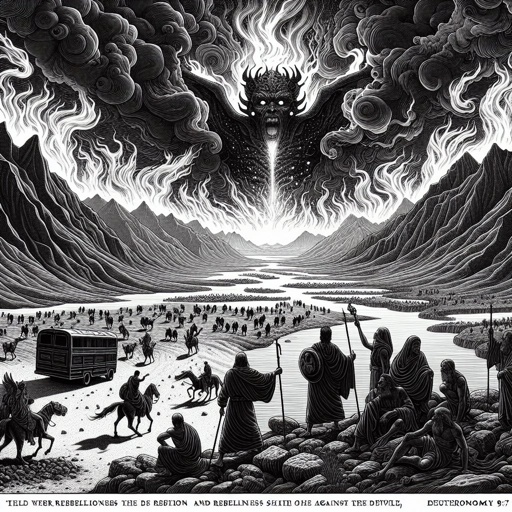
Deuteronomy 9:7 - "¶ Remember, and forget not, how thou provokedst the LORD thy God to wrath in the wilderness: from the day that thou didst depart out of the land of Egypt, until ye came unto this place, ye have been rebellious against the LORD."
"¶ Remember, and forget not, how thou provokedst the LORD thy God to wrath in the wilderness: from the day that thou didst depart out of the land of Egypt, until ye came unto this place, ye have been rebellious against the LORD." - Deuteronomy 9:7
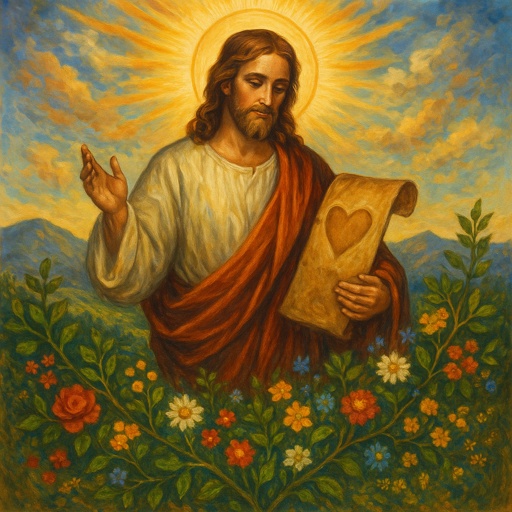
"Know therefore that the LORD thy God, he is God, the faithful God, which keepeth covenant and mercy with them that love him and keep his commandments to a thousand generations;" - Deuteronomy 7:9

Deuteronomy 7:9 - "Know therefore that the LORD thy God, he is God, the faithful God, which keepeth covenant and mercy with them that love him and keep his commandments to a thousand generations;"
![Know therefore that the LORD thy God, he [is] God, the faithful God, which keepeth covenant and mercy with them that love him and keep his commandments to a thousand generations;
Deuteronomy 7:9](https://media.bible.art/1bf6bc5f-0ee9-47d1-8767-d87f74139992-thumbnail.jpg)
Know therefore that the LORD thy God, he [is] God, the faithful God, which keepeth covenant and mercy with them that love him and keep his commandments to a thousand generations; Deuteronomy 7:9
![Know therefore that the LORD thy God, he [is] God, the faithful God, which keepeth covenant and mercy with them that love him and keep his commandments to a thousand generations;
Deuteronomy 7:9](https://media.bible.art/0bd1c877-66bf-4873-b0f4-60a555f822ee-thumbnail.jpg)
Know therefore that the LORD thy God, he [is] God, the faithful God, which keepeth covenant and mercy with them that love him and keep his commandments to a thousand generations; Deuteronomy 7:9
![Know therefore that the LORD thy God, he [is] God, the faithful God, which keepeth covenant and mercy with them that love him and keep his commandments to a thousand generations;
Deuteronomy 7:9](https://media.bible.art/ff8f4232-92d5-42b0-b0c8-c9e61f0e4474-thumbnail.jpg)
Know therefore that the LORD thy God, he [is] God, the faithful God, which keepeth covenant and mercy with them that love him and keep his commandments to a thousand generations; Deuteronomy 7:9

Deuteronomy 32:9 - "For the LORD'S portion is his people; Jacob is the lot of his inheritance."

Deuteronomy 3:9 - "(Which Hermon the Sidonians call Sirion; and the Amorites call it Shenir;)"

Deuteronomy 9:22 - "And at Taberah, and at Massah, and at Kibroth-hattaavah, ye provoked the LORD to wrath."

Deuteronomy 3:7 - "But all the cattle, and the spoil of the cities, we took for a prey to ourselves."

Deuteronomy 5:7 - "Thou shalt have none other gods before me."

Deuteronomy 6:9 - "And thou shalt write them upon the posts of thy house, and on thy gates."

Deuteronomy 9:24 - "Ye have been rebellious against the LORD from the day that I knew you."

Deuteronomy 12:9 - "For ye are not as yet come to the rest and to the inheritance, which the LORD your God giveth you."

Deuteronomy 19:7 - "Wherefore I command thee, saying, Thou shalt separate three cities for thee."

Deuteronomy 14:9 - "¶ These ye shall eat of all that are in the waters: all that have fins and scales shall ye eat:"

Deuteronomy 29:9 - "Keep therefore the words of this covenant, and do them, that ye may prosper in all that ye do."

Deuteronomy 10:7 - "From thence they journeyed unto Gudgodah; and from Gudgodah to Jotbath, a land of rivers of waters."

Deuteronomy 11:7 - "But your eyes have seen all the great acts of the LORD which he did."

Deuteronomy 1:9 - "¶ And I spake unto you at that time, saying, I am not able to bear you myself alone:"

Deuteronomy 9:20 - "And the LORD was very angry with Aaron to have destroyed him: and I prayed for Aaron also the same time."

"Know therefore that the LORD thy God, he is God, the faithful God, which keepeth covenant and mercy with them that love him and keep his commandments to a thousand generations;" - Deuteronomy 7:9

Deuteronomy 9:8 - "Also in Horeb ye provoked the LORD to wrath, so that the LORD was angry with you to have destroyed you."

Deuteronomy 23:9 - "¶ When the host goeth forth against thine enemies, then keep thee from every wicked thing."
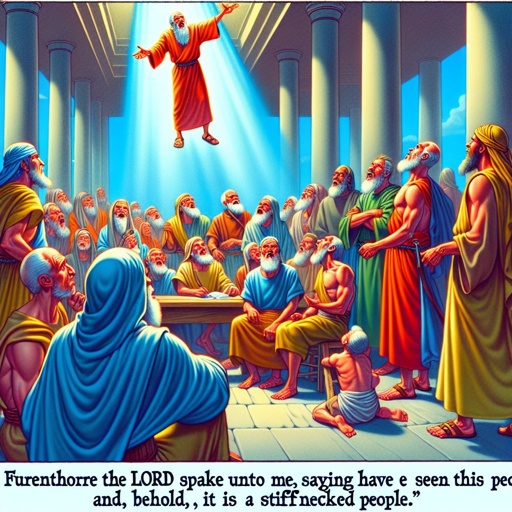
Deuteronomy 9:13 - "Furthermore the LORD spake unto me, saying, I have seen this people, and, behold, it is a stiffnecked people:"
!["Know therefore that the LORD thy God, he [is] God, the faithful God, which keepeth covenant and mercy with them that love him and keep his commandments to a thousand generations;" - Deuteronomy 7:9](https://media.bible.art/0ac331e0-cd15-42cb-b162-6fdfffd70681-thumbnail.jpg)
"Know therefore that the LORD thy God, he [is] God, the faithful God, which keepeth covenant and mercy with them that love him and keep his commandments to a thousand generations;" - Deuteronomy 7:9

Deuteronomy 27:7 - "And thou shalt offer peace offerings, and shalt eat there, and rejoice before the LORD thy God."

Deuteronomy 7:21 - "Thou shalt not be affrighted at them: for the LORD thy God is among you, a mighty God and terrible."
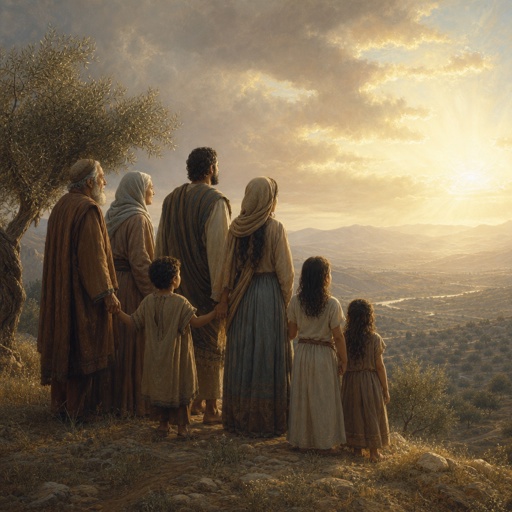
"Know therefore that the LORD thy God, he is God, the faithful God, which keepeth covenant and mercy with them that love him and keep his commandments to a thousand generations;" - Deuteronomy 7:9