What does Ecclesiastes 2:14 mean?
“The wise man’s eyes are in his head; but the fool walketh in darkness: and I myself perceived also that one event happeneth to them all.” — Ecclesiastes 2:14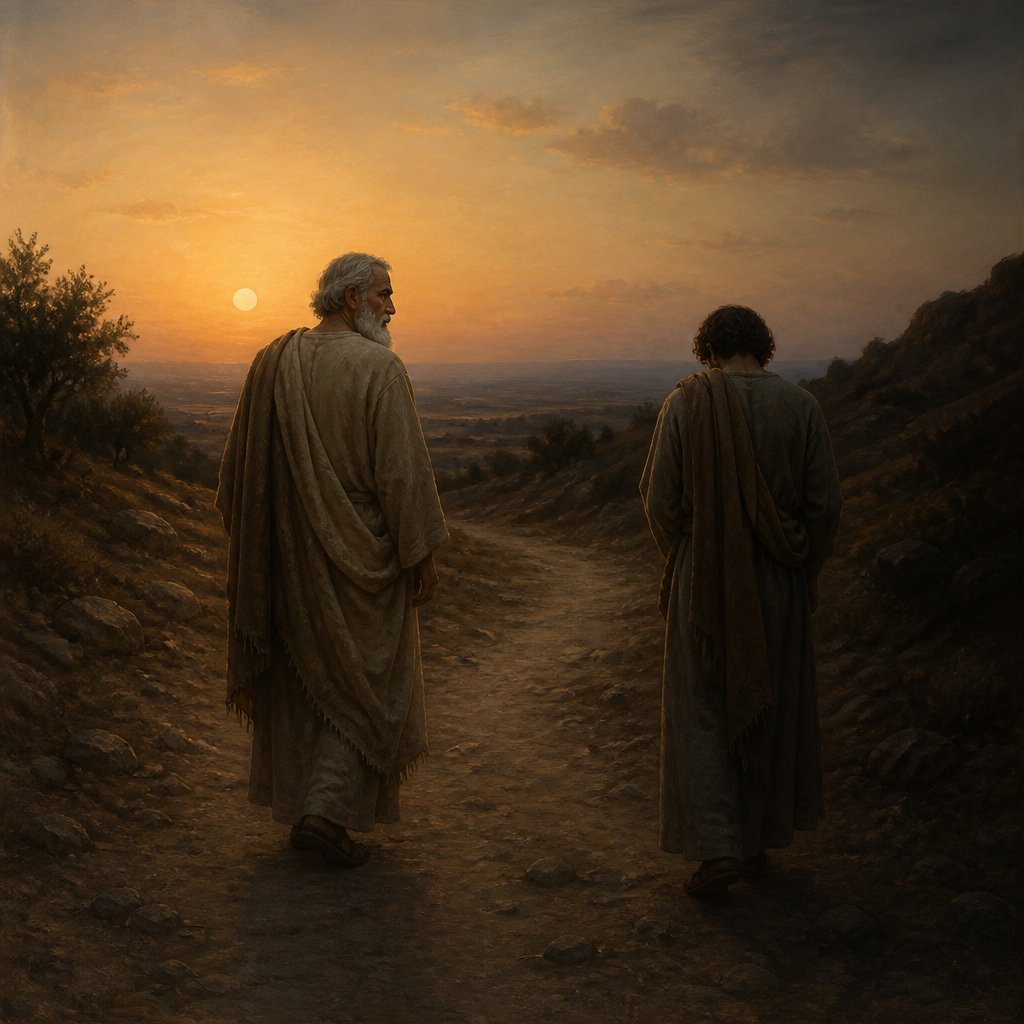
Ecclesiastes 2:14 reads in the King James Version: "The wise man's eyes are in his head; but the fool walketh in darkness: and I myself perceived also that one event happeneth to them all."
This verse is part of the book of Ecclesiastes, which is traditionally attributed to King Solomon, the wisest and wealthiest king of Israel. The book is known for its existential and philosophical reflection on the meaning of life. The verse talks about the difference between wisdom and foolishness, and the ultimate fate that befalls both the wise and the fool.
The first part of the verse, "The wise man's eyes are in his head," describes the perception and understanding of a wise person. The eyes here symbolize insight and discernment, which are traits commonly associated with wisdom. The head is often considered the seat of intellect and reason, and the verse suggests that wisdom resides in the mind and heart of the wise.
In contrast, the second part of the verse, "but the fool walketh in darkness," highlights the lack of insight and understanding in a foolish person. Walking in darkness symbolizes a lack of direction, knowledge, and understanding. This imagery is a common metaphor for ignorance and spiritual blindness throughout the Bible.
The concluding statement, "and I myself perceived also that one event happeneth to them all," underscores the ultimate fate that befalls both the wise and the fool. Regardless of wisdom or folly, all people are subject to the same inevitable events in life, including death, suffering, and the unforeseeable nature of the future.
One of the central themes in this verse is the pursuit of wisdom and the realization that wisdom does not shield a person from the common experiences of life. It acknowledges the value of wisdom but also the limitations of human understanding in the face of universal truths and events that affect all people. This theme aligns with the broader existential and philosophical exploration found throughout the book of Ecclesiastes.
The verse also highlights the contrast between light and darkness, wisdom and foolishness, which are recurring motifs in the Bible. In the Bible, light is often associated with knowledge, enlightenment, and the presence of God, while darkness represents ignorance, evil, and spiritual blindness. This duality of light and darkness is a recurring theme that underscores the stark contrast between wisdom and folly.
The verse can also be interpreted in the context of the broader biblical narrative, particularly in relation to the concept of fear of the Lord as the beginning of wisdom. The fear of the Lord is often seen as the foundation of wisdom in the Old Testament, and it is contrasted with the foolishness of denying or ignoring the existence and authority of God. This verse can be seen as a reminder of the importance of acknowledging and revering God in the pursuit of true wisdom.
In conclusion, Ecclesiastes 2:14 offers a profound reflection on the nature of wisdom and foolishness, the universal experiences of human life, and the ultimate fate that befalls all people. It is a verse that encourages introspection, humility, and recognition of the limitations of human wisdom in the face of life's complexities. It also serves as a reminder of the importance of seeking true wisdom and acknowledging the ultimate authority of God in the pursuit of understanding.
Get our apps


Artwork for Ecclesiastes 2:14

Ecclesiastes 2:14 - "The wise man's eyes are in his head; but the fool walketh in darkness: and I myself perceived also that one event happeneth to them all."
"The wise man's eyes are in his head; but the fool walketh in darkness: and I myself perceived also that one event happeneth to them all." - Ecclesiastes 2:14

Ecclesiastes 5:14 - "But those riches perish by evil travail: and he begetteth a son, and there is nothing in his hand."

Ecclesiastes 4:14 - "For out of prison he cometh to reign; whereas also he that is born in his kingdom becometh poor."

Ecclesiastes 1:14 - "I have seen all the works that are done under the sun; and, behold, all is vanity and vexation of spirit."

Ecclesiastes 2:2 - "I said of laughter, It is mad: and of mirth, What doeth it?"

ecclesiastes 12:2-6

Ecclesiastes 12:14 - "For God shall bring every work into judgment, with every secret thing, whether it be good, or whether it be evil."

Ecclesiastes 9:14 - "There was a little city, and few men within it; and there came a great king against it, and besieged it, and built great bulwarks against it:"
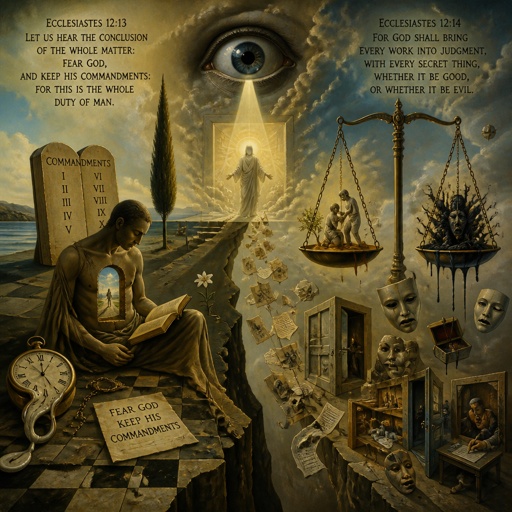
Ecclesiastes 12:13 Let us hear the conclusion of the whole matter: Fear God, and keep his commandments: for this is the whole duty of man. Ecclesiastes 12:14 For God shall bring every work into judgment, with every secret thing, whether it be good, or whether it be evil.
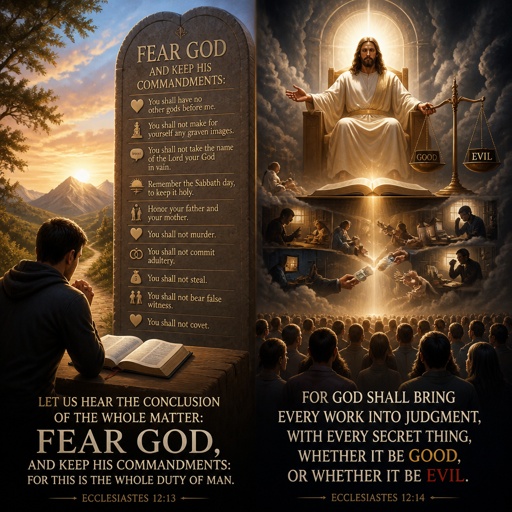
Ecclesiastes 12:13 Let us hear the conclusion of the whole matter: Fear God, and keep his commandments: for this is the whole duty of man. Ecclesiastes 12:14 For God shall bring every work into judgment, with every secret thing, whether it be good, or whether it be evil.

Ecclesiastes 10:14 - "A fool also is full of words: a man cannot tell what shall be; and what shall be after him, who can tell him?"

Ecclesiastes 1:2 - "Vanity of vanities, saith the Preacher, vanity of vanities; all is vanity."

Ecclesiastes 2:13 - "Then I saw that wisdom excelleth folly, as far as light excelleth darkness."

Ecclesiastes 8:2 - "I counsel thee to keep the king's commandment, and that in regard of the oath of God."

Ecclesiastes 7:14 - "In the day of prosperity be joyful, but in the day of adversity consider: God also hath set the one over against the other, to the end that man should find nothing after him."

Ecclesiastes 3:2 - "A time to be born, and a time to die; a time to plant, and a time to pluck up that which is planted;"

Ecclesiastes 2:25 - "For who can eat, or who else can hasten hereunto, more than I?"

Ecclesiastes 10:2 - "A wise man's heart is at his right hand; but a fool's heart at his left."

"I said of laughter, It is mad: and of mirth, What doeth it?" - Ecclesiastes 2:2

Ecclesiastes 2:5 - "I made me gardens and orchards, and I planted trees in them of all kind of fruits:"

Ecclesiastes 2:6 - "I made me pools of water, to water therewith the wood that bringeth forth trees:"

"While the sun, or the light, or the moon, or the stars, be not darkened, nor the clouds return after the rain:" - Ecclesiastes 12:2

Ecclesiastes 12:2 - "While the sun, or the light, or the moon, or the stars, be not darkened, nor the clouds return after the rain:"

Ecclesiastes 3:14 - "I know that, whatsoever God doeth, it shall be for ever: nothing can be put to it, nor any thing taken from it: and God doeth it, that men should fear before him."

Ecclesiastes 2:4 - "I made me great works; I builded me houses; I planted me vineyards:"

Ecclesiastes 4:2 - "Wherefore I praised the dead which are already dead more than the living which are yet alive."

Ecclesiastes 11:2 - "Give a portion to seven, and also to eight; for thou knowest not what evil shall be upon the earth."
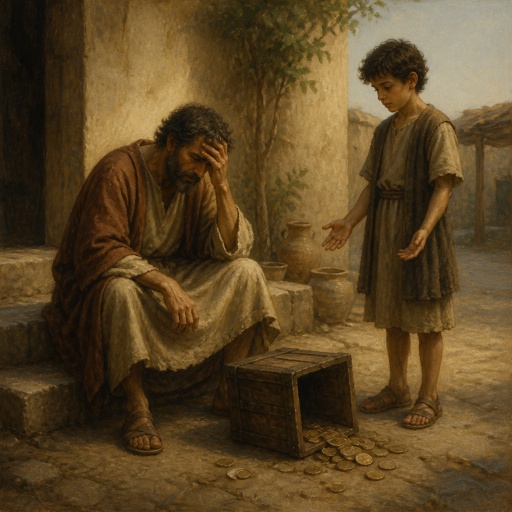
"But those riches perish by evil travail: and he begetteth a son, and there is nothing in his hand." - Ecclesiastes 5:14

Ecclesiastes 8:14 - "There is a vanity which is done upon the earth; that there be just men, unto whom it happeneth according to the work of the wicked; again, there be wicked men, to whom it happeneth according to the work of the righteous: I said that this also is vanity."