What does Ecclesiastes 3:5 mean?
“A time to cast away stones, and a time to gather stones together; a time to embrace, and a time to refrain from embracing;” — Ecclesiastes 3:5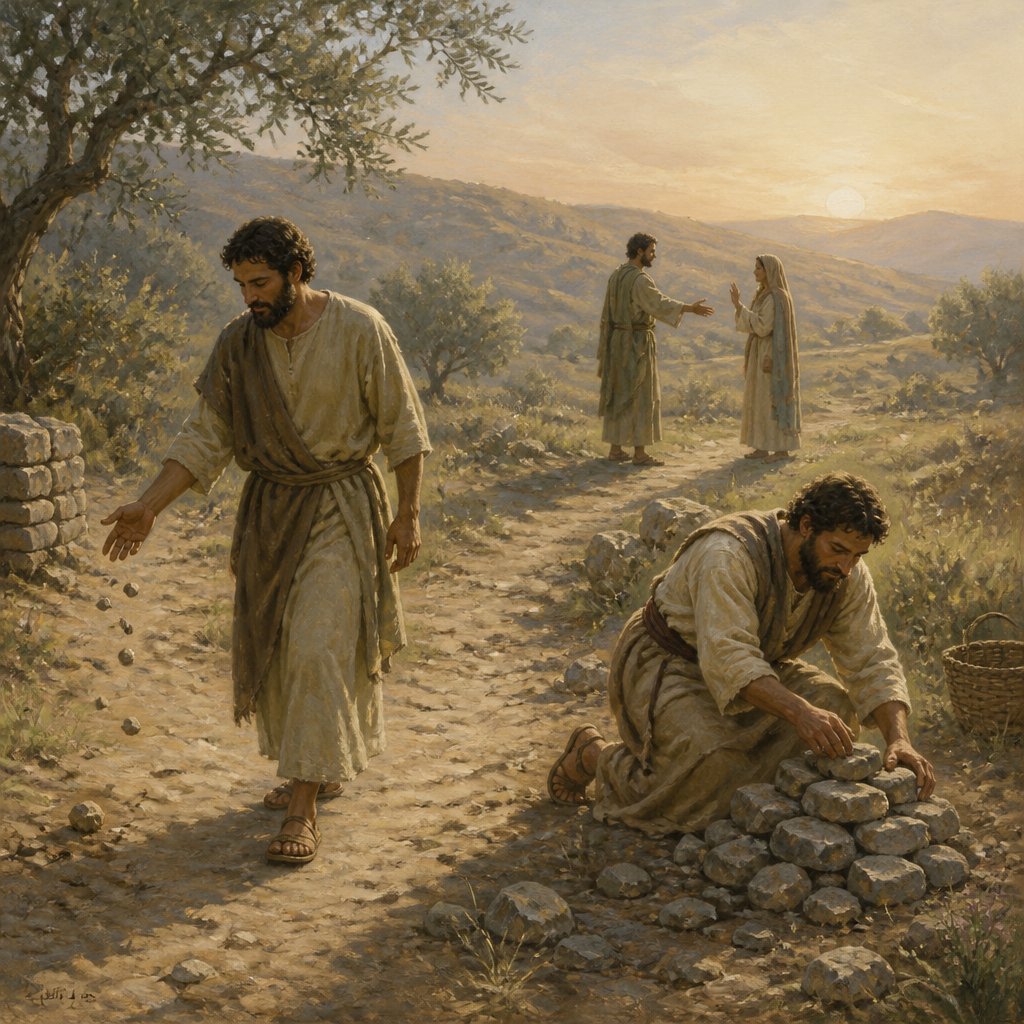
“To everything there is a season, and a time to every purpose under the heaven: A time to plant, and a time to pluck up that which is planted” (Ecclesiastes 3:1-3, KJV).
The book of Ecclesiastes is one of the most profound and thought-provoking books in the Bible. It is a book of wisdom literature, traditionally attributed to King Solomon, who is thought to have written it towards the end of his life. The main theme of Ecclesiastes is the futility of life and the quest for meaning in a world that is full of uncertainty and impermanence. Throughout the book, the author reflects on the fleeting nature of human existence and the often-enigmatic ways in which events unfold.
The verses in Ecclesiastes 3:1-3 speak to the cyclical nature of life. There is a time for everything, and everything has its season. This verse acknowledges the inevitability of change and the constant ebb and flow of life. The passage suggests that each event in human life – whether joyous or sorrowful – is part of a larger rhythm, determined by forces beyond human control. It is a reminder that we are not in ultimate control of our circumstances, and that we must accept and embrace the changing seasons of life.
The specific verse Ecclesiastes 3:5 addresses the particular theme of planting and harvesting. There is a time to sow seeds and nurture the earth, and there is also a time to reap the fruits of our labor. This statement is both literal and metaphorical, as it speaks to the natural cycles of agricultural life, while also offering a more profound reflection on the rhythms of human effort and reward. It is a reminder that hard work and patience are necessary for success, and that we must trust in the timing of our efforts.
In the context of Ecclesiastes as a whole, this verse serves as a poignant reflection on the human condition. Just as the farmer must wait for the right season to plant and harvest, so too must we accept the timing of our own lives. There are times for growth and times for reaping the rewards of our labor, and we must have faith that everything will come to fruition in its own time. This verse encourages us to align ourselves with the natural order of life, allowing for the ebb and flow of seasons to guide our actions.
The symbolism in this verse is rich and multilayered. The act of planting and harvesting is a powerful metaphor for the human experience. It represents the cycle of birth, growth, and death that characterizes all living things. Just as a seed must be planted and nurtured in order to produce fruit, so too must we invest time and effort into our own personal growth in order to achieve our goals. The act of harvesting, in turn, represents the enjoyment of the fruits of our labor, as well as the cyclical nature of life and the inevitability of change.
This verse also serves as a reminder of the importance of patience and perseverance. The farmer cannot expect to see immediate results from his efforts; he must trust in the natural process of growth and development. Similarly, in our own lives, we must learn to be patient and trust in the unfolding of events. We must accept that there are times when we must wait for the right moment to act, and times when we will see the rewards of our labor.
In conclusion, Ecclesiastes 3:5 is a powerful and timeless reflection on the cycles of life and the inevitability of change. It encourages us to embrace the natural rhythms of existence, and to have faith in the timing of our own lives. It reminds us that there is a time for every purpose under heaven, and that we must trust in the unfolding of events. This verse offers a profound and comforting message to all who seek meaning and purpose in a world that is constantly in flux.
Get our apps


Artwork for Ecclesiastes 3:5

Ecclesiastes 3:5 - "A time to cast away stones, and a time to gather stones together; a time to embrace, and a time to refrain from embracing;"
"A time to cast away stones, and a time to gather stones together; a time to embrace, and a time to refrain from embracing;" - Ecclesiastes 3:5

Ecclesiastes 5:3 - "For a dream cometh through the multitude of business; and a fool's voice is known by multitude of words."
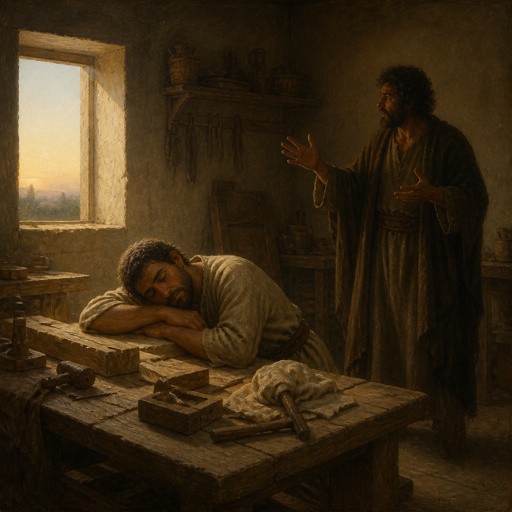
"For a dream cometh through the multitude of business; and a fool's voice is known by multitude of words." - Ecclesiastes 5:3

Ecclesiastes 5:5 - "Better is it that thou shouldest not vow, than that thou shouldest vow and not pay."

Ecclesiastes 3:1

Ecclesiastes 3:3 - "A time to kill, and a time to heal; a time to break down, and a time to build up;"

Ecclesiastes 3:7-8

Ecclesiastes 3:1 – "There is a time for everything, and a season for every activity under the heavens."

Ecclesiastes 5:9 - "¶ Moreover the profit of the earth is for all: the king himself is served by the field."

Ecclesiastes 4:5 - "The fool foldeth his hands together, and eateth his own flesh."

Ecclesiastes 3:1 - "To every thing there is a season, and a time to every purpose under the heaven:"

Ecclesiastes 3:9 - "What profit hath he that worketh in that wherein he laboureth?"

Ecclesiastes 3:4 - "A time to weep, and a time to laugh; a time to mourn, and a time to dance;"

Ecclesiastes 3:8 - "A time to love, and a time to hate; a time of war, and a time of peace."

Ecclesiastes 7:5 - "It is better to hear the rebuke of the wise, than for a man to hear the song of fools."

Ecclesiastes 5:7 - "For in the multitude of dreams and many words there are also divers vanities: but fear thou God."

Ecclesiastes 3:6 - "A time to get, and a time to lose; a time to keep, and a time to cast away;"

Ecclesiastes 7:3 - "Sorrow is better than laughter: for by the sadness of the countenance the heart is made better."

Ecclesiastes 3:7 - "A time to rend, and a time to sew; a time to keep silence, and a time to speak;"

Ecclesiastes 5:14 - "But those riches perish by evil travail: and he begetteth a son, and there is nothing in his hand."

Ecclesiastes 10:5 - "There is an evil which I have seen under the sun, as an error which proceedeth from the ruler:"

Ecclesiastes 2:5 - "I made me gardens and orchards, and I planted trees in them of all kind of fruits:"

Ecclesiastes 3:21 - "Who knoweth the spirit of man that goeth upward, and the spirit of the beast that goeth downward to the earth?"

Ecclesiastes 3:2 - "A time to be born, and a time to die; a time to plant, and a time to pluck up that which is planted;"

Ecclesiastes 3:16 - "¶ And moreover I saw under the sun the place of judgment, that wickedness was there; and the place of righteousness, that iniquity was there."

Ecclesiastes 3:20 - "All go unto one place; all are of the dust, and all turn to dust again."

"Better is it that thou shouldest not vow, than that thou shouldest vow and not pay." - Ecclesiastes 5:5

Ecclesiastes 3:12 - "I know that there is no good in them, but for a man to rejoice, and to do good in his life."

Ecclesiastes 1:5 - "The sun also ariseth, and the sun goeth down, and hasteth to his place where he arose."