What does Ecclesiastes 3:14 mean?
“I know that, whatsoever God doeth, it shall be for ever: nothing can be put to it, nor any thing taken from it: and God doeth it, that men should fear before him.” — Ecclesiastes 3:14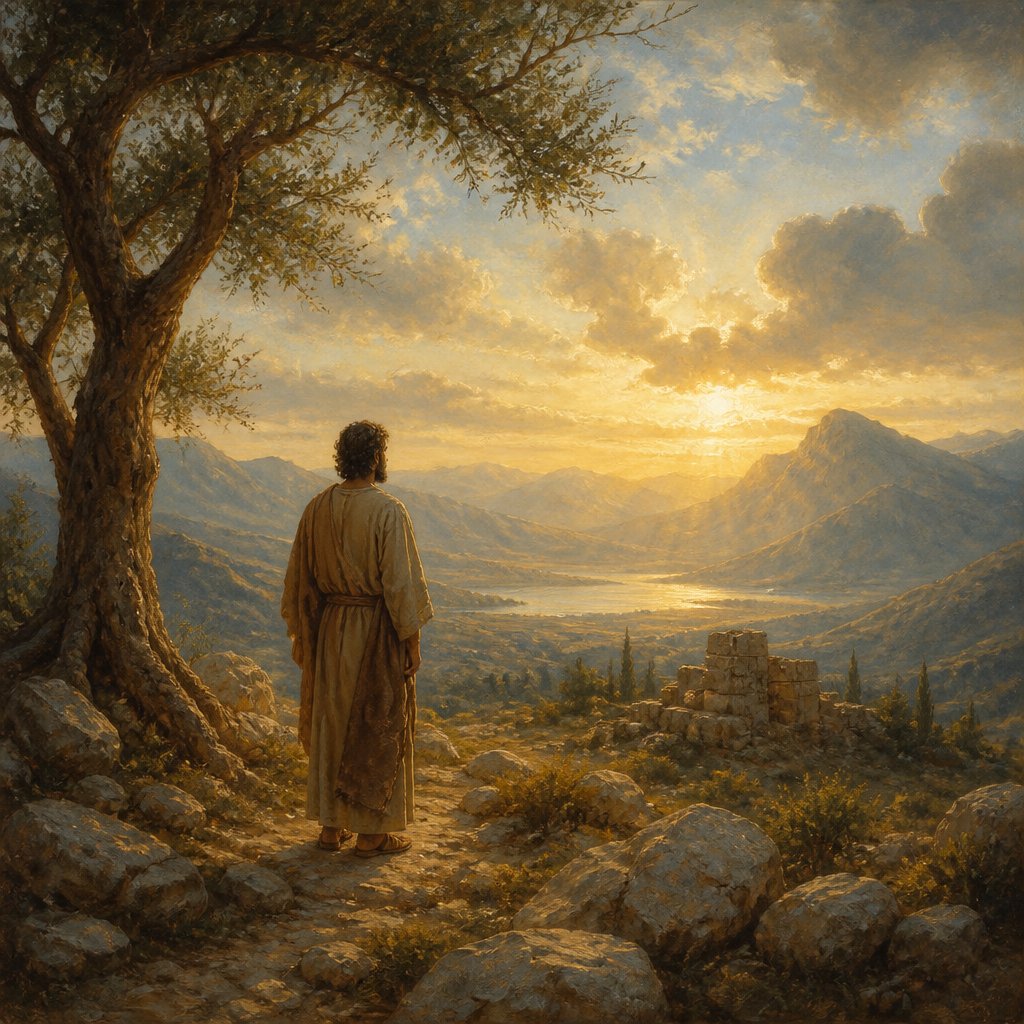
Ecclesiastes 3:14 "I know that, whatsoever God doeth, it shall be for ever: nothing can be put to it, nor any thing taken from it: and God doeth it, that men should fear before him."
The book of Ecclesiastes, attributed to King Solomon, is known for its deep philosophical reflections on the meaning of life and the human experience. In this verse, the author contemplates the sovereignty of God and the eternal nature of His works. There are several key themes and layers of meaning to unpack in this verse, including the eternal nature of God's work, the fear of the Lord, and the concept of divine sovereignty.
One of the prominent themes in this verse is the eternal nature of God's work. The author acknowledges that whatever God does is everlasting. This speaks to the unchanging nature of God and His works throughout history. It also conveys a sense of permanence and stability that comes with trusting in God's plan and providence. This theme can offer reassurance and comfort to those who are facing uncertainty or challenges, as it underscores the enduring nature of God's actions in the world.
The verse also emphasizes the idea that nothing can be added to or taken away from God's work. This speaks to the completeness and perfection of God's plan. It reminds readers that God's sovereignty is absolute and His will is unalterable. This concept can inspire a sense of humility and reverence for God's wisdom and power, as it underscores the limitations of human understanding and control in the face of God's divine plan.
Another important theme in this verse is the fear of the Lord. The author suggests that God's actions are intended to inspire awe and reverence in humanity. The fear of the Lord is a recurring theme in the Bible, and it refers to a deep respect and reverence for God's authority and holiness. This fear is not based on dread or terror, but rather on recognizing God's greatness and submitting to His will. The verse indicates that God's works are meant to elicit this reverence from humanity, highlighting the importance of acknowledging and honoring God's sovereignty in our lives.
The concept of divine sovereignty is also central to this verse. The author acknowledges that God is the ultimate agent behind all that occurs, and His purposes are beyond human manipulation or alteration. This highlights the belief in God's control over the universe and His ability to fulfill His divine plan. This theme can offer solace and confidence to those who trust in God's providence, as it affirms His power and faithfulness in guiding the course of history.
Symbolism is also present in this verse, particularly in the imagery of God's unchanging and unalterable works. The verse uses language that conveys a sense of permanence and steadfastness, reflecting the enduring nature of God's actions. This symbolism underscores the reliability and constancy of God's character, serving as a source of hope and assurance for those who place their faith in Him.
In conclusion, Ecclesiastes 3:14 conveys profound themes of the eternal nature of God's work, the fear of the Lord, and the concept of divine sovereignty. It offers a deep reflection on the unchanging and unalterable nature of God's actions, emphasizing the reverence and humility that should accompany our understanding of His sovereignty. This verse serves as a powerful reminder of God's enduring presence and control over the course of human history, inviting readers to trust in His eternal plan and acknowledge His greatness.
Get our apps


Artwork for Ecclesiastes 3:14

Ecclesiastes 3:14 - "I know that, whatsoever God doeth, it shall be for ever: nothing can be put to it, nor any thing taken from it: and God doeth it, that men should fear before him."
"I know that, whatsoever God doeth, it shall be for ever: nothing can be put to it, nor any thing taken from it: and God doeth it, that men should fear before him." - Ecclesiastes 3:14

Ecclesiastes 3:1

Ecclesiastes 3:3 - "A time to kill, and a time to heal; a time to break down, and a time to build up;"

Ecclesiastes 3:7-8

Ecclesiastes 3:1 – "There is a time for everything, and a season for every activity under the heavens."

Ecclesiastes 3:1 - "To every thing there is a season, and a time to every purpose under the heaven:"

Ecclesiastes 3:9 - "What profit hath he that worketh in that wherein he laboureth?"

Ecclesiastes 3:4 - "A time to weep, and a time to laugh; a time to mourn, and a time to dance;"

Ecclesiastes 3:8 - "A time to love, and a time to hate; a time of war, and a time of peace."

Ecclesiastes 5:14 - "But those riches perish by evil travail: and he begetteth a son, and there is nothing in his hand."

Ecclesiastes 3:6 - "A time to get, and a time to lose; a time to keep, and a time to cast away;"

Ecclesiastes 7:3 - "Sorrow is better than laughter: for by the sadness of the countenance the heart is made better."

Ecclesiastes 4:14 - "For out of prison he cometh to reign; whereas also he that is born in his kingdom becometh poor."

Ecclesiastes 1:14 - "I have seen all the works that are done under the sun; and, behold, all is vanity and vexation of spirit."

Ecclesiastes 3:7 - "A time to rend, and a time to sew; a time to keep silence, and a time to speak;"

Ecclesiastes 12:14 - "For God shall bring every work into judgment, with every secret thing, whether it be good, or whether it be evil."

Ecclesiastes 3:21 - "Who knoweth the spirit of man that goeth upward, and the spirit of the beast that goeth downward to the earth?"

Ecclesiastes 3:2 - "A time to be born, and a time to die; a time to plant, and a time to pluck up that which is planted;"

Ecclesiastes 3:16 - "¶ And moreover I saw under the sun the place of judgment, that wickedness was there; and the place of righteousness, that iniquity was there."

Ecclesiastes 3:20 - "All go unto one place; all are of the dust, and all turn to dust again."

Ecclesiastes 3:12 - "I know that there is no good in them, but for a man to rejoice, and to do good in his life."

Ecclesiastes 5:3 - "For a dream cometh through the multitude of business; and a fool's voice is known by multitude of words."

Ecclesiastes 9:14 - "There was a little city, and few men within it; and there came a great king against it, and besieged it, and built great bulwarks against it:"
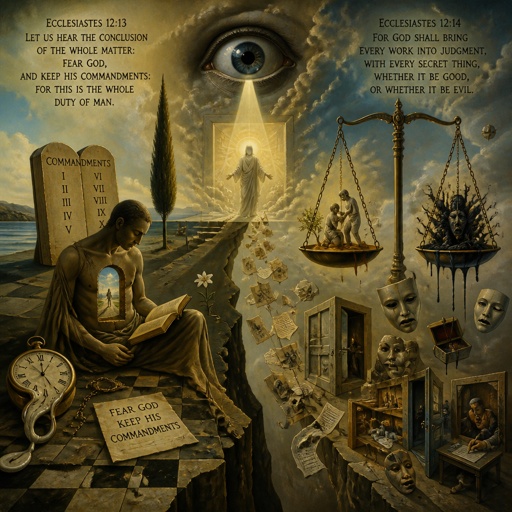
Ecclesiastes 12:13 Let us hear the conclusion of the whole matter: Fear God, and keep his commandments: for this is the whole duty of man. Ecclesiastes 12:14 For God shall bring every work into judgment, with every secret thing, whether it be good, or whether it be evil.

Ecclesiastes 1:3 - "What profit hath a man of all his labour which he taketh under the sun?"

Ecclesiastes 3:15 - "That which hath been is now; and that which is to be hath already been; and God requireth that which is past."

Ecclesiastes 3:10 - "I have seen the travail, which God hath given to the sons of men to be exercised in it."
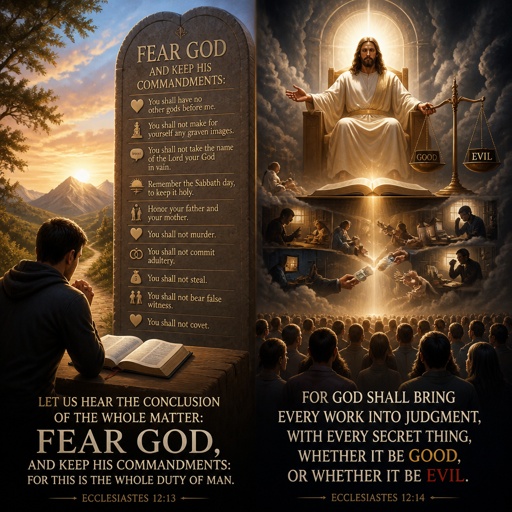
Ecclesiastes 12:13 Let us hear the conclusion of the whole matter: Fear God, and keep his commandments: for this is the whole duty of man. Ecclesiastes 12:14 For God shall bring every work into judgment, with every secret thing, whether it be good, or whether it be evil.

Ecclesiastes 2:14 - "The wise man's eyes are in his head; but the fool walketh in darkness: and I myself perceived also that one event happeneth to them all."