What does Ecclesiastes 3:22 mean?
“Wherefore I perceive that there is nothing better, than that a man should rejoice in his own works; for that is his portion: for who shall bring him to see what shall be after him?” — Ecclesiastes 3:22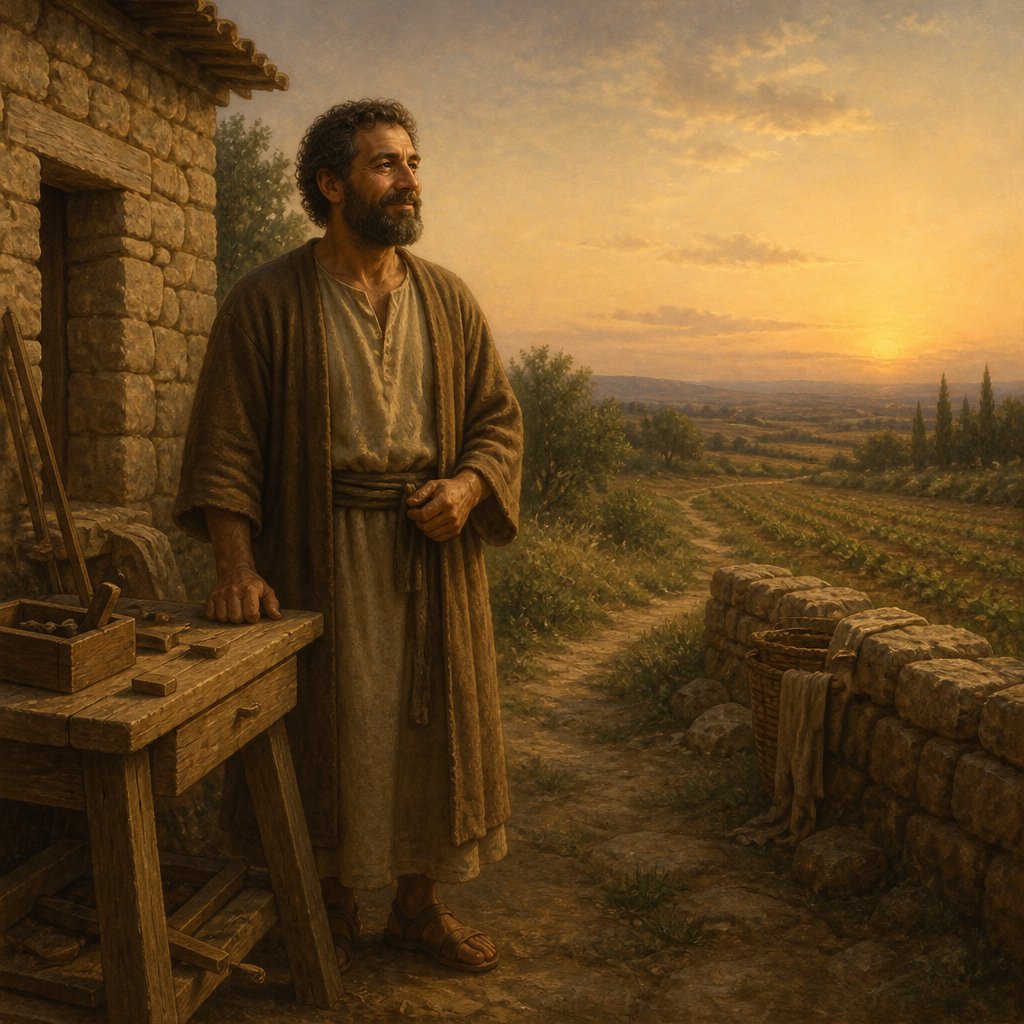
Ecclesiastes 3:22 in the King James Version of the Bible states, “Wherefore I perceive that there is nothing better, than that a man should rejoice in his own works; for that is his portion: for who shall bring him to see what shall be after him?” This verse is part of a larger passage in the book of Ecclesiastes, which is often attributed to King Solomon, who is traditionally considered the author of the book. In this passage, Solomon reflects on the fleeting nature of life and the futility of human labor, ultimately coming to the conclusion that the only meaningful pursuit is to find joy in one's own labor.
The book of Ecclesiastes is a complex and introspective work that has puzzled and fascinated scholars and readers for centuries. It explores profound and existential questions about the purpose of life, the nature of happiness, and the meaning of human endeavor. In this particular verse, Solomon concludes that there is nothing more fulfilling than finding joy in one's own work, as it is the only sure reward one can have in this life.
The overarching theme of Ecclesiastes 3:22 is the idea that human labor and toil are ultimately meaningless in the grand scheme of things. Solomon's reflections on the transitory nature of life and the inevitability of death lead him to question the purpose of human labor and achievement. He observes that the fruits of one's labor may ultimately benefit others, but ultimately, no one can guarantee that their efforts will lead to enduring fulfillment or legacy. At the same time, Solomon offers an insightful and hopeful perspective, suggesting that finding joy in one's own work can be a source of personal satisfaction and contentment, even if it does not lead to greater recognition or rewards.
The context of this verse is important in understanding its deeper meaning. In the preceding verses, Solomon reflects on the cycles and seasons of life, and how everything has its appointed time. He muses on the inscrutable ways of God and the limits of human understanding, ultimately acknowledging that human wisdom and achievement are fleeting in the face of eternity. It is within this broader context of existential reflection and meditation on the human condition that Solomon's conclusion about finding joy in one's own work gains additional resonance.
In terms of symbolism, the notion of finding joy in one's own works can be seen as a metaphor for finding fulfillment in the everyday tasks and responsibilities of life. It speaks to the idea of finding meaning and satisfaction in the ordinary, mundane, and often overlooked aspects of existence. By emphasizing the value of personal satisfaction and contentment, Solomon's words challenge the prevailing cultural emphasis on success, status, and external validation.
Ecclesiastes 3:22 offers a profound and timeless message about the nature of human labor and the pursuit of happiness. It encourages readers to find joy in their own works, to take pleasure in the process of creation and contribution, and to find fulfillment in the present moment rather than fixating on future outcomes or legacies. Ultimately, the verse reminds us that true satisfaction and contentment can be found within ourselves, in the everyday actions and endeavors that make up our lives. It is a message that transcends time and culture, speaking to the universal human experience of seeking purpose and meaning in the midst of life's fleeting and uncertain nature.
Get our apps


Artwork for Ecclesiastes 3:22

Ecclesiastes 3:22 - "Wherefore I perceive that there is nothing better, than that a man should rejoice in his own works; for that is his portion: for who shall bring him to see what shall be after him?"
"Wherefore I perceive that there is nothing better, than that a man should rejoice in his own works; for that is his portion: for who shall bring him to see what shall be after him?" - Ecclesiastes 3:22

Ecclesiastes 3:1

Ecclesiastes 3:3 - "A time to kill, and a time to heal; a time to break down, and a time to build up;"

Ecclesiastes 3:7-8

Ecclesiastes 3:1 – "There is a time for everything, and a season for every activity under the heavens."

Ecclesiastes 7:22 - "For oftentimes also thine own heart knoweth that thou thyself likewise hast cursed others."

Ecclesiastes 3:9 - "What profit hath he that worketh in that wherein he laboureth?"

Ecclesiastes 3:1 - "To every thing there is a season, and a time to every purpose under the heaven:"

Ecclesiastes 3:4 - "A time to weep, and a time to laugh; a time to mourn, and a time to dance;"

Ecclesiastes 3:8 - "A time to love, and a time to hate; a time of war, and a time of peace."

Ecclesiastes 2:22 - "For what hath man of all his labour, and of the vexation of his heart, wherein he hath laboured under the sun?"

Ecclesiastes 3:6 - "A time to get, and a time to lose; a time to keep, and a time to cast away;"

Ecclesiastes 7:3 - "Sorrow is better than laughter: for by the sadness of the countenance the heart is made better."

Ecclesiastes 3:7 - "A time to rend, and a time to sew; a time to keep silence, and a time to speak;"

Ecclesiastes 3:21 - "Who knoweth the spirit of man that goeth upward, and the spirit of the beast that goeth downward to the earth?"

Ecclesiastes 3:2 - "A time to be born, and a time to die; a time to plant, and a time to pluck up that which is planted;"

Ecclesiastes 3:16 - "¶ And moreover I saw under the sun the place of judgment, that wickedness was there; and the place of righteousness, that iniquity was there."

Ecclesiastes 3:20 - "All go unto one place; all are of the dust, and all turn to dust again."

Ecclesiastes 3:12 - "I know that there is no good in them, but for a man to rejoice, and to do good in his life."

Ecclesiastes 5:3 - "For a dream cometh through the multitude of business; and a fool's voice is known by multitude of words."

Ecclesiastes 1:3 - "What profit hath a man of all his labour which he taketh under the sun?"

Ecclesiastes 3:15 - "That which hath been is now; and that which is to be hath already been; and God requireth that which is past."

Ecclesiastes 3:10 - "I have seen the travail, which God hath given to the sons of men to be exercised in it."

Ecclesiastes 3:13 - "And also that every man should eat and drink, and enjoy the good of all his labour, it is the gift of God."

Ecclesiastes 3:1 – "There is a time for everything, and a season for every activity under the heavens." r

Ecclesiastes 3:17 - "I said in mine heart, God shall judge the righteous and the wicked: for there is a time there for every purpose and for every work."

Ecclesiastes 3:5 - "A time to cast away stones, and a time to gather stones together; a time to embrace, and a time to refrain from embracing;"

Ecclesiastes 8:3 - "Be not hasty to go out of his sight: stand not in an evil thing; for he doeth whatsoever pleaseth him."
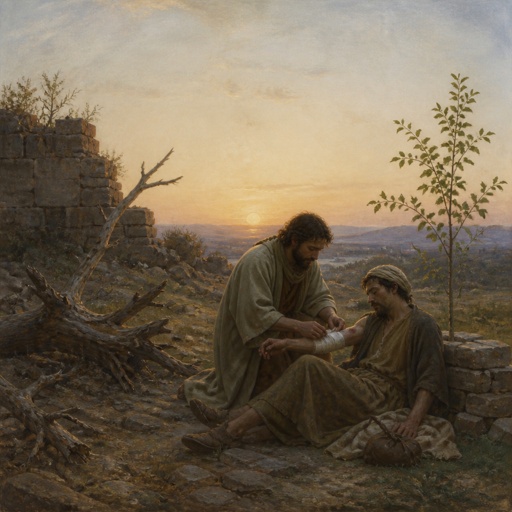
"A time to kill, and a time to heal; a time to break down, and a time to build up;" - Ecclesiastes 3:3