What does Ecclesiastes 5:1 mean?
“Keep thy foot when thou goest to the house of God, and be more ready to hear, than to give the sacrifice of fools: for they consider not that they do evil.” — Ecclesiastes 5:1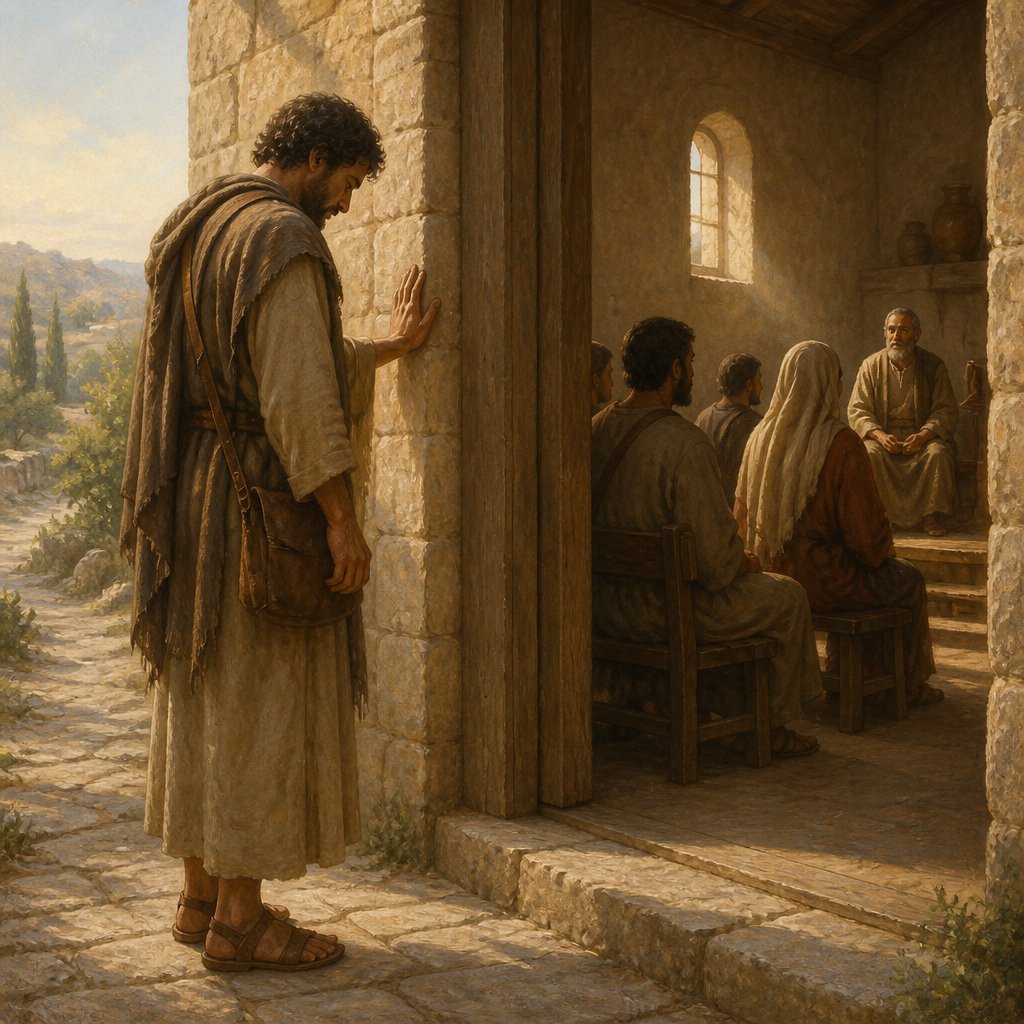
Ecclesiastes 5:1 in the King James Version of the Bible reads, "Keep thy foot when thou goest to the house of God, and be more ready to hear, than to give the sacrifice of fools: for they consider not that they do evil." This verse comes from the Old Testament book of Ecclesiastes and is attributed to King Solomon. The book is known for its deep and often philosophical reflections on the meaning of life and the nature of existence.
The verse begins with the admonition to "keep thy foot when thou goest to the house of God." This can be understood as a metaphorical call to approach the presence of God with reverence and caution. The act of "keeping thy foot" implies being mindful and deliberate in one's actions, particularly when entering a sacred space such as a place of worship. This instruction is a reminder that when we come before God, we should do so with a sense of humility and respect.
The verse goes on to urge the listener to "be more ready to hear, than to give the sacrifice of fools." Here, the emphasis is on the importance of listening and being receptive to wisdom and instruction. It suggests that true worship and reverence for God come not from empty rituals or sacrifices, but from a willingness to listen and learn. The "sacrifice of fools" is a reference to insincere or thoughtless offerings, which are contrasted with the attentive and open-hearted posture of one who is truly seeking to understand and follow God's will.
The concluding phrase, "for they consider not that they do evil," serves as a warning against mindless or careless worship. It highlights the danger of approaching God with a lack of understanding or a disregard for spiritual discernment. The verse cautions against the potential for unwittingly engaging in misguided or harmful actions in the name of religion.
In a broader context, this verse can be seen as part of a larger theme within Ecclesiastes that emphasizes the fleeting nature of worldly pursuits and the ultimate futility of human endeavors apart from a proper reverence for and relationship with God. The verse also speaks to the importance of sincerity and intentionality in one's devotion and worship. It challenges the listener to examine the motives behind their actions and to approach God with a humble and teachable spirit.
Symbolically, the "house of God" represents not only a physical place of worship, but also the presence of God in the lives of believers. "Keeping thy foot" can be understood as a call to be mindful of one's spiritual journey and to tread carefully in matters of faith. The contrast between hearing and giving the "sacrifice of fools" serves as a reminder that true worship is rooted in a receptive and attentive heart, rather than in empty or self-serving gestures.
Overall, Ecclesiastes 5:1 offers a profound reflection on the nature of authentic worship and the posture of the believer before God. Its message resonates with timeless themes of humility, attentiveness, and spiritual discernment, challenging the reader to approach the divine with reverence and a willingness to listen and learn.
Get our apps


Artwork for Ecclesiastes 5:1

Ecclesiastes 5:1 - "Keep thy foot when thou goest to the house of God, and be more ready to hear, than to give the sacrifice of fools: for they consider not that they do evil."
"Keep thy foot when thou goest to the house of God, and be more ready to hear, than to give the sacrifice of fools: for they consider not that they do evil." - Ecclesiastes 5:1

Ecclesiastes 1:5 - "The sun also ariseth, and the sun goeth down, and hasteth to his place where he arose."

Ecclesiastes 5:5 - "Better is it that thou shouldest not vow, than that thou shouldest vow and not pay."

"The sun also ariseth, and the sun goeth down, and hasteth to his place where he arose." - Ecclesiastes 1:5

Ecclesiastes 5:9 - "¶ Moreover the profit of the earth is for all: the king himself is served by the field."

Ecclesiastes 4:5 - "The fool foldeth his hands together, and eateth his own flesh."

"The sun also ariseth, and the sun goeth down, and hasteth to his place where he arose." - Ecclesiastes 1:5

Ecclesiastes 7:5 - "It is better to hear the rebuke of the wise, than for a man to hear the song of fools."

Ecclesiastes 5:7 - "For in the multitude of dreams and many words there are also divers vanities: but fear thou God."

ecclesiastes 12:1

ecclesiastes 12:1

Ecclesiastes 5:3 - "For a dream cometh through the multitude of business; and a fool's voice is known by multitude of words."

Ecclesiastes 1:11

ecclesiastes 12:1

Ecclesiastes 3:1

Ecclesiastes 5:14 - "But those riches perish by evil travail: and he begetteth a son, and there is nothing in his hand."

Ecclesiastes 10:5 - "There is an evil which I have seen under the sun, as an error which proceedeth from the ruler:"

Ecclesiastes 2:5 - "I made me gardens and orchards, and I planted trees in them of all kind of fruits:"

"Better is it that thou shouldest not vow, than that thou shouldest vow and not pay." - Ecclesiastes 5:5

Ecclesiastes 5:10 - "He that loveth silver shall not be satisfied with silver; nor he that loveth abundance with increase: this is also vanity."

Ecclesiastes 1:1 - "The words of the Preacher, the son of David, king in Jerusalem."

ecclesiastes 12:1-8

Ecclesiastes 5:13 - "There is a sore evil which I have seen under the sun, namely, riches kept for the owners thereof to their hurt."

Ecclesiastes 5:17 - "All his days also he eateth in darkness, and he hath much sorrow and wrath with his sickness."

Ecclesiastes 5:11 - "When goods increase, they are increased that eat them: and what good is there to the owners thereof, saving the beholding of them with their eyes?"

Ecclesiastes 3:5 - "A time to cast away stones, and a time to gather stones together; a time to embrace, and a time to refrain from embracing;"

Ecclesiastes 8:5 - "Whoso keepeth the commandment shall feel no evil thing: and a wise man's heart discerneth both time and judgment."

Ecclesiastes 5:20 - "For he shall not much remember the days of his life; because God answereth him in the joy of his heart."

ecclesiastes 12:1-8