What does Ecclesiastes 5:10 mean?
“He that loveth silver shall not be satisfied with silver; nor he that loveth abundance with increase: this is also vanity.” — Ecclesiastes 5:10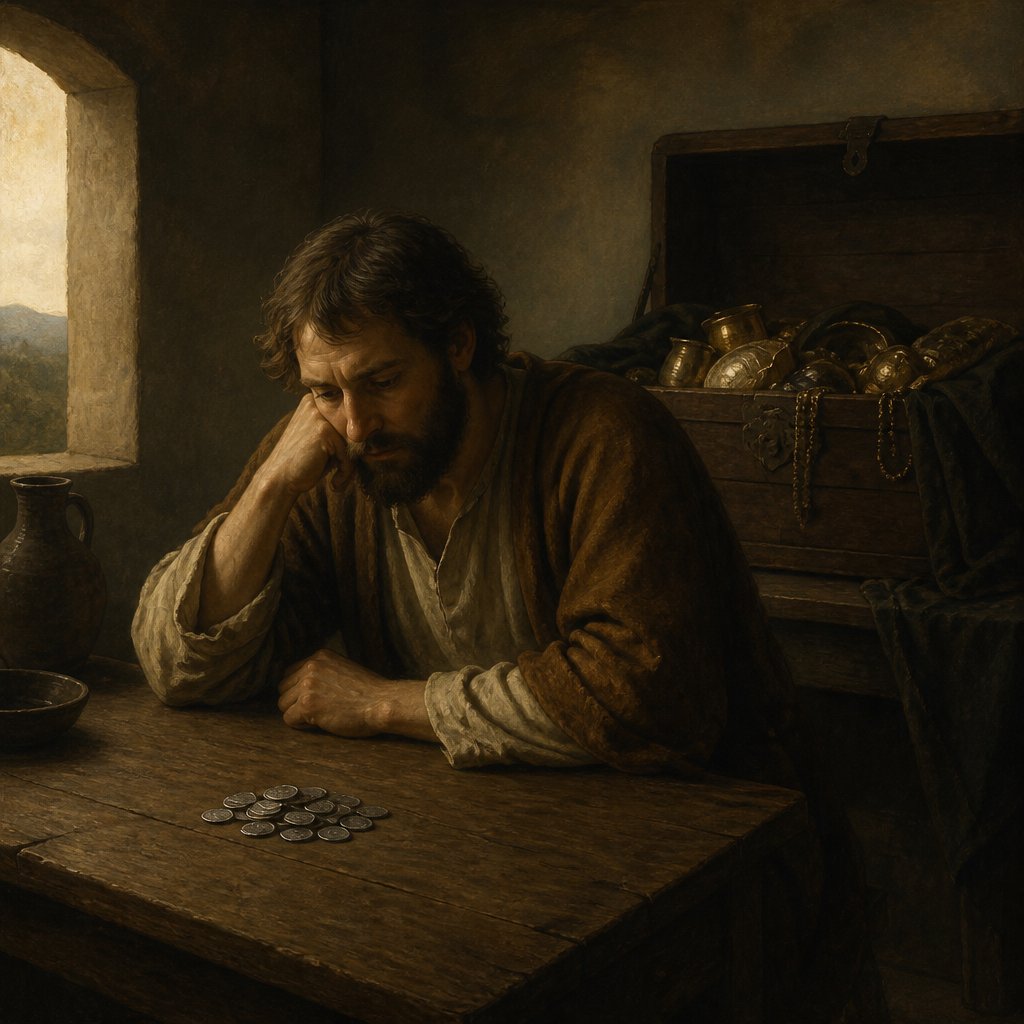
Ecclesiastes 5:10 in the King James Version of the Bible reads, "He that loveth silver shall not be satisfied with silver; nor he that loveth abundance with increase: this is also vanity." This verse is part of the book of Ecclesiastes, which is attributed to King Solomon and is often seen as a philosophical reflection on the meaning of life and the pursuit of happiness.
The themes present in this verse are the pursuit of wealth and material abundance, and the underlying dissatisfaction and futility of this pursuit. The verse warns against the love of silver, or money, and the love of abundance, or material possessions. It suggests that those who seek these things will not find true satisfaction or contentment in them.
The context of this verse is important to understanding its meaning. In the preceding verses, the author discusses the oppression and injustice that often accompany the pursuit of wealth. He observes that those who love money are never satisfied with their wealth, and that it ultimately leads to their own anxiety and trouble. The pursuit of wealth, in this context, is seen as a vain and fruitless endeavor that only brings emptiness and dissatisfaction.
The symbolism in this verse lies in the contrast between the pursuit of material wealth and the pursuit of spiritual fulfillment. The love of silver represents the desire for wealth and financial security, while the love of abundance represents the desire for material possessions and luxury. These things are contrasted with the true source of fulfillment and contentment, which is not found in material wealth but in a deeper and more meaningful pursuit of purpose and spiritual wholeness.
The verse also speaks to the nature of human desire and the insatiable pursuit of more. It suggests that those who love silver and abundance are driven by an endless craving for more, and that this pursuit only leads to further dissatisfaction and emptiness. The pursuit of material wealth can become an all-consuming and unfulfilling endeavor, as the pursuit of more can never truly satisfy the human soul.
In a broader sense, this verse can also be seen as a critique of materialism and the relentless pursuit of wealth that characterizes much of human society. It warns against the dangers of prioritizing financial success over spiritual fulfillment, and suggests that the pursuit of material wealth can ultimately lead to a sense of vanity and meaninglessness.
Overall, Ecclesiastes 5:10 offers a profound reflection on the nature of human desire and the pursuit of wealth, contrasting the emptiness of material pursuits with the deeper and more fulfilling pursuit of spiritual fulfillment. It serves as a cautionary reminder of the futility of seeking happiness and satisfaction in material wealth, and encourages a reevaluation of our priorities and values in the pursuit of true contentment and meaning in life.
Get our apps


Artwork for Ecclesiastes 5:10

Ecclesiastes 5:10 - "He that loveth silver shall not be satisfied with silver; nor he that loveth abundance with increase: this is also vanity."

"He that loveth silver shall not be satisfied with silver; nor he that loveth abundance with increase: this is also vanity." - Ecclesiastes 5:10

Ecclesiastes 10:5 - "There is an evil which I have seen under the sun, as an error which proceedeth from the ruler:"

"There is an evil which I have seen under the sun, as an error which proceedeth from the ruler:" - Ecclesiastes 10:5

Ecclesiastes 5:5 - "Better is it that thou shouldest not vow, than that thou shouldest vow and not pay."

Ecclesiastes 10:10 - "If the iron be blunt, and he do not whet the edge, then must he put to more strength: but wisdom is profitable to direct."

Ecclesiastes 10:6 - "Folly is set in great dignity, and the rich sit in low place."

Ecclesiastes 10:11 - "Surely the serpent will bite without enchantment; and a babbler is no better."

Ecclesiastes 5:9 - "¶ Moreover the profit of the earth is for all: the king himself is served by the field."

Ecclesiastes 4:5 - "The fool foldeth his hands together, and eateth his own flesh."

Ecclesiastes 10:18 - "¶ By much slothfulness the building decayeth; and through idleness of the hands the house droppeth through."

Ecclesiastes 10:19 - "¶ A feast is made for laughter, and wine maketh merry: but money answereth all things."

Ecclesiastes 7:5 - "It is better to hear the rebuke of the wise, than for a man to hear the song of fools."

Ecclesiastes 5:7 - "For in the multitude of dreams and many words there are also divers vanities: but fear thou God."

Ecclesiastes 10:13 - "The beginning of the words of his mouth is foolishness: and the end of his talk is mischievous madness."

Ecclesiastes 10:2 - "A wise man's heart is at his right hand; but a fool's heart at his left."

Ecclesiastes 10:12 - "The words of a wise man's mouth are gracious; but the lips of a fool will swallow up himself."

Ecclesiastes 5:3 - "For a dream cometh through the multitude of business; and a fool's voice is known by multitude of words."

Ecclesiastes 12:10 - "The preacher sought to find out acceptable words: and that which was written was upright, even words of truth."

Ecclesiastes 10:15 - "The labour of the foolish wearieth every one of them, because he knoweth not how to go to the city."

Ecclesiastes 10:7 - "I have seen servants upon horses, and princes walking as servants upon the earth."

Ecclesiastes 3:10 - "I have seen the travail, which God hath given to the sons of men to be exercised in it."

Ecclesiastes 5:14 - "But those riches perish by evil travail: and he begetteth a son, and there is nothing in his hand."

Ecclesiastes 2:5 - "I made me gardens and orchards, and I planted trees in them of all kind of fruits:"

Ecclesiastes 10:16 - "¶ Woe to thee, O land, when thy king is a child, and thy princes eat in the morning!"

Ecclesiastes 10:9 - "Whoso removeth stones shall be hurt therewith; and he that cleaveth wood shall be endangered thereby."

Ecclesiastes 10:8 - "He that diggeth a pit shall fall into it; and whoso breaketh an hedge, a serpent shall bite him."

"Better is it that thou shouldest not vow, than that thou shouldest vow and not pay." - Ecclesiastes 5:5

Ecclesiastes 1:5 - "The sun also ariseth, and the sun goeth down, and hasteth to his place where he arose."

Ecclesiastes 10:4 - "If the spirit of the ruler rise up against thee, leave not thy place; for yielding pacifieth great offences."