What does Ecclesiastes 5:6 mean?
“Suffer not thy mouth to cause thy flesh to sin; neither say thou before the angel, that it was an error: wherefore should God be angry at thy voice, and destroy the work of thine hands?” — Ecclesiastes 5:6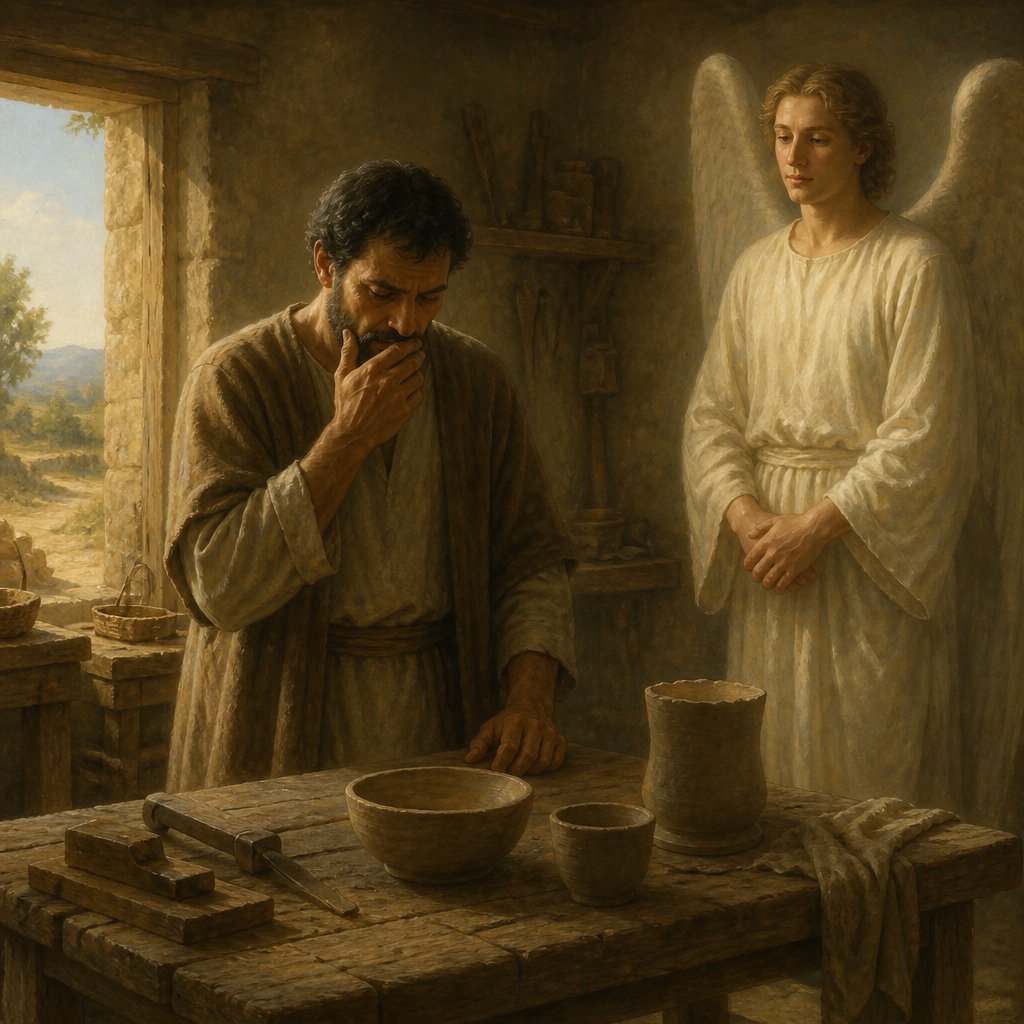
Ecclesiastes 5:6 in the King James Version reads, "Suffer not thy mouth to cause thy flesh to sin; neither say thou before the angel, that it was an error: wherefore should God be angry at thy voice, and destroy the work of thine hands?"
This verse is part of the book of Ecclesiastes, which is traditionally attributed to Solomon, although the actual authorship is unknown. The book takes a philosophical and reflective approach to the meaning and purpose of life, particularly in relation to the pursuit of wealth, wisdom, and pleasure.
The verse in question is a warning against speaking rashly or carelessly before God. It cautions against making vows or promises that cannot be fulfilled, as well as making excuses for sin. The language used is strong, and it emphasizes the seriousness of one's words and actions before God.
One of the standout themes of this verse is the concept of stewardship. The reference to "the work of thine hands" suggests that our actions have weight and significance. It reminds us that we are accountable for our words and deeds, and that they have a direct impact on our relationship with God. The verse urges us to be mindful and deliberate in our speech and actions, rather than acting impulsively or without consideration of the consequences.
Another important theme is the fear of God. The verse speaks of speaking "before the angel," alluding to the presence of divine beings who bear witness to our words and actions. In this context, the angel represents the divine authority and presence of God. The warning is against speaking falsely or sinfully in the presence of God, as it could provoke His anger and lead to the destruction of the fruits of our labor.
Symbolically, the "mouth" serves as a representative of our words and intentions. It carries significant weight in the biblical context, as the power of the spoken word is often emphasized in the Bible. This verse serves as a reminder of the importance of guarding our speech and being conscious of the impact of our words on our relationship with God and others.
The verse also reflects the broader theme of moral and ethical responsibility. It addresses the consequences of our actions and the importance of integrity and honesty in our dealings. It warns against the danger of making excuses for our sins, and instead encourages us to take ownership of our actions and strive for righteousness.
In the larger context of the book of Ecclesiastes, this verse contributes to the overall message of seeking wisdom and living a life of purpose and meaning. It serves as a cautionary reminder to consider the weight of our words and actions, and to approach our relationship with God with reverence and sincerity.
In conclusion, Ecclesiastes 5:6 in the King James Version offers a powerful and thought-provoking message about the significance of our words and actions in relation to our spiritual life. It emphasizes the themes of stewardship, the fear of God, and moral responsibility, and urges us to be mindful and deliberate in our conduct. The verse serves as a solemn reminder of the importance of living with integrity and humility before God.
Get our apps


Artwork for Ecclesiastes 5:6

Ecclesiastes 5:6 - "Suffer not thy mouth to cause thy flesh to sin; neither say thou before the angel, that it was an error: wherefore should God be angry at thy voice, and destroy the work of thine hands?"
"Suffer not thy mouth to cause thy flesh to sin; neither say thou before the angel, that it was an error: wherefore should God be angry at thy voice, and destroy the work of thine hands?" - Ecclesiastes 5:6

Ecclesiastes 6:5 - "Moreover he hath not seen the sun, nor known any thing: this hath more rest than the other."

Ecclesiastes 5:5 - "Better is it that thou shouldest not vow, than that thou shouldest vow and not pay."

ecclesiastes 12:2-6

"Moreover he hath not seen the sun, nor known any thing: this hath more rest than the other." - Ecclesiastes 6:5

Ecclesiastes 10:6 - "Folly is set in great dignity, and the rich sit in low place."

Ecclesiastes 6:7 - "All the labour of man is for his mouth, and yet the appetite is not filled."

Ecclesiastes 5:9 - "¶ Moreover the profit of the earth is for all: the king himself is served by the field."

Ecclesiastes 3:6 - "A time to get, and a time to lose; a time to keep, and a time to cast away;"

Ecclesiastes 4:5 - "The fool foldeth his hands together, and eateth his own flesh."

Ecclesiastes 6:11 - "¶ Seeing there be many things that increase vanity, what is man the better?"

Ecclesiastes 7:5 - "It is better to hear the rebuke of the wise, than for a man to hear the song of fools."

Ecclesiastes 6:9 - "¶ Better is the sight of the eyes than the wandering of the desire: this is also vanity and vexation of spirit."

Ecclesiastes 6:1 - "There is an evil which I have seen under the sun, and it is common among men:"

Ecclesiastes 6:4 - "For he cometh in with vanity, and departeth in darkness, and his name shall be covered with darkness."

Ecclesiastes 5:7 - "For in the multitude of dreams and many words there are also divers vanities: but fear thou God."

Ecclesiastes 7:6 - "For as the crackling of thorns under a pot, so is the laughter of the fool: this also is vanity."

Ecclesiastes 5:3 - "For a dream cometh through the multitude of business; and a fool's voice is known by multitude of words."

Ecclesiastes 8:6 - "¶ Because to every purpose there is time and judgment, therefore the misery of man is great upon him."

Ecclesiastes 4:6 - "Better is an handful with quietness, than both the hands full with travail and vexation of spirit."

Ecclesiastes 6:6 - "¶ Yea, though he live a thousand years twice told, yet hath he seen no good: do not all go to one place?"

Ecclesiastes 5:14 - "But those riches perish by evil travail: and he begetteth a son, and there is nothing in his hand."

Ecclesiastes 10:5 - "There is an evil which I have seen under the sun, as an error which proceedeth from the ruler:"

Ecclesiastes 2:5 - "I made me gardens and orchards, and I planted trees in them of all kind of fruits:"

Ecclesiastes 2:6 - "I made me pools of water, to water therewith the wood that bringeth forth trees:"

"Better is it that thou shouldest not vow, than that thou shouldest vow and not pay." - Ecclesiastes 5:5

Ecclesiastes 1:5 - "The sun also ariseth, and the sun goeth down, and hasteth to his place where he arose."

Ecclesiastes 5:10 - "He that loveth silver shall not be satisfied with silver; nor he that loveth abundance with increase: this is also vanity."

Ecclesiastes 5:13 - "There is a sore evil which I have seen under the sun, namely, riches kept for the owners thereof to their hurt."