What does Ecclesiastes 8:5 mean?
“Whoso keepeth the commandment shall feel no evil thing: and a wise man’s heart discerneth both time and judgment.” — Ecclesiastes 8:5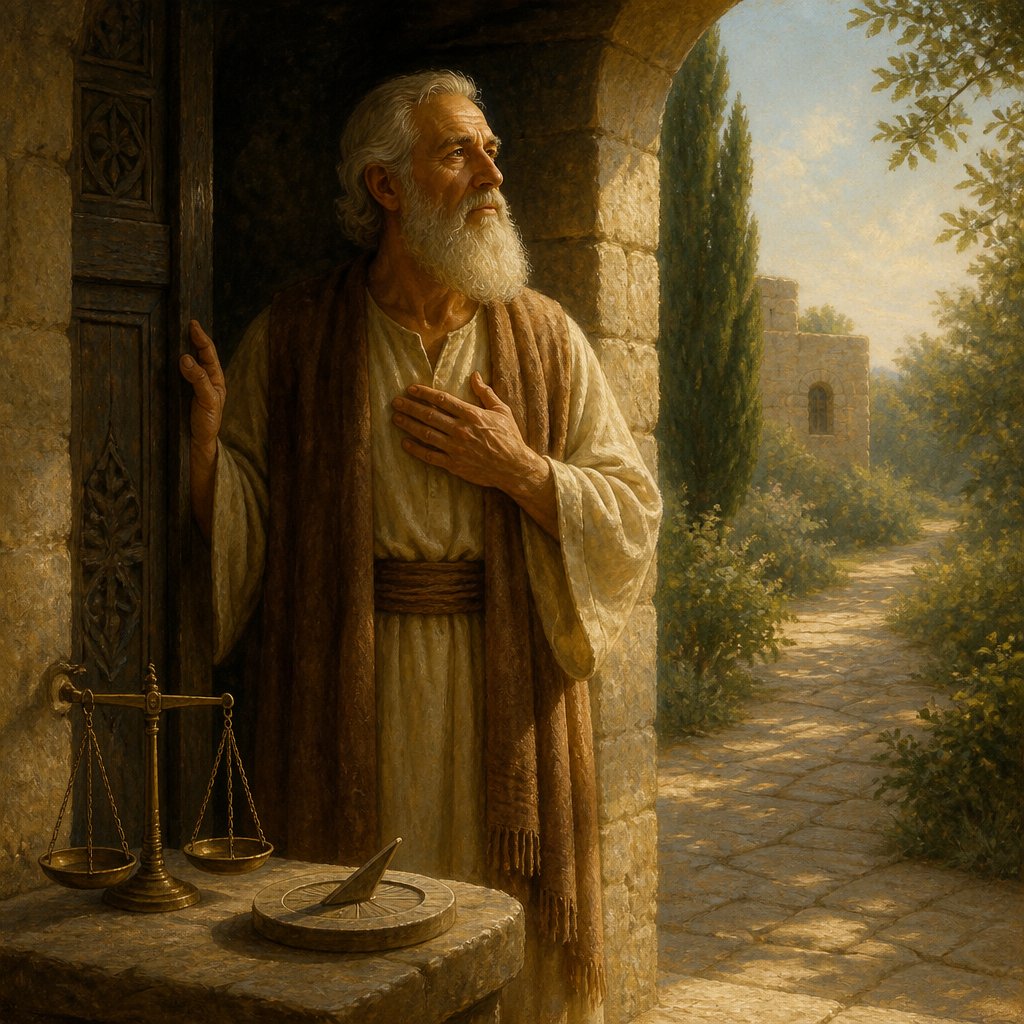
Ecclesiastes 8:5 in the King James Version of the Bible reads, "Whoso keepeth the commandment shall feel no evil thing: and a wise man's heart discerneth both time and judgment." This verse is part of the wisdom literature of the Old Testament, attributed to King Solomon. The book of Ecclesiastes reflects on the meaning of life, the nature of wisdom, and the limitations of human existence.
The verse begins with the statement, "whoso keepeth the commandment shall feel no evil thing." This emphasizes the importance of obeying the commandments of God. Throughout the Old Testament, the concept of obedience to God is a recurring theme. In this verse, it is suggested that those who faithfully follow God's commandments will be protected from experiencing evil. This is consistent with the biblical teaching that God rewards those who are righteous and faithful to Him.
The second part of the verse states, "and a wise man's heart discerneth both time and judgment." This highlights the importance of wisdom in understanding the world and the events that take place within it. Wisdom, in the context of the Bible, refers to a deep understanding of God's truth and the ability to apply it to life. The wise person is able to discern both the timing of events and the justice or judgment of God. This suggests that wisdom is essential for interpreting and responding to the events that occur in life.
The themes present in Ecclesiastes 8:5 include obedience to God's commandments, the protection of the righteous, and the importance of wisdom in understanding the world. The verse suggests a cause-and-effect relationship between obedience and protection from evil. It also highlights the connection between wisdom and the ability to understand the timing and justice of God's actions. Overall, the verse emphasizes the importance of living in accordance with God's will and seeking to gain wisdom in order to navigate life's challenges.
In the broader context of the book of Ecclesiastes, this verse is part of King Solomon's reflections on the fleeting nature of life and the pursuit of wisdom. The overarching theme of the book is the idea that life is ultimately meaningless without God. Solomon reflects on the futility of human endeavors and the transient nature of earthly pursuits. In this context, Ecclesiastes 8:5 serves as a reminder of the importance of living in obedience to God's commandments and seeking wisdom in the midst of life's uncertainties.
The symbolism in this verse is found in the contrast between those who keep the commandment and those who do not. Keeping the commandment is associated with feeling no evil, suggesting a sense of protection and security. In contrast, those who do not keep the commandment may be more vulnerable to the effects of evil. The wise man's ability to discern time and judgment symbolizes his deeper understanding of the world and his ability to navigate life's challenges with wisdom and insight.
In conclusion, Ecclesiastes 8:5 conveys important themes related to obedience to God's commandments, the role of wisdom in understanding the world, and the overarching message of the book of Ecclesiastes regarding the meaning of life. The verse emphasizes the rewards of obedience and the benefits of seeking wisdom. It ultimately encourages readers to live in accordance with God's will and to seek wisdom as a guide in navigating the uncertainties of life.
Get our apps


Artwork for Ecclesiastes 8:5

Ecclesiastes 8:5 - "Whoso keepeth the commandment shall feel no evil thing: and a wise man's heart discerneth both time and judgment."
"Whoso keepeth the commandment shall feel no evil thing: and a wise man's heart discerneth both time and judgment." - Ecclesiastes 8:5
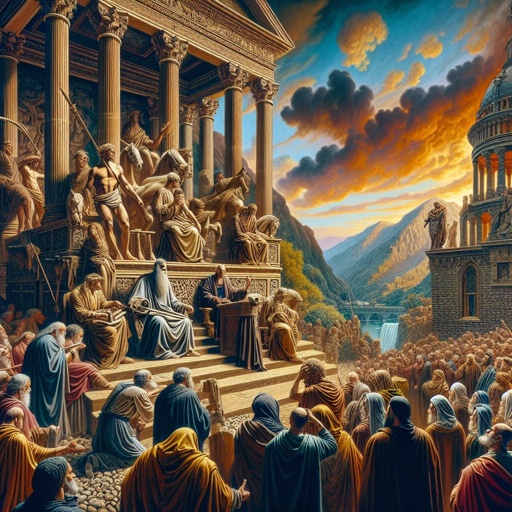
Ecclesiastes 5:8 - "¶ If thou seest the oppression of the poor, and violent perverting of judgment and justice in a province, marvel not at the matter: for he that is higher than the highest regardeth; and there be higher than they."

ecclesiastes 12:1-8

Ecclesiastes 5:5 - "Better is it that thou shouldest not vow, than that thou shouldest vow and not pay."

ecclesiastes 12:1-8

ecclesiastes 12:1-8

ecclesiastes 12:1-8

Ecclesiastes 3:7-8

ecclesiastes 12:1-8

Ecclesiastes 12:8 - "¶ Vanity of vanities, saith the preacher; all is vanity."

Ecclesiastes 3:8 - "A time to love, and a time to hate; a time of war, and a time of peace."

Ecclesiastes 8:2 - "I counsel thee to keep the king's commandment, and that in regard of the oath of God."

Ecclesiastes 5:9 - "¶ Moreover the profit of the earth is for all: the king himself is served by the field."

Ecclesiastes 4:5 - "The fool foldeth his hands together, and eateth his own flesh."

Ecclesiastes 8:7 - "For he knoweth not that which shall be: for who can tell him when it shall be?"

Ecclesiastes 7:5 - "It is better to hear the rebuke of the wise, than for a man to hear the song of fools."

Ecclesiastes 5:7 - "For in the multitude of dreams and many words there are also divers vanities: but fear thou God."

Ecclesiastes 8:6 - "¶ Because to every purpose there is time and judgment, therefore the misery of man is great upon him."

Ecclesiastes 9:8 - "Let thy garments be always white; and let thy head lack no ointment."

Ecclesiastes 5:3 - "For a dream cometh through the multitude of business; and a fool's voice is known by multitude of words."

Ecclesiastes 8:4 - "Where the word of a king is, there is power: and who may say unto him, What doest thou?"

Ecclesiastes 7:8 - "Better is the end of a thing than the beginning thereof: and the patient in spirit is better than the proud in spirit."
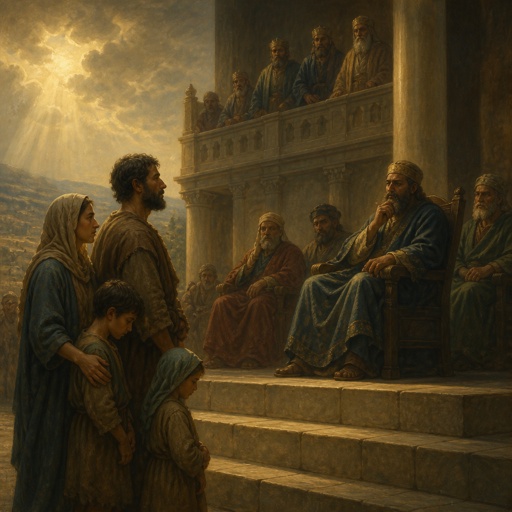
"¶ If thou seest the oppression of the poor, and violent perverting of judgment and justice in a province, marvel not at the matter: for he that is higher than the highest regardeth; and there be higher than they." - Ecclesiastes 5:8

Ecclesiastes 5:14 - "But those riches perish by evil travail: and he begetteth a son, and there is nothing in his hand."

Ecclesiastes 10:5 - "There is an evil which I have seen under the sun, as an error which proceedeth from the ruler:"

Ecclesiastes 2:5 - "I made me gardens and orchards, and I planted trees in them of all kind of fruits:"

"1 There is a time for everything, and a season for every activity under the heavens: 2 a time to be born and a time to die, a time to plant and a time to uproot, 3 a time to kill and a time to heal, a time to tear down and a time to build, 4 a time to weep and a time to laugh, a time to mourn and a time to dance, 5 a time to scatter stones and a time to gather them, a time to embrace and a time to refrain from embracing, 6 a time to search and a time to give up, a time to keep and a time to throw away, 7 a time to tear and a time to mend, a time to be silent and a time to speak, 8 a time to love and a time to hate, a time for war and a time for peace." - Ecclesiastes 3:1-8

Ecclesiastes 10:8 - "He that diggeth a pit shall fall into it; and whoso breaketh an hedge, a serpent shall bite him."

"Better is it that thou shouldest not vow, than that thou shouldest vow and not pay." - Ecclesiastes 5:5