What does Ecclesiastes 9:10 mean?
“Whatsoever thy hand findeth to do, do it with thy might; for there is no work, nor device, nor knowledge, nor wisdom, in the grave, whither thou goest.” — Ecclesiastes 9:10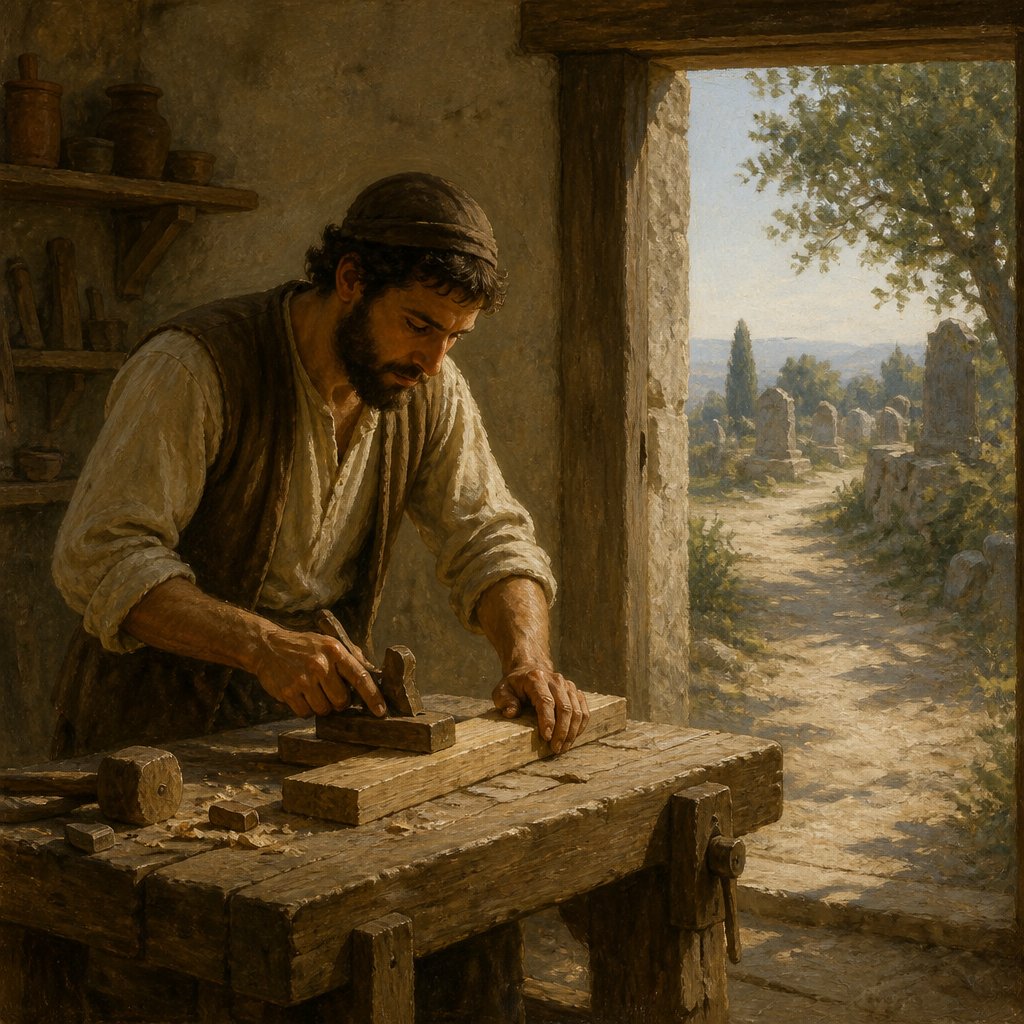
Ecclesiastes 9:10 from the King James Version (KJV) states, "Whatsoever thy hand findeth to do, do it with thy might; for there is no work, nor device, nor knowledge, nor wisdom, in the grave, whither thou goest."
This verse from the book of Ecclesiastes offers a profound reflection on the nature of work and the inevitability of death. The author, traditionally believed to be King Solomon, provides a stark reminder that life is fleeting and that death is a certainty for all. In light of this reality, the verse encourages individuals to approach their work with diligence and wholehearted effort.
The theme of the verse revolves around the concept of work ethic and the value of industriousness. The author reminds the reader that whatever task or endeavor they undertake, they should do so with all their might. This directive emphasizes the importance of commitment, perseverance, and dedication in one's work. It urges individuals to approach their responsibilities with a sense of purpose and determination, giving their best effort in all that they do.
The verse also carries a sense of urgency, as it highlights the temporal nature of life and the limited time that each person has on earth. The phrase "for there is no work, nor device, nor knowledge, nor wisdom, in the grave, whither thou goest" serves as a stark reminder that once a person has passed away, they will no longer have the ability to engage in worldly endeavors or pursue knowledge and wisdom. Therefore, the verse serves as a call to action, urging individuals to make the most of their time and talents while they still have the opportunity to do so.
The context of Ecclesiastes 9:10 within the broader themes of the book of Ecclesiastes is significant in understanding its message. Ecclesiastes is a book of the Hebrew Bible that is attributed to King Solomon, who is traditionally regarded as one of the wisest and most affluent rulers in biblical history. In Ecclesiastes, Solomon reflects on the futility of human endeavors and the transience of life, offering wisdom and insights that prioritize the eternal over the temporal. Throughout the book, Solomon explores themes of vanity, wisdom, pleasure, and the inevitability of death, providing a philosophical and existential perspective on the human experience.
In this context, Ecclesiastes 9:10 serves as part of Solomon's contemplation on the nature of work and the human condition. The verse acknowledges the necessity and value of work while also highlighting the fleeting nature of life. In doing so, it encourages individuals to invest themselves fully in their work, recognizing that their efforts and accomplishments in this life are ultimately meaningful and purposeful.
There is also a symbolic significance to the verse, particularly in its imagery of the grave as a place devoid of work, device, knowledge, and wisdom. This symbolism underscores the finality of death and the idea that earthly achievements and pursuits hold no significance beyond the grave. However, by emphasizing the importance of diligent work and wholehearted effort in the present, the verse implies that one's actions and contributions in this life have lasting significance and value.
Overall, Ecclesiastes 9:10 offers a profound meditation on the nature of work, the brevity of life, and the importance of wholehearted dedication in one's endeavors. It challenges individuals to embrace a strong work ethic and to approach their responsibilities with a sense of purpose and urgency, recognizing the finite nature of life and the eternal value of their contributions in this world. As part of the broader themes of Ecclesiastes, this verse provides timeless wisdom that continues to resonate with readers, offering a thought-provoking perspective on the human experience and the pursuit of meaningful work.
Get our apps


Artwork for Ecclesiastes 9:10

Ecclesiastes 9:10 - "Whatsoever thy hand findeth to do, do it with thy might; for there is no work, nor device, nor knowledge, nor wisdom, in the grave, whither thou goest."
"Whatsoever thy hand findeth to do, do it with thy might; for there is no work, nor device, nor knowledge, nor wisdom, in the grave, whither thou goest." - Ecclesiastes 9:10

Ecclesiastes 10:9 - "Whoso removeth stones shall be hurt therewith; and he that cleaveth wood shall be endangered thereby."

"Two are better than one, because they have a good return for their labor: If either of them falls down, one can help the other up. But pity anyone who falls and has no one to help them up." - Ecclesiastes 4:9-10

"Whoso removeth stones shall be hurt therewith; and he that cleaveth wood shall be endangered thereby." - Ecclesiastes 10:9

Ecclesiastes 4:9-10 - "Two are better than one, because they have a good return for their labor: If either of them falls down, one can help the other up. But pity anyone who falls and has no one to help them up."

Ecclesiastes 10:10 - "If the iron be blunt, and he do not whet the edge, then must he put to more strength: but wisdom is profitable to direct."

Ecclesiastes 3:9 - "What profit hath he that worketh in that wherein he laboureth?"

Ecclesiastes 7:9 - "Be not hasty in thy spirit to be angry: for anger resteth in the bosom of fools."

Ecclesiastes 10:6 - "Folly is set in great dignity, and the rich sit in low place."

Ecclesiastes 10:11 - "Surely the serpent will bite without enchantment; and a babbler is no better."

Ecclesiastes 5:9 - "¶ Moreover the profit of the earth is for all: the king himself is served by the field."

Ecclesiastes 6:9 - "¶ Better is the sight of the eyes than the wandering of the desire: this is also vanity and vexation of spirit."

Ecclesiastes 10:18 - "¶ By much slothfulness the building decayeth; and through idleness of the hands the house droppeth through."

Ecclesiastes 10:19 - "¶ A feast is made for laughter, and wine maketh merry: but money answereth all things."

Ecclesiastes 4:9 - "¶ Two are better than one; because they have a good reward for their labour."

Ecclesiastes 9:4 - "¶ For to him that is joined to all the living there is hope: for a living dog is better than a dead lion."

Ecclesiastes 9:8 - "Let thy garments be always white; and let thy head lack no ointment."

Ecclesiastes 9:18 - "Wisdom is better than weapons of war: but one sinner destroyeth much good."

Ecclesiastes 10:12 - "The words of a wise man's mouth are gracious; but the lips of a fool will swallow up himself."

Ecclesiastes 10:13 - "The beginning of the words of his mouth is foolishness: and the end of his talk is mischievous madness."

Ecclesiastes 10:2 - "A wise man's heart is at his right hand; but a fool's heart at his left."

Ecclesiastes 10:5 - "There is an evil which I have seen under the sun, as an error which proceedeth from the ruler:"

Ecclesiastes 12:10 - "The preacher sought to find out acceptable words: and that which was written was upright, even words of truth."

Ecclesiastes 10:15 - "The labour of the foolish wearieth every one of them, because he knoweth not how to go to the city."

Ecclesiastes 9:13 - "¶ This wisdom have I seen also under the sun, and it seemed great unto me:"

Ecclesiastes 10:7 - "I have seen servants upon horses, and princes walking as servants upon the earth."

Ecclesiastes 3:10 - "I have seen the travail, which God hath given to the sons of men to be exercised in it."

Ecclesiastes 5:10 - "He that loveth silver shall not be satisfied with silver; nor he that loveth abundance with increase: this is also vanity."

Ecclesiastes 9:17 - "The words of wise men are heard in quiet more than the cry of him that ruleth among fools."