What does Ephesians 1:20-21 mean?
“Which he wrought in Christ, when he raised him from the dead, and set him at his own right hand in the heavenly places, Far above all principality, and power, and might, and dominion, and every name that is named, not only in this world, but also in that which is to come:” — Ephesians 1:20-21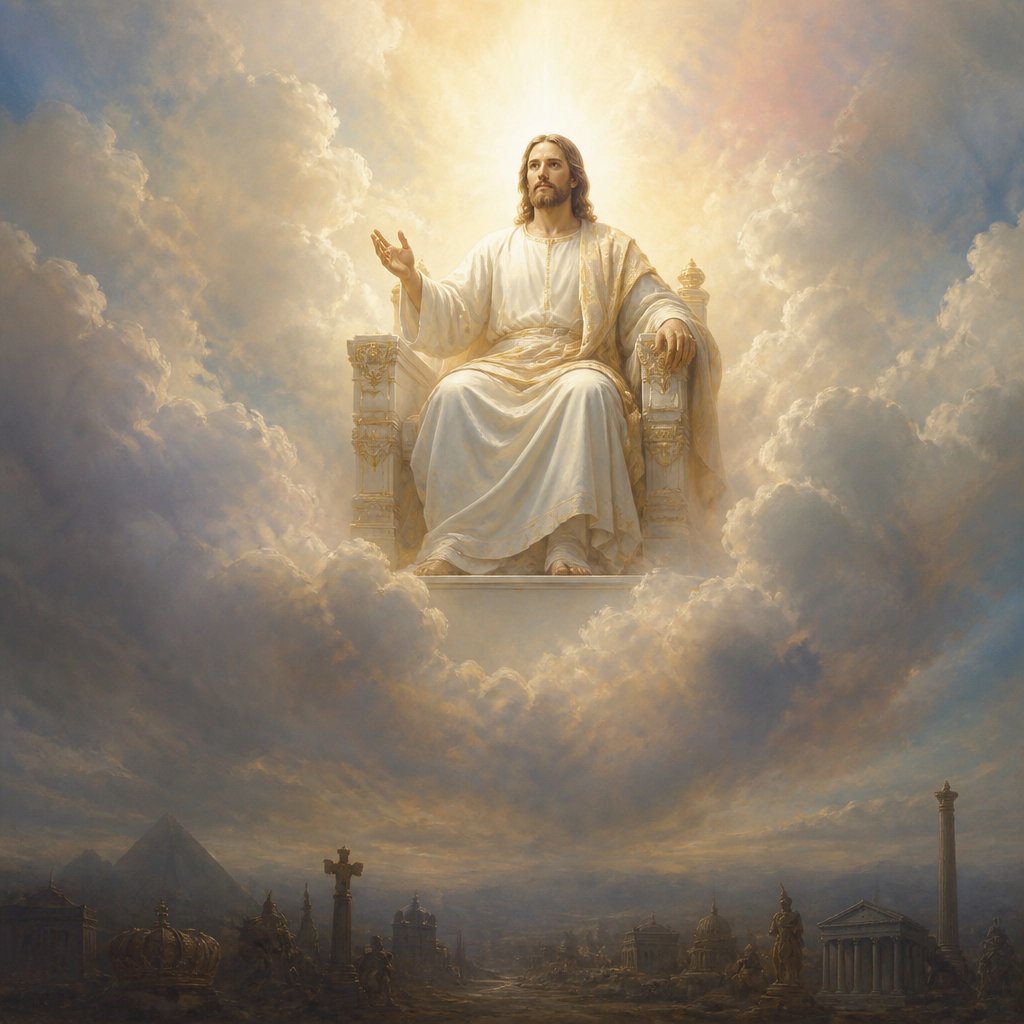
Ephesians 1:20-21 (KJV) says, "Which he wrought in Christ, when he raised him from the dead, and set him at his own right hand in the heavenly places, far above all principality, and power, and might, and dominion, and every name that is named, not only in this world, but also in that which is to come."
This verse, found in the New Testament of the Bible, is part of a letter written by the apostle Paul to the church in Ephesus. It is a powerful declaration of the exalted position of Jesus Christ following His resurrection and ascension to heaven.
The verse starts by stating that God "wrought in Christ, when he raised him from the dead." This is a reference to the resurrection of Jesus, which is a central and foundational belief in Christianity. The resurrection is seen as the ultimate victory over sin and death, and it is a demonstration of God's power and glory. It signifies Christ's triumph over the forces of evil and his ability to conquer death, offering hope and salvation to all who believe in him.
The verse goes on to say that God "set him at his own right hand in the heavenly places." In ancient cultures, being seated at the right hand of a ruler was a position of honor and authority. By placing Jesus at His right hand, God is conferring upon Him the highest possible status and power. This image is a reflection of the sovereignty and exaltation of Jesus, highlighting His divine nature and his standing as the ruler of all creation.
The following phrase, "far above all principality, and power, and might, and dominion, and every name that is named," emphasizes the supreme authority and superiority of Christ. It speaks to His reign over all earthly and heavenly powers, including those that are visible and invisible. This language echoes similar sentiments found in other New Testament passages, such as Philippians 2:9-11, which declares that at the name of Jesus every knee should bow, in heaven and on earth and under the earth, and every tongue confess that Jesus Christ is Lord, to the glory of God the Father.
Furthermore, the verse concludes by stating that Christ's authority extends "not only in this world, but also in that which is to come." This speaks to the eternal and transcendent nature of Christ's lordship. His reign is not limited to the present age, but it extends into eternity, encompassing all of creation and all of time.
In terms of themes, Ephesians 1:20-21 underscores the supreme sovereignty of Jesus Christ. It highlights His victory over death, His exaltation to the right hand of God, and His authority over all powers and names. This theme of Christ's supremacy is a recurring motif in the New Testament, emphasizing the centrality of His lordship in the Christian faith.
The context of this verse is important to consider. The letter to the Ephesians was written to a community of believers in Asia Minor who were facing various challenges and struggles. Paul's purpose in writing this letter was to encourage and strengthen the Ephesian Christians in their faith, reminding them of the identity and blessings they have in Christ. The exalted position of Jesus Christ, as described in Ephesians 1:20-21, would have served as a source of hope and assurance for the original recipients of this letter, reminding them that their ultimate allegiance is to a savior who is far above all earthly and spiritual powers.
Symbolically, this verse portrays Christ as the ultimate conqueror and ruler. His position at the right hand of God represents His authority and honor, and His victory over death signifies His power to bring about new life and redemption. The imagery of Christ's exaltation and dominion serves as a source of inspiration and encouragement for believers, reminding them of the ultimate triumph that is found in Christ.
In conclusion, Ephesians 1:20-21 is a rich and profound declaration of the exalted position and authority of Jesus Christ. It conveys a message of hope, assurance, and encouragement for believers, highlighting the victorious and eternal reign of the Savior. This verse continues to serve as a powerful declaration of the foundational beliefs of the Christian faith, emphasizing the central role of Christ as the supreme ruler and Lord.
Get our apps


Artwork for Ephesians 1:20-21

Ephesians 1:20-21 - "Which he exerted in Christ when he raised him from the dead and seated him at his right hand in the heavenly realms, far above all rule and authority, power and dominion, and every name that is invoked, not only in the present age but also in the one to come."
"Which he exerted in Christ when he raised him from the dead and seated him at his right hand in the heavenly realms, far above all rule and authority, power and dominion, and every name that is invoked, not only in the present age but also in the one to come." - Ephesians 1:20-21

Luke 2:1-20

Ephesians 1:21 - "Far above all principality, and power, and might, and dominion, and every name that is named, not only in this world, but also in that which is to come:"

Ephesians 5:21
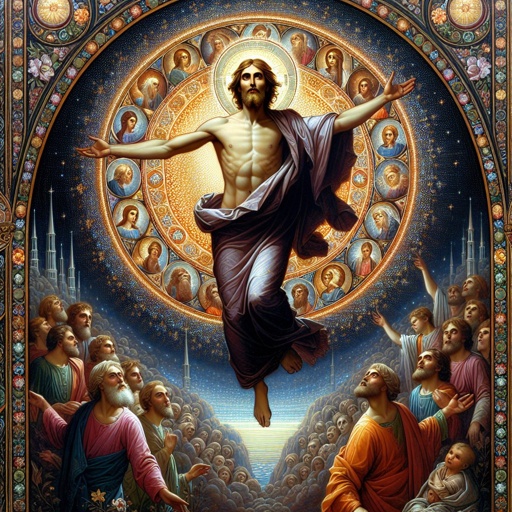
Ephesians 1:20 - "Which he wrought in Christ, when he raised him from the dead, and set him at his own right hand in the heavenly places,"

Ephesians 3:20-21 - "Now to him who is able to do immeasurably more than all we ask or imagine, according to his power that is at work within us, to him be glory in the church and in Christ Jesus throughout all generations, for ever and ever! Amen."
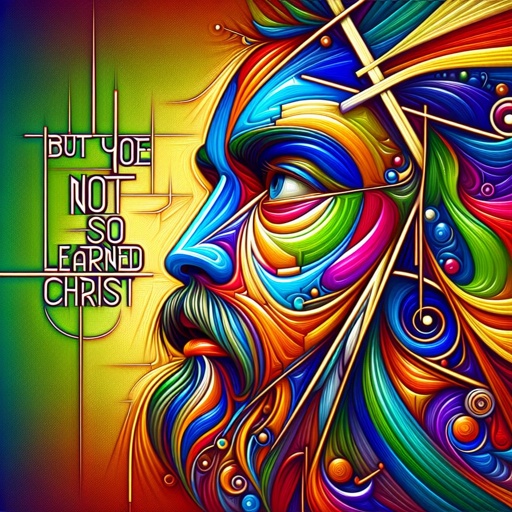
Ephesians 4:20 - "But ye have not so learned Christ;"

1 Peter 2:20-21

Ephesians 5:21 - "Submitting yourselves one to another in the fear of God."

Matthew 21:21 Philippians 4:6-7 Ephesians 6:10-18 Put the words on the photo

Matthew 21:21 Philippians 4:6-7 Ephesians 6:10-18

Ephesians 2:21 - "In whom all the building fitly framed together groweth unto an holy temple in the Lord:"

Ephesians 4:21 - "If so be that ye have heard him, and have been taught by him, as the truth is in Jesus:"

1 Kings 20:21 - "And the king of Israel went out, and smote the horses and chariots, and slew the Syrians with a great slaughter."
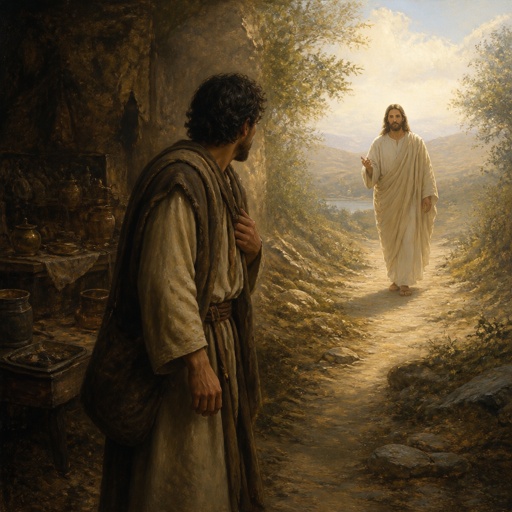
"But ye have not so learned Christ;" - Ephesians 4:20

Ephesians 2:20 - "And are built upon the foundation of the apostles and prophets, Jesus Christ himself being the chief corner stone;"

Ephesians 3:21 - "Unto him be glory in the church by Christ Jesus throughout all ages, world without end. Amen."

Ephesians 6:20 - "For which I am an ambassador in bonds: that therein I may speak boldly, as I ought to speak."
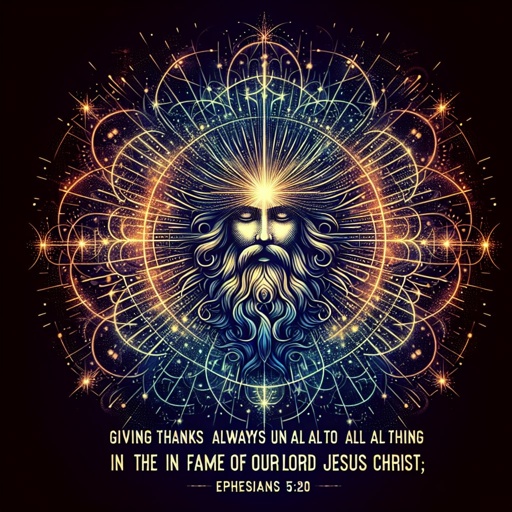
Ephesians 5:20 - "Giving thanks always for all things unto God and the Father in the name of our Lord Jesus Christ;"

Ephesians 1:3

Ephesians 1:7

Ephesians 1:7

"Submitting yourselves one to another in the fear of God." - Ephesians 5:21
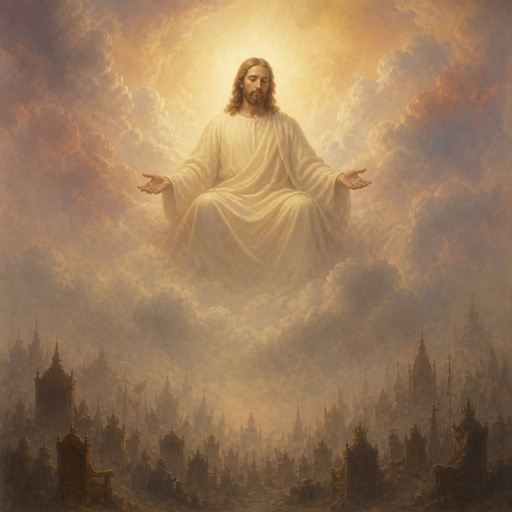
"Far above all principality, and power, and might, and dominion, and every name that is named, not only in this world, but also in that which is to come:" - Ephesians 1:21
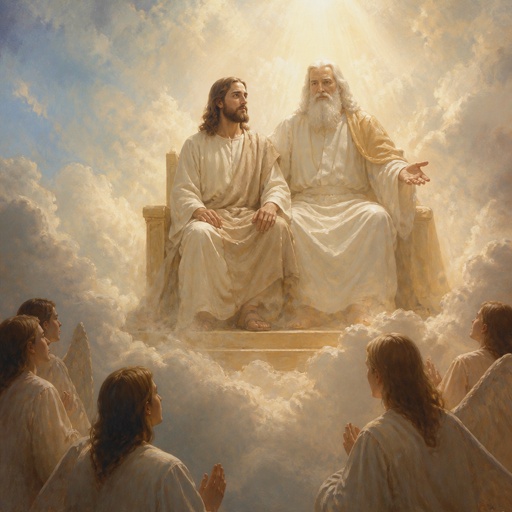
"Which he wrought in Christ, when he raised him from the dead, and set him at his own right hand in the heavenly places," - Ephesians 1:20

Ephesians 1:19-20 - "And what is the exceeding greatness of his power to us-ward who believe, according to the working of his mighty power, Which he wrought in Christ, when he raised him from the dead, and set him at his own right hand in the heavenly places."

Ephesians 4:1

Ephesians 4:1

ephesians 1:4