What does Ephesians 2:20 mean?
“And are built upon the foundation of the apostles and prophets, Jesus Christ himself being the chief corner stone;” — Ephesians 2:20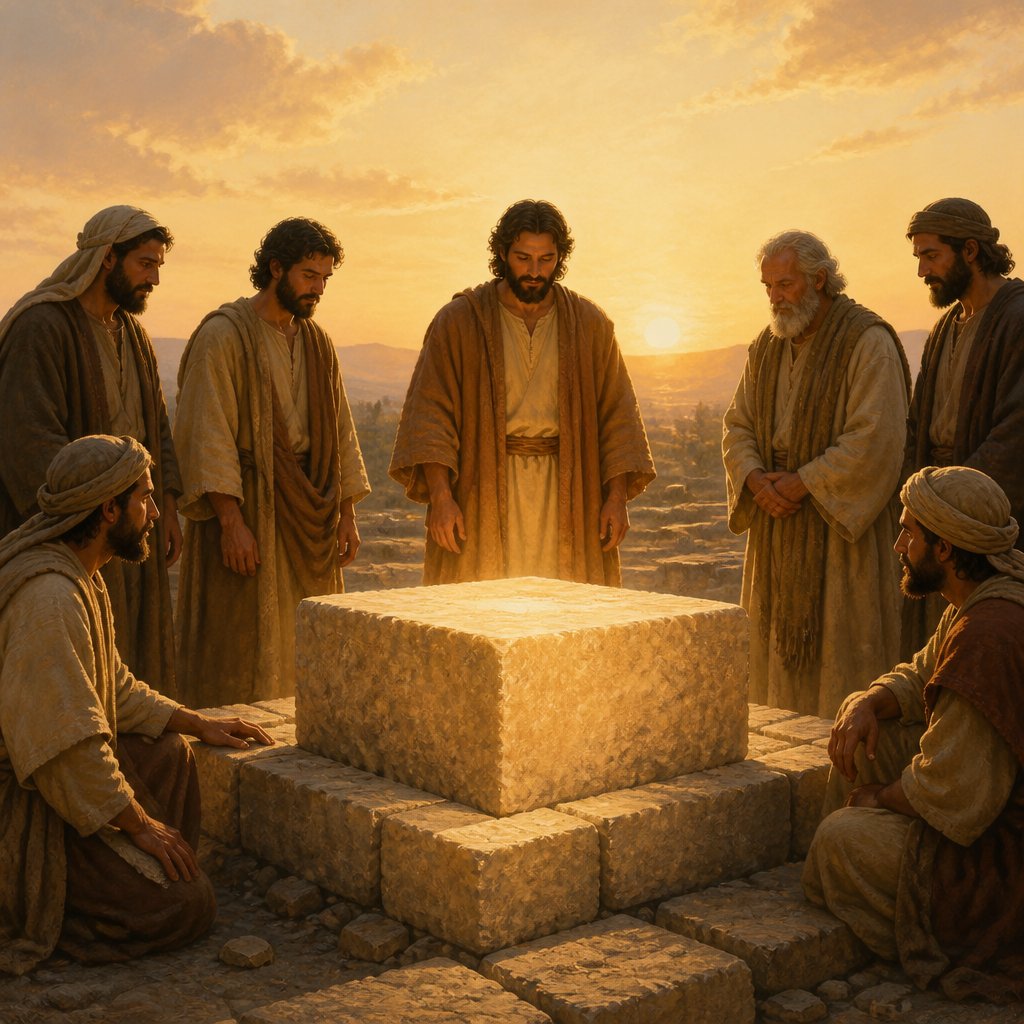
Ephesians 2:20 in the King James Version of the Bible reads: “And are built upon the foundation of the apostles and prophets, Jesus Christ himself being the chief corner stone.” This verse is part of a larger passage in which the apostle Paul is discussing the unity of believers in the body of Christ and the reconciling work that Jesus Christ accomplished through his death and resurrection.
The key themes in this verse include the concept of unity in the body of Christ, the importance of a solid foundation, and the centrality of Jesus Christ in the life of the believer. These themes have significant implications for the context in which this verse was written and for the lives of Christians today.
The apostle Paul wrote the book of Ephesians from prison in Rome, and the letter is addressed to the church in Ephesus. The city of Ephesus was a major commercial and religious center in the ancient world, and the church there faced challenges from both Jewish legalism and pagan idolatry. In this context, Paul’s emphasis on the unity of believers and the foundational role of Jesus Christ would have been incredibly important. The diverse population of Ephesus would have included both Jews and Gentiles, and Paul’s message of unity in Christ would have been a radical departure from the cultural and religious divisions of the day.
The verse itself speaks to the idea that the church is “built upon the foundation of the apostles and prophets.” This foundation is a reference to the teaching and revelation of the early leaders of the Christian church, who laid the doctrinal and theological groundwork for the faith. The apostles and prophets were instruments of God’s revelation and were instrumental in establishing the early church. Their teachings provide the basis for Christian belief and practice, and their writings form a significant portion of the New Testament.
In addition to the apostles and prophets, Jesus Christ himself is described as the “chief corner stone” of the church. This imagery comes from the world of construction, where the cornerstone was the first stone set in the construction of a building. It was carefully placed, and all other stones were set in reference to it, ensuring that the entire structure was properly aligned. Likewise, Jesus Christ is the foundational stone upon which the church is built. He is the source of unity and stability, and all other elements of the church are aligned with and built upon him.
This verse also carries a deeper layer of symbolism, as the image of a cornerstone is used elsewhere in the New Testament to represent the person and work of Christ. In Isaiah 28:16, the Lord declares, “Behold, I lay in Zion for a foundation a stone, a tried stone, a precious corner stone, a sure foundation.” This prophecy is fulfilled in Jesus Christ, who is the fulfillment of God’s promises and the cornerstone of his redemptive plan for humanity.
The concept of the cornerstone also carries with it the idea of rejection and exaltation. In Psalm 118:22, a passage that is quoted multiple times in the New Testament, the Psalmist proclaims, “The stone which the builders refused is become the head stone of the corner.” This verse is applied to Jesus in the New Testament, highlighting the paradoxical nature of his identity. Though he was rejected and crucified by the religious leaders of his day, he has been exalted by God as the cornerstone of the church and the savior of the world.
In practical terms, the message of Ephesians 2:20 holds great significance for the lives of believers. It reminds us that the church is built on a solid foundation, one that is unshakable and unchanging. As we face the challenges of life and the pressures of the world, we can find security and stability in the truth of God’s word and the person of Jesus Christ. It also emphasizes the unity of believers, regardless of their background or culture. In a world that is often divided by race, politics, and ideology, the church stands as a beacon of unity and reconciliation, grounded in the person and work of Christ.
In conclusion, Ephesians 2:20 is a rich and profound verse that carries a message of foundational truth, unity in the body of Christ, and the exalted role of Jesus as the cornerstone of the church. Its themes of unity, stability, and reconciliation have deep implications for the context in which it was written and for the lives of believers today. The verse serves as a reminder of the unchanging and foundational truths of the Christian faith, and it calls us to embrace the unity and stability that are found in Christ alone.
Get our apps


Artwork for Ephesians 2:20

Ephesians 2:20 - "And are built upon the foundation of the apostles and prophets, Jesus Christ himself being the chief corner stone;"

Ephesians 2:20 having been built on the foundation of the apostles and prophets, Jesus Christ Himself being the chief cornerstone,
"And are built upon the foundation of the apostles and prophets, Jesus Christ himself being the chief corner stone;" - Ephesians 2:20

Ephesians 4:20 - "But ye have not so learned Christ;"
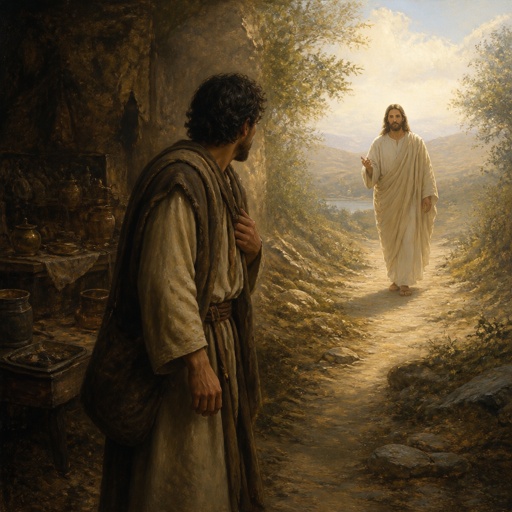
"But ye have not so learned Christ;" - Ephesians 4:20

Ephesians 2:8

Ephesians 2:22

Ephesians 2:22

Ephesians 2:22

Ephesians 2:22

Ephesians 2:10

Ephesians 2:22

Ephesians 2:22

Ephesians 2:10

Ephesians 6:20 - "For which I am an ambassador in bonds: that therein I may speak boldly, as I ought to speak."
Ephesians 5:20 - "Giving thanks always for all things unto God and the Father in the name of our Lord Jesus Christ;"

Ephesians 2-10

Ephesians 2:10

Ephesians 2:22

Ephesians 2:22

Ephesians 2:22

Ephesians 2:10

Ephesians 4:1-2

Ephesians 2:8-9

Ephesians 4:1-2

Ephesians 4:1-2

Ephesians 4:1-2

ephesians 2 8-9

Ephesians 3:20 - "Now unto him that is able to do exceeding abundantly above all that we ask or think, according to the power that worketh in us,"

Ephesians 4:1-2