What does Ephesians 2:14-16 mean?
“For he is our peace, who hath made both one, and hath broken down the middle wall of partition between us; Having abolished in his flesh the enmity, even the law of commandments contained in ordinances; for to make in himself of twain one new man, so making peace; And that he might reconcile both unto God in one body by the cross, having slain the enmity thereby:” — Ephesians 2:14-16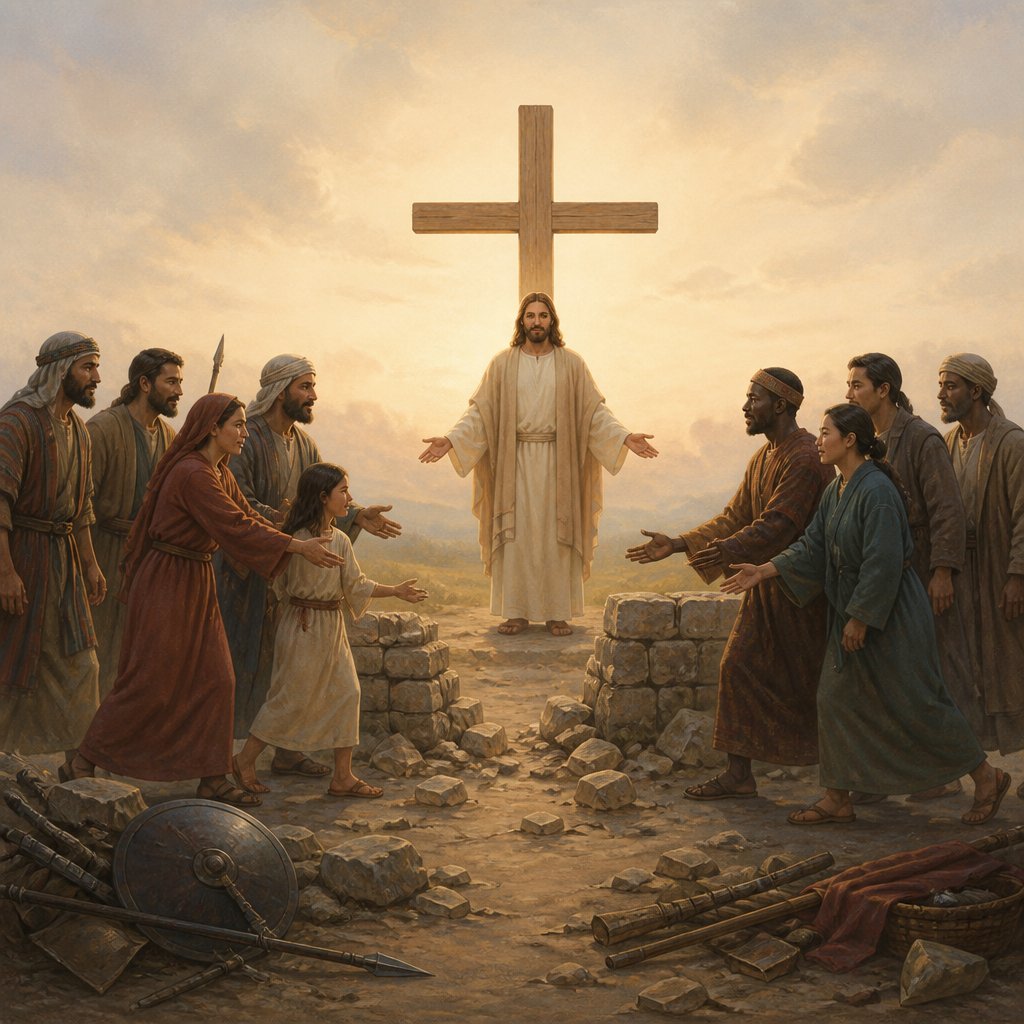
Ephesians 2:14-16 in the King James Version of the Bible reads:
"For he is our peace, who hath made both one, and hath broken down the middle wall of partition between us; Having abolished in his flesh the enmity, even the law of commandments contained in ordinances; for to make in himself of twain one new man, so making peace; And that he might reconcile both unto God in one body by the cross, having slain the enmity thereby."
This passage from the book of Ephesians is rich in theological significance and offers deep insight into the nature of Christ's sacrifice and the unity it brings to humanity. In order to fully understand the depth of this verse, it is necessary to consider the context in which it is written and the broader themes it addresses.
The book of Ephesians was written by the Apostle Paul to the church in Ephesus, offering teachings on the unity of believers in Christ and the spiritual blessings that come from being part of the body of Christ. In the verses leading up to Ephesians 2:14-16, Paul discusses the nature of salvation and the reconciling work of Christ, emphasizing that it is through faith in Jesus that individuals are saved and brought into unity with God and one another. This sets the stage for the powerful message contained in the specific verses we are analyzing.
The passage opens with the statement, "For he is our peace, who hath made both one, and hath broken down the middle wall of partition between us." Here, Paul is proclaiming that Christ himself is the source of peace, and through his sacrifice, he has brought together those who were once divided. The imagery of breaking down the "middle wall of partition" emphasizes the profound unity made possible by Christ's work on the cross. In the cultural context of the time, this language would have carried significance, as there was a physical dividing wall in the temple that restricted Gentiles from entering certain areas. By breaking down this barrier, Christ is seen as abolishing the divisions that once existed between Jews and Gentiles, creating a new, unified humanity in himself.
The next part of the passage addresses the concept of the Mosaic law and its role in creating separation and enmity between different groups. It states, "Having abolished in his flesh the enmity, even the law of commandments contained in ordinances; for to make in himself of twain one new man, so making peace." Here, Paul is highlighting the idea that Christ's sacrifice has not only reconciled individuals to God but has also brought an end to the hostility and division that the law had created. Through his death and resurrection, Christ has established a new, unified humanity, transcending the previous boundaries and making peace between formerly hostile parties.
One key symbolic element in this passage is the representation of Christ as the ultimate peacemaker, bringing together disparate groups and reconciling them to God. The imagery of the "middle wall of partition" being broken down and the "enmity" being abolished in his flesh serves as a powerful visual of the barriers and divisions that once existed being destroyed by the redemptive work of Christ. This imagery would have resonated deeply with the early Christian audience, who would have understood the significance of these symbols and their profound implications for their newfound unity in Christ.
Overall, Ephesians 2:14-16 offers a profound commentary on the transformative power of Christ's sacrifice and the unity it brings to humanity. By addressing the divisions between Jews and Gentiles and emphasizing the abolition of enmity and the establishment of peace through Christ, this passage serves as a powerful reminder of the all-encompassing nature of God's redemptive work. It speaks to the universal scope of salvation and the unifying power of Christ's sacrifice, offering a message of hope, reconciliation, and unity for all believers.
Get our apps


Artwork for Ephesians 2:14-16

Ephesians 2:14-16 - "For he himself is our peace, who has made the two groups one and has destroyed the barrier, the dividing wall of hostility, by setting aside in his flesh the law with its commands and regulations. His purpose was to create in himself one new humanity out of the two, thus making peace, and in one body to reconcile both of them to God through the cross, by which he put to death their hostility."
"For he himself is our peace, who has made the two groups one and has destroyed the barrier, the dividing wall of hostility, by setting aside in his flesh the law with its commands and regulations. His purpose was to create in himself one new humanity out of the two, thus making peace, and in one body to reconcile both of them to God through the cross, by which he put to death their hostility." - Ephesians 2:14-16

Ephesians 2:16 - "And that he might reconcile both unto God in one body by the cross, having slain the enmity thereby:"

Ephesians 2:14 - "For he is our peace, who hath made both one, and hath broken down the middle wall of partition between us;"

Ephesians 4:16

Ephesians 5:16 - "Redeeming the time, because the days are evil."

Ephesians 1:16 - "Cease not to give thanks for you, making mention of you in my prayers;"

2 Samuel 16:14 - "And the king, and all the people that were with him, came weary, and refreshed themselves there."
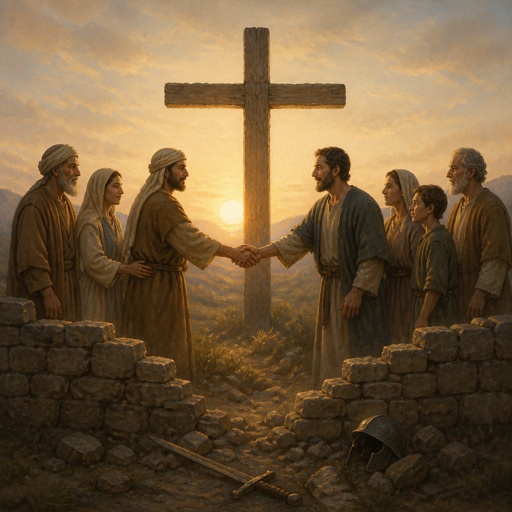
"And that he might reconcile both unto God in one body by the cross, having slain the enmity thereby:" - Ephesians 2:16

Ephesians 2:8

Ephesians 2:22

Ephesians 2:22

Ephesians 2:22

Ephesians 2:22

Ephesians 2:10

Ephesians 2:22

Ephesians 2:22

Ephesians 2:10
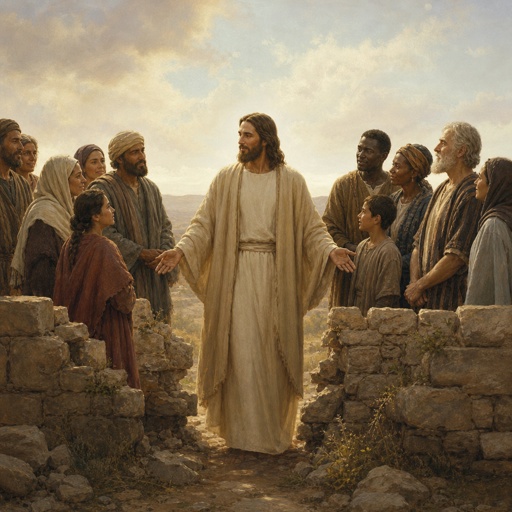
"For he is our peace, who hath made both one, and hath broken down the middle wall of partition between us;" - Ephesians 2:14
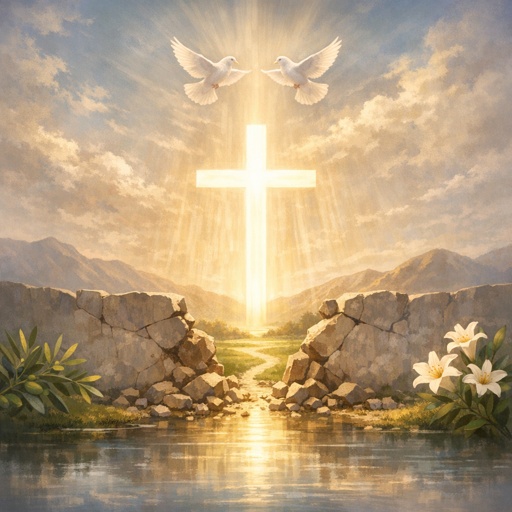
"For he is our peace, who hath made both one, and hath broken down the middle wall of partition between us;" - Ephesians 2:14

Ephesians 6:14 - "Stand therefore, having your loins girt about with truth, and having on the breastplate of righteousness;"

Ephesians 2-10

Ephesians 2:10

Ephesians 2:22

Ephesians 2:22

Ephesians 2:22

Ephesians 2:10

Ephesians 3:14 - "For this cause I bow my knees unto the Father of our Lord Jesus Christ,"

"Redeeming the time, because the days are evil." - Ephesians 5:16

Ephesians 1:14 - "Which is the earnest of our inheritance until the redemption of the purchased possession, unto the praise of his glory."