What does Esther 10:1 mean?
“And the king Ahasuerus laid a tribute upon the land, and upon the isles of the sea.” — Esther 10:1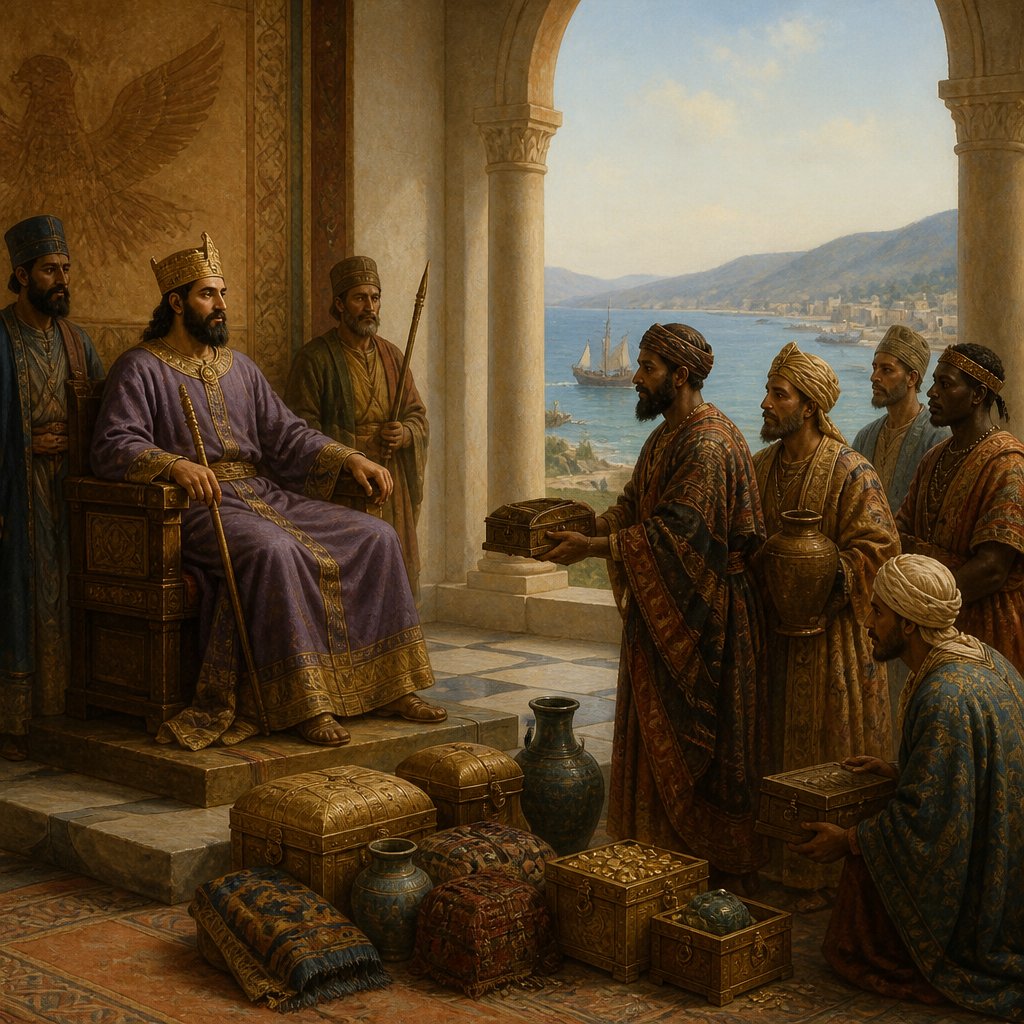
Esther 10:1 in the King James Version of the Bible says, "And the king Ahasuerus laid a tribute upon the land, and upon the isles of the sea."
The Book of Esther is one of the historical books of the Bible and tells the story of a Jewish girl named Esther who becomes queen of Persia and ultimately saves her people from a plot to destroy them. This verse, found at the end of the book, serves as a conclusion to the events that transpired throughout the story.
The verse speaks about King Ahasuerus laying a tribute upon the land and the isles of the sea. This verse is a reflection of the power and authority of the king, as he imposes a tax or tribute on the entire kingdom. It serves as a reminder of the vast reach and influence of the Persian Empire during that time.
One of the key themes that can be derived from this verse is the theme of power and authority. King Ahasuerus is portrayed as a powerful ruler who exercises his authority over the people and the land. This theme is prevalent throughout the Book of Esther, as the king’s decisions and decrees have a significant impact on the lives of the characters in the story.
Another theme that can be explored is the theme of providence. Throughout the Book of Esther, there is a sense of divine intervention and providential care for the Jewish people. Even in the face of great danger and adversity, God’s providence is evident in the events that unfold. This tribute imposed by the king can be seen as a part of God’s larger plan for the Jewish people, as it is ultimately through Esther’s position as queen that she is able to intercede on behalf of her people and save them from destruction.
The context of this verse is important to consider as well. It comes at the end of the Book of Esther, which concludes with the establishment of the feast of Purim as a celebration of the deliverance of the Jewish people. The imposition of the tribute by King Ahasuerus serves as a backdrop to the larger story of deliverance and salvation for the Jewish people. It is a reminder of the political and social context in which the events of the book took place.
Symbolism can also be found within this verse. The tribute laid upon the land and the isles of the sea can be seen as a symbol of the king’s dominion and control over the entire kingdom. It represents the extent of his rule and the submission of the people to his authority. Additionally, it can also be seen as a symbol of the burdens and obligations that come with leadership and power.
In conclusion, Esther 10:1 serves as a reflection of the power and authority of King Ahasuerus, as well as a reminder of the providential care and deliverance of the Jewish people. The verse encapsulates some of the key themes and messages of the Book of Esther, and it is a testament to the larger narrative of God’s faithfulness and sovereignty. By recognizing the themes, context, and symbolism within this verse, readers can gain a deeper understanding of the significance of the events that transpired in the Book of Esther.
Get our apps


Artwork for Esther 10:1

Esther 10:1 - "And the king Ahasuerus laid a tribute upon the land, and upon the isles of the sea."
"And the king Ahasuerus laid a tribute upon the land, and upon the isles of the sea." - Esther 10:1

Esther 4:10 - "¶ Again Esther spake unto Hatach, and gave him commandment unto Mordecai;"

Esther 2:10 - "Esther had not shewed her people nor her kindred: for Mordecai had charged her that she should not shew it."
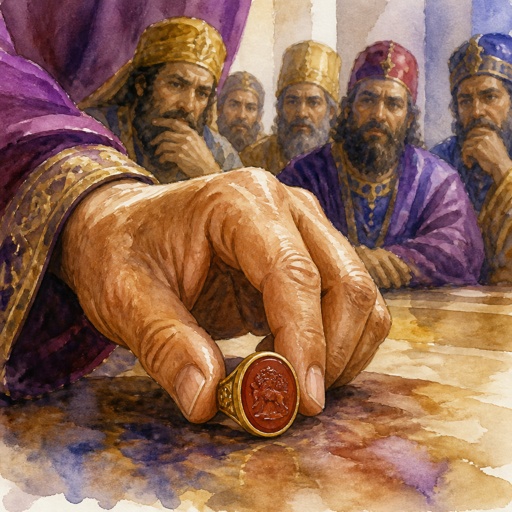
Esther 3:10 focus on ring

Esther 7:1 - "So the king and Haman came to banquet with Esther the queen."
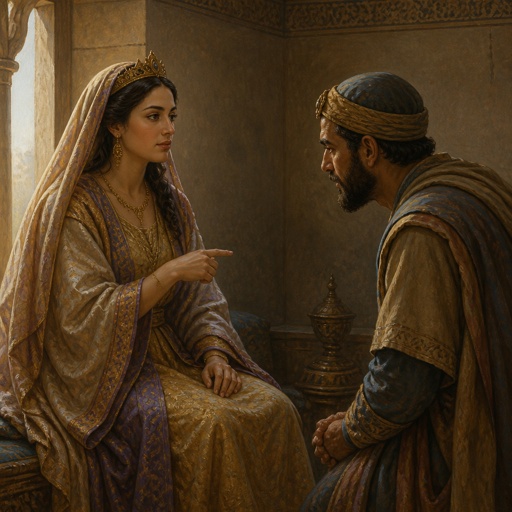
"¶ Again Esther spake unto Hatach, and gave him commandment unto Mordecai;" - Esther 4:10
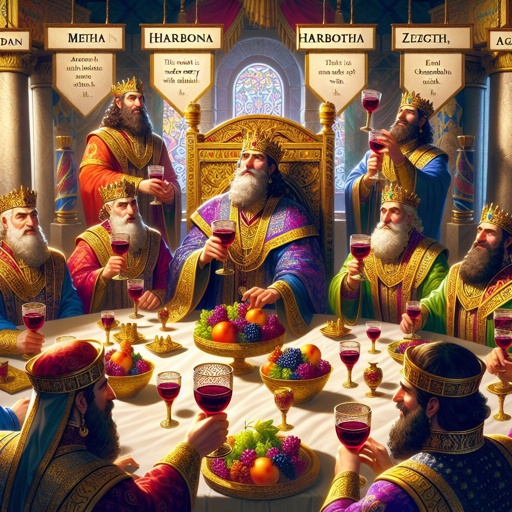
Esther 1:10 - "¶ On the seventh day, when the heart of the king was merry with wine, he commanded Mehuman, Biztha, Harbona, Bigtha, and Abagtha, Zethar, and Carcas, the seven chamberlains that served in the presence of Ahasuerus the king,"

Esther 1:17

Esther 8:1 - "On that day did the king Ahasuerus give the house of Haman the Jews' enemy unto Esther the queen. And Mordecai came before the king; for Esther had told what he was unto her."

Esther 9:10 - "The ten sons of Haman the son of Hammedatha, the enemy of the Jews, slew they; but on the spoil laid they not their hand."

Esther, the courageous queen

"So the king and Haman came to banquet with Esther the queen." - Esther 7:1

Esther 1:6

Esther 7:10 - "So they hanged Haman on the gallows that he had prepared for Mordecai. Then was the king's wrath pacified."
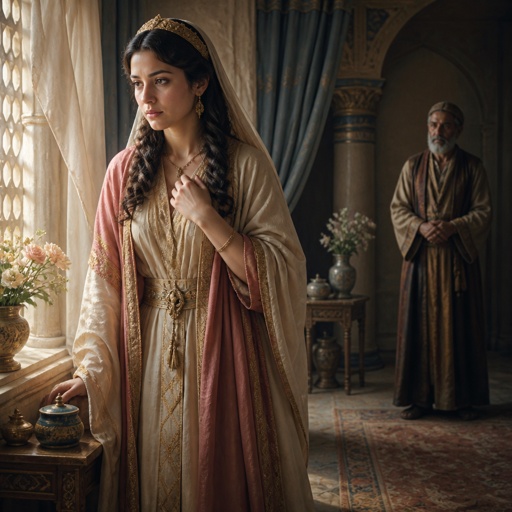
"Esther had not shewed her people nor her kindred: for Mordecai had charged her that she should not shew it." - Esther 2:10

Esther 5:10 - "Nevertheless Haman refrained himself: and when he came home, he sent and called for his friends, and Zeresh his wife."

Esther 3:10 - "And the king took his ring from his hand, and gave it unto Haman the son of Hammedatha the Agagite, the Jews' enemy."

Esther 8:10 - "And he wrote in the king Ahasuerus' name, and sealed it with the king's ring, and sent letters by posts on horseback, and riders on mules, camels, and young dromedaries:"

Esther 10:2 - "And all the acts of his power and of his might, and the declaration of the greatness of Mordecai, whereunto the king advanced him, are they not written in the book of the chronicles of the kings of Media and Persia?"
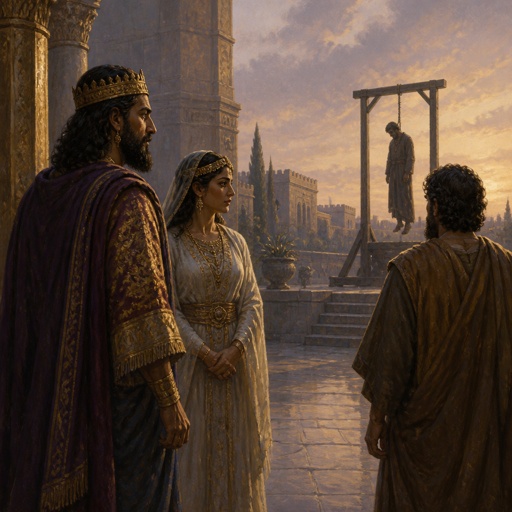
"So they hanged Haman on the gallows that he had prepared for Mordecai. Then was the king's wrath pacified." - Esther 7:10

"On that day did the king Ahasuerus give the house of Haman the Jews' enemy unto Esther the queen. And Mordecai came before the king; for Esther had told what he was unto her." - Esther 8:1

Esther 1:21 - "And the saying pleased the king and the princes; and the king did according to the word of Memucan:"

Esther 5:1 - "Now it came to pass on the third day, that Esther put on her royal apparel, and stood in the inner court of the king's house, over against the king's house: and the king sat upon his royal throne in the royal house, over against the gate of the house."

Esther 10:3 - "For Mordecai the Jew was next unto king Ahasuerus, and great among the Jews, and accepted of the multitude of his brethren, seeking the wealth of his people, and speaking peace to all his seed."

Esther 1:2 - "That in those days, when the king Ahasuerus sat on the throne of his kingdom, which was in Shushan the palace,"

Esther 1:9 - "Also Vashti the queen made a feast for the women in the royal house which belonged to king Ahasuerus."

Esther 1:1 - "Now it came to pass in the days of Ahasuerus, (this is Ahasuerus which reigned, from India even unto Ethiopia, over an hundred and seven and twenty provinces:)"

Esther 6:1 - "On that night could not the king sleep, and he commanded to bring the book of records of the chronicles; and they were read before the king."
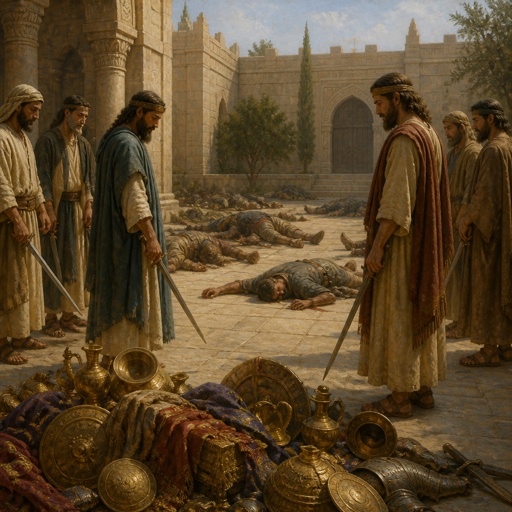
"The ten sons of Haman the son of Hammedatha, the enemy of the Jews, slew they; but on the spoil laid they not their hand." - Esther 9:10