What does Esther 1:17 mean?
“For this deed of the queen shall come abroad unto all women, so that they shall despise their husbands in their eyes, when it shall be reported, The king Ahasuerus commanded Vashti the queen to be brought in before him, but she came not.” — Esther 1:17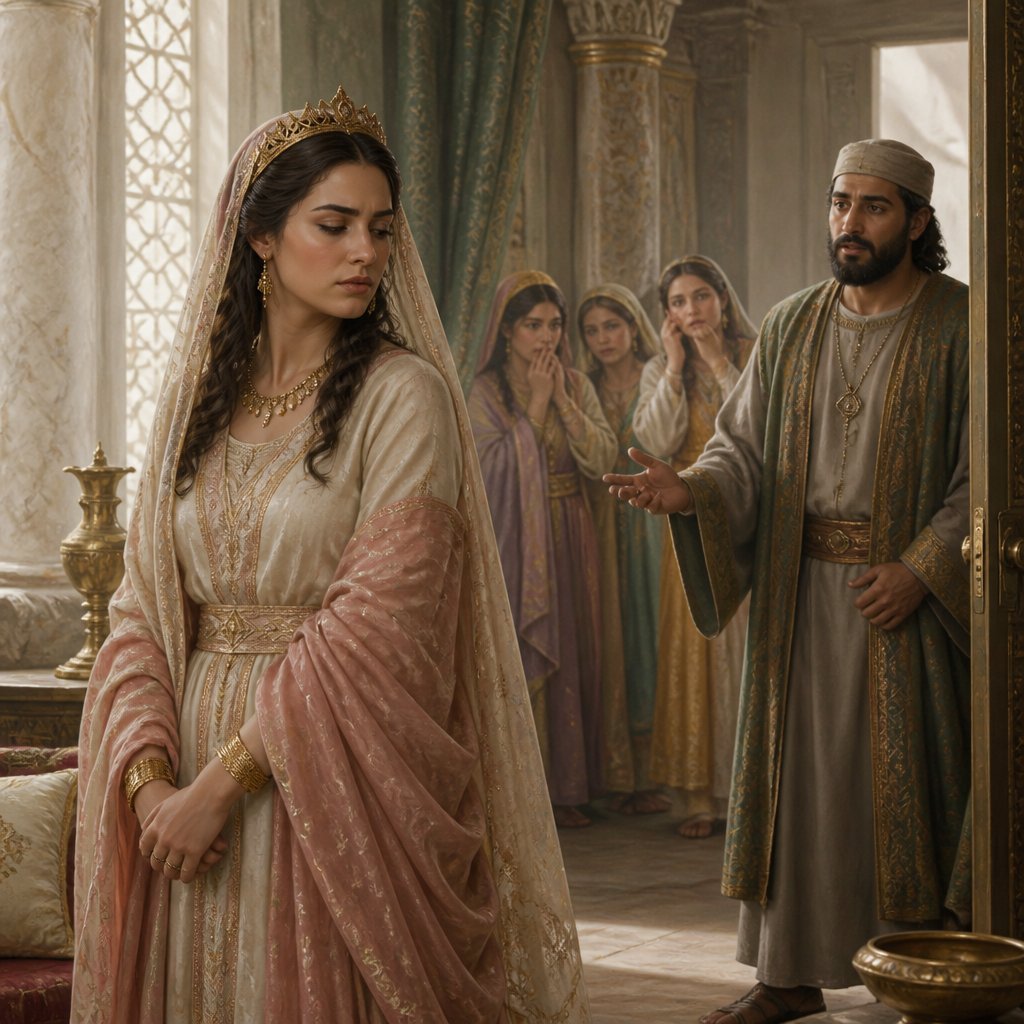
Esther 1:17 from the King James Version of the Bible states, "For this deed of the queen shall come abroad unto all women, so that they shall despise their husbands in their eyes, when it shall be reported, The king Ahasuerus commanded Vashti the queen to be brought in before him, but she came not."
This verse comes from the Book of Esther, which tells the story of a Jewish girl named Hadassah, who later becomes Queen Esther, and her cousin Mordecai, who saves the Jewish people from a plot to destroy them. The verse is part of the account of King Ahasuerus' banquet, where Queen Vashti refused to appear before the king and his nobles, leading to her dethronement.
In this verse, King Ahasuerus' concern is that if Queen Vashti's disobedience is left unchecked, it will set a precedent for all women to despise their husbands and disobey them. The King is worried about the potential implications of Vashti's actions on the overall societal order and gender dynamics within his kingdom.
The themes in this verse include the power dynamics within relationships, the consequences of disobedience, and the role of women in society. It raises questions about the responsibilities of those in positions of power, the expectations placed on women, and the intersection of authority and gender.
The context of this verse is set in the ancient Persian empire, where patriarchal norms and structures were deeply embedded. Queen Vashti's refusal to appear before the king is seen as a direct challenge to the established social order and gender roles. The king's concern about the implications of her actions reflects the broader societal attitudes towards women and their expected behavior.
Symbolically, this verse can be interpreted as a reflection of the tensions between power and submission, authority and defiance. Queen Vashti's disobedience can be seen as an act of resistance against the expectations placed upon her as a woman and a queen. The repercussions of her actions serve as a warning to all women about the potential consequences of defying patriarchal norms.
In a broader theological context, this verse reminds us of the complexities of human relationships and the societal structures that influence them. It raises issues of gender inequality, the dynamics of authority, and the expectations placed upon individuals based on their gender. It also prompts us to consider the implications of power and disobedience, and the challenges of navigating these dynamics in a way that upholds justice and equity.
Overall, Esther 1:17 is a thought-provoking verse that invites us to reflect on the complexities of power, authority, and gender dynamics within society. It challenges us to consider the implications of societal expectations and the consequences of defiance. In doing so, it prompts us to critically examine the roles and responsibilities placed upon individuals based on their gender, and to consider how we might work towards a more just and equitable society.
Get our apps


Artwork for Esther 1:17

Esther 1:17

Esther 1:17 - "For this deed of the queen shall come abroad unto all women, so that they shall despise their husbands in their eyes, when it shall be reported, The king Ahasuerus commanded Vashti the queen to be brought in before him, but she came not."
"For this deed of the queen shall come abroad unto all women, so that they shall despise their husbands in their eyes, when it shall be reported, The king Ahasuerus commanded Vashti the queen to be brought in before him, but she came not." - Esther 1:17

Esther 4:17 - "So Mordecai went his way, and did according to all that Esther had commanded him."

Esther 7:1 - "So the king and Haman came to banquet with Esther the queen."
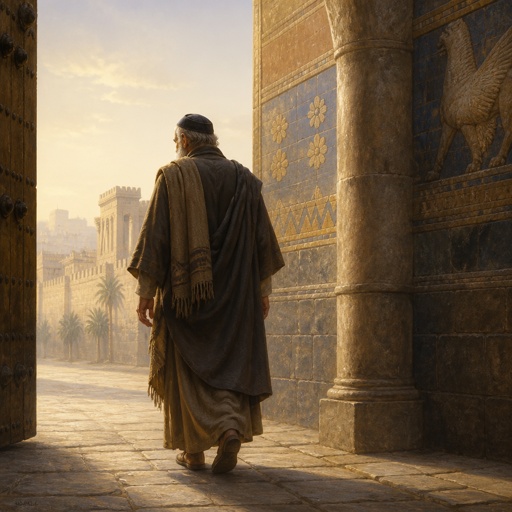
"So Mordecai went his way, and did according to all that Esther had commanded him." - Esther 4:17

Esther 9:17 - "On the thirteenth day of the month Adar; and on the fourteenth day of the same rested they, and made it a day of feasting and gladness."

Esther 8:1 - "On that day did the king Ahasuerus give the house of Haman the Jews' enemy unto Esther the queen. And Mordecai came before the king; for Esther had told what he was unto her."

Esther 2:17 - "And the king loved Esther above all the women, and she obtained grace and favour in his sight more than all the virgins; so that he set the royal crown upon her head, and made her queen instead of Vashti."

Esther 1:7 - "And they gave them drink in vessels of gold, (the vessels being diverse one from another,) and royal wine in abundance, according to the state of the king."

Esther, the courageous queen

"So the king and Haman came to banquet with Esther the queen." - Esther 7:1

Esther 1:6

Esther 10:1 - "And the king Ahasuerus laid a tribute upon the land, and upon the isles of the sea."

"On that day did the king Ahasuerus give the house of Haman the Jews' enemy unto Esther the queen. And Mordecai came before the king; for Esther had told what he was unto her." - Esther 8:1

Esther 1:21 - "And the saying pleased the king and the princes; and the king did according to the word of Memucan:"

Esther 5:1 - "Now it came to pass on the third day, that Esther put on her royal apparel, and stood in the inner court of the king's house, over against the king's house: and the king sat upon his royal throne in the royal house, over against the gate of the house."
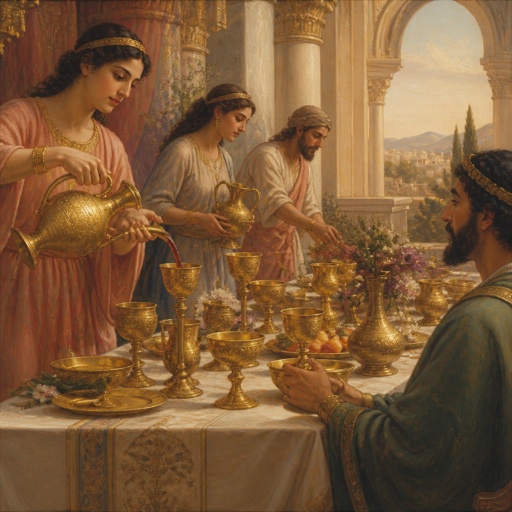
"And they gave them drink in vessels of gold, (the vessels being diverse one from another,) and royal wine in abundance, according to the state of the king." - Esther 1:7

Esther 1:2 - "That in those days, when the king Ahasuerus sat on the throne of his kingdom, which was in Shushan the palace,"

Esther 1:9 - "Also Vashti the queen made a feast for the women in the royal house which belonged to king Ahasuerus."
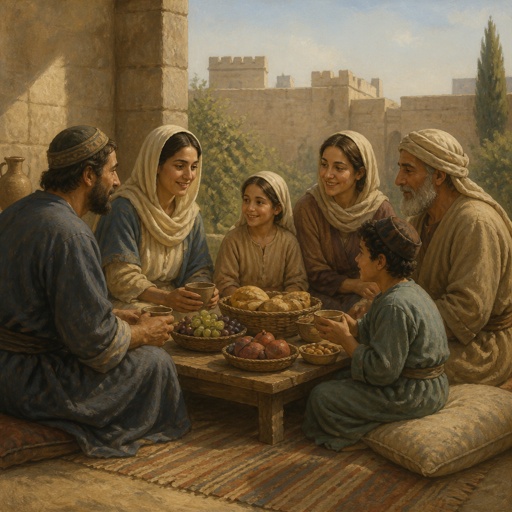
"On the thirteenth day of the month Adar; and on the fourteenth day of the same rested they, and made it a day of feasting and gladness." - Esther 9:17

Esther 8:17 - "And in every province, and in every city, whithersoever the king's commandment and his decree came, the Jews had joy and gladness, a feast and a good day. And many of the people of the land became Jews; for the fear of the Jews fell upon them."

Esther 1:1 - "Now it came to pass in the days of Ahasuerus, (this is Ahasuerus which reigned, from India even unto Ethiopia, over an hundred and seven and twenty provinces:)"

Esther 6:1 - "On that night could not the king sleep, and he commanded to bring the book of records of the chronicles; and they were read before the king."

Esther 1:11 - "To bring Vashti the queen before the king with the crown royal, to shew the people and the princes her beauty: for she was fair to look on."
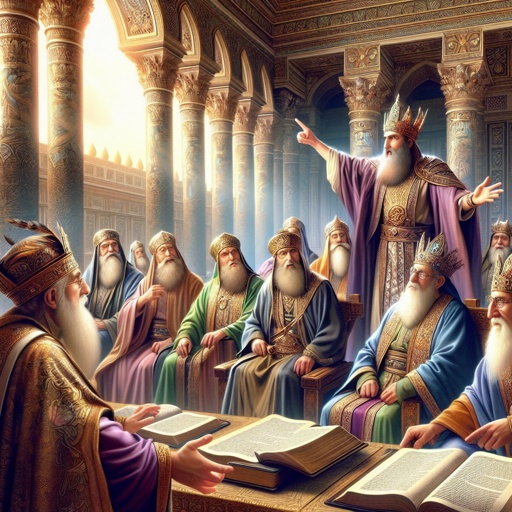
Esther 1:13 - "¶ Then the king said to the wise men, which knew the times, (for so was the king's manner toward all that knew law and judgment:"
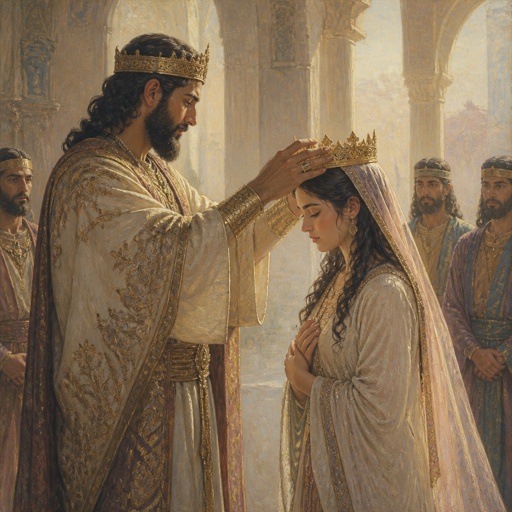
"And the king loved Esther above all the women, and she obtained grace and favour in his sight more than all the virgins; so that he set the royal crown upon her head, and made her queen instead of Vashti." - Esther 2:17

Esther 1:4 - "When he shewed the riches of his glorious kingdom and the honour of his excellent majesty many days, even an hundred and fourscore days."

Esther 1:12 - "But the queen Vashti refused to come at the king's commandment by his chamberlains: therefore was the king very wroth, and his anger burned in him."

Esther 2:1 - "After these things, when the wrath of king Ahasuerus was appeased, he remembered Vashti, and what she had done, and what was decreed against her."