What does Esther 2:6 mean?
“Who had been carried away from Jerusalem with the captivity which had been carried away with Jeconiah king of Judah, whom Nebuchadnezzar the king of Babylon had carried away.” — Esther 2:6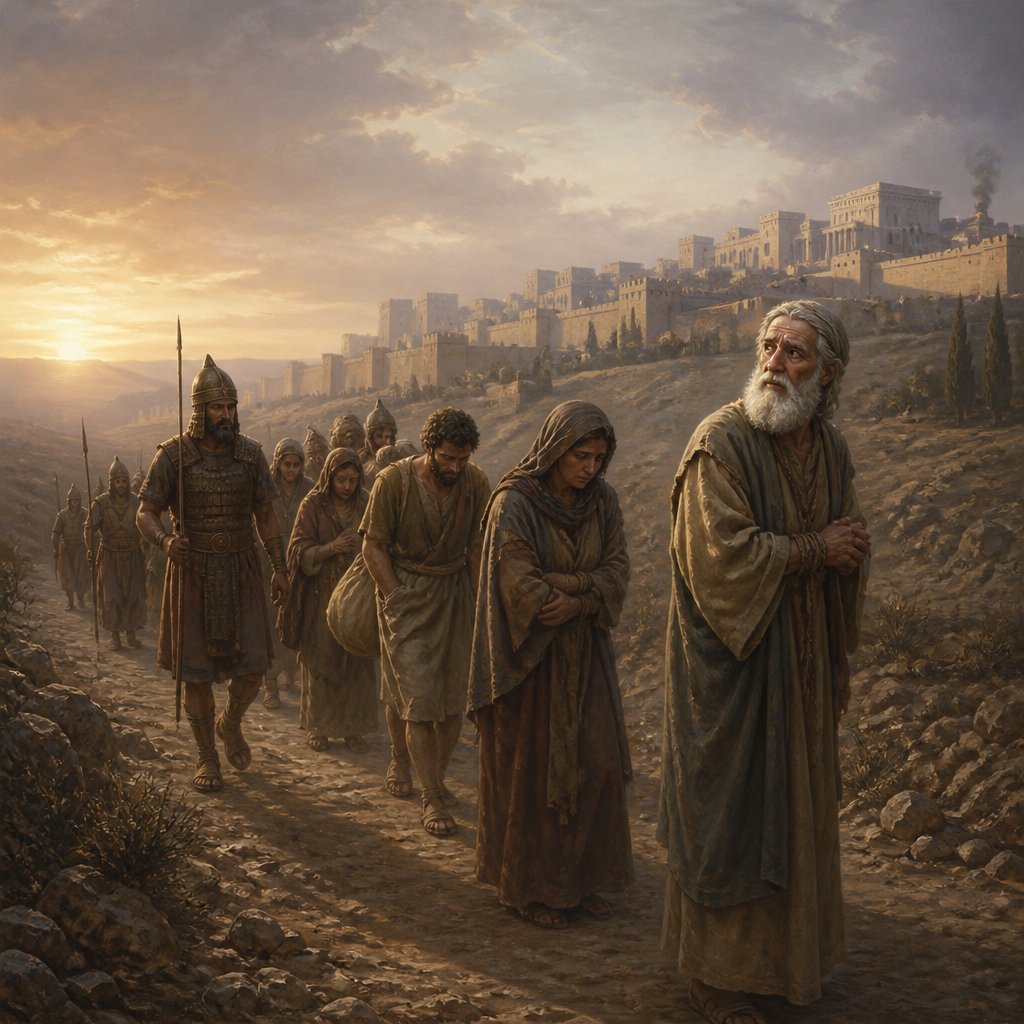
Esther 2:6 (KJV) - "Who had been carried away from Jerusalem with the captivity which had been carried away with Jeconiah king of Judah, whom Nebuchadnezzar the king of Babylon had carried away."
The book of Esther is set during the time when the Israelites had been taken into captivity by the Babylonians. This verse specifically refers to those who had been taken away from Jerusalem with the captivity of Jeconiah, the king of Judah who was deported by Nebuchadnezzar, the king of Babylon. This verse is just one small detail in the larger story of Esther, but it holds significant meaning in the context of the entire book.
The book of Esther tells the story of a young Jewish woman named Esther who becomes the queen of Persia and, through courage and faith, saves her people from a plot to exterminate them. The book is unique in that it does not explicitly mention God, yet his providential hand is clearly seen throughout the events that unfold. This verse serves as a historical reminder of the dire situation that the Jewish people found themselves in at the time, and sets the stage for the rest of the story.
One of the prominent themes in the book of Esther is the preservation of the Jewish people. Despite facing great adversity and the threat of annihilation, the Jewish people are ultimately saved through the bravery and obedience of Esther. This verse reminds readers of the historical context in which the story takes place, reinforcing the idea that God is always at work, even in the midst of difficult circumstances.
Another theme that can be derived from this verse is the concept of exile and displacement. The reference to those who were carried away from Jerusalem with Jeconiah speaks to the suffering and displacement that the Jewish people endured as a result of the Babylonian captivity. This theme of exile and displacement is not only a historical reality for the Israelites, but it also serves as a metaphor for the spiritual exile that occurs when people are separated from God. Throughout the book of Esther, the Jewish people are in a figurative exile, living as a minority in a foreign land. Despite this, they remain faithful and trust in God's deliverance, ultimately finding redemption and restoration.
The symbolism in this verse lies in the mention of the captivity and deportation of Jeconiah and the people of Judah. This event was a pivotal moment in Jewish history, marking the beginning of a period of exile and hardship. However, it also laid the groundwork for the eventual return of the Jewish people to their homeland and the rebuilding of the temple. This historical event serves as a backdrop for the redemptive story that unfolds in the book of Esther, symbolizing the idea that even in the darkest times, God remains faithful to his people and works to bring about restoration and hope.
In conclusion, Esther 2:6 is a verse that may seem like a minor detail in the larger narrative of the book of Esther, but it holds significant meaning within the context of the Jewish people's history and the overarching themes of the book. It serves as a reminder of the adversity and displacement that the Jewish people faced, while also symbolizing the eventual redemption and restoration that God brings about. This verse sets the stage for the miraculous events that unfold in the rest of the book and reinforces the timeless truth that God is always at work, even in the most challenging of circumstances.
Get our apps


Artwork for Esther 2:6
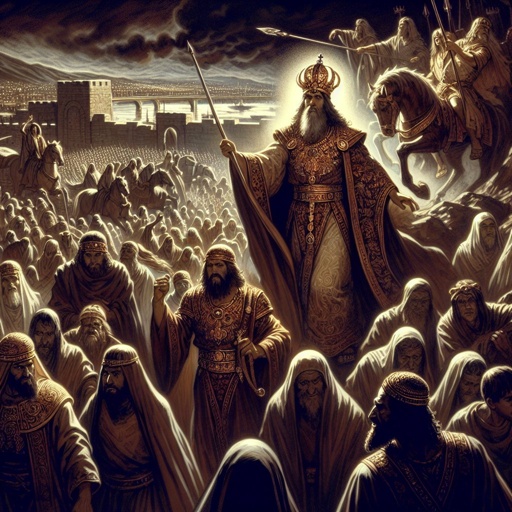
Esther 2:6 - "Who had been carried away from Jerusalem with the captivity which had been carried away with Jeconiah king of Judah, whom Nebuchadnezzar the king of Babylon had carried away."
"Who had been carried away from Jerusalem with the captivity which had been carried away with Jeconiah king of Judah, whom Nebuchadnezzar the king of Babylon had carried away." - Esther 2:6

Esther 7:6 - "And Esther said, The adversary and enemy is this wicked Haman. Then Haman was afraid before the king and the queen."

Esther 1:6

Esther 6:2 - "And it was found written, that Mordecai had told of Bigthana and Teresh, two of the king's chamberlains, the keepers of the door, who sought to lay hand on the king Ahasuerus."

Esther 6:14 - "And while they were yet talking with him, came the king's chamberlains, and hasted to bring Haman unto the banquet that Esther had prepared."

Esther 2:22 - "And the thing was known to Mordecai, who told it unto Esther the queen; and Esther certified the king thereof in Mordecai's name."

Esther 5:2 - "And it was so, when the king saw Esther the queen standing in the court, that she obtained favour in his sight: and the king held out to Esther the golden sceptre that was in his hand. So Esther drew near, and touched the top of the sceptre."

Esther 5:6 - "¶ And the king said unto Esther at the banquet of wine, What is thy petition? and it shall be granted thee: and what is thy request? even to the half of the kingdom it shall be performed."

Esther 7:2 - "And the king said again unto Esther on the second day at the banquet of wine, What is thy petition, queen Esther? and it shall be granted thee: and what is thy request? and it shall be performed, even to the half of the kingdom."

Esther 2:20 - "Esther had not yet shewed her kindred nor her people; as Mordecai had charged her: for Esther did the commandment of Mordecai, like as when she was brought up with him."

Esther 5:2

Esther 5:2

Esther 5:2

Esther 2:11 - "And Mordecai walked every day before the court of the women's house, to know how Esther did, and what should become of her."

Esther 6:7 - "And Haman answered the king, For the man whom the king delighteth to honour,"

Esther 9:6 - "And in Shushan the palace the Jews slew and destroyed five hundred men."

Esther 2:10 - "Esther had not shewed her people nor her kindred: for Mordecai had charged her that she should not shew it."

"And Esther said, The adversary and enemy is this wicked Haman. Then Haman was afraid before the king and the queen." - Esther 7:6

Esther 5:2 - "And it was so, when the king saw Esther the queen standing in the court, that she obtained favour in his sight: and the king held out to Esther the golden sceptre that was in his hand. So Esther drew near, and touched the top of the sceptre."

"And the thing was known to Mordecai, who told it unto Esther the queen; and Esther certified the king thereof in Mordecai's name." - Esther 2:22

Esther 2:16 - "So Esther was taken unto king Ahasuerus into his house royal in the tenth month, which is the month Tebeth, in the seventh year of his reign."

Esther 8:2 - "And the king took off his ring, which he had taken from Haman, and gave it unto Mordecai. And Esther set Mordecai over the house of Haman."

Esther 4:6 - "So Hatach went forth to Mordecai unto the street of the city, which was before the king's gate."
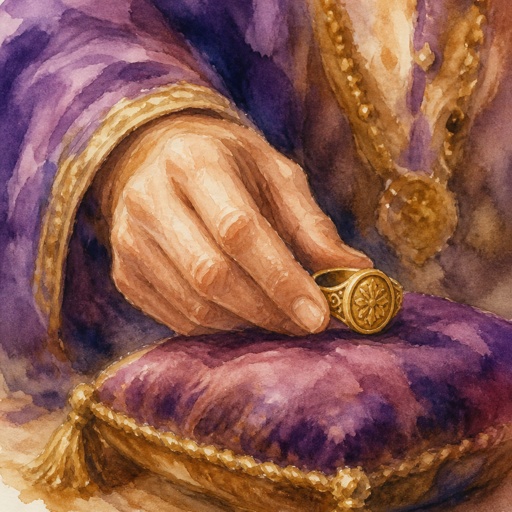
Esther 8:2 focus on the ring

Esther 2:15 - "¶ Now when the turn of Esther, the daughter of Abihail the uncle of Mordecai, who had taken her for his daughter, was come to go in unto the king, she required nothing but what Hegai the king's chamberlain, the keeper of the women, appointed. And Esther obtained favour in the sight of all them that looked upon her."

Esther 6:1 - "On that night could not the king sleep, and he commanded to bring the book of records of the chronicles; and they were read before the king."

Esther 6:5 - "And the king's servants said unto him, Behold, Haman standeth in the court. And the king said, Let him come in."

Esther 6:12 - "¶ And Mordecai came again to the king's gate. But Haman hasted to his house mourning, and having his head covered."

Esther 2:2 - "Then said the king's servants that ministered unto him, Let there be fair young virgins sought for the king:"