What does Esther 3:11 mean?
“And the king said unto Haman, The silver is given to thee, the people also, to do with them as it seemeth good to thee.” — Esther 3:11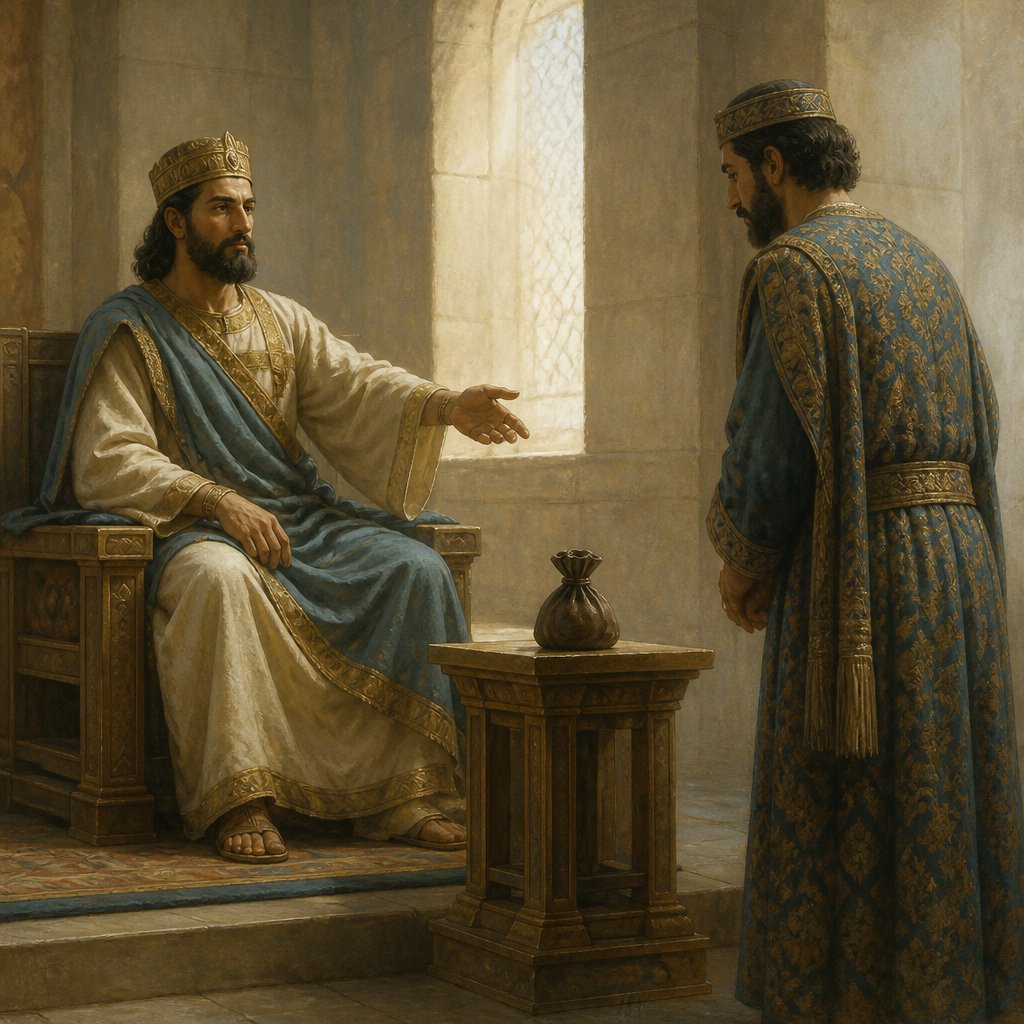
Esther 3:11 from the King James Version (KJV) reads: "And the king said unto Haman, The silver is given to thee, the people also, to do with them as it seemeth good to thee."
The book of Esther in the Bible is a fascinating and complex story of courage, faith, and deliverance. It is set in the Persian empire during the reign of King Ahasuerus and tells the story of a Jewish girl named Esther who becomes queen and who uses her position to save her people from destruction. This verse takes place in the middle of the story when Haman, the king's advisor, has plotted to destroy all the Jews in the kingdom.
The verse reflects a critical moment in the narrative, where the king agrees to Haman's plan to exterminate the Jewish people and gives him authority and resources to carry it out. The significance of this moment cannot be overstated, as it represents the turning point in the story and sets the stage for Esther's bravery and intervention to save her people.
One of the key themes in the book of Esther is the providence of God. Despite the fact that the name of God is never mentioned in the book, his hand is clearly at work throughout the events that unfold. In this verse, we see the sinister plot of Haman and the willingness of the king to go along with it, but we also see the stage being set for God's deliverance of his people. The verse reminds us that even in the darkest moments, God is still in control and working behind the scenes to bring about his purposes.
Another significant theme in the book of Esther is the concept of divine timing. Throughout the story, we see a series of seemingly coincidental events that ultimately culminate in the defeat of Haman and the salvation of the Jews. This verse is a crucial part of that unfolding narrative, as it sets the stage for Esther's bold actions and the eventual downfall of her enemies. It serves as a reminder that God's timing is perfect, and that he is able to use even the most difficult and challenging circumstances to bring about his will.
The symbolism in this verse is profound, as it represents the conflict between good and evil, the power of an earthly king, and the ultimate sovereignty of the heavenly King. The silver given to Haman represents the material resources that he is given to carry out his wicked plans, but it also serves as a reminder of the fleeting nature of earthly wealth and power. The king's gesture of giving Haman authority over the people symbolizes the corrupting influence of absolute power, and the willingness of individuals to follow destructive orders without question.
In a broader context, this verse can also serve as a cautionary tale about the dangers of unchecked authority and the responsibility of leaders to use their power for the good of others. It is a reminder that we must be vigilant against the forces of injustice and persecution, and that we must be willing to stand up for those who are at risk of harm.
In conclusion, Esther 3:11 from the King James Version is a pivotal verse in the book of Esther, reflecting the unfolding drama of the plot against the Jewish people and setting the stage for the ultimate deliverance that is to come. It serves as a powerful reminder of the providence and timing of God, the corrupting influence of power, and the necessity of standing up against injustice. It is a verse that continues to resonate with readers today, offering timeless lessons about faith, courage, and the enduring hope of deliverance.
Get our apps


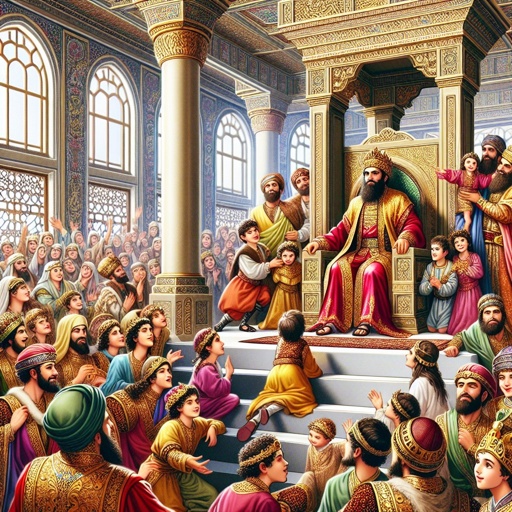
Artwork for Esther 3:11

Esther 3:11 - "And the king said unto Haman, The silver is given to thee, the people also, to do with them as it seemeth good to thee."
"And the king said unto Haman, The silver is given to thee, the people also, to do with them as it seemeth good to thee." - Esther 3:11

Esther 2:11 - "And Mordecai walked every day before the court of the women's house, to know how Esther did, and what should become of her."

Esther 5:3 - "Then said the king unto her, What wilt thou, queen Esther? and what is thy request? it shall be even given thee to the half of the kingdom."
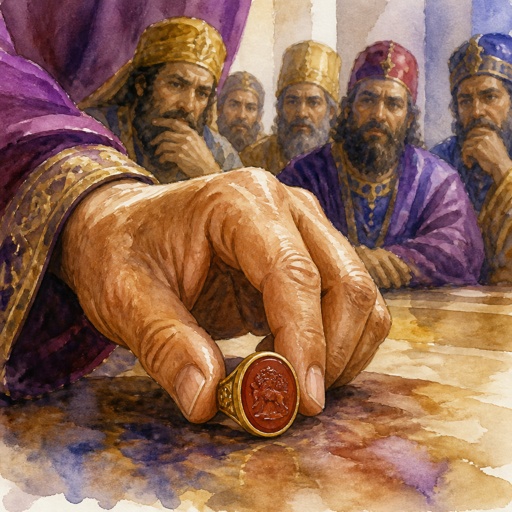
Esther 3:10 focus on ring

Esther 3:3 - "Then the king's servants, which were in the king's gate, said unto Mordecai, Why transgressest thou the king's commandment?"

Esther 8:3 - "¶ And Esther spake yet again before the king, and fell down at his feet, and besought him with tears to put away the mischief of Haman the Agagite, and his device that he had devised against the Jews."

Esther 9:11 - "On that day the number of those that were slain in Shushan the palace was brought before the king."

Esther 7:3 - "Then Esther the queen answered and said, If I have found favour in thy sight, O king, and if it please the king, let my life be given me at my petition, and my people at my request:"

Esther 3:5 - "And when Haman saw that Mordecai bowed not, nor did him reverence, then was Haman full of wrath."

Esther 1:11 - "To bring Vashti the queen before the king with the crown royal, to shew the people and the princes her beauty: for she was fair to look on."
"And Mordecai walked every day before the court of the women's house, to know how Esther did, and what should become of her." - Esther 2:11

Esther 9:3 - "And all the rulers of the provinces, and the lieutenants, and the deputies, and officers of the king, helped the Jews; because the fear of Mordecai fell upon them."

Esther 3:14 - "The copy of the writing for a commandment to be given in every province was published unto all people, that they should be ready against that day."

Esther 3:10 - "And the king took his ring from his hand, and gave it unto Haman the son of Hammedatha the Agagite, the Jews' enemy."
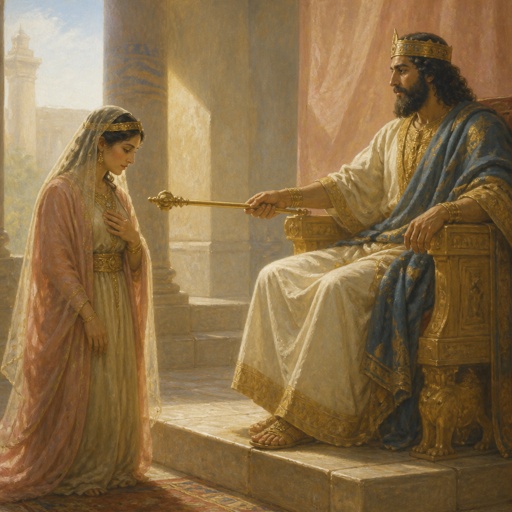
"Then said the king unto her, What wilt thou, queen Esther? and what is thy request? it shall be even given thee to the half of the kingdom." - Esther 5:3

Esther 3:15 - "The posts went out, being hastened by the king's commandment, and the decree was given in Shushan the palace. And the king and Haman sat down to drink; but the city Shushan was perplexed."

Esther 6:3 - "And the king said, What honour and dignity hath been done to Mordecai for this? Then said the king's servants that ministered unto him, There is nothing done for him."

Esther 3:1 - "After these things did king Ahasuerus promote Haman the son of Hammedatha the Agagite, and advanced him, and set his seat above all the princes that were with him."

Esther 4:3 - "And in every province, whithersoever the king's commandment and his decree came, there was great mourning among the Jews, and fasting, and weeping, and wailing; and many lay in sackcloth and ashes."
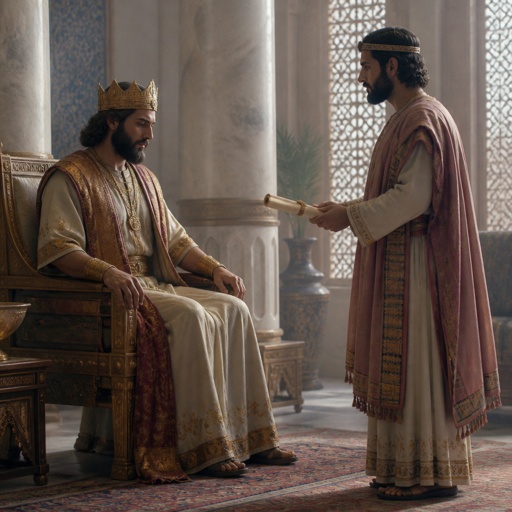
"On that day the number of those that were slain in Shushan the palace was brought before the king." - Esther 9:11

Esther 6:11 - "Then took Haman the apparel and the horse, and arrayed Mordecai, and brought him on horseback through the street of the city, and proclaimed before him, Thus shall it be done unto the man whom the king delighteth to honour."
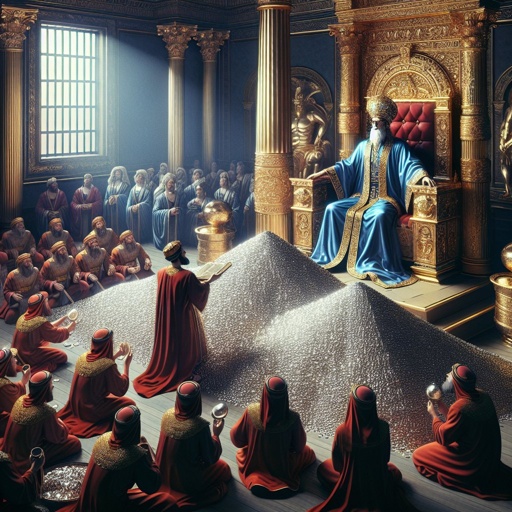
Esther 3:9 - "If it please the king, let it be written that they may be destroyed: and I will pay ten thousand talents of silver to the hands of those that have the charge of the business, to bring it into the king's treasuries."
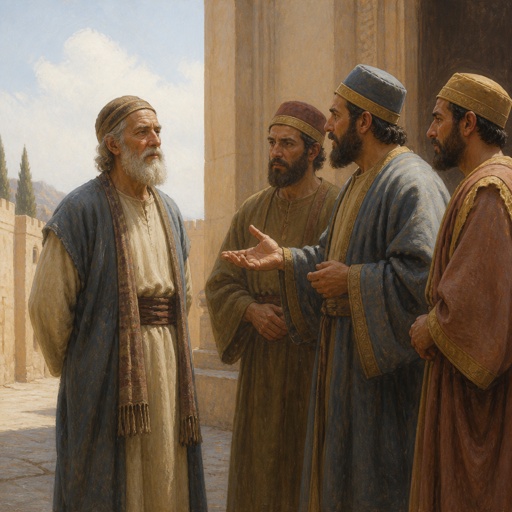
"Then the king's servants, which were in the king's gate, said unto Mordecai, Why transgressest thou the king's commandment?" - Esther 3:3

Esther 10:3 - "For Mordecai the Jew was next unto king Ahasuerus, and great among the Jews, and accepted of the multitude of his brethren, seeking the wealth of his people, and speaking peace to all his seed."

Esther 3:2 - "And all the king's servants, that were in the king's gate, bowed, and reverenced Haman: for the king had so commanded concerning him. But Mordecai bowed not, nor did him reverence."

Esther 3:7 - "¶ In the first month, that is, the month Nisan, in the twelfth year of king Ahasuerus, they cast Pur, that is, the lot, before Haman from day to day, and from month to month, to the twelfth month, that is, the month Adar."
Esther 5:11 - "And Haman told them of the glory of his riches, and the multitude of his children, and all the things wherein the king had promoted him, and how he had advanced him above the princes and servants of the king."

Esther 1:3 - "In the third year of his reign, he made a feast unto all his princes and his servants; the power of Persia and Media, the nobles and princes of the provinces, being before him:"

Esther 3:4 - "Now it came to pass, when they spake daily unto him, and he hearkened not unto them, that they told Haman, to see whether Mordecai's matters would stand: for he had told them that he was a Jew."