What does Esther 3:14 mean?
“The copy of the writing for a commandment to be given in every province was published unto all people, that they should be ready against that day.” — Esther 3:14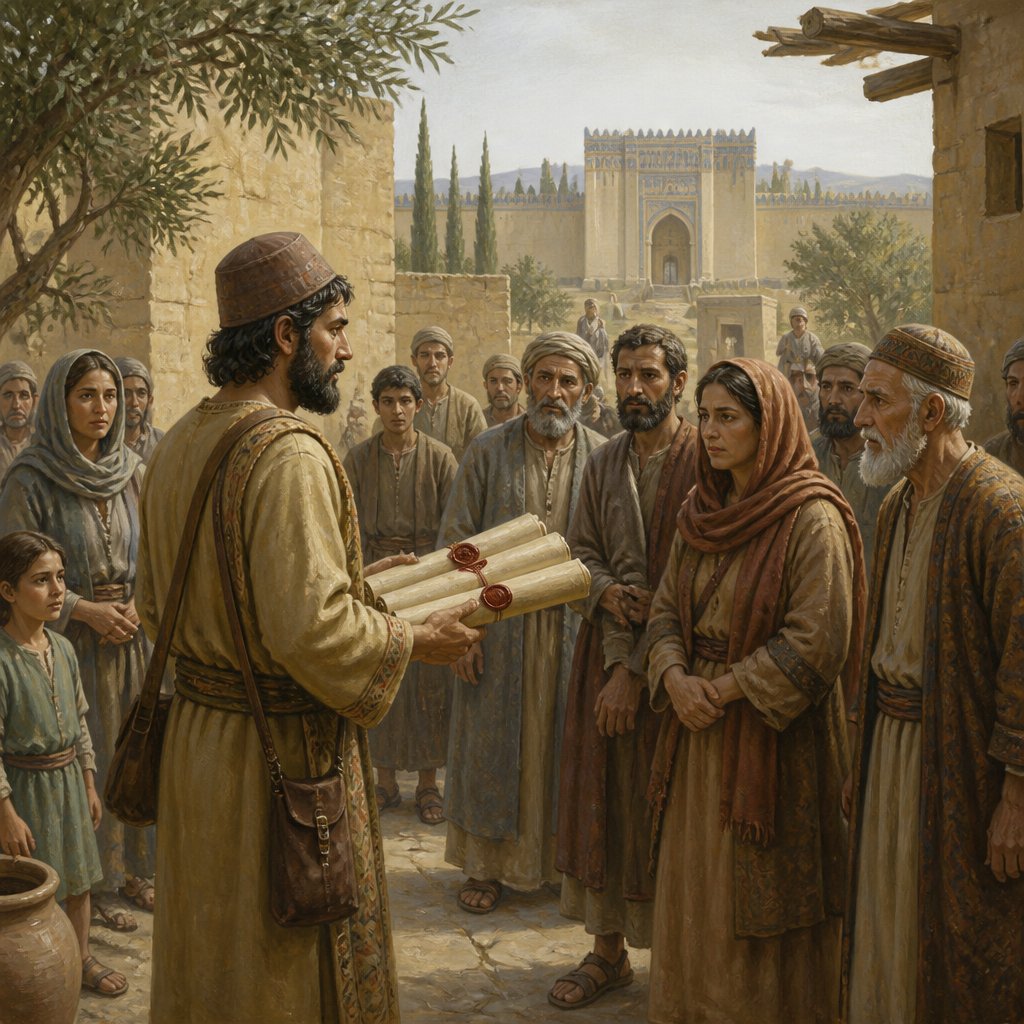
The book of Esther in the Bible is a historical account of the events that took place in the Persian Empire during the reign of King Xerxes I. The verse Esther 3:14 in the King James Version (KJV) states, "The copy of the writing for a commandment to be given in every province was published unto all people, that they should be ready against that day."
In order to fully understand the significance of this verse, it is important to provide some context. In the previous verses, we learn that Haman, a high-ranking official in the Persian government, had plotted to annihilate the Jewish people. He persuaded King Xerxes to issue a decree that ordered the destruction of all Jews in the empire on a specific day. The verse in question describes the official proclamation of this decree throughout all the provinces of the empire.
One of the key themes present in this verse is the power of authority and the consequences of unchecked tyranny. The fact that a single man, Haman, was able to manipulate the king into issuing a decree that would lead to the massacre of an entire group of people speaks to the dangers of absolute power. The verse serves as a warning against the abuse of authority and the potential devastation that can result from unjust and oppressive leadership.
Furthermore, the verse highlights the plight of the Jewish people and the perilous situation they find themselves in. The proclamation of the decree in every province symbolizes the widespread reach and impact of the threat they are facing. It emphasizes the urgency and severity of the situation, as well as the overwhelming sense of fear and vulnerability experienced by the Jewish community.
Another important aspect to consider is the theme of faith and resilience in the face of adversity. Despite the grave circumstances they are confronted with, the Jewish people are presented with a challenge to muster their strength and prepare to defend themselves. This verse serves as a call to action for the Jewish community, urging them to be ready to confront the impending danger and to stand firm in their faith.
Symbolically, the publication of the decree in every province can be interpreted as a representation of the pervasive nature of evil and injustice in the world. It serves as a reminder of the constant presence of oppression and the need for vigilance in combatting it. Additionally, it underscores the importance of solidarity and coming together in the face of persecution, as the Jewish people are called upon to unite and prepare for the battle ahead.
In conclusion, Esther 3:14 holds significant meaning within the larger context of the book of Esther. It serves as a poignant reminder of the dangers of unchecked authority and the pervasive nature of injustice. It also underscores the resilience and faith of the Jewish people in the face of immense adversity. The verse is a powerful call to action, urging readers to confront oppression and stand up for justice in their own lives and in the world around them.
Get our apps


Artwork for Esther 3:14

Esther 3:14 - "The copy of the writing for a commandment to be given in every province was published unto all people, that they should be ready against that day."
"The copy of the writing for a commandment to be given in every province was published unto all people, that they should be ready against that day." - Esther 3:14

Esther 6:14 - "And while they were yet talking with him, came the king's chamberlains, and hasted to bring Haman unto the banquet that Esther had prepared."

Esther 5:3 - "Then said the king unto her, What wilt thou, queen Esther? and what is thy request? it shall be even given thee to the half of the kingdom."
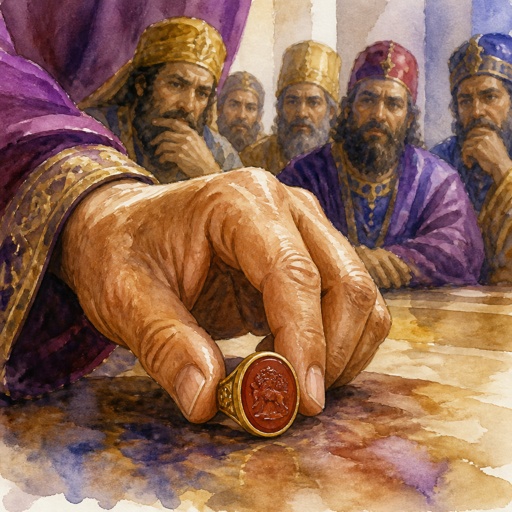
Esther 3:10 focus on ring

Esther 3:3 - "Then the king's servants, which were in the king's gate, said unto Mordecai, Why transgressest thou the king's commandment?"

Esther 8:3 - "¶ And Esther spake yet again before the king, and fell down at his feet, and besought him with tears to put away the mischief of Haman the Agagite, and his device that he had devised against the Jews."

Esther 9:14 - "And the king commanded it so to be done: and the decree was given at Shushan; and they hanged Haman's ten sons."

Esther 7:3 - "Then Esther the queen answered and said, If I have found favour in thy sight, O king, and if it please the king, let my life be given me at my petition, and my people at my request:"

"And while they were yet talking with him, came the king's chamberlains, and hasted to bring Haman unto the banquet that Esther had prepared." - Esther 6:14

Esther 3:5 - "And when Haman saw that Mordecai bowed not, nor did him reverence, then was Haman full of wrath."

Esther 8:14 - "So the posts that rode upon mules and camels went out, being hastened and pressed on by the king's commandment. And the decree was given at Shushan the palace."

Esther 9:3 - "And all the rulers of the provinces, and the lieutenants, and the deputies, and officers of the king, helped the Jews; because the fear of Mordecai fell upon them."

Esther 3:11 - "And the king said unto Haman, The silver is given to thee, the people also, to do with them as it seemeth good to thee."

Esther 3:10 - "And the king took his ring from his hand, and gave it unto Haman the son of Hammedatha the Agagite, the Jews' enemy."

Esther 1:14 - "And the next unto him was Carshena, Shethar, Admatha, Tarshish, Meres, Marsena, and Memucan, the seven princes of Persia and Media, which saw the king's face, and which sat the first in the kingdom;)"
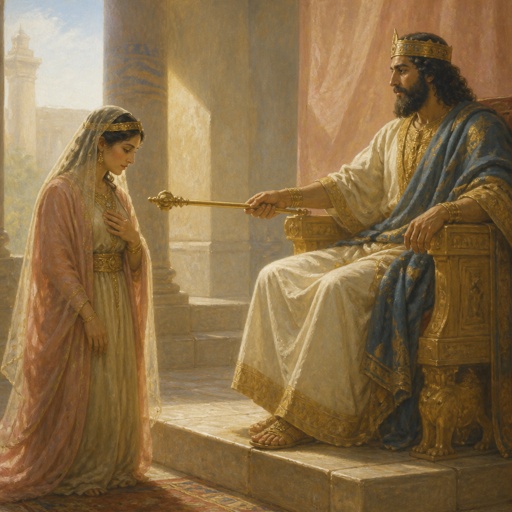
"Then said the king unto her, What wilt thou, queen Esther? and what is thy request? it shall be even given thee to the half of the kingdom." - Esther 5:3

Esther 3:15 - "The posts went out, being hastened by the king's commandment, and the decree was given in Shushan the palace. And the king and Haman sat down to drink; but the city Shushan was perplexed."

Esther 6:3 - "And the king said, What honour and dignity hath been done to Mordecai for this? Then said the king's servants that ministered unto him, There is nothing done for him."

Esther 3:1 - "After these things did king Ahasuerus promote Haman the son of Hammedatha the Agagite, and advanced him, and set his seat above all the princes that were with him."

Esther 4:3 - "And in every province, whithersoever the king's commandment and his decree came, there was great mourning among the Jews, and fasting, and weeping, and wailing; and many lay in sackcloth and ashes."

Esther 3:9 - "If it please the king, let it be written that they may be destroyed: and I will pay ten thousand talents of silver to the hands of those that have the charge of the business, to bring it into the king's treasuries."
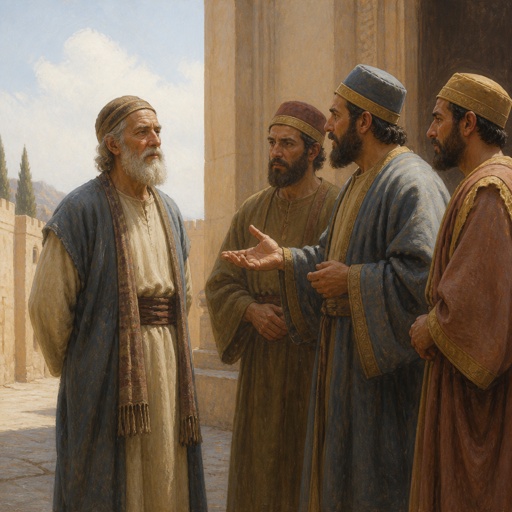
"Then the king's servants, which were in the king's gate, said unto Mordecai, Why transgressest thou the king's commandment?" - Esther 3:3

"And the king commanded it so to be done: and the decree was given at Shushan; and they hanged Haman's ten sons." - Esther 9:14

Esther 10:3 - "For Mordecai the Jew was next unto king Ahasuerus, and great among the Jews, and accepted of the multitude of his brethren, seeking the wealth of his people, and speaking peace to all his seed."

Esther 3:2 - "And all the king's servants, that were in the king's gate, bowed, and reverenced Haman: for the king had so commanded concerning him. But Mordecai bowed not, nor did him reverence."

Esther 3:7 - "¶ In the first month, that is, the month Nisan, in the twelfth year of king Ahasuerus, they cast Pur, that is, the lot, before Haman from day to day, and from month to month, to the twelfth month, that is, the month Adar."

Esther 1:3 - "In the third year of his reign, he made a feast unto all his princes and his servants; the power of Persia and Media, the nobles and princes of the provinces, being before him:"

Esther 4:14 - "For if thou altogether holdest thy peace at this time, then shall there enlargement and deliverance arise to the Jews from another place; but thou and thy father's house shall be destroyed: and who knoweth whether thou art come to the kingdom for such a time as this?"

Esther 2:14 - "In the evening she went, and on the morrow she returned into the second house of the women, to the custody of Shaashgaz, the king's chamberlain, which kept the concubines: she came in unto the king no more, except the king delighted in her, and that she were called by name."