What does Esther 4:4 mean?
“So Esther’s maids and her chamberlains came and told it her. Then was the queen exceedingly grieved; and she sent raiment to clothe Mordecai, and to take away his sackcloth from him: but he received it not.” — Esther 4:4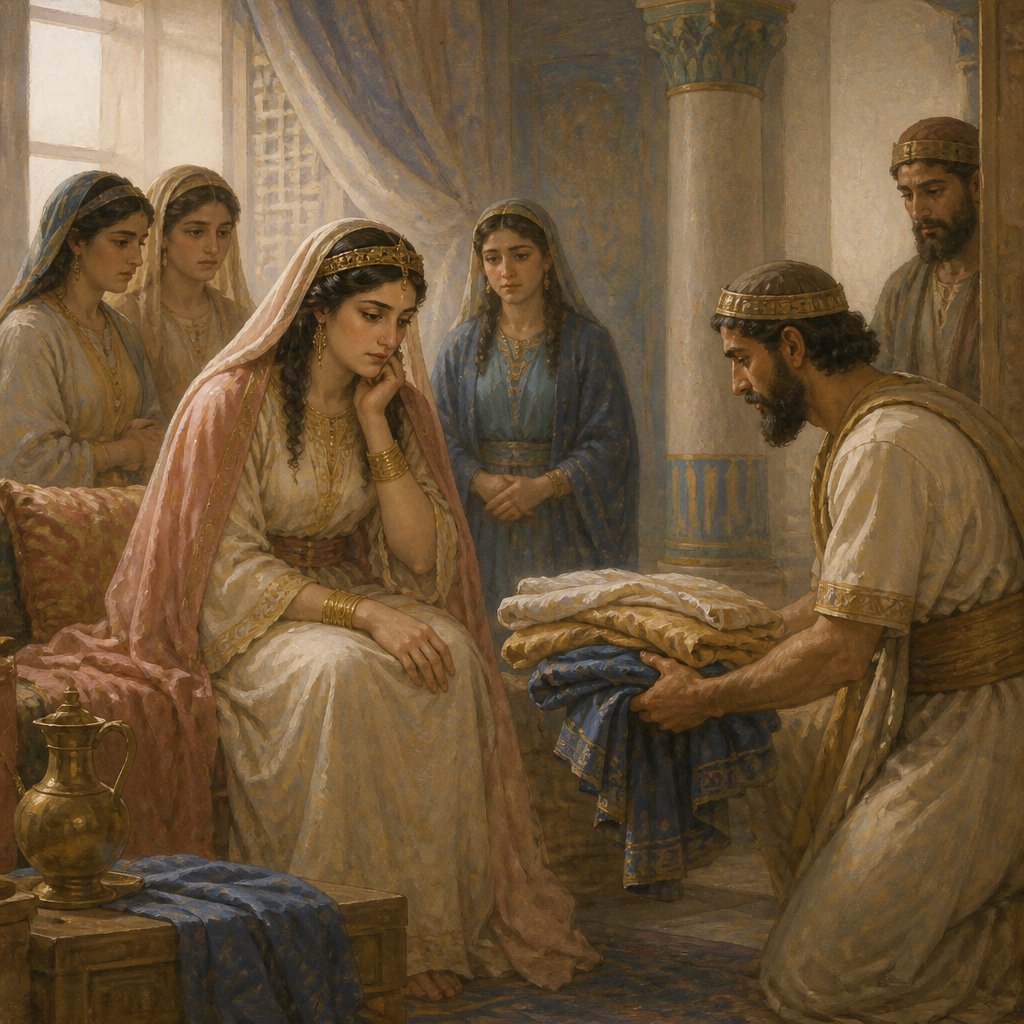
The book of Esther is one of the most well-known and revered books in the Bible, telling the story of a Jewish woman named Esther who becomes queen of Persia and ultimately saves her people from a plot to destroy them. The verse Esther 4:4 in the King James Version (KJV) states, "So Esther's maids and her chamberlains came and told it her. Then was the queen exceedingly grieved; and she sent raiment to clothe Mordecai, and to take away his sackcloth from him: but he received it not."
This verse occurs in the context of a critical moment in the story of Esther. The earlier verses reveal that Mordecai, Esther's cousin, had learned of a plot to destroy the Jewish people and had gone into mourning, wearing sackcloth and ashes. When Esther learned of this, she was greatly distressed.
The themes in this verse are multi-faceted and rich in meaning. One prominent theme in this verse is the juxtaposition of outward appearances and inner emotions. Esther sends clothing to Mordecai, intending to remove the outward display of mourning and grief, but Mordecai refuses to accept it. This demonstrates the depth of his anguish over the fate of his people and his unwillingness to simply put on a happy facade. This theme raises questions about the authenticity of outward appearances and the importance of addressing and processing emotions, even when it is painful to do so.
Another theme in this verse is the concept of grief and mourning. Esther is "exceedingly grieved" upon learning about Mordecai's distress, and her response is to try to alleviate his outward signs of mourning. This speaks to the instinct to try to comfort others in their time of grief and the discomfort that can arise when faced with the raw emotions of someone else's pain.
The context of this verse within the larger narrative of Esther is also significant. The book of Esther is a story of courage, faith, and divine providence. Esther, a Jewish woman, becomes the queen of Persia, and ultimately uses her position to save her people from destruction. The verse in question occurs at a crucial turning point in the story, as Esther is confronted with the reality of her people's plight and faced with the decision of whether to risk her life to intervene on their behalf.
This verse also symbolizes the deeper spiritual and moral themes present in the book of Esther. Mordecai's refusal to accept the clothing symbolizes his refusal to be comforted or consoled in the face of the looming threat to his people. This can be seen as a symbol of the resilience and steadfastness of the Jewish people in the face of adversity, as well as a reminder of the importance of remaining true to one's values and convictions, even in the most difficult of circumstances.
Furthermore, this verse also highlights the profound sense of empathy and compassion that Esther feels for her cousin and her people. Her immediate response is to try to alleviate Mordecai's pain, despite her own distress. This act of compassion reflects the broader theme of the importance of caring for others and the interconnectedness of humanity.
In conclusion, Esther 4:4 in the KJV provides a window into the depth and complexity of the book of Esther, offering insights into themes of grief, mourning, authenticity, compassion, and resilience. The verse serves as a pivotal moment in the larger narrative, and its themes and symbolism continue to resonate with readers today.
Get our apps


Artwork for Esther 4:4

Esther 4:4 - "¶ So Esther's maids and her chamberlains came and told it her. Then was the queen exceedingly grieved; and she sent raiment to clothe Mordecai, and to take away his sackcloth from him: but he received it not."
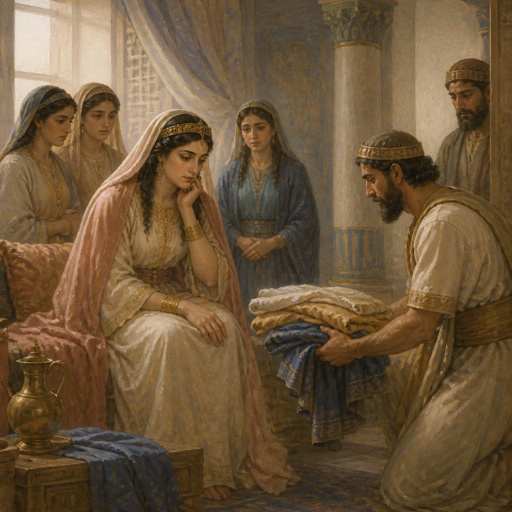
"¶ So Esther's maids and her chamberlains came and told it her. Then was the queen exceedingly grieved; and she sent raiment to clothe Mordecai, and to take away his sackcloth from him: but he received it not." - Esther 4:4

Esther 4:15 - "¶ Then Esther bade them return Mordecai this answer,"

Esther 4:9 - "And Hatach came and told Esther the words of Mordecai."

Esther 8:4 - "Then the king held out the golden sceptre toward Esther. So Esther arose, and stood before the king,"

Esther 4:10 - "¶ Again Esther spake unto Hatach, and gave him commandment unto Mordecai;"
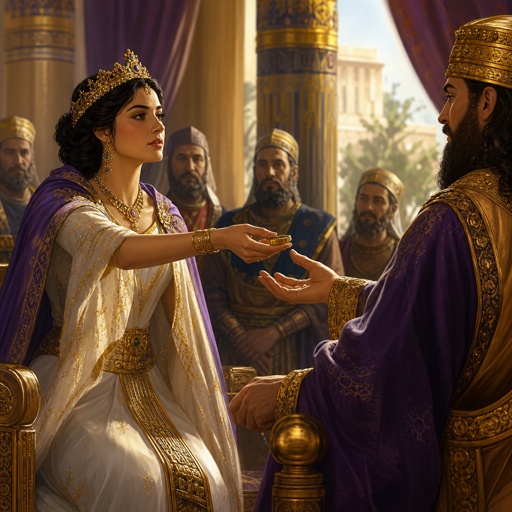
Esther 8:4

Esther 4:12 - "And they told to Mordecai Esther's words."

Esther 4:17 - "So Mordecai went his way, and did according to all that Esther had commanded him."

"And Hatach came and told Esther the words of Mordecai." - Esther 4:9

"¶ Then Esther bade them return Mordecai this answer," - Esther 4:15

Esther 4:13 - "Then Mordecai commanded to answer Esther, Think not with thyself that thou shalt escape in the king's house, more than all the Jews."

Esther 5:4 - "And Esther answered, If it seem good unto the king, let the king and Haman come this day unto the banquet that I have prepared for him."
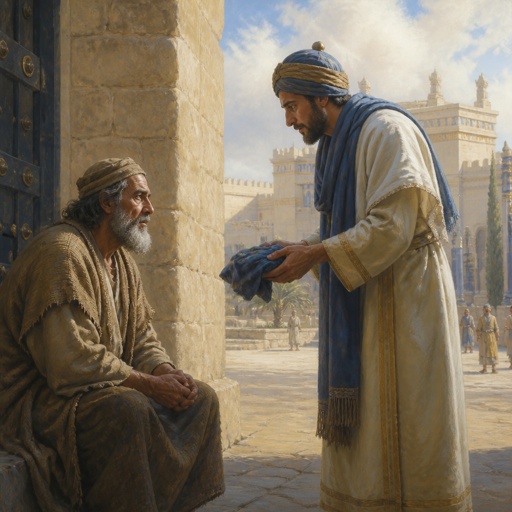
"And they told to Mordecai Esther's words." - Esther 4:12

Esther 4:5 - "Then called Esther for Hatach, one of the king's chamberlains, whom he had appointed to attend upon her, and gave him a commandment to Mordecai, to know what it was, and why it was."

"Then the king held out the golden sceptre toward Esther. So Esther arose, and stood before the king," - Esther 8:4
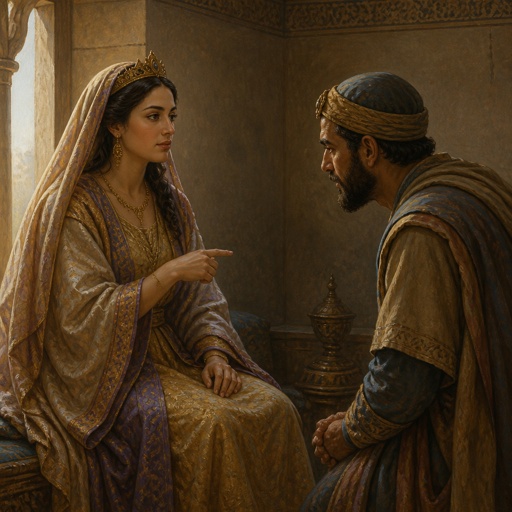
"¶ Again Esther spake unto Hatach, and gave him commandment unto Mordecai;" - Esther 4:10

Esther 4:6 - "So Hatach went forth to Mordecai unto the street of the city, which was before the king's gate."

Esther 4:2 - "And came even before the king's gate: for none might enter into the king's gate clothed with sackcloth."

"So Mordecai went his way, and did according to all that Esther had commanded him." - Esther 4:17

Esther 2:4 - "And let the maiden which pleaseth the king be queen instead of Vashti. And the thing pleased the king; and he did so."

Esther 9:4 - "For Mordecai was great in the king's house, and his fame went out throughout all the provinces: for this man Mordecai waxed greater and greater."

Esther 1:4 - "When he shewed the riches of his glorious kingdom and the honour of his excellent majesty many days, even an hundred and fourscore days."

Esther 4:8 - "Also he gave him the copy of the writing of the decree that was given at Shushan to destroy them, to shew it unto Esther, and to declare it unto her, and to charge her that she should go in unto the king, to make supplication unto him, and to make request before him for her people."
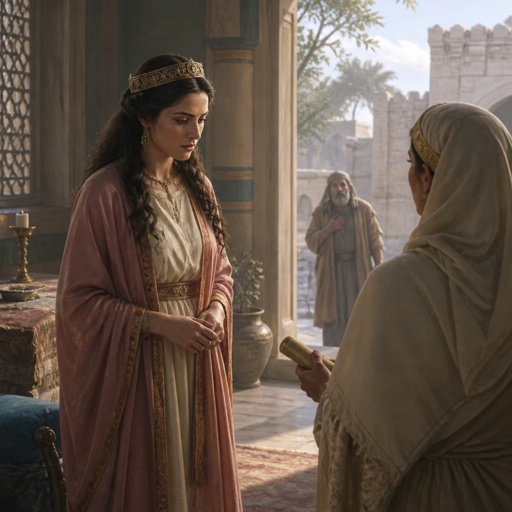
"Then Mordecai commanded to answer Esther, Think not with thyself that thou shalt escape in the king's house, more than all the Jews." - Esther 4:13

Esther 4:3 - "And in every province, whithersoever the king's commandment and his decree came, there was great mourning among the Jews, and fasting, and weeping, and wailing; and many lay in sackcloth and ashes."

Esther 4:7 - "And Mordecai told him of all that had happened unto him, and of the sum of the money that Haman had promised to pay to the king's treasuries for the Jews, to destroy them."

Esther 4:1 - "When Mordecai perceived all that was done, Mordecai rent his clothes, and put on sackcloth with ashes, and went out into the midst of the city, and cried with a loud and a bitter cry;"

Esther 6:4 - "¶ And the king said, Who is in the court? Now Haman was come into the outward court of the king's house, to speak unto the king to hang Mordecai on the gallows that he had prepared for him."
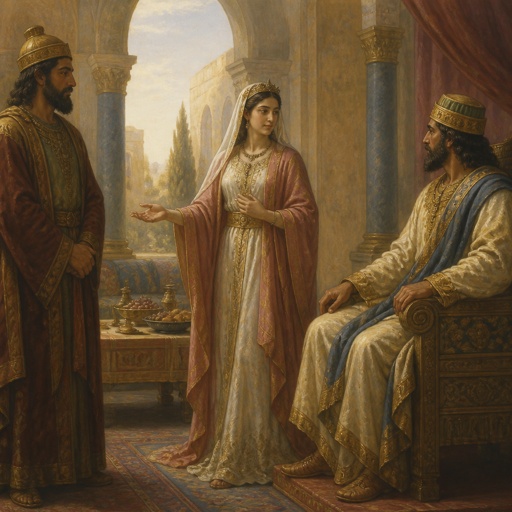
"And Esther answered, If it seem good unto the king, let the king and Haman come this day unto the banquet that I have prepared for him." - Esther 5:4