What does Esther 4:5 mean?
“Then called Esther for Hatach, one of the king’s chamberlains, whom he had appointed to attend upon her, and gave him a commandment to Mordecai, to know what it was, and why it was.” — Esther 4:5
Esther 4:5 from the King James Version of the Bible states: "Then called Esther for Hatach, one of the king's chamberlains, whom he had appointed to attend upon her, and gave him a commandment to Mordecai, to know what it was, and why it was."
The Book of Esther is a unique book in the Bible as it does not explicitly mention the name of God, yet it is a powerful narrative of faith, courage, and divine providence. The verse itself is part of a larger context in which Esther, a Jewish orphan raised by her older cousin Mordecai, has become queen of Persia. The Jewish people are facing extermination at the hands of the wicked Haman, who has convinced the king to issue a decree to kill all the Jews in the kingdom. Mordecai urges Esther to go before the king and intercede on behalf of her people, despite the grave danger it presents. This verse is the moment when Esther takes action to inquire about Mordecai's request.
In this verse, there are several themes that are prevalent in the Book of Esther and the Bible as a whole. One of the central themes is the idea of divine providence and God's sovereignty. Despite God not being explicitly mentioned in the book, the hand of God is clearly at work throughout the narrative. Esther's courage and willingness to risk her life to save her people are ultimately part of God's plan to deliver the Jewish people from destruction.
Courage and faith are also prevalent themes in this verse and the book as a whole. Esther is faced with a daunting task and the very real possibility of death, yet she takes action and steps out in faith. Her willingness to risk her life for the sake of her people is a testament to her courage and trust in God's plan.
In addition, the Book of Esther also highlights the importance of taking action and standing up for what is right. Mordecai urges Esther to use her position and influence for the greater good, and Esther does not hesitate to act. This speaks to the broader theme of social justice and the responsibility of those in power to use their influence for the betterment of others.
The context of this verse is also important in understanding its significance. Esther, as queen, holds a position of privilege and influence in the Persian court. Her ability to speak to the king and intercede on behalf of her people is crucial in the salvation of the Jewish people. This context speaks to the idea of using one's position and influence for the greater good, even at personal risk.
Symbolism in this verse can be found in the characters themselves. Esther represents the courageous and faithful servant of God, willing to risk everything for the sake of others. Mordecai, her cousin, represents the wisdom and guidance that comes from a trusted mentor. Together, they symbolize the collaboration of faith and action in the face of adversity.
In conclusion, Esther 4:5 is a pivotal moment in the Book of Esther, highlighting the themes of divine providence, courage, faith, and the responsibility of those in positions of influence. It serves as a reminder of the importance of taking action and using one's influence for the greater good, as well as the reassurance that God is ultimately in control. This verse is a powerful example of the timeless truths found in the Bible and continues to inspire and challenge readers today.
Get our apps


Artwork for Esther 4:5

Esther 4:5 - "Then called Esther for Hatach, one of the king's chamberlains, whom he had appointed to attend upon her, and gave him a commandment to Mordecai, to know what it was, and why it was."

"Then called Esther for Hatach, one of the king's chamberlains, whom he had appointed to attend upon her, and gave him a commandment to Mordecai, to know what it was, and why it was." - Esther 4:5

Esther 5:4 - "And Esther answered, If it seem good unto the king, let the king and Haman come this day unto the banquet that I have prepared for him."

Esther 5:5 - "Then the king said, Cause Haman to make haste, that he may do as Esther hath said. So the king and Haman came to the banquet that Esther had prepared."

Esther 8:4 - "Then the king held out the golden sceptre toward Esther. So Esther arose, and stood before the king,"

Esther 5:7 - "Then answered Esther, and said, My petition and my request is;"

Esther 4:15 - "¶ Then Esther bade them return Mordecai this answer,"

Esther 4:9 - "And Hatach came and told Esther the words of Mordecai."
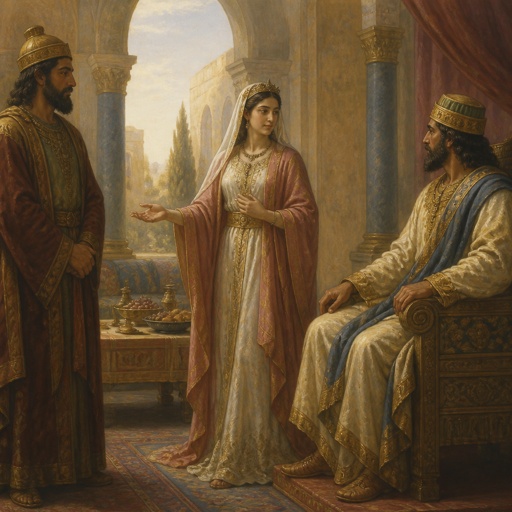
"And Esther answered, If it seem good unto the king, let the king and Haman come this day unto the banquet that I have prepared for him." - Esther 5:4

Esther 4:10 - "¶ Again Esther spake unto Hatach, and gave him commandment unto Mordecai;"

Esther 5:2

Esther 5:2 - "And it was so, when the king saw Esther the queen standing in the court, that she obtained favour in his sight: and the king held out to Esther the golden sceptre that was in his hand. So Esther drew near, and touched the top of the sceptre."

Esther 5:2

Esther 5:2

Esther 4:17 - "So Mordecai went his way, and did according to all that Esther had commanded him."

Esther 8:4

Esther 4:12 - "And they told to Mordecai Esther's words."

"And Hatach came and told Esther the words of Mordecai." - Esther 4:9

"¶ Then Esther bade them return Mordecai this answer," - Esther 4:15
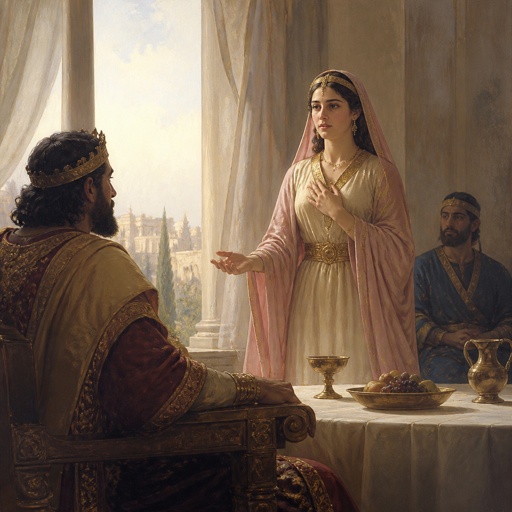
"Then answered Esther, and said, My petition and my request is;" - Esther 5:7

Esther 5:3 - "Then said the king unto her, What wilt thou, queen Esther? and what is thy request? it shall be even given thee to the half of the kingdom."

Esther 7:5 - "¶ Then the king Ahasuerus answered and said unto Esther the queen, Who is he, and where is he, that durst presume in his heart to do so?"

Esther 4:13 - "Then Mordecai commanded to answer Esther, Think not with thyself that thou shalt escape in the king's house, more than all the Jews."

Esther 5:2 - "And it was so, when the king saw Esther the queen standing in the court, that she obtained favour in his sight: and the king held out to Esther the golden sceptre that was in his hand. So Esther drew near, and touched the top of the sceptre."
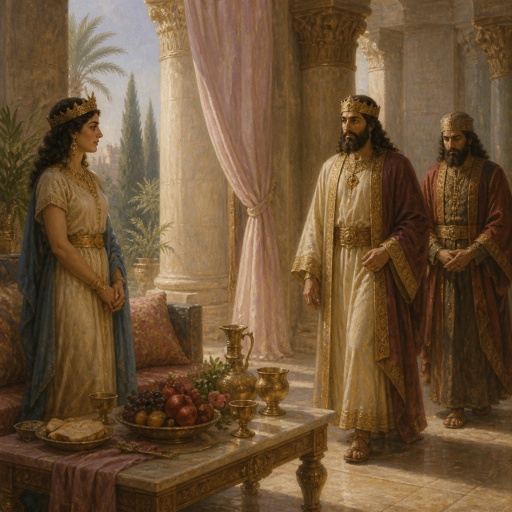
"Then the king said, Cause Haman to make haste, that he may do as Esther hath said. So the king and Haman came to the banquet that Esther had prepared." - Esther 5:5

Esther 5:6 - "¶ And the king said unto Esther at the banquet of wine, What is thy petition? and it shall be granted thee: and what is thy request? even to the half of the kingdom it shall be performed."

"Then the king held out the golden sceptre toward Esther. So Esther arose, and stood before the king," - Esther 8:4

"¶ Again Esther spake unto Hatach, and gave him commandment unto Mordecai;" - Esther 4:10
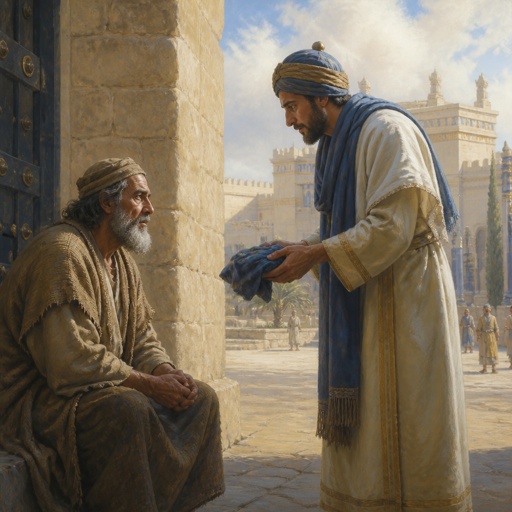
"And they told to Mordecai Esther's words." - Esther 4:12

Esther 5:12 - "Haman said moreover, Yea, Esther the queen did let no man come in with the king unto the banquet that she had prepared but myself; and to morrow am I invited unto her also with the king."