What does Esther 6:12 mean?
“And Mordecai came again to the king’s gate. But Haman hasted to his house mourning, and having his head covered.” — Esther 6:12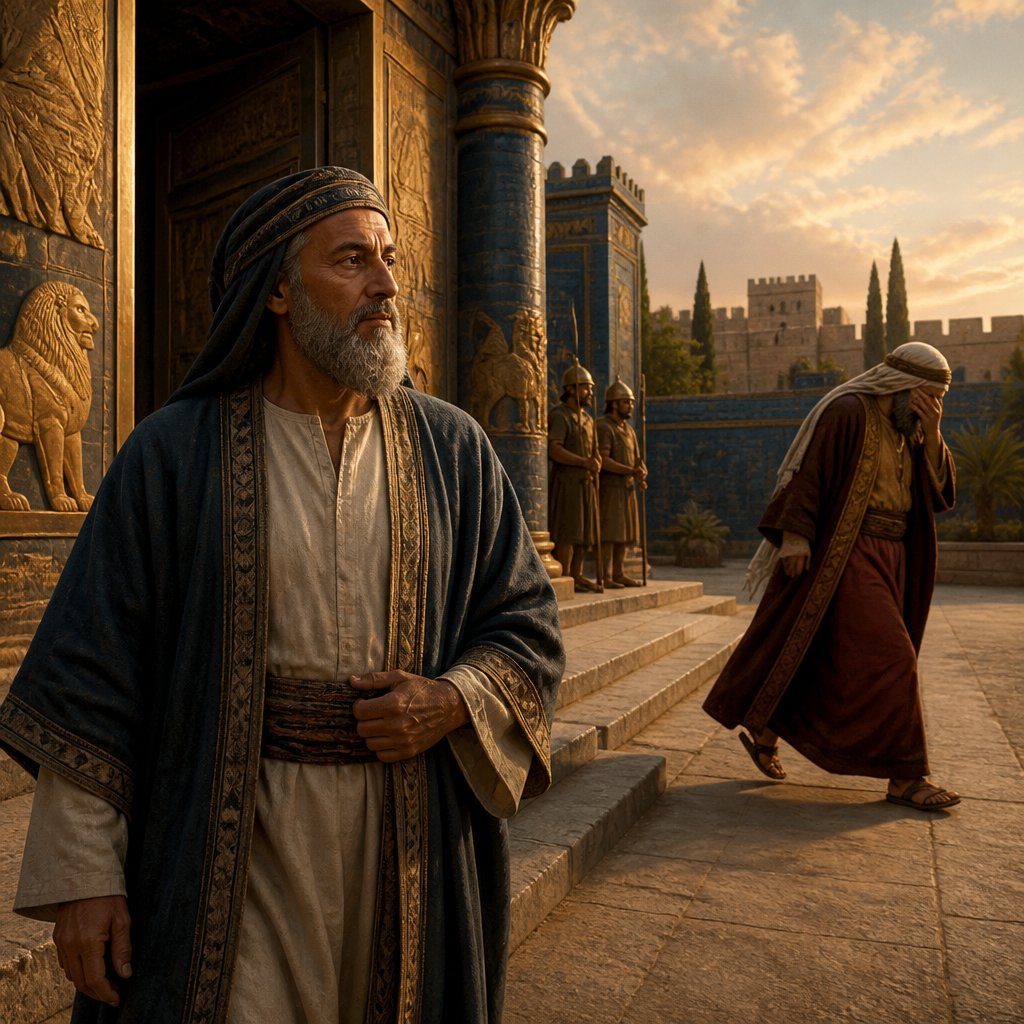
The book of Esther is a part of the Old Testament and tells the story of a Jewish woman named Esther who becomes the Queen of Persia and ultimately saves her people from a plot to exterminate them. The verse Esther 6:12 from the King James Version (KJV) states, "And Mordecai came again to the king's gate. But Haman hasted to his house mourning, and having his head covered."
To understand the full meaning and significance of this verse, it is important to consider the context in which it appears. In the preceding chapters of the book of Esther, we learn that Mordecai, a Jewish man, refused to bow down to Haman, a high-ranking official in King Ahasuerus's court. This angers Haman, leading him to plot the extermination of all the Jews in Persia. To determine the fate of Mordecai, the king is unable to sleep and orders the annals of his reign to be read. It is then revealed that Mordecai had previously saved the king's life, and so the king decides to honor Mordecai instead of Haman.
Esther 6:12 occurs immediately after the king gives this directive. After Mordecai is honored, he returns to the king's gate, wearing royal apparel and a crown of gold. Meanwhile, Haman, who had been expecting to be honored for his own contributions, is devastated and hurries home in mourning with his head covered in shame.
This verse is significant for several reasons. Firstly, it highlights the theme of divine justice and the unexpected reversal of fortune. Haman, who had been so arrogant and confident in his plan to destroy the Jews, is suddenly humiliated and brought low. Meanwhile, Mordecai, who had been treated unjustly and overlooked, is unexpectedly exalted and honored by the king. This serves as a powerful reminder that God is ultimately in control and has the power to overturn the plans of the wicked and vindicate the righteous.
Another important theme in this verse is the concept of pride and humility. Throughout the book of Esther, Haman is portrayed as an arrogant and prideful man, while Mordecai is humble and faithful to his people and to God. The contrast between their attitudes and behaviors serves as a warning against the pitfalls of pride and the importance of remaining humble before God.
Furthermore, the symbolism in this verse is rich and significant. Mordecai's return to the king's gate in royal apparel and wearing a crown can be seen as a foreshadowing of his eventual rise to power and influence in the Persian court. It also symbolizes his vindication and the restoration of his honor. On the other hand, Haman's hasty retreat and mournful state, with his head covered, symbolize his shame and humiliation. The imagery of covering one's head is often associated with grief and mourning in the Bible, further emphasizing Haman's downfall.
In conclusion, Esther 6:12 is a pivotal verse in the book of Esther, serving to underscore important themes of divine justice, pride, humility, and the unexpected reversal of fortune. The symbolism in this verse adds depth and layers of meaning to the narrative, highlighting the spiritual and moral lessons that can be gleaned from this ancient story. As readers reflect on this verse and the broader context of the book of Esther, they are encouraged to consider their own attitudes and behaviors, and to trust in God's ultimate sovereignty and justice.
Get our apps


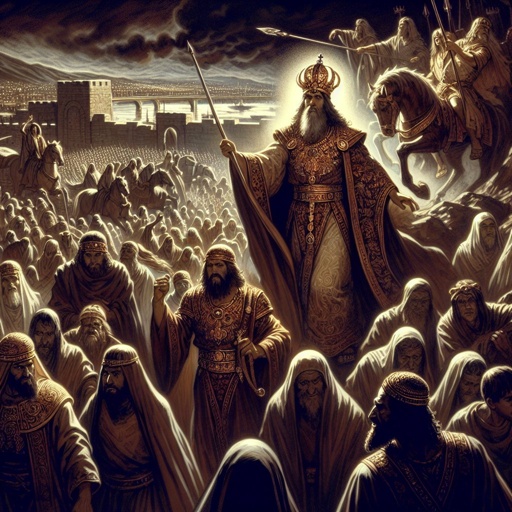
Artwork for Esther 6:12

Esther 6:12 - "¶ And Mordecai came again to the king's gate. But Haman hasted to his house mourning, and having his head covered."
"¶ And Mordecai came again to the king's gate. But Haman hasted to his house mourning, and having his head covered." - Esther 6:12

Esther 7:6 - "And Esther said, The adversary and enemy is this wicked Haman. Then Haman was afraid before the king and the queen."

Esther 4:12 - "And they told to Mordecai Esther's words."

Esther 1:6

Esther 6:14 - "And while they were yet talking with him, came the king's chamberlains, and hasted to bring Haman unto the banquet that Esther had prepared."
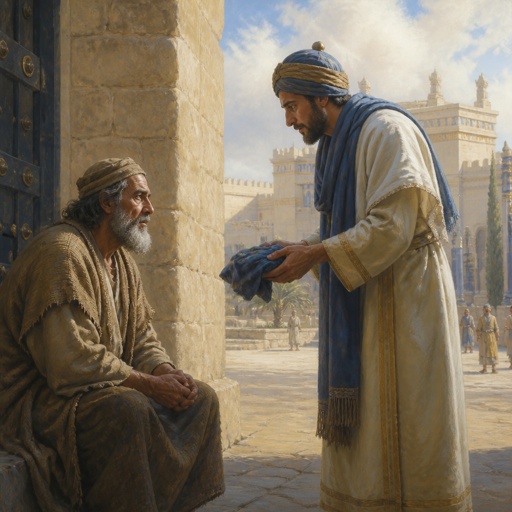
"And they told to Mordecai Esther's words." - Esther 4:12

Esther 5:6 - "¶ And the king said unto Esther at the banquet of wine, What is thy petition? and it shall be granted thee: and what is thy request? even to the half of the kingdom it shall be performed."

Esther 5:12 - "Haman said moreover, Yea, Esther the queen did let no man come in with the king unto the banquet that she had prepared but myself; and to morrow am I invited unto her also with the king."

Esther 6:7 - "And Haman answered the king, For the man whom the king delighteth to honour,"

Esther 9:6 - "And in Shushan the palace the Jews slew and destroyed five hundred men."

"And Esther said, The adversary and enemy is this wicked Haman. Then Haman was afraid before the king and the queen." - Esther 7:6

Esther 4:6 - "So Hatach went forth to Mordecai unto the street of the city, which was before the king's gate."

Esther 6:1 - "On that night could not the king sleep, and he commanded to bring the book of records of the chronicles; and they were read before the king."

Esther 6:5 - "And the king's servants said unto him, Behold, Haman standeth in the court. And the king said, Let him come in."

Esther 9:12 - "¶ And the king said unto Esther the queen, The Jews have slain and destroyed five hundred men in Shushan the palace, and the ten sons of Haman; what have they done in the rest of the king's provinces? now what is thy petition? and it shall be granted thee: or what is thy request further? and it shall be done."

"And while they were yet talking with him, came the king's chamberlains, and hasted to bring Haman unto the banquet that Esther had prepared." - Esther 6:14

Esther 8:12 - "Upon one day in all the provinces of king Ahasuerus, namely, upon the thirteenth day of the twelfth month, which is the month Adar."

Esther 1:12 - "But the queen Vashti refused to come at the king's commandment by his chamberlains: therefore was the king very wroth, and his anger burned in him."

"And Haman answered the king, For the man whom the king delighteth to honour," - Esther 6:7

"And in Shushan the palace the Jews slew and destroyed five hundred men." - Esther 9:6

Esther 8:6 - "For how can I endure to see the evil that shall come unto my people? or how can I endure to see the destruction of my kindred?"

Esther 6:8 - "Let the royal apparel be brought which the king useth to wear, and the horse that the king rideth upon, and the crown royal which is set upon his head:"

Esther 6:3 - "And the king said, What honour and dignity hath been done to Mordecai for this? Then said the king's servants that ministered unto him, There is nothing done for him."

Esther 6:2 - "And it was found written, that Mordecai had told of Bigthana and Teresh, two of the king's chamberlains, the keepers of the door, who sought to lay hand on the king Ahasuerus."

Esther 6:4 - "¶ And the king said, Who is in the court? Now Haman was come into the outward court of the king's house, to speak unto the king to hang Mordecai on the gallows that he had prepared for him."

Esther 6:6 - "So Haman came in. And the king said unto him, What shall be done unto the man whom the king delighteth to honour? Now Haman thought in his heart, To whom would the king delight to do honour more than to myself?"
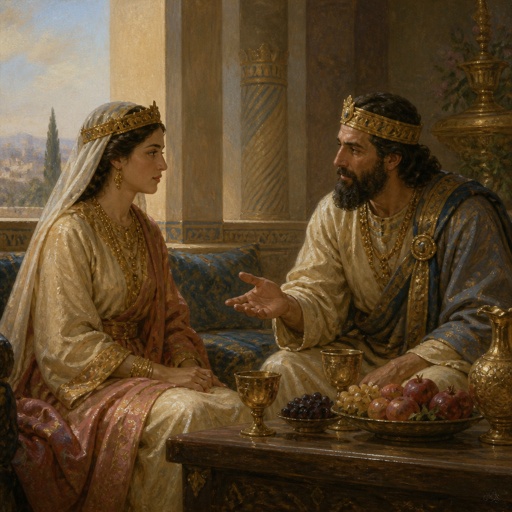
"¶ And the king said unto Esther at the banquet of wine, What is thy petition? and it shall be granted thee: and what is thy request? even to the half of the kingdom it shall be performed." - Esther 5:6
Esther 2:6 - "Who had been carried away from Jerusalem with the captivity which had been carried away with Jeconiah king of Judah, whom Nebuchadnezzar the king of Babylon had carried away."

Esther 6:11 - "Then took Haman the apparel and the horse, and arrayed Mordecai, and brought him on horseback through the street of the city, and proclaimed before him, Thus shall it be done unto the man whom the king delighteth to honour."