What does Esther 7:10 mean?
“So they hanged Haman on the gallows that he had prepared for Mordecai. Then was the king’s wrath pacified.” — Esther 7:10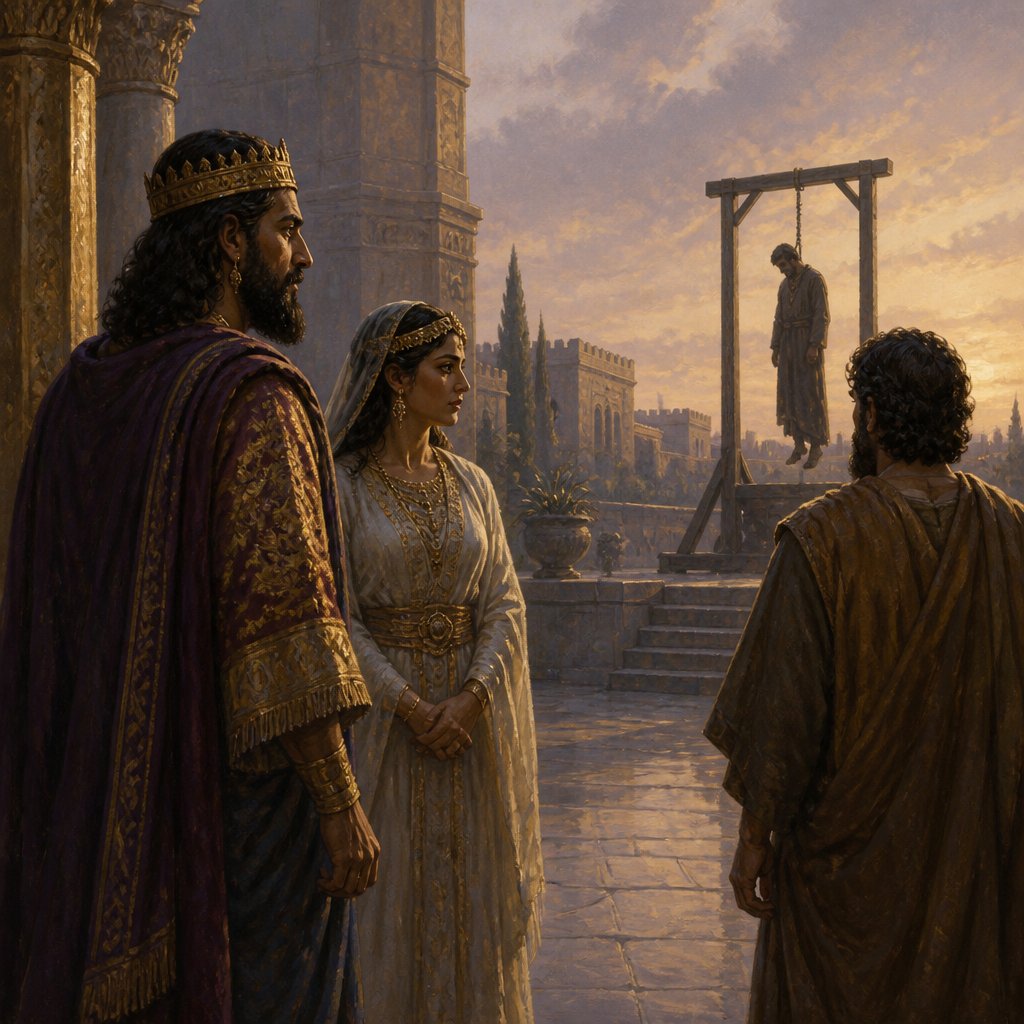
The book of Esther is a beautifully crafted and captivating story of a young Jewish woman who becomes queen of Persia and ultimately saves the Jewish people from destruction. The verse Esther 7:10 in the King James Version (KJV) reads, "So they hanged Haman on the gallows that he had prepared for Mordecai. Then was the king's wrath pacified." This verse serves as the climax of the story, depicting the downfall of the antagonist, Haman, and the deliverance of the Jewish people from his evil plans.
The book of Esther is set in the Persian Empire during the reign of King Ahasuerus, also known as Xerxes I. The story begins with the king's extravagant banquet, where Queen Vashti refuses to obey his command, leading to her dethronement. To find a new queen, a kingdom-wide search ensues, and Esther, a Jewish orphan raised by her cousin Mordecai, wins the king's favor and becomes queen. Meanwhile, Haman, the king's advisor, plots to annihilate the Jewish people due to his personal vendetta against Mordecai. However, through a series of events orchestrated by God, Esther unveils Haman's wicked intentions, leading to his demise and the salvation of the Jews.
Esther 7:10 is a pivotal moment in the biblical narrative, signifying the turning point in the plot. The verse specifically mentions that Haman is hanged on the gallows he had prepared for Mordecai. This poetic justice reflects the divine retribution and vindication for the oppressed and innocent. The irony of the situation serves as a powerful reminder of God's sovereignty and his ability to overturn the plans of the wicked.
One of the central themes of Esther 7:10 is divine providence and deliverance. Throughout the story, God's unseen hand is evident, orchestrating events and positioning individuals to fulfill his purpose. Esther's rise to queen and her courage to confront the king about Haman's plot were no mere coincidences, but rather the providential workings of God to bring about deliverance for his people. The downfall of Haman serves as a testament to God's faithfulness in protecting and preserving his chosen people, even in the midst of adversity and danger.
Another prominent theme in Esther 7:10 is justice and retribution. Haman’s demise is a result of his own evil intentions and actions. His plan to annihilate the Jewish people is foiled, and he himself faces the consequences of his wickedness. The gallows he had constructed for Mordecai become the instrument of his own judgment, highlighting the biblical principle that "those who dig a hole and scoop it out fall into the pit they have made" (Psalm 7:15). This serves as a sobering reminder of the consequences of choosing to walk in the ways of evil and the eventual judgment that awaits those who perpetrate injustice.
Furthermore, the verse showcases the theme of divine irony and poetic justice. The gallows, initially intended for Mordecai’s demise, becomes the tool of Haman’s own death. This reversal of fate exposes the futility of human efforts to thwart God's plans and the inherent justice embedded in God’s sovereignty. It also underscores the overarching theme of God's ultimate triumph over evil, as even the schemes of the wicked are ultimately turned to serve his purposes.
Symbolically, the hanging of Haman on his own gallows signifies the defeat of evil and the triumph of good. It serves as a visual representation of the biblical truth that "those who devise wicked schemes are ensnared by them" (Proverbs 12:12) and the assurance that God will ultimately bring justice to the oppressed and hold the wicked accountable for their actions. The gallows itself becomes a symbol of divine intervention and the defeat of the enemy, reminding believers of God’s faithfulness in turning the tables on the plans of the adversary.
In conclusion, Esther 7:10 from the King James Version is a profound and powerful verse that encompasses a multitude of themes such as divine providence, justice, retribution, and poetic irony. It serves as the climax of the book of Esther, illustrating the defeat of the antagonist, Haman, and the salvation of the Jewish people through the providential workings of God. The verse continues to resonate with believers, offering hope and assurance that, ultimately, God will bring about deliverance and justice for his people.
Get our apps


Artwork for Esther 7:10

Esther 7:10 - "So they hanged Haman on the gallows that he had prepared for Mordecai. Then was the king's wrath pacified."
"So they hanged Haman on the gallows that he had prepared for Mordecai. Then was the king's wrath pacified." - Esther 7:10

Esther 5:7 - "Then answered Esther, and said, My petition and my request is;"

Esther 7:1 - "So the king and Haman came to banquet with Esther the queen."

Esther 4:10 - "¶ Again Esther spake unto Hatach, and gave him commandment unto Mordecai;"

Esther 7:6 - "And Esther said, The adversary and enemy is this wicked Haman. Then Haman was afraid before the king and the queen."

Esther 7:2 - "And the king said again unto Esther on the second day at the banquet of wine, What is thy petition, queen Esther? and it shall be granted thee: and what is thy request? and it shall be performed, even to the half of the kingdom."

Esther 2:10 - "Esther had not shewed her people nor her kindred: for Mordecai had charged her that she should not shew it."

Esther 7:7 - "¶ And the king arising from the banquet of wine in his wrath went into the palace garden: and Haman stood up to make request for his life to Esther the queen; for he saw that there was evil determined against him by the king."

Esther 9:7 - "And Parshandatha, and Dalphon, and Aspatha,"

"So the king and Haman came to banquet with Esther the queen." - Esther 7:1

Esther 8:7 - "¶ Then the king Ahasuerus said unto Esther the queen and to Mordecai the Jew, Behold, I have given Esther the house of Haman, and him they have hanged upon the gallows, because he laid his hand upon the Jews."
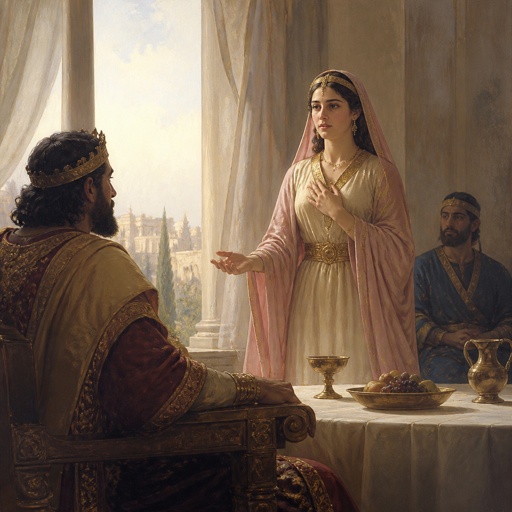
"Then answered Esther, and said, My petition and my request is;" - Esther 5:7

Esther 7:5 - "¶ Then the king Ahasuerus answered and said unto Esther the queen, Who is he, and where is he, that durst presume in his heart to do so?"
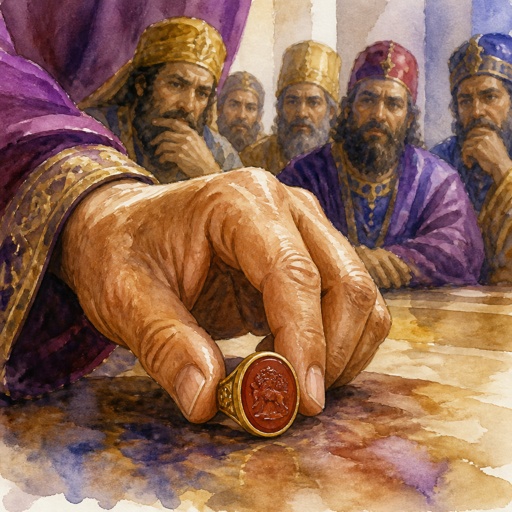
Esther 3:10 focus on ring
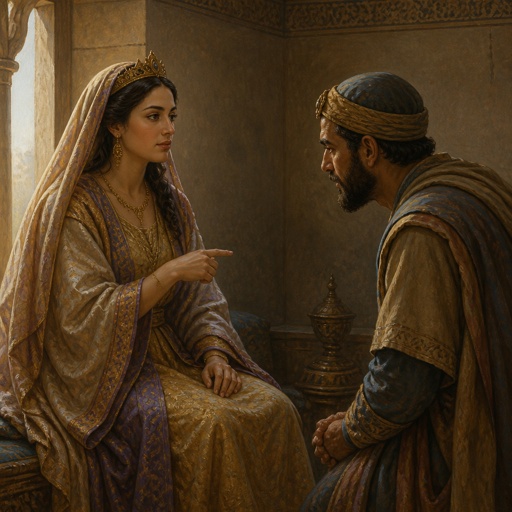
"¶ Again Esther spake unto Hatach, and gave him commandment unto Mordecai;" - Esther 4:10
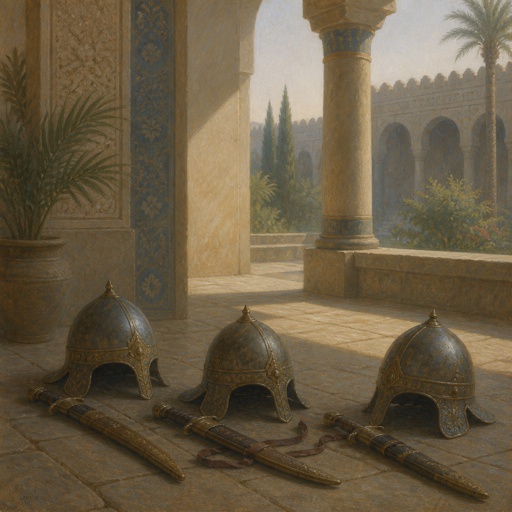
"And Parshandatha, and Dalphon, and Aspatha," - Esther 9:7

Esther 10:1 - "And the king Ahasuerus laid a tribute upon the land, and upon the isles of the sea."

Esther 6:7 - "And Haman answered the king, For the man whom the king delighteth to honour,"

"And Esther said, The adversary and enemy is this wicked Haman. Then Haman was afraid before the king and the queen." - Esther 7:6

Esther 7:3 - "Then Esther the queen answered and said, If I have found favour in thy sight, O king, and if it please the king, let my life be given me at my petition, and my people at my request:"

Esther 9:10 - "The ten sons of Haman the son of Hammedatha, the enemy of the Jews, slew they; but on the spoil laid they not their hand."

Esther 2:7 - "And he brought up Hadassah, that is, Esther, his uncle's daughter: for she had neither father nor mother, and the maid was fair and beautiful; whom Mordecai, when her father and mother were dead, took for his own daughter."

Esther 7:8 - "Then the king returned out of the palace garden into the place of the banquet of wine; and Haman was fallen upon the bed whereon Esther was. Then said the king, Will he force the queen also before me in the house? As the word went out of the king's mouth, they covered Haman's face."
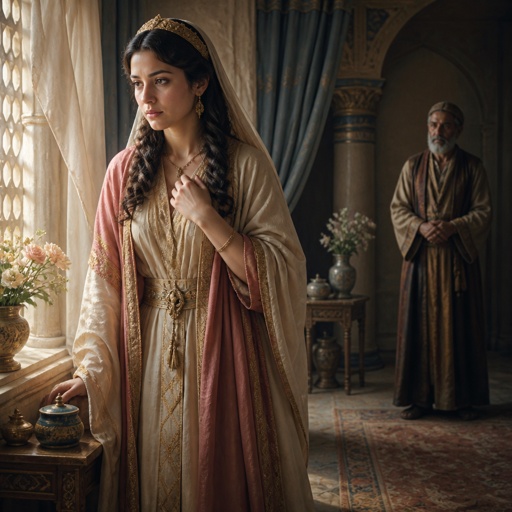
"Esther had not shewed her people nor her kindred: for Mordecai had charged her that she should not shew it." - Esther 2:10

Esther 5:10 - "Nevertheless Haman refrained himself: and when he came home, he sent and called for his friends, and Zeresh his wife."

Esther 3:10 - "And the king took his ring from his hand, and gave it unto Haman the son of Hammedatha the Agagite, the Jews' enemy."

Esther 8:10 - "And he wrote in the king Ahasuerus' name, and sealed it with the king's ring, and sent letters by posts on horseback, and riders on mules, camels, and young dromedaries:"
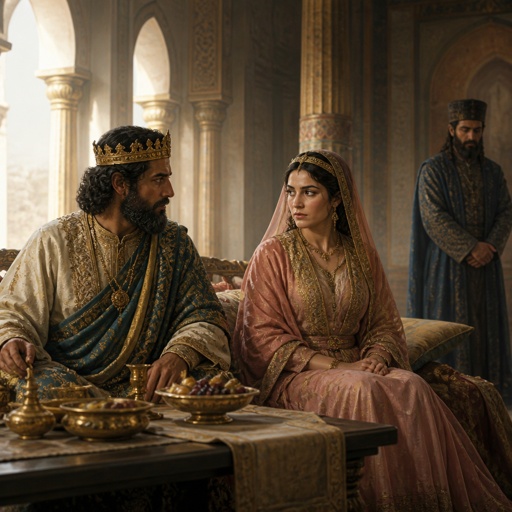
"¶ Then the king Ahasuerus answered and said unto Esther the queen, Who is he, and where is he, that durst presume in his heart to do so?" - Esther 7:5

Esther 1:7 - "And they gave them drink in vessels of gold, (the vessels being diverse one from another,) and royal wine in abundance, according to the state of the king."