What does Esther 8:3 mean?
“And Esther spake yet again before the king, and fell down at his feet, and besought him with tears to put away the mischief of Haman the Agagite, and his device that he had devised against the Jews.” — Esther 8:3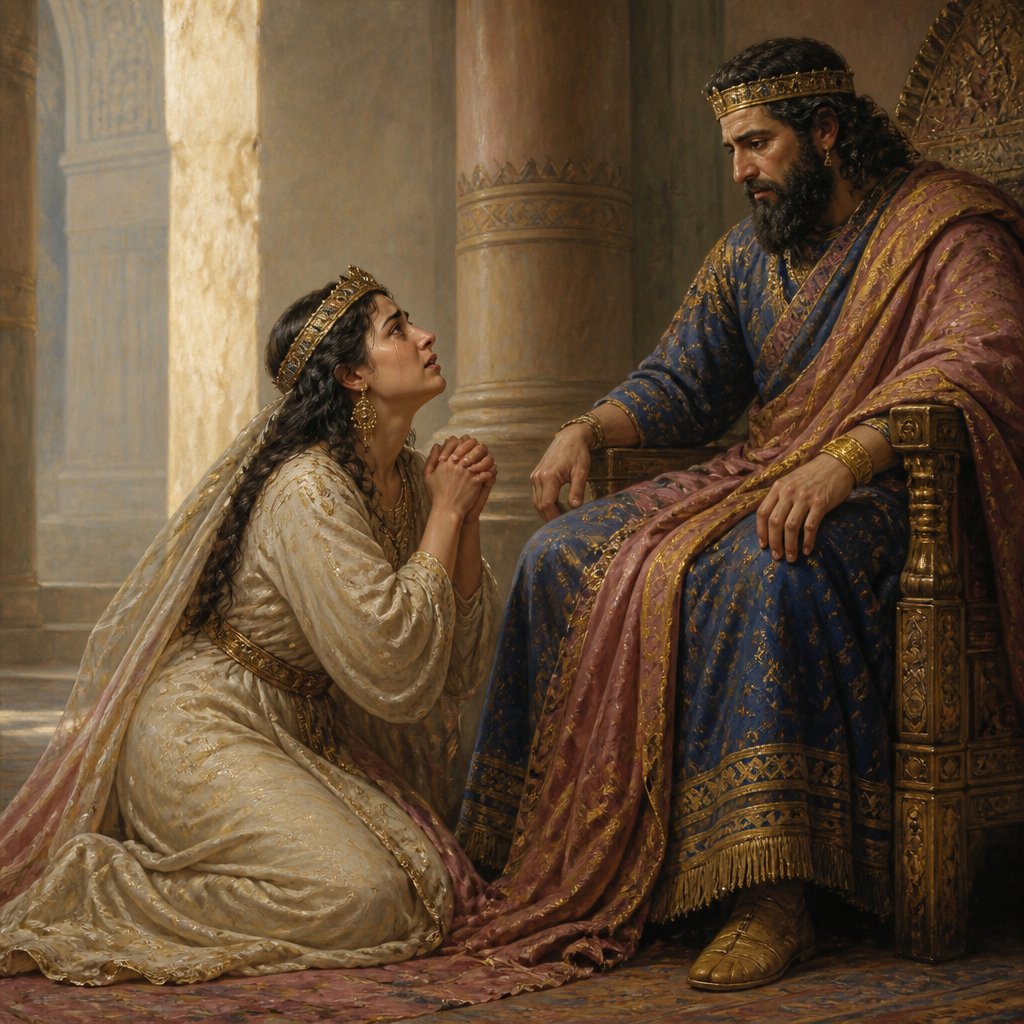
Esther 8:3 (KJV) says, "And Esther spake yet again before the king, and fell down at his feet, and besought him with tears to put away the mischief of Haman the Agagite, and his device that he had devised against the Jews."
This verse comes from the book of Esther in the Old Testament. It is a significant moment in the story where Queen Esther, using her position of influence, intercedes on behalf of her people, the Jews, who are facing extermination due to the evil schemes of Haman, the chief adviser to King Xerxes.
The book of Esther is a unique and compelling biblical narrative that doesn't explicitly mention God, prayer, or religious rituals, yet it still conveys important themes and lessons. Instead of direct divine intervention, the story seems to emphasize the concept of divine providence - the way God works through people and events to accomplish His purposes.
In Esther 8:3, we see Esther's courageous and selfless act of pleading for the safety of her people. Despite the risks and potential repercussions, she approaches the king and humbly asks for him to revoke the decree that would lead to the destruction of the Jews. This scene demonstrates Esther's bravery and reliance on divine guidance as she seeks to fulfill her role in securing the welfare of her people.
One of the central themes in this verse is the power of intercession and advocacy. Esther's actions serve as a powerful example of how standing up for others in times of need can make a significant impact. Her willingness to use her influence to confront injustice and seek mercy reflects the importance of empathy, compassion, and taking a stand against oppression.
Another theme present in this verse is the triumph of good over evil. The plot of Esther is filled with tension, danger, and uncertainty, as the Jewish people face the threat of annihilation. However, through Esther's courage and intervention, the tables are turned, and the Jews are given the opportunity to defend themselves and emerge victorious. This theme of redemption and deliverance underscores the overarching message that God is ultimately in control and able to turn the darkest situations for good.
The context of Esther 8:3 is set against the backdrop of a Persian empire where the Jewish people were living in exile. The villain, Haman, had concocted an elaborate plan to annihilate the entire Jewish population. Esther, who had kept her Jewish identity a secret, found herself in a position to influence the king and intervene on behalf of her people. This situation also serves as a reminder of the importance of staying true to one's identity and faith, even in the face of adversity and persecution.
Symbolically, Esther falling down at the king's feet and beseeching him with tears represents humility, desperation, and heartfelt supplication. Her physical posture and emotional state reflect the intensity and sincerity of her plea. This serves as a model for genuine, fervent prayer and the need for humility when seeking divine intervention.
In conclusion, Esther 8:3 captures a pivotal moment in the narrative of the book of Esther, showcasing themes of courage, intercession, divine providence, redemption, and the triumph of good over evil. It serves as a timeless reminder of the power of one person to make a difference and the faithfulness of God in preserving and delivering His people.
Get our apps


Artwork for Esther 8:3

Esther 8:3 - "¶ And Esther spake yet again before the king, and fell down at his feet, and besought him with tears to put away the mischief of Haman the Agagite, and his device that he had devised against the Jews."
"¶ And Esther spake yet again before the king, and fell down at his feet, and besought him with tears to put away the mischief of Haman the Agagite, and his device that he had devised against the Jews." - Esther 8:3

Esther 8:4 - "Then the king held out the golden sceptre toward Esther. So Esther arose, and stood before the king,"

Esther 8:1 - "On that day did the king Ahasuerus give the house of Haman the Jews' enemy unto Esther the queen. And Mordecai came before the king; for Esther had told what he was unto her."

Esther 8:4

Esther 9:8 - "And Poratha, and Adalia, and Aridatha,"

Esther 8:7 - "¶ Then the king Ahasuerus said unto Esther the queen and to Mordecai the Jew, Behold, I have given Esther the house of Haman, and him they have hanged upon the gallows, because he laid his hand upon the Jews."

Esther 8:16 - "The Jews had light, and gladness, and joy, and honour."
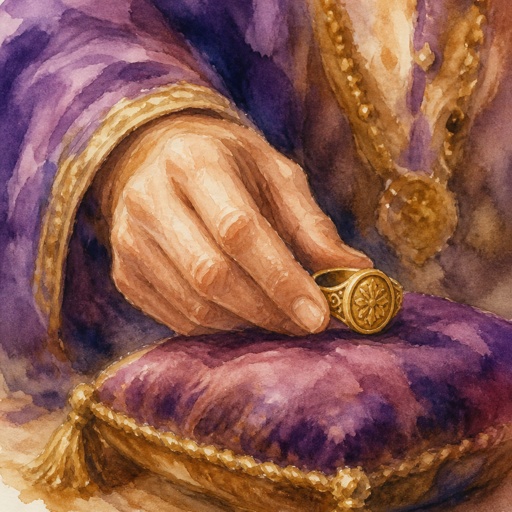
Esther 8:2 focus on the ring

"Then the king held out the golden sceptre toward Esther. So Esther arose, and stood before the king," - Esther 8:4

Esther 8:2 - "And the king took off his ring, which he had taken from Haman, and gave it unto Mordecai. And Esther set Mordecai over the house of Haman."

Esther 5:3 - "Then said the king unto her, What wilt thou, queen Esther? and what is thy request? it shall be even given thee to the half of the kingdom."
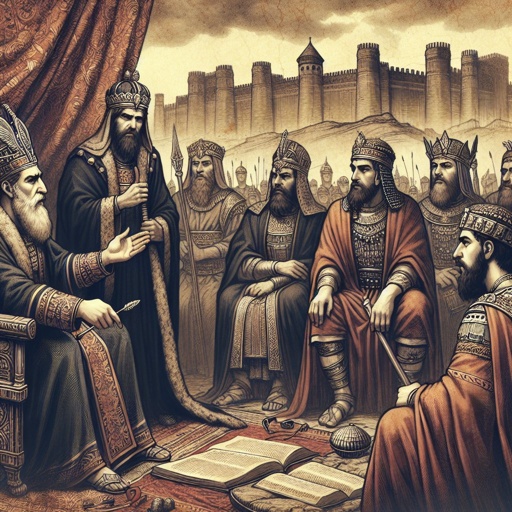
Esther 3:8 - "¶ And Haman said unto king Ahasuerus, There is a certain people scattered abroad and dispersed among the people in all the provinces of thy kingdom; and their laws are diverse from all people; neither keep they the king's laws: therefore it is not for the king's profit to suffer them."
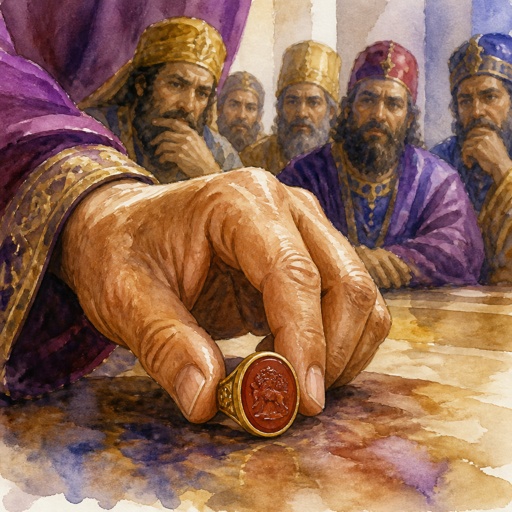
Esther 3:10 focus on ring
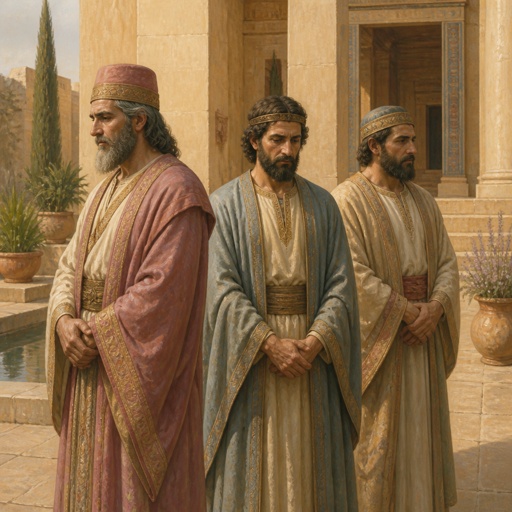
"And Poratha, and Adalia, and Aridatha," - Esther 9:8

Esther 3:3 - "Then the king's servants, which were in the king's gate, said unto Mordecai, Why transgressest thou the king's commandment?"

Esther 7:3 - "Then Esther the queen answered and said, If I have found favour in thy sight, O king, and if it please the king, let my life be given me at my petition, and my people at my request:"

Esther 2:8 - "¶ So it came to pass, when the king's commandment and his decree was heard, and when many maidens were gathered together unto Shushan the palace, to the custody of Hegai, that Esther was brought also unto the king's house, to the custody of Hegai, keeper of the women."

"On that day did the king Ahasuerus give the house of Haman the Jews' enemy unto Esther the queen. And Mordecai came before the king; for Esther had told what he was unto her." - Esther 8:1

Esther 8:8 - "Write ye also for the Jews, as it liketh you, in the king's name, and seal it with the king's ring: for the writing which is written in the king's name, and sealed with the king's ring, may no man reverse."

Esther 7:8 - "Then the king returned out of the palace garden into the place of the banquet of wine; and Haman was fallen upon the bed whereon Esther was. Then said the king, Will he force the queen also before me in the house? As the word went out of the king's mouth, they covered Haman's face."

Esther 4:8 - "Also he gave him the copy of the writing of the decree that was given at Shushan to destroy them, to shew it unto Esther, and to declare it unto her, and to charge her that she should go in unto the king, to make supplication unto him, and to make request before him for her people."

Esther 3:5 - "And when Haman saw that Mordecai bowed not, nor did him reverence, then was Haman full of wrath."

"The Jews had light, and gladness, and joy, and honour." - Esther 8:16

Esther 8:14 - "So the posts that rode upon mules and camels went out, being hastened and pressed on by the king's commandment. And the decree was given at Shushan the palace."

Esther 8:10 - "And he wrote in the king Ahasuerus' name, and sealed it with the king's ring, and sent letters by posts on horseback, and riders on mules, camels, and young dromedaries:"

Esther 8:12 - "Upon one day in all the provinces of king Ahasuerus, namely, upon the thirteenth day of the twelfth month, which is the month Adar."

Esther 9:3 - "And all the rulers of the provinces, and the lieutenants, and the deputies, and officers of the king, helped the Jews; because the fear of Mordecai fell upon them."

Esther 3:14 - "The copy of the writing for a commandment to be given in every province was published unto all people, that they should be ready against that day."

Esther 3:11 - "And the king said unto Haman, The silver is given to thee, the people also, to do with them as it seemeth good to thee."