What does Esther 9:12 mean?
“And the king said unto Esther the queen, The Jews have slain and destroyed five hundred men in Shushan the palace, and the ten sons of Haman; what have they done in the rest of the king’s provinces? now what is thy petition? and it shall be granted thee: or what is thy request further? and it shall be done.” — Esther 9:12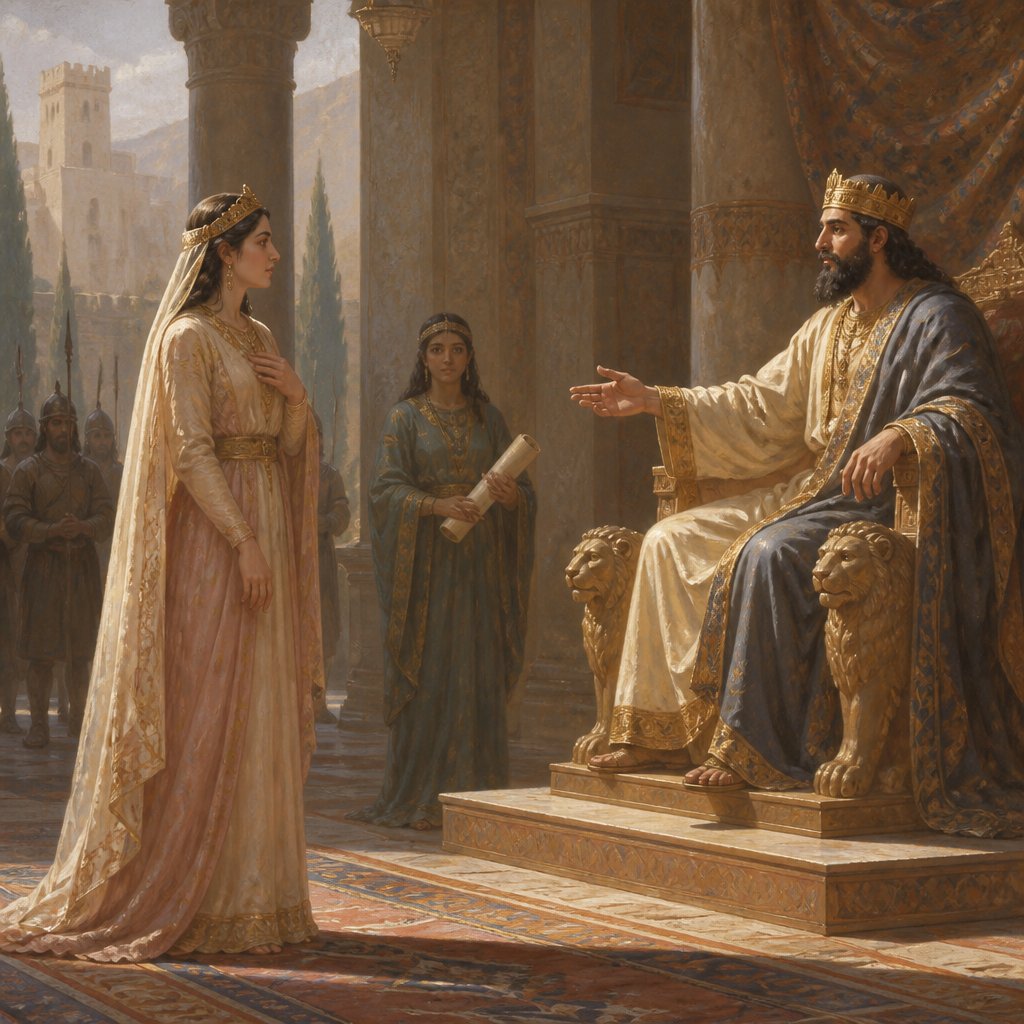
Esther 9:12 in the King James Version (KJV) reads: "And the king said unto Esther the queen, The Jews have slain and destroyed five hundred men in Shushan the palace, and the ten sons of Haman; what have they done in the rest of the king's provinces? now what is thy petition? and it shall be granted thee: or what is thy request further? and it shall be done."
In order to fully understand the meaning and commentary of this verse, it is necessary to provide some context from the book of Esther. The book of Esther is set in the Persia of ancient times, and it tells the story of a Jewish girl named Esther who becomes the queen of the Persian king, Ahasuerus. Through a series of events, Esther's cousin Mordecai comes to learn of a plot to kill all the Jews in the kingdom. He informs Esther, who then risks her life to approach the king and plead for the salvation of her people.
The specific verse Esther 9:12 takes place after the Jews successfully defend themselves against their enemies, including Haman's ten sons, who were executed. The king, in his royal capacity, acknowledges the massive losses of their enemies caused by the Jews, and he offers Esther to grant her any request she may have. This verse serves as a turning point in the story, as it highlights the triumph of the Jews in the face of great adversity and the favor and protection that is bestowed upon Esther by the king.
A prominent theme in this verse is the vindication and protection of God's chosen people. The essence of the Bible verse illustrates the deliverance of the Jews from their enemies, as well as the uplifting of Esther through God's providence. The verse also showcases the sovereignty of God and the assurance that He will provide for and protect His people in times of trouble.
Additionally, the context of the verse illuminates the concept of divine favor and grace. As demonstrated in the book of Esther, the favor of God rests upon Esther as she courageously stands up for her people and seeks their deliverance. The king's willingness to grant her whatever she desires is a clear indicator of the favor and grace that she has found in his eyes. This speaks to the broader theme of God's faithfulness and compassion towards His people, even in the midst of dire circumstances.
Symbolically, the verse also conveys the idea of justice and retribution. The defeat of Haman's ten sons and the enemies of the Jews symbolize the triumph of good over evil and the rightful punishment of those who sought to cause harm to God's people. This serves as a powerful reminder of God's commitment to defending and vindicating His faithful followers in the face of adversity.
In conclusion, Esther 9:12 is a crucial verse in the story of Esther, as it encapsulates themes of divine favor, protection, justice, and grace. It serves as a testament to God's unwavering faithfulness towards His people and an affirmation of His sovereignty and providence. The verse offers a strong narrative of triumph and vindication, bringing to light the powerful impact of God's favor and intervention in the lives of His followers. It is a reminder of the hope and assurance that can be found in God's unfailing love and protection, even in the most challenging of circumstances.
Get our apps


Artwork for Esther 9:12

Esther 9:12 - "¶ And the king said unto Esther the queen, The Jews have slain and destroyed five hundred men in Shushan the palace, and the ten sons of Haman; what have they done in the rest of the king's provinces? now what is thy petition? and it shall be granted thee: or what is thy request further? and it shall be done."
"¶ And the king said unto Esther the queen, The Jews have slain and destroyed five hundred men in Shushan the palace, and the ten sons of Haman; what have they done in the rest of the king's provinces? now what is thy petition? and it shall be granted thee: or what is thy request further? and it shall be done." - Esther 9:12

Esther 4:9 - "And Hatach came and told Esther the words of Mordecai."

Esther 9:32 - "And the decree of Esther confirmed these matters of Purim; and it was written in the book."

Esther 9:9 - "And Parmashta, and Arisai, and Aridai, and Vajezatha,"

Esther 4:12 - "And they told to Mordecai Esther's words."

Esther 9:29 - "Then Esther the queen, the daughter of Abihail, and Mordecai the Jew, wrote with all authority, to confirm this second letter of Purim."

"And Hatach came and told Esther the words of Mordecai." - Esther 4:9

Esther 9:8 - "And Poratha, and Adalia, and Aridatha,"

Esther 9:7 - "And Parshandatha, and Dalphon, and Aspatha,"

"And the decree of Esther confirmed these matters of Purim; and it was written in the book." - Esther 9:32
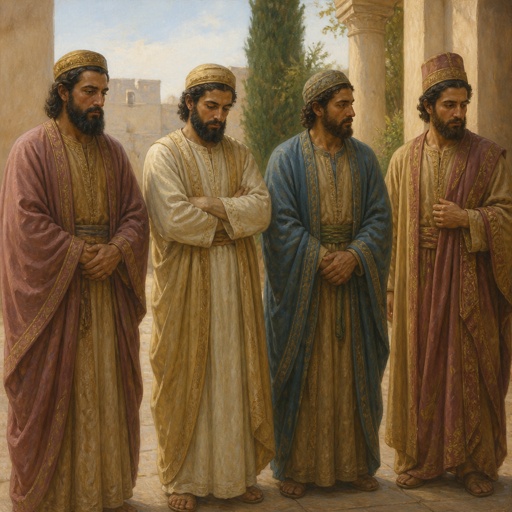
"And Parmashta, and Arisai, and Aridai, and Vajezatha," - Esther 9:9

Esther 9:31 - "To confirm these days of Purim in their times appointed, according as Mordecai the Jew and Esther the queen had enjoined them, and as they had decreed for themselves and for their seed, the matters of the fastings and their cry."

Esther 9:13 - "Then said Esther, If it please the king, let it be granted to the Jews which are in Shushan to do to morrow also according unto this day's decree, and let Haman's ten sons be hanged upon the gallows."
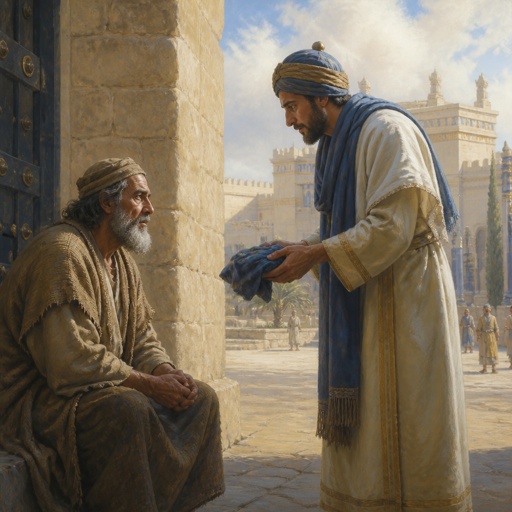
"And they told to Mordecai Esther's words." - Esther 4:12
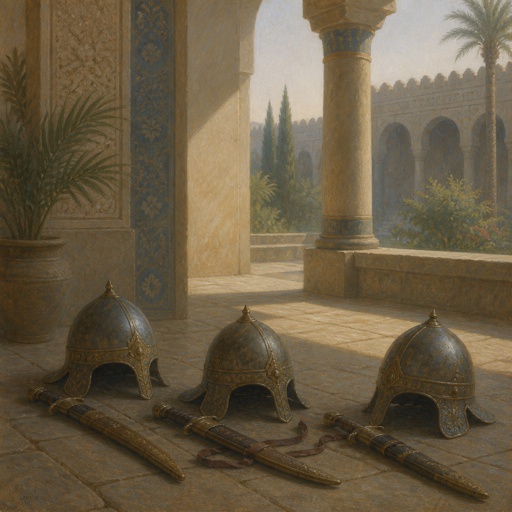
"And Parshandatha, and Dalphon, and Aspatha," - Esther 9:7
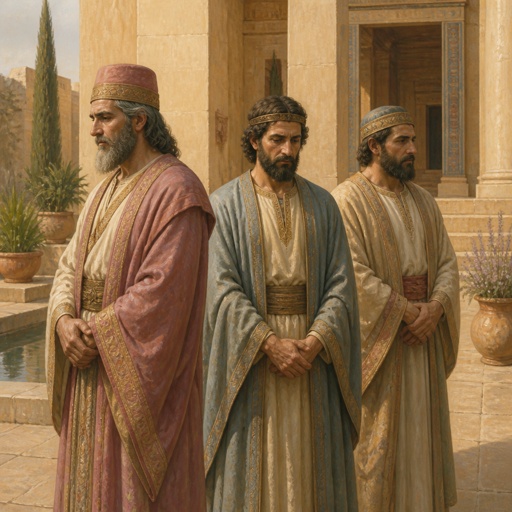
"And Poratha, and Adalia, and Aridatha," - Esther 9:8

Esther 9:6 - "And in Shushan the palace the Jews slew and destroyed five hundred men."

Esther 5:12 - "Haman said moreover, Yea, Esther the queen did let no man come in with the king unto the banquet that she had prepared but myself; and to morrow am I invited unto her also with the king."

Esther 9:25 - "But when Esther came before the king, he commanded by letters that his wicked device, which he devised against the Jews, should return upon his own head, and that he and his sons should be hanged on the gallows."

Esther 9:10 - "The ten sons of Haman the son of Hammedatha, the enemy of the Jews, slew they; but on the spoil laid they not their hand."

Esther 9:11 - "On that day the number of those that were slain in Shushan the palace was brought before the king."

Esther 9:23 - "And the Jews undertook to do as they had begun, and as Mordecai had written unto them;"
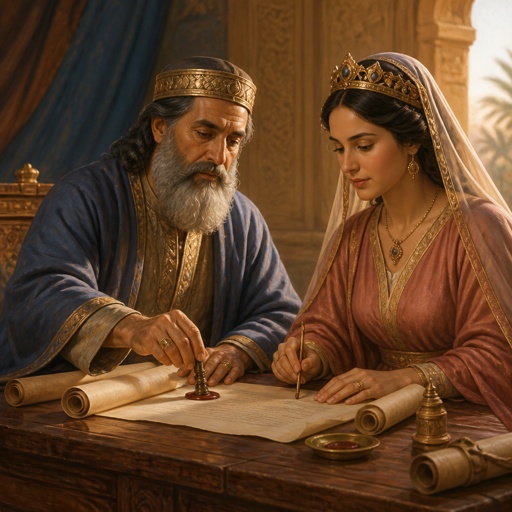
"Then Esther the queen, the daughter of Abihail, and Mordecai the Jew, wrote with all authority, to confirm this second letter of Purim." - Esther 9:29

Esther 9:17 - "On the thirteenth day of the month Adar; and on the fourteenth day of the same rested they, and made it a day of feasting and gladness."

Esther 1:9 - "Also Vashti the queen made a feast for the women in the royal house which belonged to king Ahasuerus."

Esther 9:14 - "And the king commanded it so to be done: and the decree was given at Shushan; and they hanged Haman's ten sons."

Esther 6:12 - "¶ And Mordecai came again to the king's gate. But Haman hasted to his house mourning, and having his head covered."

Esther 9:21 - "To stablish this among them, that they should keep the fourteenth day of the month Adar, and the fifteenth day of the same, yearly,"

Esther 9:3 - "And all the rulers of the provinces, and the lieutenants, and the deputies, and officers of the king, helped the Jews; because the fear of Mordecai fell upon them."