What does Exodus 10:20 mean?
“But the LORD hardened Pharaoh’s heart, so that he would not let the children of Israel go.” — Exodus 10:20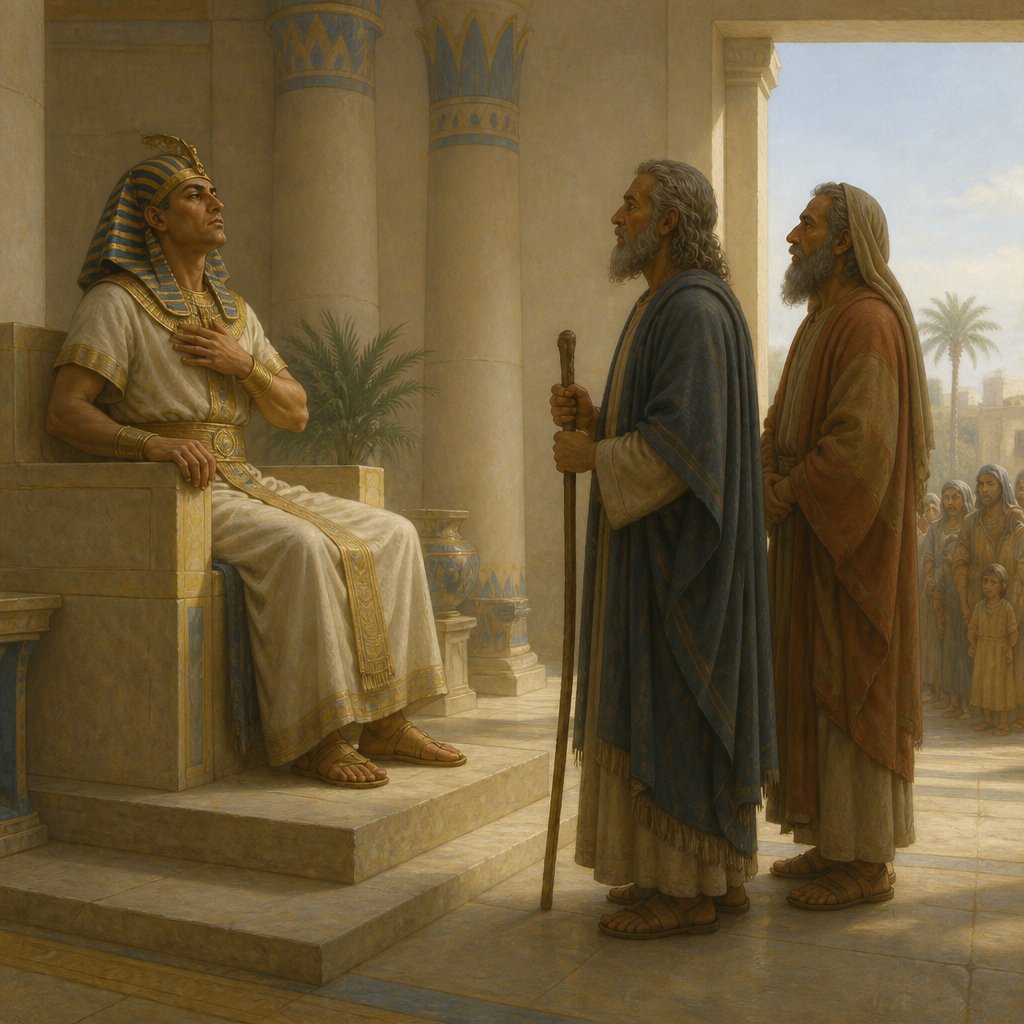
Exodus 10:20 in the King James Version (KJV) reads, "But the Lord hardened Pharaoh's heart, so that he would not let the children of Israel go." This verse is part of a larger narrative in the book of Exodus detailing the events leading up to the Israelites' release from slavery in Egypt. The context of this verse is essential for understanding its meaning and implications.
The plagues in Egypt are well-known for their significance in the story of the Exodus. The Israelites had been enslaved in Egypt for generations, and God's plan was to release them from their bondage. To accomplish this, God sent a series of plagues upon Egypt, each more severe than the last, to convince Pharaoh to let the Israelites go. However, despite witnessing the power of God through these plagues, Pharaoh repeatedly refused to release the Israelites, prompting God to "harden Pharaoh's heart."
The hardening of Pharaoh's heart is a complex and controversial concept that has sparked a great deal of theological debate. On the surface, it seems to suggest that God actively prevented Pharaoh from changing his mind, essentially removing his free will. This raises questions about the nature of God's sovereignty and human agency, as well as the idea of moral responsibility.
Some scholars argue that the hardening of Pharaoh's heart was a result of his own stubbornness and pride. They view God's hardening as a way of confirming and solidifying Pharaoh's own inclinations, rather than actively causing them. This interpretation emphasizes Pharaoh's role in his own downfall and the consequences of his actions.
Others believe that the hardening of Pharaoh's heart was a deliberate act of God in order to bring about the desired outcome. From this perspective, God used Pharaoh's resistance as a means of displaying His power and demonstrating His faithfulness to the Israelites. This interpretation raises important questions about the nature of divine intervention and the moral implications of God's actions.
In either case, the hardening of Pharaoh's heart serves as a crucial element in the larger narrative of the Exodus. It underscores the power struggle between God and Pharaoh and highlights the themes of obedience, faith, and redemption. It also serves as a reminder of the consequences of pride and stubbornness, as well as the potential repercussions of refusing to heed God's warnings.
The symbolism in Exodus 10:20 is rich and multi-layered. On one level, it symbolizes the ongoing battle between good and evil, as well as the struggle for liberation and justice. It also symbolizes the complexities of human nature and the ways in which our hearts can be hardened by sin and disobedience. Additionally, the hardening of Pharaoh's heart symbolizes the patience and perseverance of God, as well as His unwavering commitment to His people.
In conclusion, Exodus 10:20 is a verse rich in meaning and significance within the larger context of the book of Exodus. Its implications for theology, morality, and the nature of God's sovereignty are profound and thought-provoking. It serves as a powerful reminder of the complexities of human nature and the consequences of our choices, as well as the enduring power of God's love and faithfulness.
Get our apps


Artwork for Exodus 10:20

Exodus 10:20 - "But the LORD hardened Pharaoh's heart, so that he would not let the children of Israel go."
"But the LORD hardened Pharaoh's heart, so that he would not let the children of Israel go." - Exodus 10:20

The Plague of Locusts - Exodus 10:1-20

The Plague of Locusts - Exodus 10:1-20

The Plague of Locusts - Exodus 10:1-20

The Plague of Locusts - Exodus 10:1-20

The Plague of Locusts - Exodus 10:1-20

The Plague of Locusts - Exodus 10:1-20

The Plague of Locusts - Exodus 10:1-20

The Plague of Locusts - Exodus 10:1-20

Exodus 23:20

Exodus 20:2

Exodus 27:20

Exodus 27:20

Exodus 27:20

Exodus 20:14

Exodus 20:10 - "But the seventh day is the sabbath of the LORD thy God: in it thou shalt not do any work, thou, nor thy son, nor thy daughter, thy manservant, nor thy maidservant, nor thy cattle, nor thy stranger that is within thy gates:"

Exodus 20:15 - "Thou shalt not steal."

Exodus 20:13 - "Thou shalt not kill."

Exodus 27:19-20

Exodus 19:16-20

Exodus 20:14 - "Thou shalt not commit adultery."

Exodus 20:1 - "And God spake all these words, saying,"

Exodus 20:8 - "Remember the sabbath day, to keep it holy."

Exodus 7:10

Exodus 7:10

Exodus 10:12
Exodus 17:10

Exodus 10:12

Exodus 10:12