What does Exodus 10:13 mean?
“And Moses stretched forth his rod over the land of Egypt, and the LORD brought an east wind upon the land all that day, and all that night; and when it was morning, the east wind brought the locusts.” — Exodus 10:13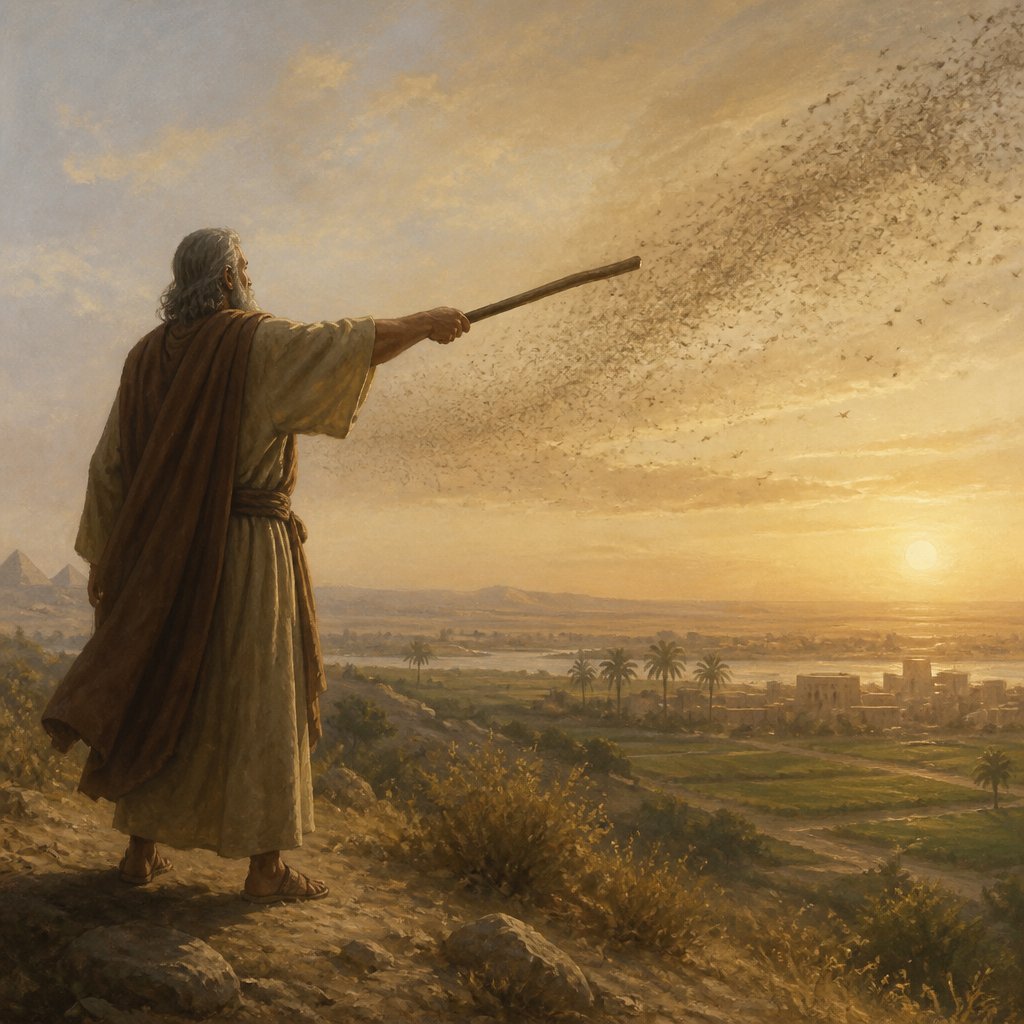
Exodus 10:13 (KJV) says, "And Moses stretched forth his rod over the land of Egypt, and the Lord brought an east wind upon the land all that day, and all that night; and when it was morning, the east wind brought the locusts."
The book of Exodus is the second book of the Bible and it is a powerful account of the Israelites' journey from slavery in Egypt to freedom in the Promised Land. The ten plagues of Egypt are a central part of the narrative, and this verse is specifically part of the eighth plague, the plague of locusts.
In this verse, Moses, acting as the representative of God, stretches out his rod, and the Lord brings an east wind that brings with it a devastating swarm of locusts. This event is a significant demonstration of the power of God, as well as a display of His judgment upon Pharaoh and the people of Egypt.
The plague of locusts is a significant event in the Exodus story, and it serves as a pivotal moment in the confrontation between Moses and Pharaoh. Throughout the plagues, Pharaoh repeatedly hardens his heart and refuses to let the Israelites go. The arrival of the locusts marks the escalation of God's judgment on Egypt and the beginning of the end of Pharaoh's resistance.
The imagery of the east wind and the locusts carries deep symbolic significance. The east wind is a powerful force that brings destruction and change. In biblical imagery, the east wind often represents a symbol of judgment. This is seen in passages such as Ezekiel 19:12, "But she was plucked up in fury, she was cast down to the ground, and the east wind dried up her fruit: her strong rods were broken and withered; the fire consumed them."
The locusts, in turn, are a destructive force that consumes everything in their path. In the Bible, locusts are often used as a symbol of devastation and judgment. In Joel 1:4, for example, the prophet describes a devastating locust invasion, "What the cutting locust left, the swarming locust has eaten. What the swarming locust left, the hopping locust has eaten, and what the hopping locust left, the destroying locust has eaten."
In the context of the Exodus story, the plague of locusts serves as a powerful symbol of God's judgment and the consequences of disobedience. The locusts devour all the crops and greenery of the land, leaving behind a barren and devastated landscape. This serves as a clear message to Pharaoh and the people of Egypt that their refusal to release the Israelites will bring about devastating consequences.
Furthermore, the plague of locusts also serves as a demonstration of God's power and sovereignty. It shows that He is able to control the natural elements and use them to accomplish His purposes. This is a recurring theme in the book of Exodus, as God continually demonstrates His power through a series of miraculous acts.
In conclusion, Exodus 10:13 is a significant verse that plays a pivotal role in the narrative of the plagues of Egypt. It serves as a powerful demonstration of God's judgment and sovereignty, as well as a symbol of the consequences of disobedience. The imagery of the east wind and the locusts carries deep symbolic significance, and the verse serves as a powerful reminder of the power and authority of God.
Get our apps


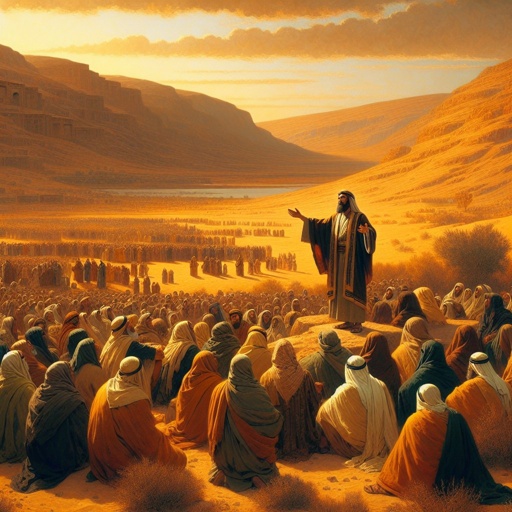
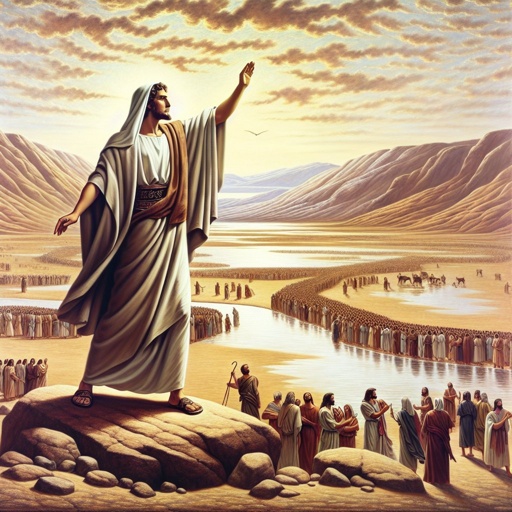
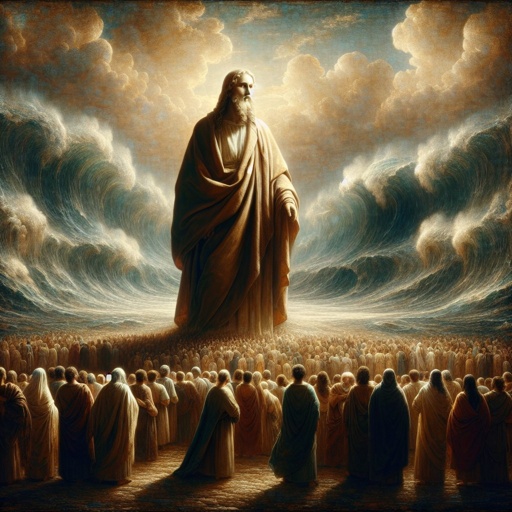
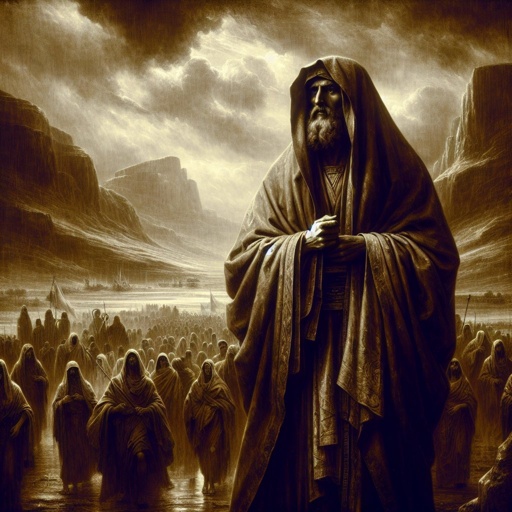
Artwork for Exodus 10:13
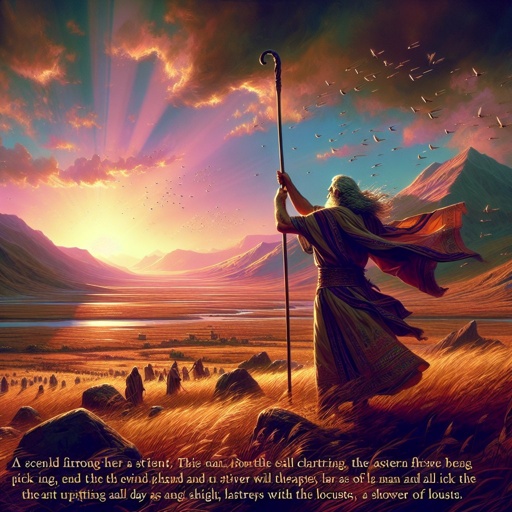
Exodus 10:13 - "And Moses stretched forth his rod over the land of Egypt, and the LORD brought an east wind upon the land all that day, and all that night; and when it was morning, the east wind brought the locusts."
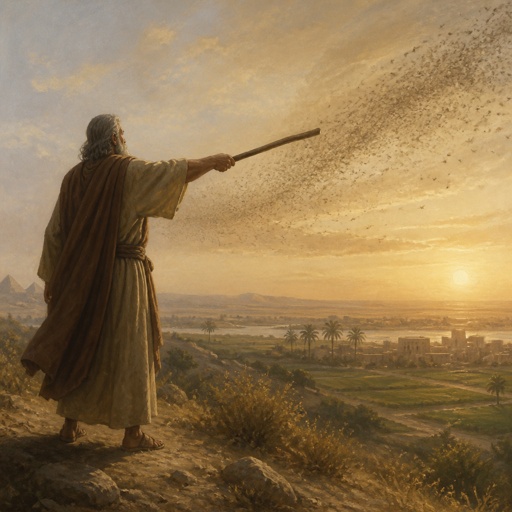
"And Moses stretched forth his rod over the land of Egypt, and the LORD brought an east wind upon the land all that day, and all that night; and when it was morning, the east wind brought the locusts." - Exodus 10:13

Exodus 13:10 - "Thou shalt therefore keep this ordinance in his season from year to year."
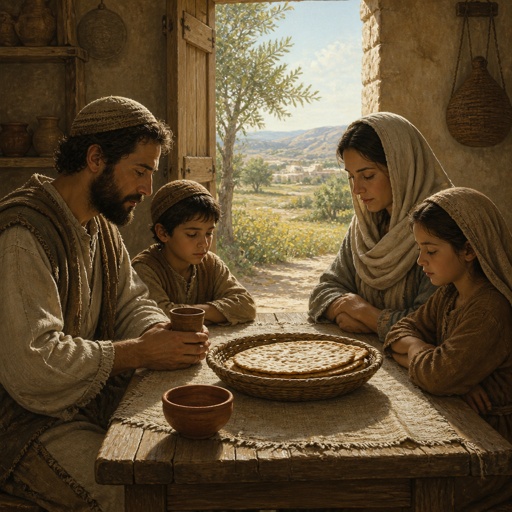
"Thou shalt therefore keep this ordinance in his season from year to year." - Exodus 13:10

Exodus 14:13

Exodus 14:13

Exodus 14:13

Exodus 14:13

Exodus 14:13

Exodus 14:13

Exodus 14:13
Exodus 14:13

Exodus 14:13

Exodus 14:13
Exodus 14:13
Exodus 14:13
Exodus 14:13
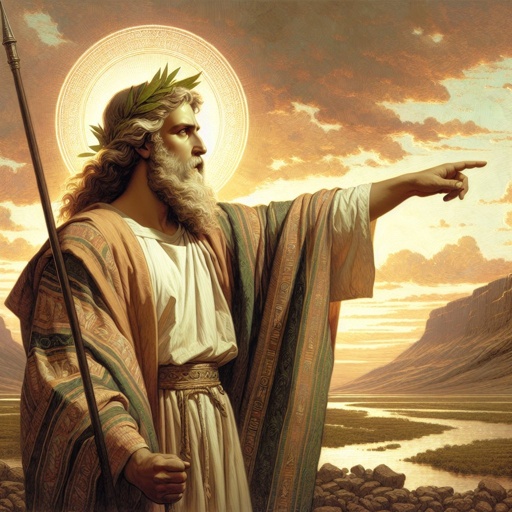
Exodus 14:13

Exodus 14:13

Exodus 14:13

Exodus 14:13

Exodus 14:13

Exodus 14:13
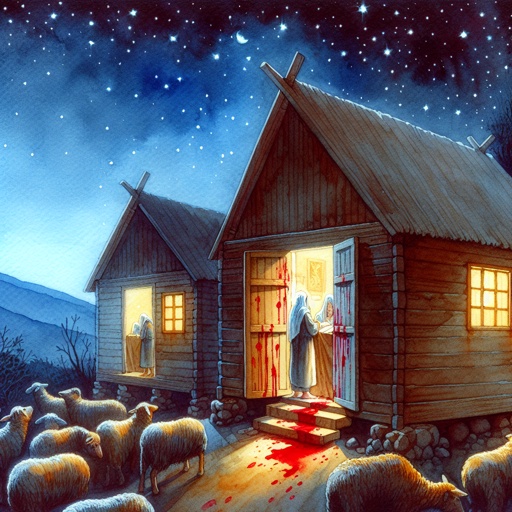
Exodus 12:13

Exodus 14:13
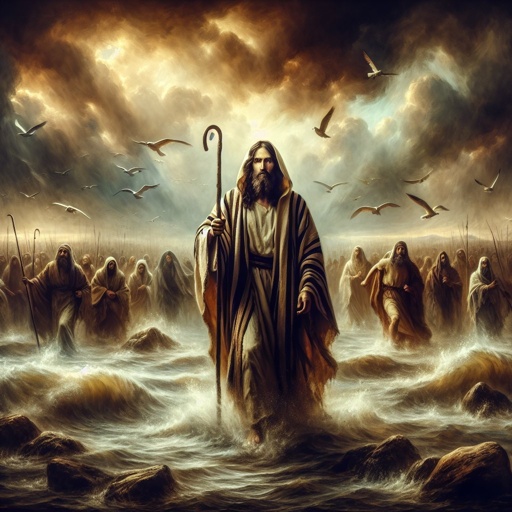
Exodus 14:13
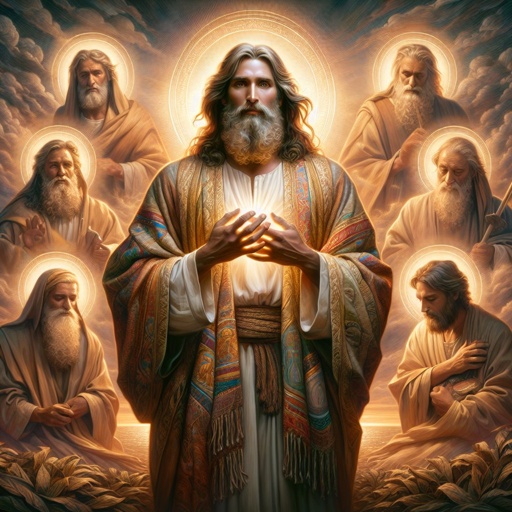
Exodus 14:13

Exodus 14:13

Exodus 14:13

Exodus 14:13