What does Exodus 10:27 mean?
“But the LORD hardened Pharaoh’s heart, and he would not let them go.” — Exodus 10:27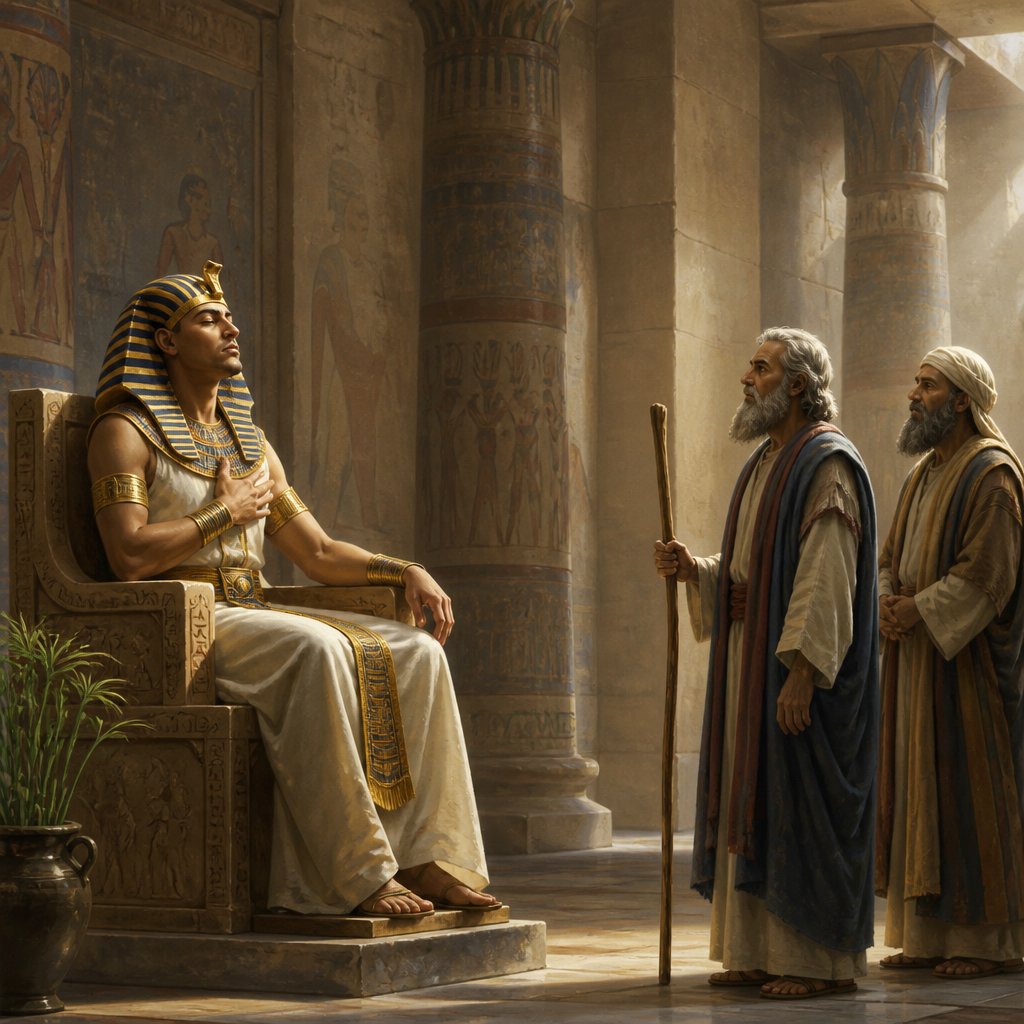
Exodus 10:27 (KJV) states, "But the LORD hardened Pharaoh's heart, and he would not let them go." This verse is a part of the narrative in the book of Exodus that describes the series of plagues that God unleashed upon Egypt in order to secure the release of the Israelites from their bondage. The hardening of Pharaoh's heart is a pivotal moment in this story, as it demonstrates both God's power and Pharaoh's resistance to divine will.
In order to understand the significance of this verse, it is important to examine the broader context of the book of Exodus. The Israelites had been enslaved in Egypt for centuries, and the situation had become increasingly dire. God raised up Moses as a leader to confront Pharaoh and demand the release of the Israelites. When Pharaoh refused to comply, God sent a series of ten devastating plagues upon Egypt. Each plague was intended to demonstrate God's power and compel Pharaoh to release the Israelites, but Pharaoh continued to resist.
Throughout this process, the hardening of Pharaoh's heart is a recurring theme. In some instances, the text states that Pharaoh "hardened his heart" (Exodus 8:15, 32), while in others it says that "the Lord hardened Pharaoh's heart" (Exodus 9:12, 10:20, 27). This has led to much theological debate about the nature of God's sovereignty and human free will. The reality is that both elements are present in the narrative - Pharaoh freely chose to resist God's will, yet God also played a role in hardening Pharaoh's heart as a means of fulfilling His divine purpose.
The hardening of Pharaoh's heart serves several important purposes in the broader narrative of Exodus. Firstly, it underscores the power and sovereignty of God. Despite Pharaoh's authority and might, he is ultimately subject to the will of the true God of Israel. The hardening of Pharaoh's heart demonstrates that God is in control of human hearts and can direct them according to His purposes.
Secondly, the hardening of Pharaoh's heart serves as a means of divine judgment. Pharaoh's stubbornness and refusal to release the Israelites resulted in severe consequences for himself and his people. The plagues brought devastation upon Egypt, leading to the suffering and death of many. Through the hardening of Pharaoh's heart, God executed judgment upon him and his kingdom for their oppression of the Israelites.
Furthermore, the hardening of Pharaoh's heart illustrates the theme of liberation and redemption. The Israelites were held in bondage and oppression, and yet God's plan was to set them free and lead them to the Promised Land. The resistance of Pharaoh and the subsequent plagues served to highlight the deliverance that God was orchestrating for His chosen people. By hardening Pharaoh's heart, God was ultimately working to bring about the liberation of the Israelites and fulfill His covenant promises to them.
Symbolically, the hardening of Pharaoh's heart also represents the broader theme of human pride and resistance to God. Pharaoh's arrogant refusal to yield to God's will reflects the stubbornness and sinfulness of humanity as a whole. It serves as a cautionary example of the dangers of pride and disobedience, as well as the consequences that follow.
In conclusion, Exodus 10:27, "But the LORD hardened Pharaoh's heart, and he would not let them go," is a pivotal verse in the narrative of the plagues and the Israelites' liberation from Egypt. It underscores the power and sovereignty of God, serves as a means of divine judgment, and highlights the theme of liberation and redemption. The hardening of Pharaoh's heart is a complex and profound element of the story, provoking deep theological reflection on the nature of God's sovereignty and human free will.
Get our apps


Artwork for Exodus 10:27

Exodus 10:27 - "¶ But the LORD hardened Pharaoh's heart, and he would not let them go."
"¶ But the LORD hardened Pharaoh's heart, and he would not let them go." - Exodus 10:27

Exodus 27:10 - "And the twenty pillars thereof and their twenty sockets shall be of brass; the hooks of the pillars and their fillets shall be of silver."
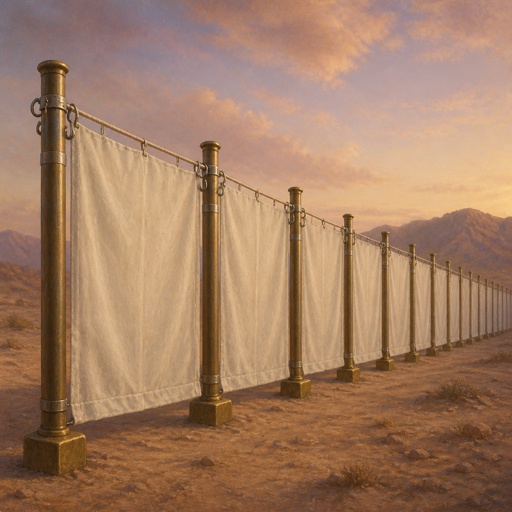
"And the twenty pillars thereof and their twenty sockets shall be of brass; the hooks of the pillars and their fillets shall be of silver." - Exodus 27:10

Exodus 27:20

Exodus 27:20

Exodus 27:20

Exodus 27:19-20

Exodus 27:1-8

Exodus 23:27-28

exodus 27:3 forks

Exodus 27:19-21

Exodus 27:20 the lamp is made of brass

Exodus 36:27 - "And for the sides of the tabernacle westward he made six boards."

Exodus 35:27 - "And the rulers brought onyx stones, and stones to be set, for the ephod, and for the breastplate;"

Exodus 27:13 - "And the breadth of the court on the east side eastward shall be fifty cubits."

Exodus 40:27 - "And he burnt sweet incense thereon; as the LORD commanded Moses."

Luke 10:27

Exodus 30:27 - "And the table and all his vessels, and the candlestick and his vessels, and the altar of incense,"

Exodus 25:27 - "Over against the border shall the rings be for places of the staves to bear the table."

Exodus 39:27 - "¶ And they made coats of fine linen of woven work for Aaron, and for his sons,"

Exodus 27:15 - "And on the other side shall be hangings fifteen cubits: their pillars three, and their sockets three."

Genesis 10:27 - "And Hadoram, and Uzal, and Diklah,"

Nehemiah 10:27 - "Malluch, Harim, Baanah."

Genesis 27:10 KJV

Exodus 7:10

Exodus 7:10

Exodus 10:12
Exodus 17:10

Exodus 10:12