What does Exodus 11:8 mean?
“And all these thy servants shall come down unto me, and bow down themselves unto me, saying, Get thee out, and all the people that follow thee: and after that I will go out. And he went out from Pharaoh in a great anger.” — Exodus 11:8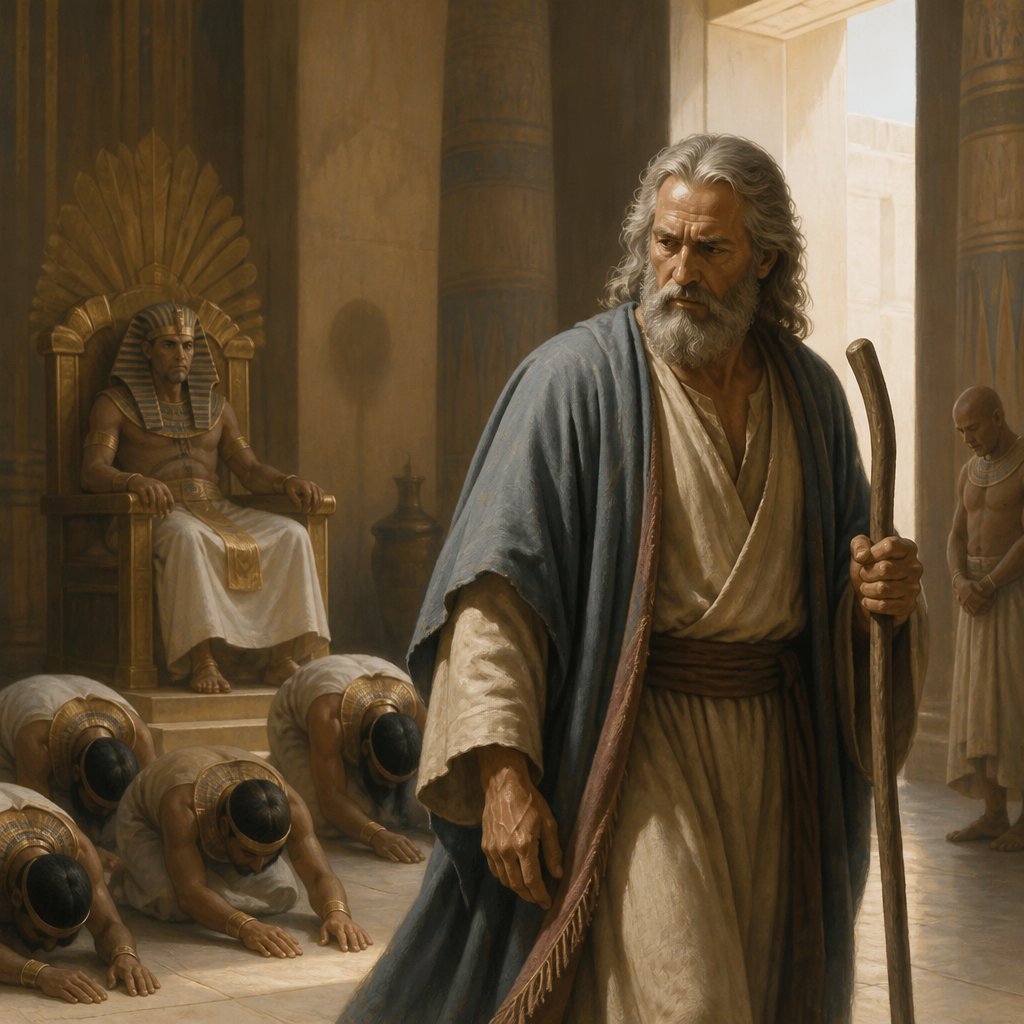
Exodus 11:8 (KJV) reads, "And all these thy servants shall come down unto me, and bow down themselves unto me, saying, Get thee out, and all the people that follow thee: and after that I will go out. And he went out from Pharaoh in a great anger."
This verse is part of the larger narrative of the Exodus, which describes the Israelites' liberation from slavery in Egypt. In this particular verse, Moses is speaking to Pharaoh, warning him of the impending plague that will strike all the firstborn in Egypt. The context of this verse is crucial, as it is a pivotal moment in the story, leading up to the Israelites' ultimate freedom.
One of the central themes in this verse is the idea of obedience and submission to a higher power. Moses is speaking on behalf of God, demanding that Pharaoh release the Israelites from bondage. The act of bowing down signifies deference and respect, as well as a recognition of authority. In this instance, it serves as a warning to Pharaoh that he must heed the command of God or face the consequences.
The concept of divine intervention is also prominent in this verse. The plagues that struck Egypt were not merely natural disasters, but rather deliberate acts of God to demonstrate his power and demand the release of his people. The narrative of the Exodus is a powerful example of God's ability to intervene in the course of human events and change the course of history.
Another significant aspect of this verse is the theme of anger and resistance. Moses's anger towards Pharaoh is palpable in his words, reflecting the frustration and desperation of the Israelites as they seek their freedom. The emotion of anger is a common motif throughout the Bible, and in this context, it serves as a reminder of the human capacity for righteous indignation in the face of injustice.
Symbolism also plays a crucial role in this verse. The act of bowing down represents the acknowledgment of God's authority and power, as well as the humility and submission required of those seeking liberation. This gesture symbolizes the spiritual and moral transformation that is necessary for the Israelites to break free from their oppressors.
Additionally, the act of "coming down" carries symbolic weight, representing the descent from a position of pride and arrogance to a place of humility and repentance. Pharaoh's refusal to bow down and submit to God's will is ultimately what leads to his downfall, serving as a cautionary tale about the consequences of pride and stubbornness.
From a broader theological perspective, this verse also speaks to the notion of divine justice and the fulfillment of God's promises. The plagues and the subsequent liberation of the Israelites are seen as a manifestation of God's faithfulness to his covenant with his chosen people. It underscores the idea that God is actively involved in human history and is committed to the deliverance of those who are oppressed.
In conclusion, Exodus 11:8 (KJV) is a rich and multifaceted verse that delves into themes of obedience, divine intervention, justice, and symbolism. It is a pivotal moment in the narrative of the Exodus, encapsulating the struggle for liberation and the triumph of God's will over human resistance. This verse continues to resonate with readers today, serving as a powerful reminder of the enduring themes and messages found within the Bible.
Get our apps


Artwork for Exodus 11:8
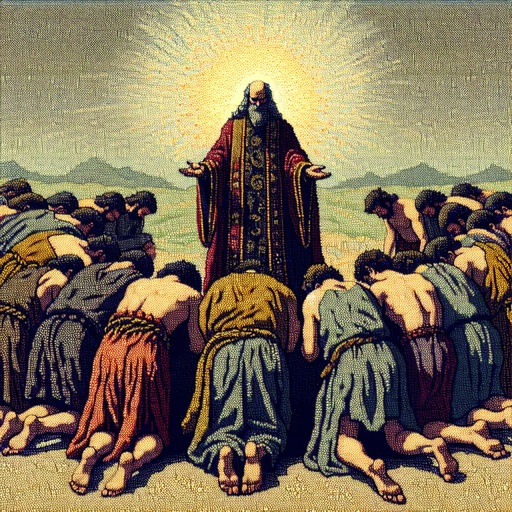
Exodus 11:8 KJV (8) And all these thy servants shall come down unto me, and bow down themselves unto me, saying, Get thee out, and all the people that follow thee: and after that I will go out. And he went out from Pharaoh in a great anger.
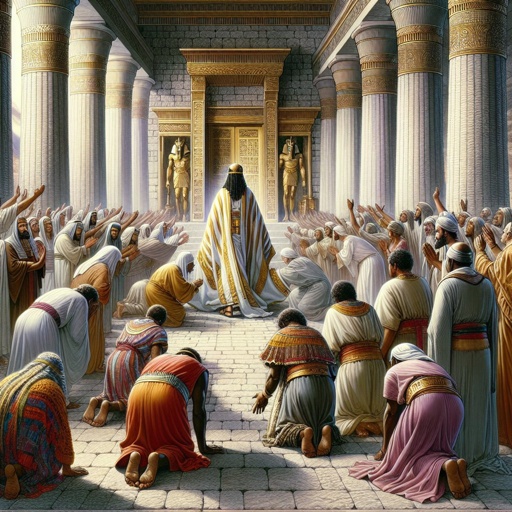
Exodus 11:8 - "And all these thy servants shall come down unto me, and bow down themselves unto me, saying, Get thee out, and all the people that follow thee: and after that I will go out. And he went out from Pharaoh in a great anger."
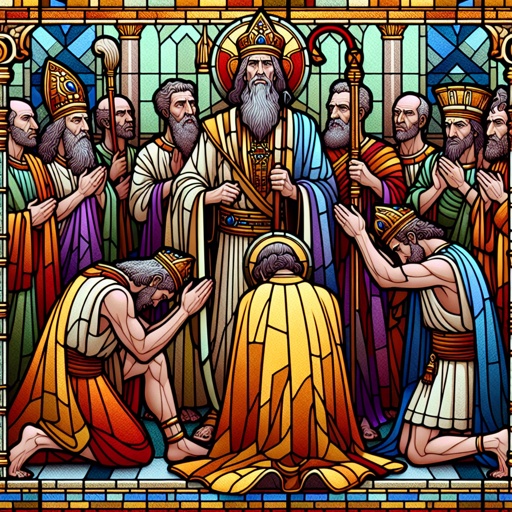
Exodus 11:8 KJV (8) And all these thy servants shall come down unto me, and bow down themselves unto me, saying, Get thee out, and all the people that follow thee: and after that I will go out. And he went out from Pharaoh in a great anger.
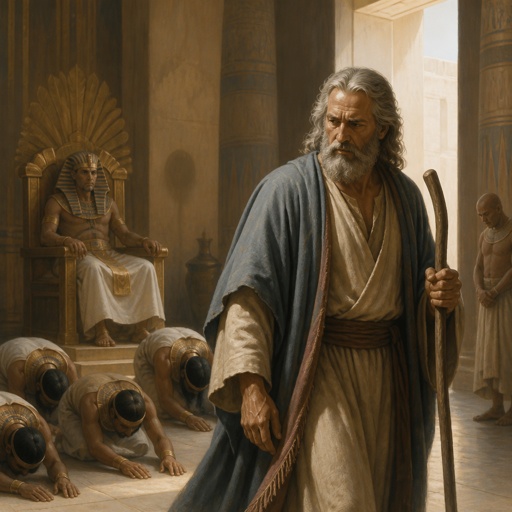
"And all these thy servants shall come down unto me, and bow down themselves unto me, saying, Get thee out, and all the people that follow thee: and after that I will go out. And he went out from Pharaoh in a great anger." - Exodus 11:8

Exodus 8:11 - "And the frogs shall depart from thee, and from thy houses, and from thy servants, and from thy people; they shall remain in the river only."

exodus 18:11
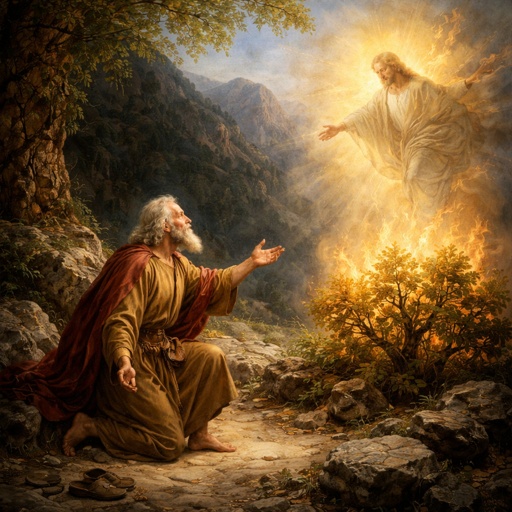
exodus 3:11

Exodus 17:11

Exodus 25:8

The Plague on the Firstborn - Exodus 11
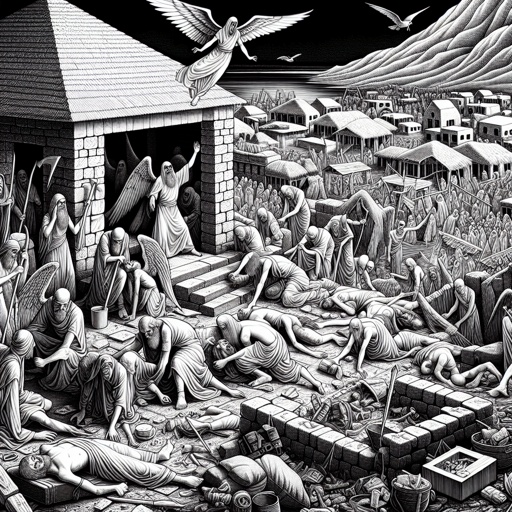
The Plague on the Firstborn - Exodus 11

The Plague on the Firstborn - Exodus 11
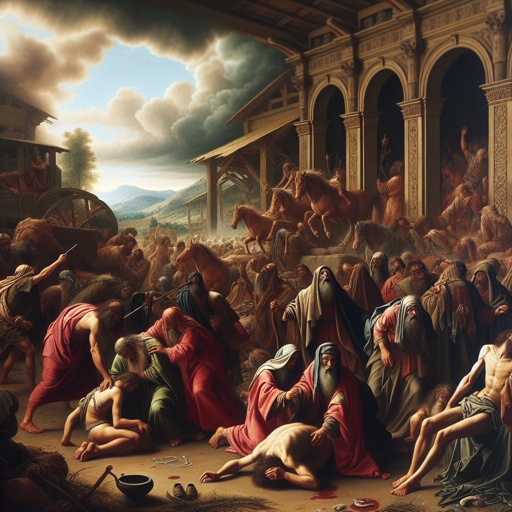
The Plague on the Firstborn - Exodus 11

Exodus 24:9-11

The Plague on the Firstborn - Exodus 11

The Plague on the Firstborn - Exodus 11

Exodus 27:1-8

Exodus 8:1-15

Exodus 16:11 - "¶ And the LORD spake unto Moses, saying,"

Exodus 30:11 - "¶ And the LORD spake unto Moses, saying,"

Exodus 39:11 - "And the second row, an emerald, a sapphire, and a diamond."

The Plague on the Firstborn Son - Exodus 11

Exodus 17:8 - "¶ Then came Amalek, and fought with Israel in Rephidim."

Exodus 20:8 - "Remember the sabbath day, to keep it holy."

Exodus 40:11 - "And thou shalt anoint the laver and his foot, and sanctify it."
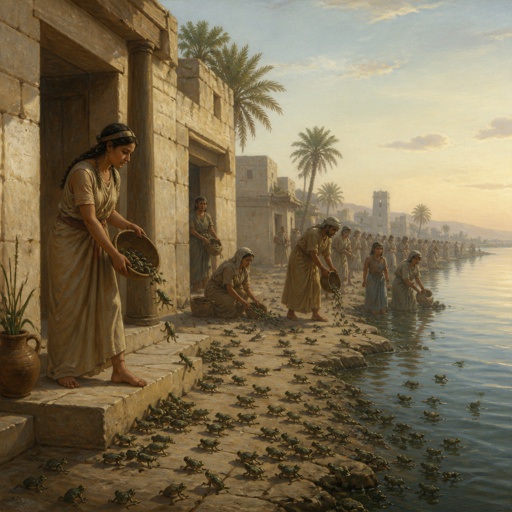
"And the frogs shall depart from thee, and from thy houses, and from thy servants, and from thy people; they shall remain in the river only." - Exodus 8:11

Exodus 7:8 - "¶ And the LORD spake unto Moses and unto Aaron, saying,"

Exodus 8:14 - "And they gathered them together upon heaps: and the land stank."

Exodus 35:8 - "And oil for the light, and spices for anointing oil, and for the sweet incense,"

Exodus 8:30 - "And Moses went out from Pharaoh, and intreated the LORD."