What does Exodus 11:9 mean?
“And the LORD said unto Moses, Pharaoh shall not hearken unto you; that my wonders may be multiplied in the land of Egypt.” — Exodus 11:9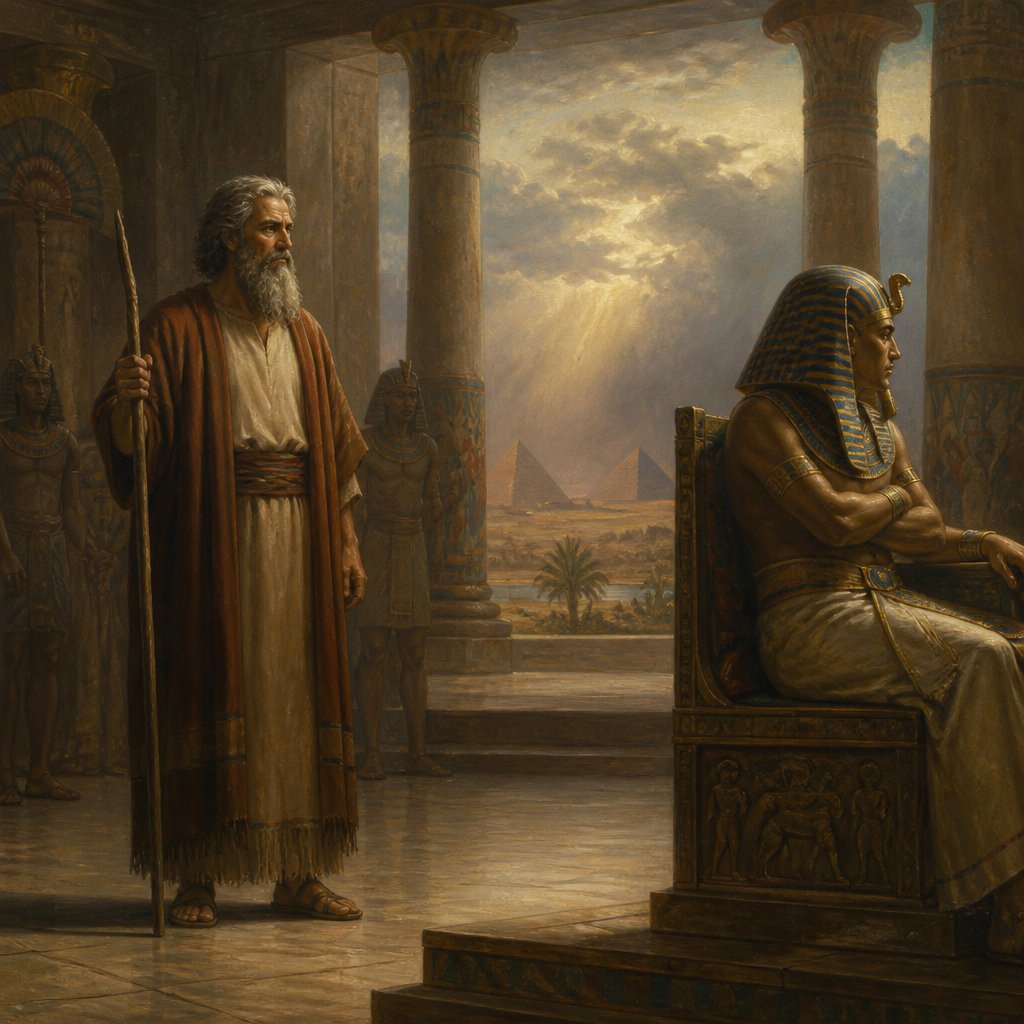
Exodus 11:9 in the King James Version reads, "And the Lord said unto Moses, Pharaoh shall not hearken unto you; that my wonders may be multiplied in the land of Egypt." This verse is part of the larger narrative of the book of Exodus, which tells the story of the Israelites' deliverance from slavery in Egypt under the leadership of Moses.
To understand the meaning and significance of this verse, we must first consider the broader context in which it is situated. The book of Exodus is primarily concerned with the liberation of the Israelites from bondage and their journey to the Promised Land. Throughout the narrative, we see God's faithfulness to his chosen people, his covenant with them, and his commitment to deliver them from their oppressors.
In Exodus 11, God tells Moses that he will bring one final plague upon the land of Egypt, the death of the firstborn. This plague is intended to force Pharaoh to release the Israelites from slavery, and it serves as a culmination of the previous nine plagues that God had inflicted upon the Egyptians. In verse 9, God informs Moses that despite his efforts to persuade Pharaoh to let the Israelites go, Pharaoh will not listen. This is a pivotal moment in the narrative, as it sets the stage for the tragic events that will unfold in the following chapters.
One of the key themes of this verse is the sovereignty and power of God. Despite Pharaoh's stubbornness and refusal to heed Moses' warnings, God assures Moses that this is all part of his divine plan. In fact, God states that Pharaoh's resistance is necessary in order for God's "wonders" to be multiplied in the land of Egypt. This speaks to the idea that God is in control of all circumstances, even those that seem to be working against his purposes. It also emphasizes the magnitude of God's power and the impossibility of anyone thwarting his will.
Another important theme in this verse is the concept of divine judgment. The plagues that God inflicts upon Egypt are not just random acts of destruction, but rather they are manifestations of God's judgment on a nation that has oppressed his people and defied his commands. The hardening of Pharaoh's heart, which is referenced throughout the Exodus narrative, is a demonstration of God's judgment on those who persist in their disobedience and rebellion. It serves as a sobering reminder of the consequences of defying God and refusing to acknowledge his authority.
Symbolically, this verse represents the culmination of God's redemptive plan for the Israelites. The plagues, particularly the final plague of the death of the firstborn, foreshadow the ultimate deliverance that God will provide for his people through the sacrificial death of Jesus Christ. The resistance of Pharaoh serves as a powerful contrast to the obedience and submission that God desires from his people. In a broader sense, it also serves as a warning to all who oppose God's will and rebel against his authority.
In conclusion, Exodus 11:9 is a significant and profound verse that encapsulates key themes of the book of Exodus, including God's sovereignty, divine judgment, and the unfolding of his redemptive plan. It serves as a reminder of the consequences of defying God and the ultimate triumph of his will. As we reflect on this verse, we are called to consider our own response to God's commands and to recognize his ultimate authority over all things.
Get our apps


Artwork for Exodus 11:9

Exodus 11:9 - "And the LORD said unto Moses, Pharaoh shall not hearken unto you; that my wonders may be multiplied in the land of Egypt."
"And the LORD said unto Moses, Pharaoh shall not hearken unto you; that my wonders may be multiplied in the land of Egypt." - Exodus 11:9

Exodus 24:9-11

Exodus 9:11 - "And the magicians could not stand before Moses because of the boils; for the boil was upon the magicians, and upon all the Egyptians."
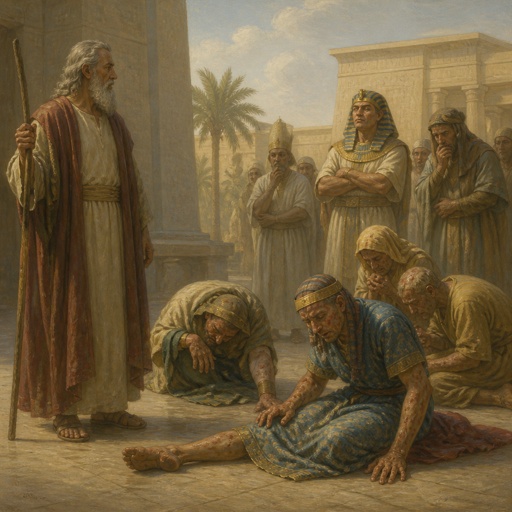
"And the magicians could not stand before Moses because of the boils; for the boil was upon the magicians, and upon all the Egyptians." - Exodus 9:11

exodus 18:11

Exodus 17:11
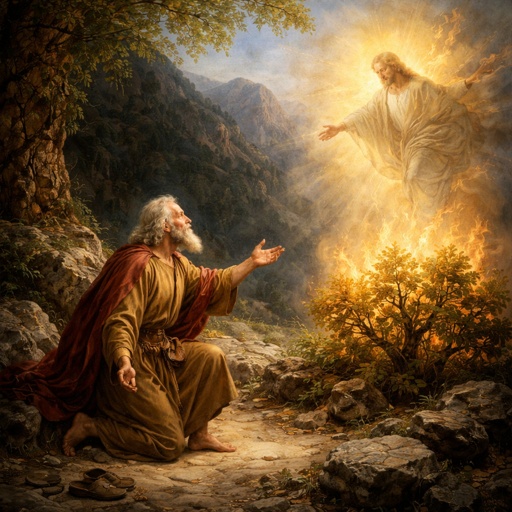
exodus 3:11

Exodus 40:9
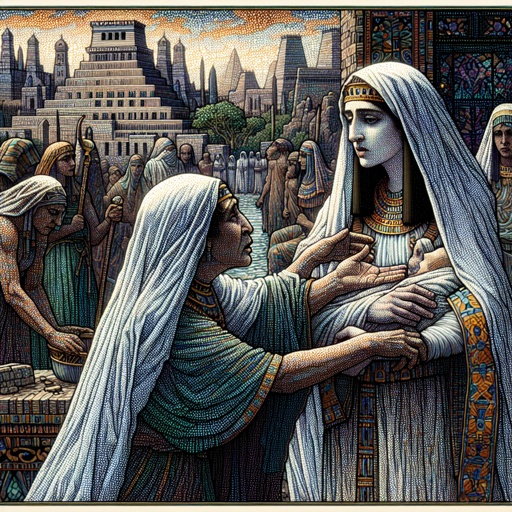
Exodus 2:9

Exodus 2:9

The Plague on the Firstborn - Exodus 11
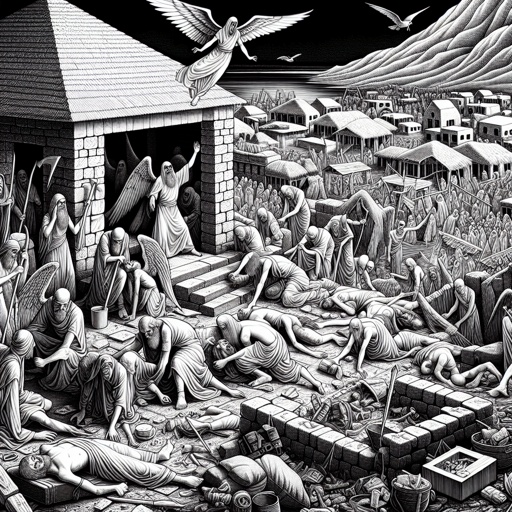
The Plague on the Firstborn - Exodus 11

The Plague on the Firstborn - Exodus 11
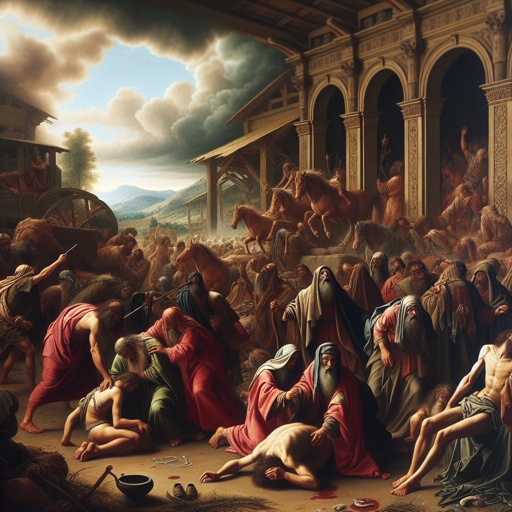
The Plague on the Firstborn - Exodus 11

The Plague on the Firstborn - Exodus 11

The Plague on the Firstborn - Exodus 11

Exodus 16:11 - "¶ And the LORD spake unto Moses, saying,"

Exodus 30:11 - "¶ And the LORD spake unto Moses, saying,"

Exodus 39:11 - "And the second row, an emerald, a sapphire, and a diamond."

The Plague on the Firstborn Son - Exodus 11

Exodus 35:9 - "And onyx stones, and stones to be set for the ephod, and for the breastplate."

Exodus 40:11 - "And thou shalt anoint the laver and his foot, and sanctify it."

Exodus 9:31 - "And the flax and the barley was smitten: for the barley was in the ear, and the flax was bolled."

Exodus 9:32 - "But the wheat and the rie were not smitten: for they were not grown up."

The Plague of Boils - Exodus 9:8-12

The Plague of Boils - Exodus 9:8-12

The Plague of Boils - Exodus 9:8-12.

The Plague of Hail - Exodus 9:13-35

The Plague of Boils - Exodus 9:8-12