What does Exodus 12:17 mean?
“And ye shall observe the feast of unleavened bread; for in this selfsame day have I brought your armies out of the land of Egypt: therefore shall ye observe this day in your generations by an ordinance for ever.” — Exodus 12:17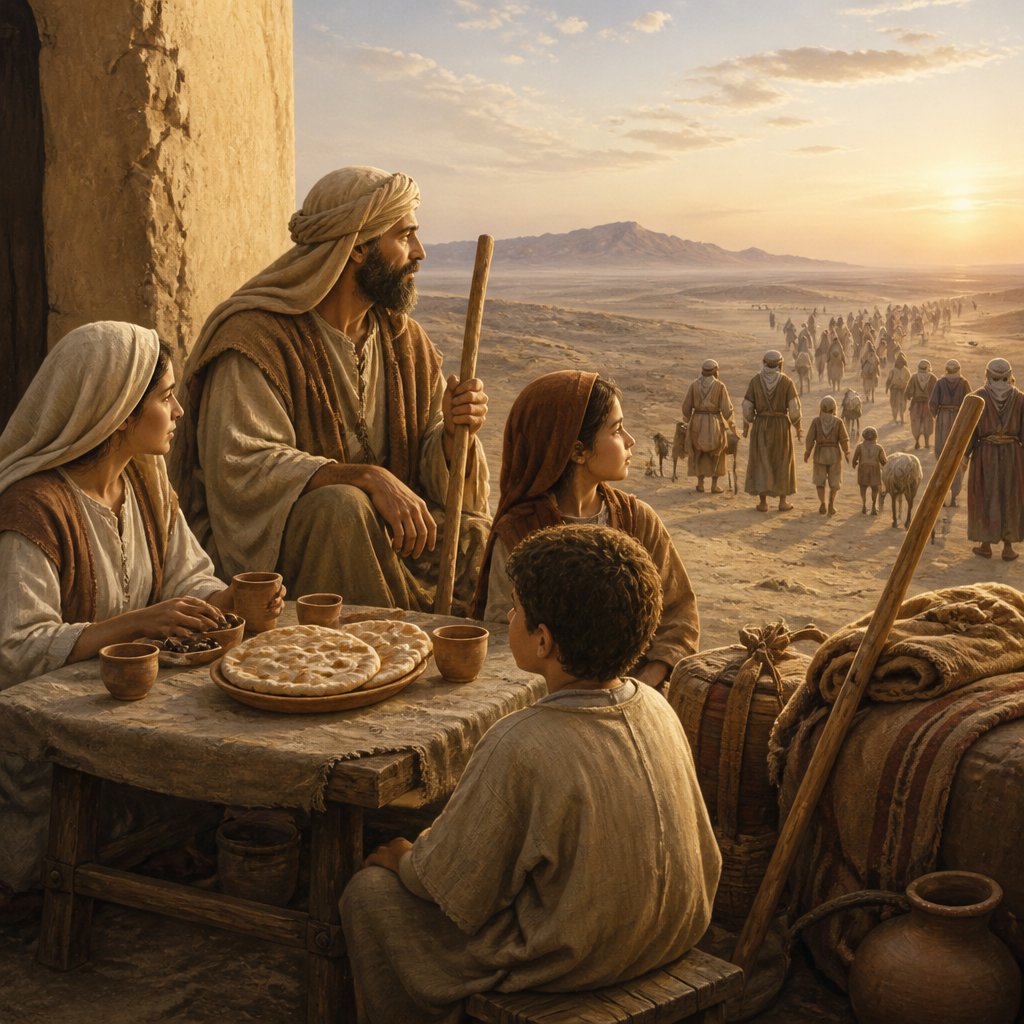
Exodus 12:17 in the King James Version of the Bible reads: "And ye shall observe the feast of unleavened bread; for in this selfsame day have I brought your armies out of the land of Egypt: therefore shall ye observe this day in your generations by an ordinance for ever."
This verse comes from the Book of Exodus, which recounts the story of the Israelites' liberation from slavery in Egypt and the establishment of the covenant between God and the people of Israel. This particular verse is part of the instructions given by God to the Israelites regarding the observance of the Feast of Unleavened Bread, a significant religious festival in the Jewish tradition.
The Feast of Unleavened Bread, also known as Passover, was established to commemorate and celebrate the Israelites' deliverance from slavery in Egypt. It is a reminder of God's faithfulness and redemption, as well as an affirmation of the special relationship between God and the people of Israel. The unleavened bread, which symbolizes the haste with which the Israelites had to leave Egypt, is a central element of the feast and serves as a tangible reminder of the hardships and miracles experienced by the Israelites during their exodus from Egypt.
The verse emphasizes the significance of the day of liberation from Egypt, stating that it should be observed as an ordinance for all generations to come. This underscores the enduring importance of remembering and celebrating the deliverance of the Israelites, as well as the continuous commitment to preserving and passing on the traditions and teachings of the faith.
Furthermore, the verse serves as a reminder of the divine intervention that brought about the liberation of the Israelites. It attributes the deliverance to God's decisive action, highlighting the central role of God in the history and destiny of the Israelite nation. This theme of divine intervention and providence runs throughout the Book of Exodus and is exemplified by the numerous miraculous events and the guidance provided by God to the Israelites as they journeyed through the wilderness.
The verse also conveys the idea of continuity and succession, emphasizing the obligation of future generations to uphold the traditions and observances established by God. This notion of generational transmission reflects the importance of heritage, legacy, and continuity within the Israelite community, highlighting the responsibility of each generation to pass on the religious and cultural customs of their ancestors.
In a broader sense, the verse conveys the concept of commemoration and remembrance as integral components of religious observance. It underscores the value of acknowledging and honoring the pivotal moments in the history of the Israelites, recognizing their role in shaping the identity and faith of the community. This theme of remembrance is a recurring motif in the Old Testament, emphasizing the significance of historical events and the enduring impact of the divine interventions in the lives of the Israelites.
Additionally, the verse symbolizes the idea of transformation and renewal, as it signifies the transition from bondage and oppression to freedom and autonomy. The observance of the Feast of Unleavened Bread serves as a ritual of purification and spiritual renewal, signifying the Israelites' journey from slavery to liberation and their commitment to living in accordance with God's will.
In conclusion, Exodus 12:17 encapsulates several key themes and concepts that are central to the Book of Exodus and the broader Jewish tradition. It conveys the importance of historical remembrance, divine intervention, generational continuity, and spiritual renewal, while also emphasizing the enduring significance of the liberation of the Israelites from Egypt. This verse stands as a testament to the enduring legacy of the Israelites and the timeless teachings and traditions that continue to shape the faith and identity of the Jewish people.
Get our apps


Artwork for Exodus 12:17

Exodus 12:17 - "And ye shall observe the feast of unleavened bread; for in this selfsame day have I brought your armies out of the land of Egypt: therefore shall ye observe this day in your generations by an ordinance for ever."
"And ye shall observe the feast of unleavened bread; for in this selfsame day have I brought your armies out of the land of Egypt: therefore shall ye observe this day in your generations by an ordinance for ever." - Exodus 12:17

Exodus 12:12
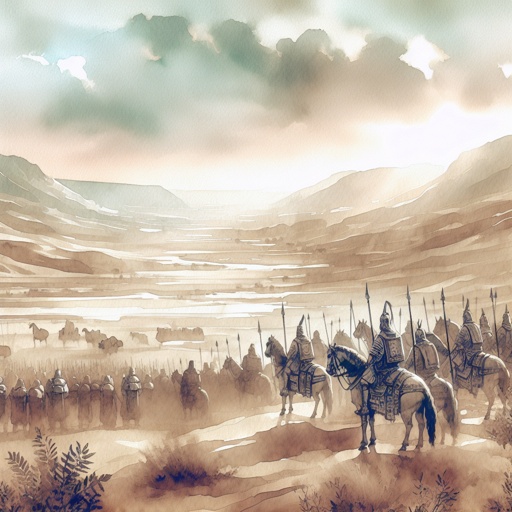
Exodus 17:10

Exodus 17:11

Exodus 17:6

Exodus 17:3

Exodus 17:3

Exodus 17:6

Exodus 17:6

Exodus 24:17

Exodus 17:6

Exodus 17:12 - "But Moses' hands were heavy; and they took a stone, and put it under him, and he sat thereon; and Aaron and Hur stayed up his hands, the one on the one side, and the other on the other side; and his hands were steady until the going down of the sun."

Exodus 3:12

Exodus 3:12

Exodus 3:12

Exodus 3:12

Exodus 3:12

Exodus 12:33

Exodus 12:7

Exodus 10:12
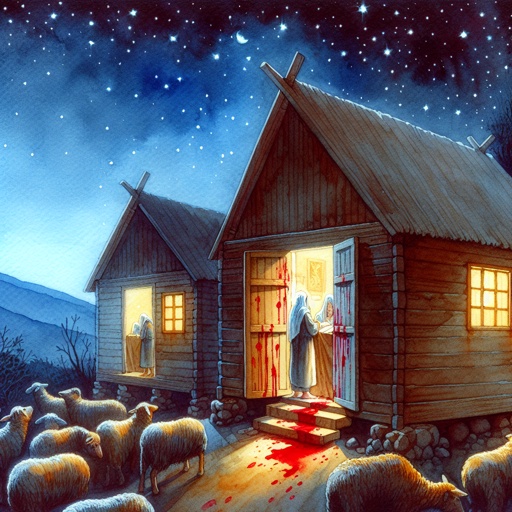
Exodus 12:13

Exodus 10:12

Exodus 3:12

Exodus 10:12

Exodus 3:12

Exodus 12:7

Exodus 30:17 - "¶ And the LORD spake unto Moses, saying,"

Exodus 17:8 - "¶ Then came Amalek, and fought with Israel in Rephidim."

Exodus 13:17-14:29