What does Exodus 13:10 mean?
“Thou shalt therefore keep this ordinance in his season from year to year.” — Exodus 13:10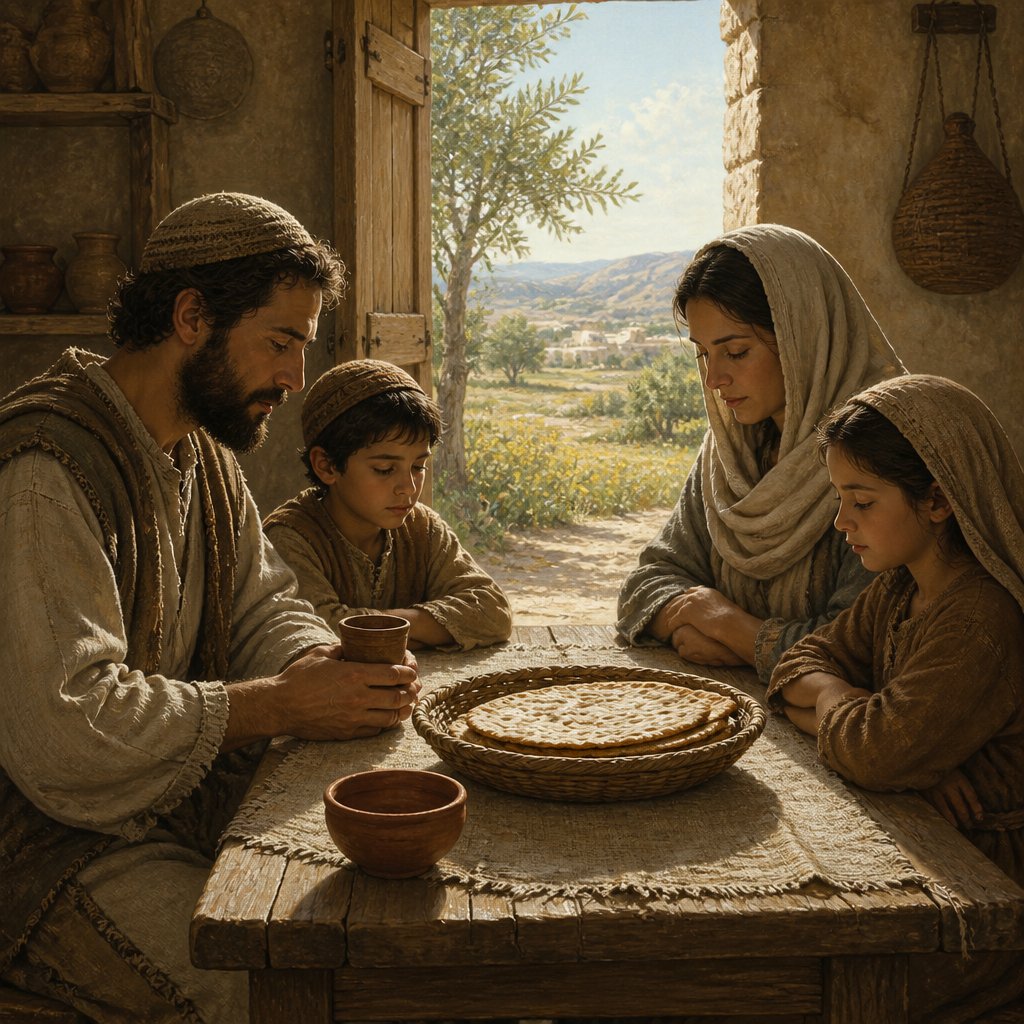
Exodus 13:10 (KJV) states, "Thou shalt therefore keep this ordinance in his season from year to year." This verse is part of the instructions given to the Israelites regarding the observance of the Feast of Unleavened Bread. The context of this verse is the time just after the Israelites have been delivered from their bondage in Egypt by God through the leadership of Moses. They were about to embark on their journey to the Promised Land, and God was instructing them on how to remember and celebrate their deliverance.
The Feast of Unleavened Bread was an important part of the Israelite religious calendar. It was a seven-day festival that began the day after the Passover and was to be observed annually to commemorate their hasty departure from Egypt. During this time, the Israelites were to eat bread made without yeast, symbolic of the haste with which they left Egypt, and to remember God's faithfulness in delivering them from slavery.
The verse emphasizes the importance of observing this ordinance in its appointed time, year after year. This repetition demonstrates the significance of remembering and commemorating God's mighty acts of deliverance. It serves as a reminder to the Israelites of their identity as a people called and chosen by God and the faithfulness of God in fulfilling His promises.
This verse carries several important themes that are relevant to the overall message of the book of Exodus and the biblical narrative as a whole. Firstly, it emphasizes the significance of remembrance and the power of commemorating important events in the history of God's people. By celebrating the Feast of Unleavened Bread, the Israelites were actively engaging in the act of remembering God's faithfulness and deliverance. This theme of remembrance is central to the Israelite religion, and it is a recurring theme throughout the Bible, serving as a means of re-centering the community's identity and faith in God.
Secondly, this verse underscores the importance of obedience to God's commands. The Israelites were instructed to keep this ordinance in its appointed season from year to year. Obedience to God's commands was essential for the Israelites to maintain their covenant relationship with God. It reflects the idea that faithfulness to God involves a continual commitment to remember and honor His deliverance.
Furthermore, this verse also highlights the idea of continuity and tradition within the religious practices of the Israelites. The annual observance of the Feast of Unleavened Bread served to connect the current generation with their ancestors and their shared history. It reinforced the idea that they were part of a continuous story of God's faithfulness and deliverance.
Symbolically, the ordinance of the Feast of Unleavened Bread represents the Israelites' transition from slavery to freedom. The removal of leaven, a symbol of sin and corruption, from their bread signifies their purification and consecration to God. It also foreshadows the ultimate deliverance from sin through the sacrificial death of Jesus Christ, who is referred to as the "bread of life" in the New Testament.
In conclusion, Exodus 13:10 conveys a powerful message about the importance of remembering and celebrating God's faithfulness and deliverance. It emphasizes the themes of remembrance, obedience, continuity, and symbolism, all of which are relevant not only to the Israelites in their historical context but also to believers in the present day. This verse serves as a call to continually remember and honor the redemptive work of God in our lives and to pass on the legacy of faithfulness to future generations.
Get our apps


Artwork for Exodus 13:10

Exodus 13:10 - "Thou shalt therefore keep this ordinance in his season from year to year."
"Thou shalt therefore keep this ordinance in his season from year to year." - Exodus 13:10
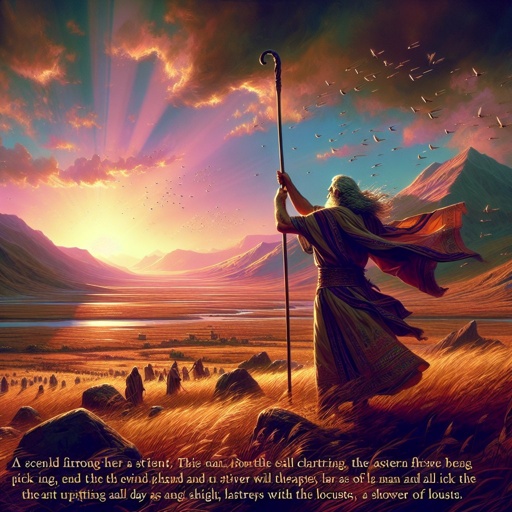
Exodus 10:13 - "And Moses stretched forth his rod over the land of Egypt, and the LORD brought an east wind upon the land all that day, and all that night; and when it was morning, the east wind brought the locusts."

Exodus 14:13

Exodus 14:13

Exodus 14:13

Exodus 14:13

Exodus 14:13

Exodus 14:13

Exodus 14:13
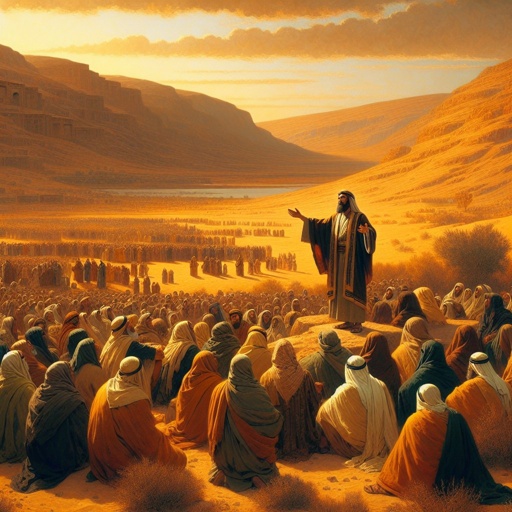
Exodus 14:13

Exodus 14:13
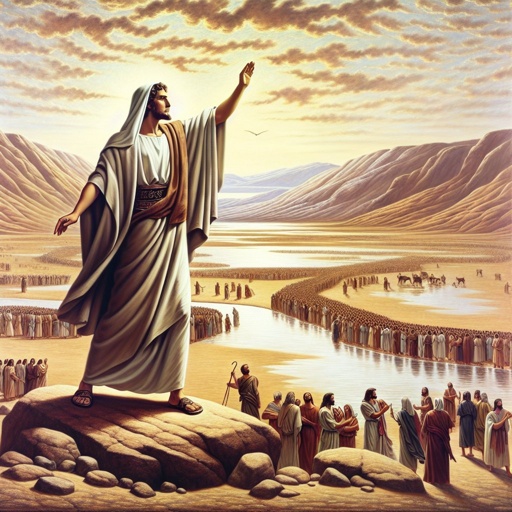
Exodus 14:13

Exodus 14:13
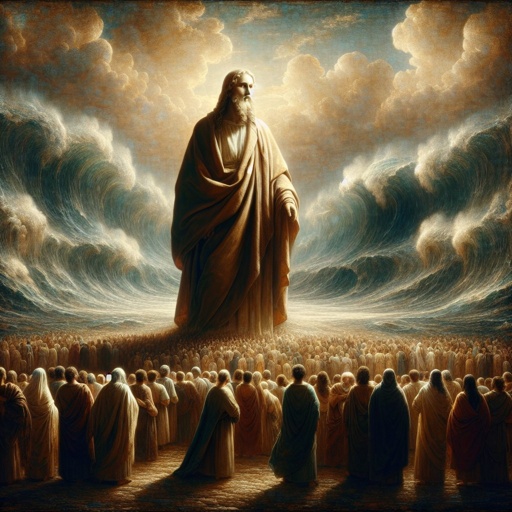
Exodus 14:13
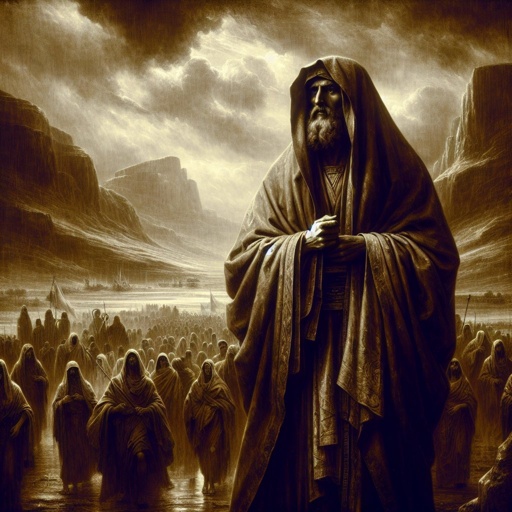
Exodus 14:13
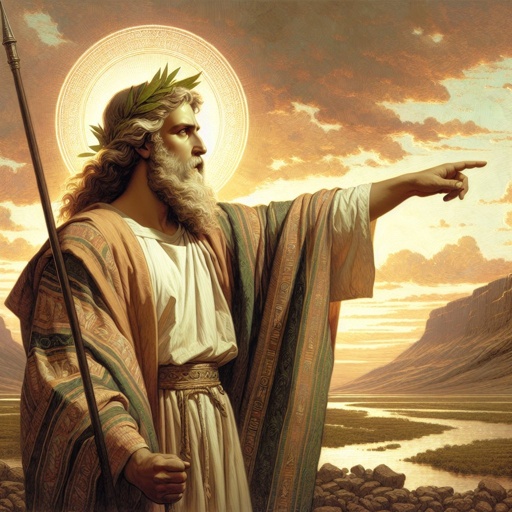
Exodus 14:13

Exodus 14:13

Exodus 14:13

Exodus 14:13

Exodus 14:13

Exodus 14:13
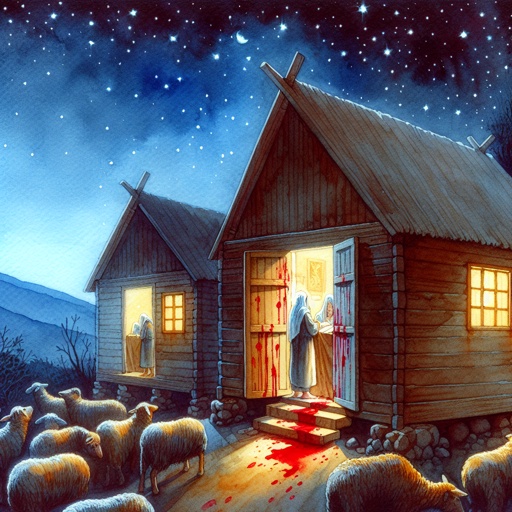
Exodus 12:13

Exodus 14:13

Exodus 14:13

Exodus 14:13

Exodus 14:13

Exodus 14:13

Exodus 14:13

Exodus 14:13