What does Exodus 14:5 mean?
“And it was told the king of Egypt that the people fled: and the heart of Pharaoh and of his servants was turned against the people, and they said, Why have we done this, that we have let Israel go from serving us?” — Exodus 14:5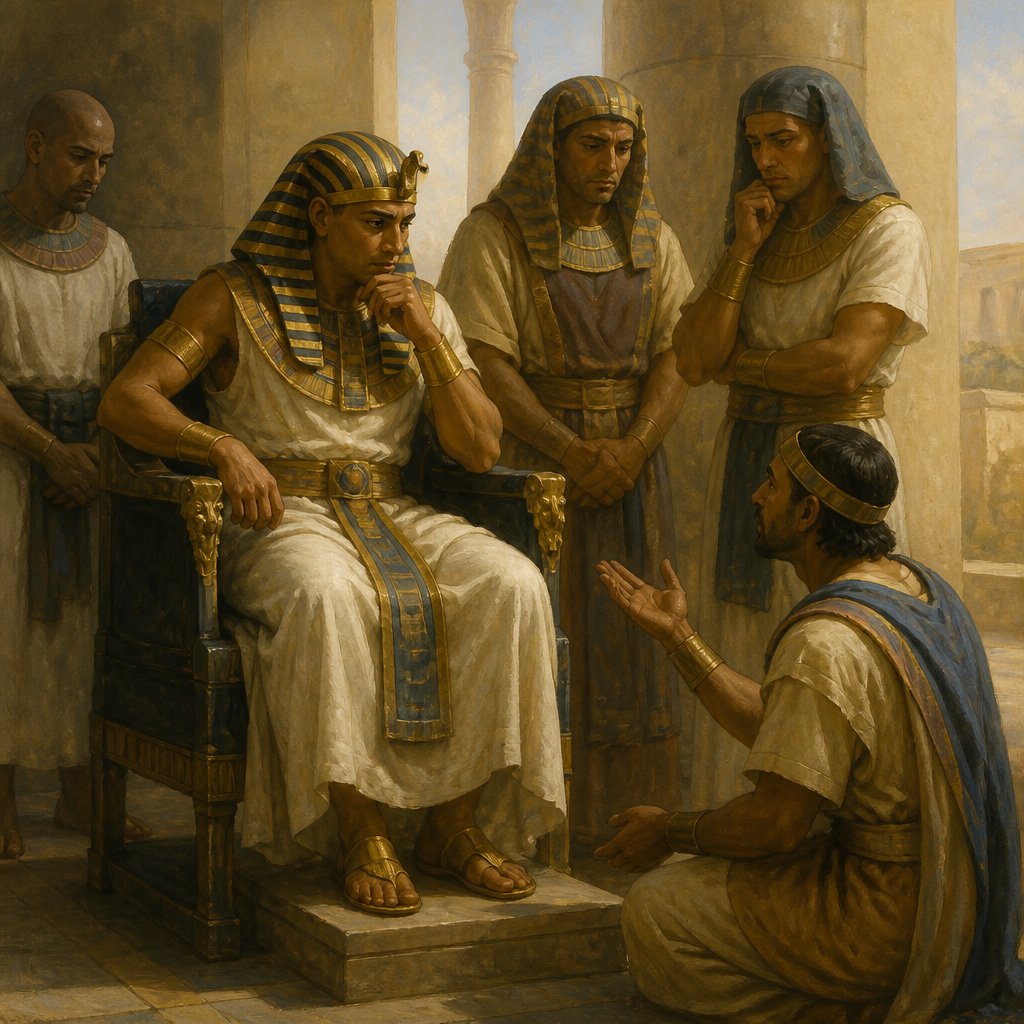
Exodus 14:5 in the King James Version of the Bible reads, "And it was told the king of Egypt that the people fled: and the heart of Pharaoh and of his servants was turned against the people, and they said, Why have we done this, that we have let Israel go from serving us?"
This verse occurs in the context of the Israelites' escape from slavery in Egypt. After enduring years of oppression and forced labor, God had sent Moses to deliver them from bondage. Through a series of miraculous events and plagues, God demonstrated His power and made it clear that the time for the Israelites to leave Egypt had come. As the Israelites made their exodus from Egypt, Pharaoh, the king of Egypt, had a change of heart. He and his servants lamented the decision to let the Israelites go, and they questioned why they had allowed them to escape from serving them.
The themes and symbolism in this verse are rich with meaning and provide insight into the conflict between good and evil, the faithfulness of God, and the consequences of disobedience. The verse also serves as a reminder of the enduring power of God and the fulfillment of His promises.
The first theme that is evident in this verse is the theme of freedom and deliverance. The Israelites had been enslaved in Egypt, and their exodus symbolizes their liberation from oppression. This theme reflects the broader biblical message of God's desire to set His people free from sin and bondage. Through the story of the Israelites' escape, we see that God is a deliverer who has the power to rescue His people from any form of captivity.
Another theme that resonates in this verse is the conflict between the will of God and the resistance of human beings. Despite witnessing the mighty acts of God through the plagues and miracles, Pharaoh and his servants hardened their hearts and refused to release the Israelites. Their change of heart after the Israelites had left demonstrates the consequences of disobedience and the inability to recognize and submit to the will of God. This theme of disobedience and its consequences is a recurring motif throughout the Bible, reminding readers of the importance of heeding God's commands and staying faithful to His plan.
The symbolism in this verse also extends to the broader context of the Old Testament and the overarching narrative of God's redemptive plan for His people. The Israelites' escape from Egypt foreshadows the ultimate salvation that God provides through Jesus Christ. The Israelites' journey from slavery to freedom prefigures the path from sin to redemption that all believers can experience through faith in Christ. The hardening of Pharaoh's heart serves as a cautionary tale, illustrating the dangers of resisting God's will and the ultimate triumph of His purposes.
In conclusion, Exodus 14:5 captures a pivotal moment in the Israelites' exodus from Egypt and conveys profound themes of freedom, obedience, and the faithfulness of God. Through the story of Pharaoh's change of heart, readers are reminded of the consequences of disobedience and the enduring power of God to fulfill His promises. This verse serves as a powerful testament to God's deliverance and His unwavering commitment to setting His people free. As readers reflect on the symbolism and themes in this verse, they are encouraged to trust in God's faithfulness and to remain obedient to His will.
Get our apps


Artwork for Exodus 14:5

Exodus 14:5 - "¶ And it was told the king of Egypt that the people fled: and the heart of Pharaoh and of his servants was turned against the people, and they said, Why have we done this, that we have let Israel go from serving us?"
"¶ And it was told the king of Egypt that the people fled: and the heart of Pharaoh and of his servants was turned against the people, and they said, Why have we done this, that we have let Israel go from serving us?" - Exodus 14:5

Exodus 5:14 - "And the officers of the children of Israel, which Pharaoh's taskmasters had set over them, were beaten, and demanded, Wherefore have ye not fulfilled your task in making brick both yesterday and to day, as heretofore?"

Exodus 14

Exodus 14:13

Exodus 14:13

Exodus 14: 21

Exodus 14:13

Exodus 14:13

Exodus 14:13

Exodus 14:13

Exodus 14:13
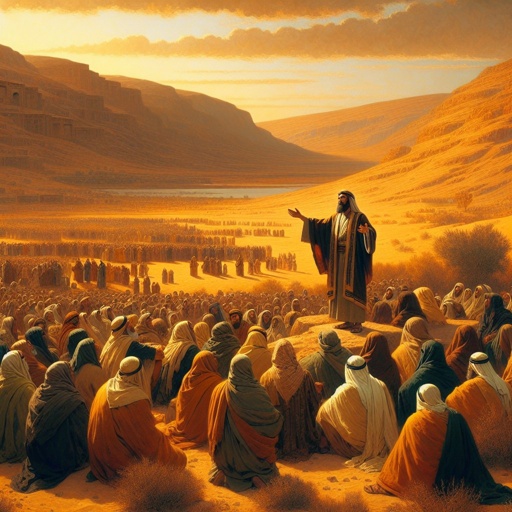
Exodus 14:13

Exodus 14:13

Exodus 14:13
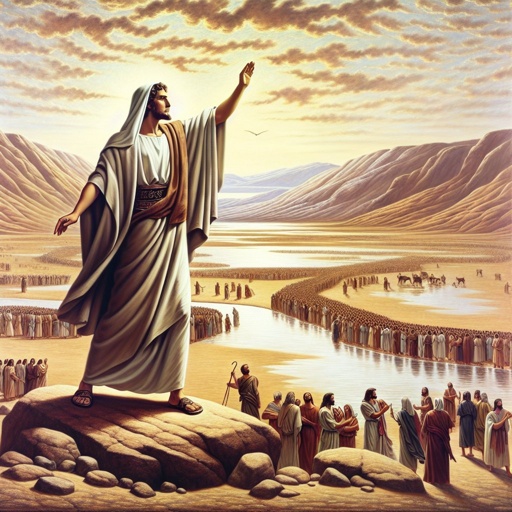
Exodus 14:13
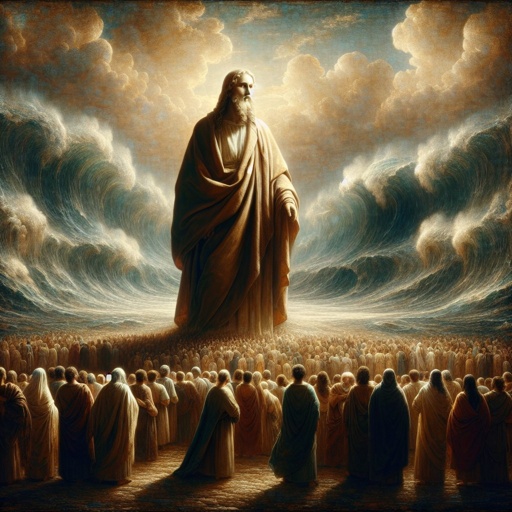
Exodus 14:13
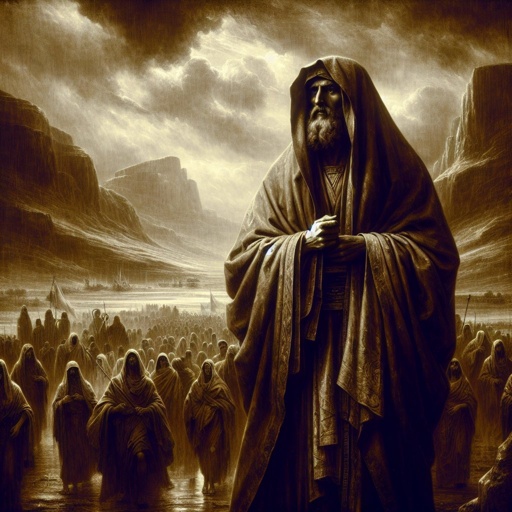
Exodus 14:13
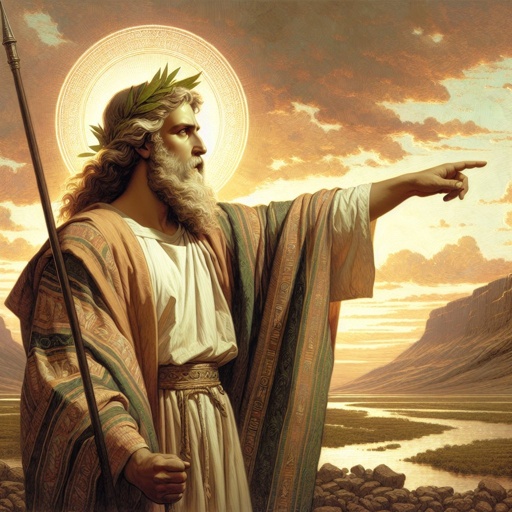
Exodus 14:13

Exodus 3:14

Exodus 3:14

Exodus 14:13

Exodus 14:13

Exodus 3:14

Exodus 14:13

exodus 3:14

Exodus 14:13

Exodus 14:13

Exodus 20:14

Exodus 14: 21