What does Exodus 17:9 mean?
“And Moses said unto Joshua, Choose us out men, and go out, fight with Amalek: to morrow I will stand on the top of the hill with the rod of God in mine hand.” — Exodus 17:9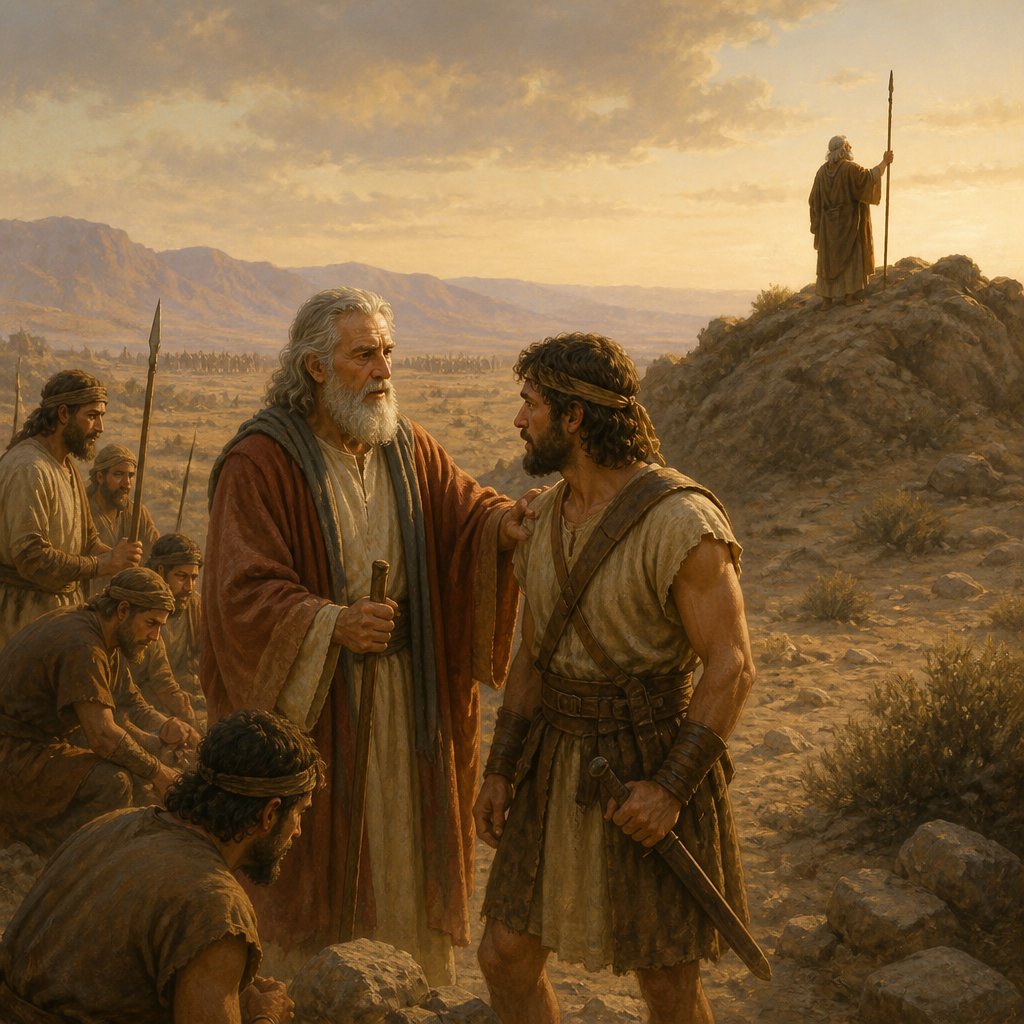
Exodus 17:9 (KJV) states: "And Moses said unto Joshua, Choose us out men, and go out, fight with Amalek: tomorrow I will stand on the top of the hill with the rod of God in mine hand."
This verse is part of the larger narrative of the Israelites' journey out of Egypt and through the wilderness to the Promised Land. The context of this verse is that the Israelites, under the leadership of Moses, are being attacked by the Amalekites. In response to this threat, Moses instructs Joshua to select men to go out and fight against the Amalekites, while he himself will take a position on top of a hill with the rod of God in his hand.
There are several important themes and symbols present in this verse. One of the key themes is the idea of spiritual warfare. The Israelites are engaged in a physical battle against the Amalekites, but there is also a deeper spiritual battle at play. The rod of God, which Moses holds, represents his authority and power as a leader appointed by God. Thus, the battle is not just a military conflict, but also a spiritual one, with the outcome ultimately depending on God's intervention.
Another important theme is the concept of leadership and delegation of authority. Moses, as the appointed leader of the Israelites, demonstrates his leadership by instructing Joshua to select men for the battle. At the same time, Moses also recognizes the limitations of his own abilities and delegates the actual fighting to others, while he takes on the role of a spiritual leader, interceding for the people from a position of prayer and authority on the hill.
The symbolism of the rod of God is significant in this verse. Throughout the Exodus narrative, the rod is a powerful symbol of God's divine authority and miraculous power. It was the same rod that Moses used to perform miracles before Pharaoh, and it represented God's presence and guidance for the Israelites. By holding the rod of God in his hand, Moses is making a symbolic statement that God's authority and power are with the Israelites in their time of need.
Additionally, the positioning of Moses on the top of the hill has symbolic significance. Throughout the Bible, the act of going up to a high place is often associated with seeking God's presence and guidance. By taking a position on the hill, Moses is demonstrating his dependence on God and his commitment to seeking divine intervention in the battle. This act serves as a visual representation of the importance of seeking God's guidance and leadership in times of conflict and struggle.
Overall, Exodus 17:9 is a verse rich in themes of spiritual warfare, leadership, and the symbolism of God's divine authority. It serves as a reminder of the importance of seeking God's guidance and relying on His power in the face of adversity. As a foundational text in the Bible, it continues to inspire and guide believers in their own spiritual battles and challenges.
Get our apps


Artwork for Exodus 17:9

Exodus 17:9 - "And Moses said unto Joshua, Choose us out men, and go out, fight with Amalek: to morrow I will stand on the top of the hill with the rod of God in mine hand."
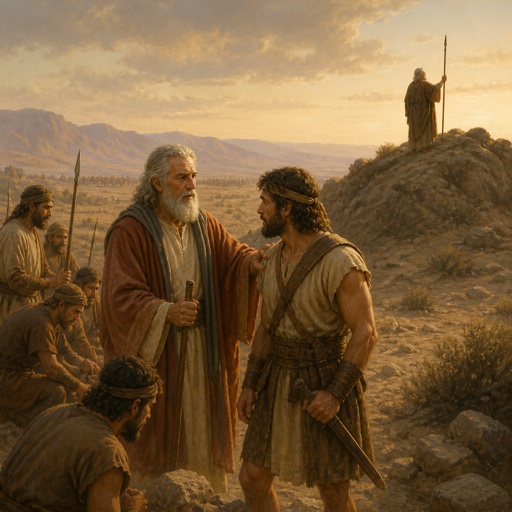
"And Moses said unto Joshua, Choose us out men, and go out, fight with Amalek: to morrow I will stand on the top of the hill with the rod of God in mine hand." - Exodus 17:9

Exodus 9:17 - "As yet exaltest thou thyself against my people, that thou wilt not let them go?"
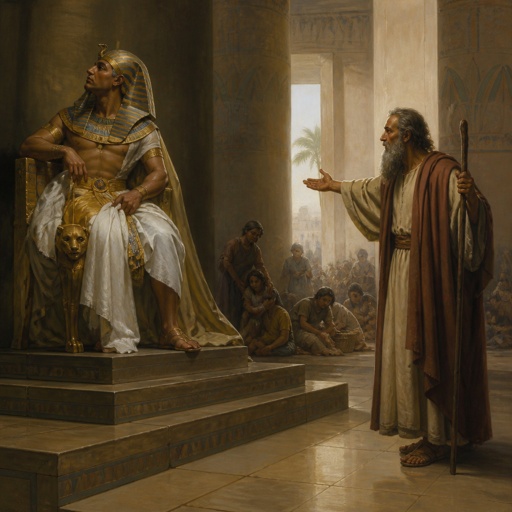
"As yet exaltest thou thyself against my people, that thou wilt not let them go?" - Exodus 9:17
Exodus 17:10

Exodus 17:11

Exodus 17:6

Exodus 17:3

Exodus 17:3
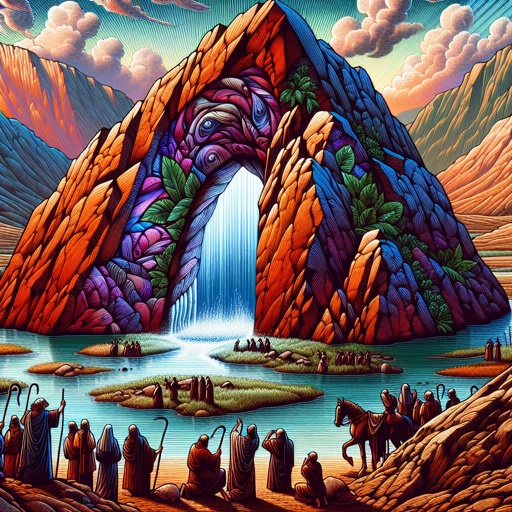
Exodus 17:6

Exodus 17:6

Exodus 24:17

Exodus 17:6

Exodus 30:17 - "¶ And the LORD spake unto Moses, saying,"

Exodus 17:8 - "¶ Then came Amalek, and fought with Israel in Rephidim."

Exodus 40:9
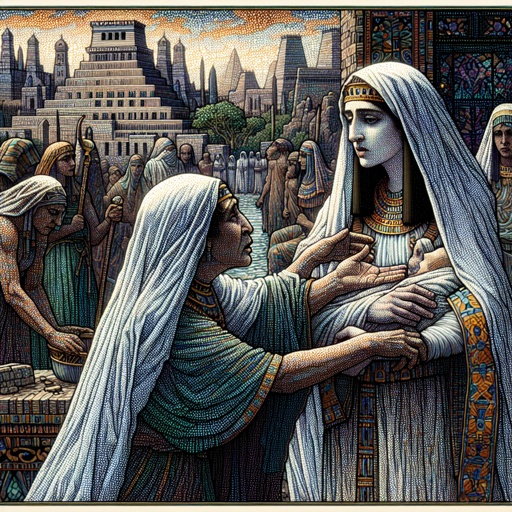
Exodus 2:9

Exodus 2:9

Exodus 13:17-14:29

Exodus 6:17 - "The sons of Gershon; Libni, and Shimi, according to their families."

Exodus 34:17 - "Thou shalt make thee no molten gods."

Exodus 17:15 - "And Moses built an altar, and called the name of it Jehovah-nissi:"

Exodus 17:13 - "And Joshua discomfited Amalek and his people with the edge of the sword."

Exodus 24:9-11

Exodus 35:17 - "The hangings of the court, his pillars, and their sockets, and the hanging for the door of the court,"

Rev 9:17

Exodus 16:17 - "And the children of Israel did so, and gathered, some more, some less."

Genesis 17:9

Exodus 39:17 - "And they put the two wreathen chains of gold in the two rings on the ends of the breastplate."
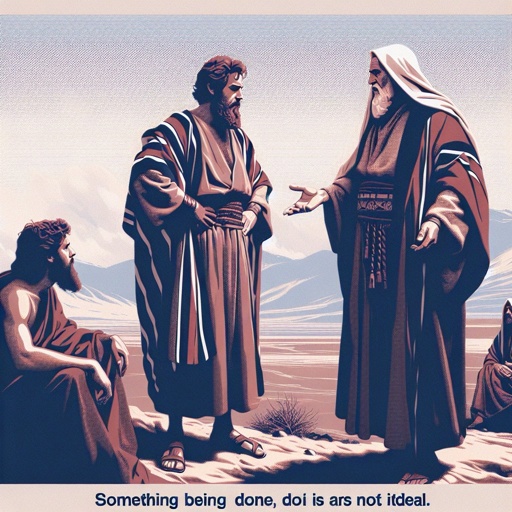
Exodus 18:17 - "And Moses' father in law said unto him, The thing that thou doest is not good."